15 Years of Diabetes and 3 Heart Blockages – Recovery Without Surgery
After facing 15 years of diabetes and 3 heart blockages, Leherulal Bhagora struggled with breathlessness and daily fatigue. Doctors advised


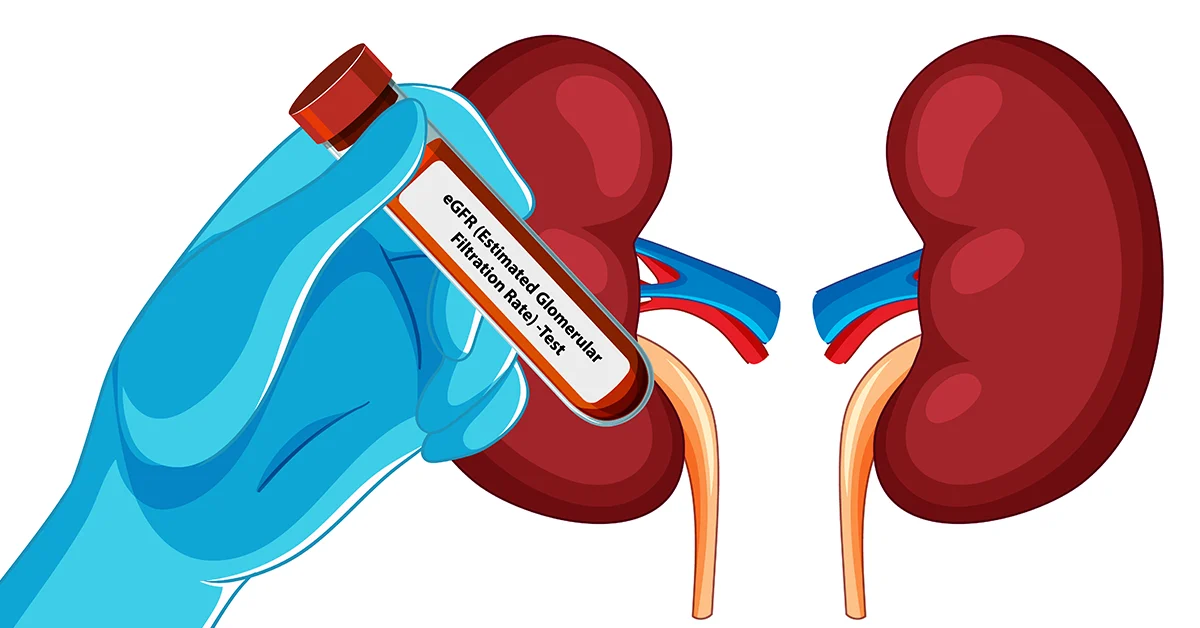
Hypertension and kidney disease are deeply connected. High blood pressure does not just affect the heart — it silently damages the kidneys over time. In this blog, you’ll learn how this cycle starts and how a holistic approach can help protect both your heart and kidneys.
In today’s fast-moving lifestyle, many people struggle with high blood pressure without realizing its long-term damage. One of the most serious complications of hypertension is kidney disease. The two are so closely linked that doctors often consider them a dangerous cycle — high BP damages the kidneys, and weak kidneys further increase blood pressure.
This blog explains this link in simple language and explores how early intervention, lifestyle changes, and Ayurvedic treatment for hypertension can help protect your kidneys and overall health.
Your kidneys act as the body’s natural filters. They remove waste, balance fluids, and maintain healthy electrolyte levels. For kidneys to function properly, blood must flow through them with the right pressure. But when blood pressure remains consistently high, it puts excessive strain on the delicate blood vessels inside the kidneys.
Over time, this leads to:
If this continues unchecked, it results in chronic kidney disease (CKD). This is why the relationship between hypertension and kidney disease is often called a “silent spiral.”
When blood pressure is high, the force of blood hitting the arterial walls increases. This causes small arteries inside the kidneys to weaken and narrow. These damaged vessels cannot deliver enough blood to the filtering units, leading to scarring and progressive kidney dysfunction.
Some people eventually reach the stage of kidney failure, requiring dialysis or kidney transplant. This makes early detection and proper treatment of hypertension crucial.
These symptoms often appear later, which is why regular BP and kidney tests are essential.
This connection is two-way. When kidneys become weak, they struggle to balance sodium, water, and hormones responsible for maintaining normal blood pressure.
This leads to:
The result is rising blood pressure — which further harms the kidneys. Breaking this cycle requires a holistic approach, not just medicines.
Modern habits such as high salt intake, stress, lack of physical activity, unhealthy diets, and poor sleep significantly worsen both BP and kidney health.
Making even small improvements can significantly benefit kidney function and blood pressure levels.
According to Ayurveda, hypertension arises from imbalances in Vata and Pitta doshas, leading to poor circulation, heat accumulation, and strain on vital organs like the heart and kidneys. Kidney disorders are linked to Ama (toxin buildup), aggravated Vata, and improper fluid metabolism.
Ayurveda aims to break this cycle through:
This approach provides long-term healing instead of temporary symptom relief.
Many patients today look for safer and holistic ways to manage BP. Ayurvedic treatment for hypertension focuses on reducing stress on the kidneys, improving blood circulation, and calming the nervous system.
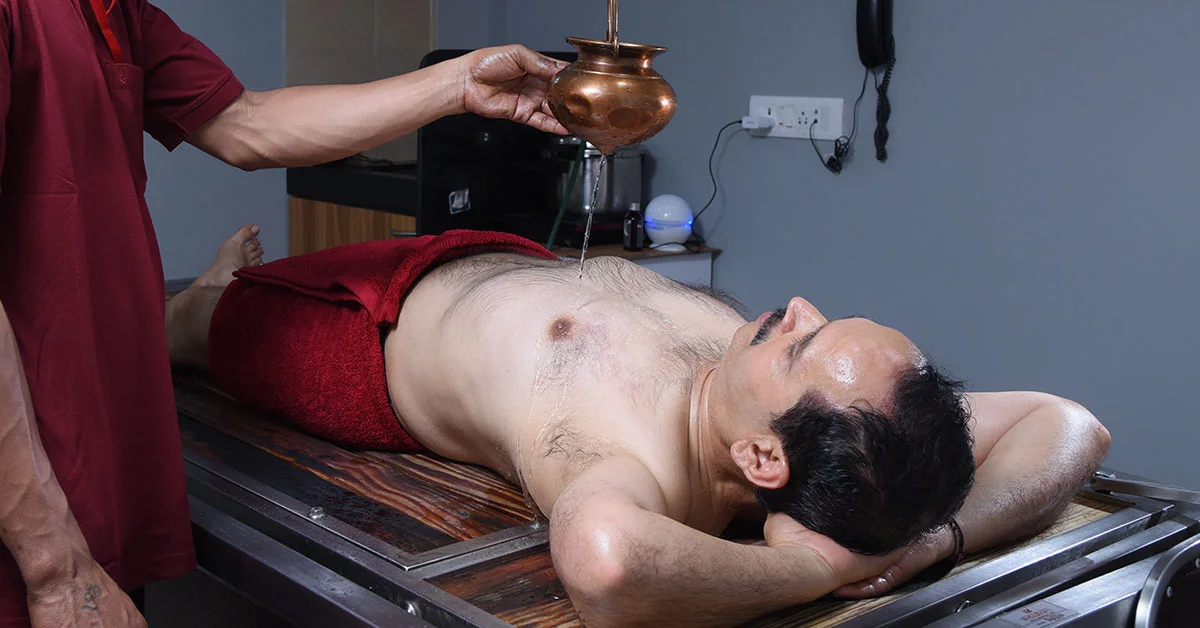
These practices help regulate blood pressure naturally and reduce stress on the kidneys.
While Ayurveda helps address the root cause, modern medicine also plays a role in managing complications. Depending on the stage, doctors may prescribe:
However, medicines alone are not enough. Patients must combine them with lifestyle changes and regular monitoring.
If you have hypertension or diabetes, you should get your kidney function checked at least once a year. Seek help immediately if you notice swelling, rising BP, or changes in urination patterns.
The cycle of hypertension and kidney disease can be reversed or slowed with a structured plan:
Hypertension and kidney disease are strongly interconnected, but early action can prevent severe damage. By combining medical guidance with Ayurvedic therapies, lifestyle changes, and regular monitoring, you can protect both your kidneys and your heart.
If you or a family member is dealing with high BP or kidney concerns, consider seeking a holistic evaluation to break the cycle before it reaches a critical stage.
Madhavbaug has earned national recognition for its contributions to non-surgical cardiac care and lifestyle-based disease reversal. The organization has been featured across major media for its clinical research and high-impact public health initiatives.
In 2018, Madhavbaug reached a big milestone in the India Book of Records. They did 661 live GTT assessments in one day at many clinics. This achievement was reported by major news platforms.
In 2023, Madhavbaug further strengthened its clinical authority by training 65 government medical officers in Uttarakhand on evidence-based, Ayurveda-integrated disease reversal protocols.
Madhavbaug has received over 200 awards. These awards are for excellence in healthcare, innovation, and patient outcomes. Madhavbaug is one of the most trusted names in heart blockage treatment without surgery in India.

After facing 15 years of diabetes and 3 heart blockages, Leherulal Bhagora struggled with breathlessness and daily fatigue. Doctors advised
10 साल की डायबिटीज़ (10 years of diabetes), कई वर्षों का हाई ब्लड प्रेशर और हार्ट में मल्टीपल ब्लॉकेज के