Madhavbaug — Advanced Ayurveda Clinics and Hospitals

Give Your Heart the Strength to Heal Itself Without Surgery

Heart Disease
LeafOverview

India’s Leading SHS Therapy Programme: Combining Modern Medicine and Ayurvedic Science

With Madhavbaug’s Sampoorna Hriday Shuddhikaran (SHS) Programme, we aid recovery in conditions like heart blockages (coronary artery disease), ischaemic heart disease, chronic heart failure, post-angioplasty/bypass rehabilitation, prevention of heart attack, chest pain management, and high cholesterol & heart health.

Consult a Madhavbaug expert
LeafCondition

Conditions Treated Under Madhavbaug’s Heart Disease Reversal (SHS) Programme

Fat and cholesterol deposits accumulate along the inner walls of the coronary arteries over years, narrowing the passage through which blood reaches the heart muscle. As this progresses, oxygen supply to the heart keeps decreasing, and the risk of a heart attack grows.
When the coronary arteries cannot deliver sufficient blood to the heart muscle, low oxygen shows up as chest pain, breathlessness, and reduced physical capacity. Madhavbaug's Ischaemia Reversal Programme works to restore adequate blood supply, with progress measured through stress testing at each clinical milestone.
When the heart's pumping capacity has been compromised, fatigue becomes persistent and routine physical activity grows difficult to sustain. The heart failure reversal therapy or SHS programme works to rebuild that capacity, with clinical assessments tracking response to treatment throughout.
Angioplasty clears the obstruction but does not resolve the arterial inflammation, cholesterol imbalance, and metabolic dysfunction that caused it. Post-angioplasty care at Madhavbaug targets these underlying factors to stabilise existing plaque and reduce the risk of new blockage formation.
Bypass surgery reroutes blood flow but does not correct the metabolic and inflammatory conditions responsible for the original blockage. Madhavbaug's rehabilitation programme addresses those root causes directly, reinforcing what surgery achieved and supporting long-term cardiac stability.
For individuals with elevated cholesterol, hypertension, diabetes, or a family history of heart disease, cardiac risk is measurably higher. The programme works to reduce that risk through targeted metabolic correction. For those who have already had a heart attack, the focus shifts to rebuilding heart muscle function and preventing a recurrence.
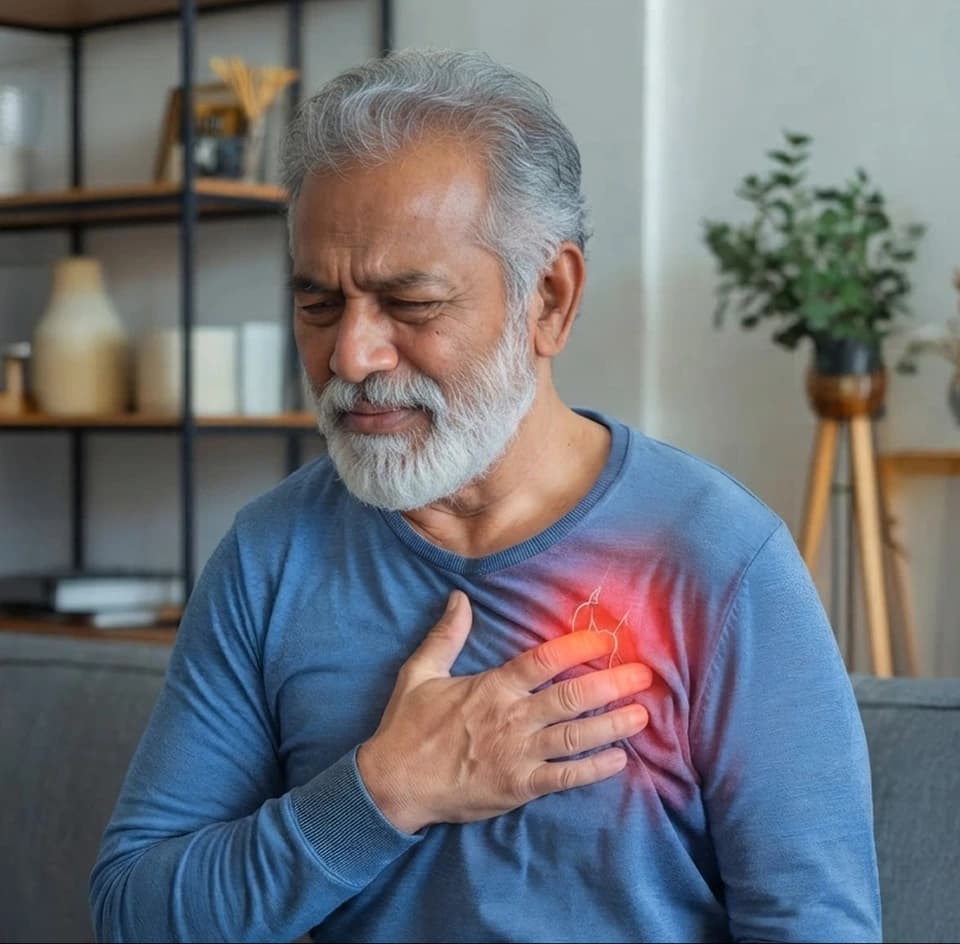
Chest pain is a symptom that most often points to ischaemia or arterial inflammation occurring beneath the surface. Madhavbaug's programme identifies and treats the underlying cardiac cause through an integrated clinical protocol rather than addressing only the symptom.
Cholesterol and triglyceride levels directly influence the rate at which arterial plaque forms. Managing them at Madhavbaug involves herbal oral therapy, a personalised cardiac diet, and Panchakarma detoxification designed to restore healthy lipid balance.
Sustained elevated blood pressure gradually damages artery walls, accelerates vessel blockage, and increases the heart's workload in ways that raise long-term cardiac risk without producing obvious symptoms in the early stages.
When the heart beats too slowly, the body does not get the blood flow it needs. Fatigue, dizziness, and breathlessness are some common signs that often go unnoticed for years. The programme identifies the underlying cause and works to restore a healthy heart rhythm through Ayurvedic therapies and supervised care.
LeafEligibility

Madhavbaug's SHS-Heart Disease Reversal Treatment: Who It Is For?

  • Individuals diagnosed with heart blockage, CAD, or reduced ejection fraction who want a non-surgical path to recovery
  • Patients recovering from angioplasty, bypass surgery, or a heart attack
  • Individuals with high cholesterol, hypertension, or diabetes whose cardiac risk is directly linked to metabolic imbalance
  • People experiencing chest pain, breathlessness, or reduced physical capacity that has not resolved with conventional medication
  • Individuals with a family history of heart disease looking for a medically supervised prevention programme
  • People seeking a scientifically validated, non-invasive treatment path to reduce dependence on lifelong cardiac medication
LeafOur Approach

Madhavbaug's Science-Backed Ayurvedic Approach To Reversing Heart Disease

Madhavbaug's proven cardiac programme helps you take back control of your heart without surgery. Most cardiac treatments focus on managing what is already visible. Madhavbaug's approach goes deeper, as it focuses on treating the conditions that gave rise to the disease in the first place. Every protocol is built around identifying those root causes, treating them through a coordinated clinical plan, and measuring outcomes at every stage.

1. Your Personalised SHS Treatment Plan

Sampoorna Hruday Shuddhikaran, or SHS, means complete purification of the heart. It is Madhavbaug’s proprietary cardiac protocol, developed over 20 years of clinical practice, and the foundation for heart disease care.

The protocol brings together Panchakarma for heart disease, advanced cardiac procedures, a personalised diet, and herbal medicines into one coordinated plan. Each component is selected after reviewing the patient’s diagnosis, test results, and disease stage. No two patients receive the same protocol.

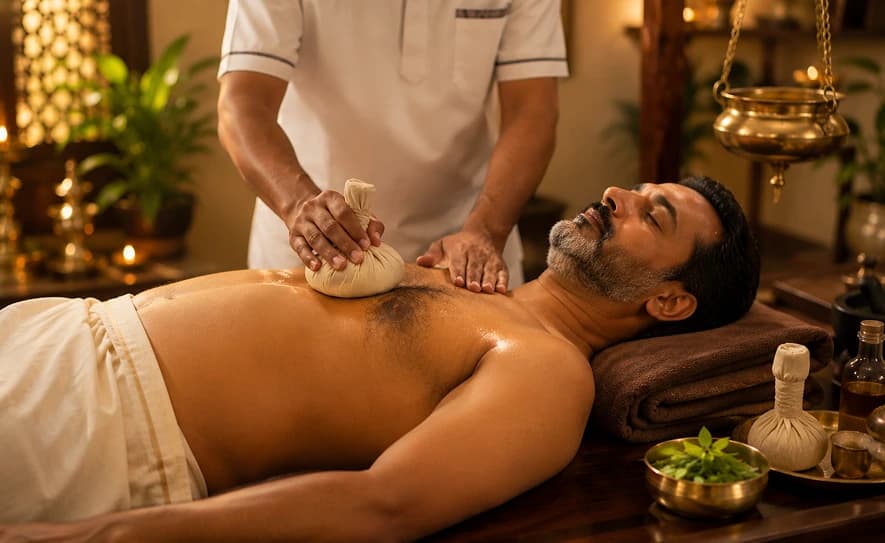
The Panchakarma therapies used in SHS are:

  • Snehan (Oil Therapy)
    Warm medicated oil is applied using centripetal strokes directed toward the heart, improving venous blood return, reducing cardiac workload, and supporting peripheral circulation.
  • Swedan (Steam Therapy)
    Medicated herbal steam helps open up blood vessels, reduces fluid and salt retention, and improves blood supply to the heart, benefiting patients with fluid buildup and breathlessness.
  • Hrudy Dhara (Cardiac Drip Therapy)
    Warm medicated liquid is poured in a slow, continuous stream over the chest, relaxing respiratory muscles, reducing chest tension, and promoting local vasodilation that improves blood supply to those muscles.
  • Basti (Herbal Enema)
    A cardiac-specific medicated preparation delivered rectally, bypassing the digestive tract for direct absorption into the bloodstream, allowing faster action that strengthens the heart muscle’s contractile function.


2. Oral Herbal Cardiac Medicines

Madhavbaug’s proprietary Ayurvedic formulations are prescribed alongside existing cardiac medications. The treating doctor selects each formulation based on the patient’s specific diagnosis and disease stage, ensuring the right combination for the right condition at the right time.

None of these formulations carries side effects, and existing medications are never altered suddenly. Any changes happen strictly under clinical supervision, adjusted gradually as the heart responds to treatment over time.

  • Endoguard
    Protects the inner lining of arteries and reduces inflammation at the vascular level, supporting long-term arterial health.
  • ARJ Tablet / Arj Kadha
    An Arjuna-based formulation that strengthens the heart muscle and supports healthy lipid levels throughout the body.
  • GHA / GHA Pro
    Reduces the heart muscle’s oxygen demand and supports improved blood supply, easing overall cardiac workload during recovery.
  • SM-CARD
    Stabilises heart rhythm and addresses palpitations and rapid heartbeat, helping restore a more regular cardiac rhythm.
  • Wincol Churna
    Supports healthy cholesterol levels and long-term arterial health, protecting against future plaque formation and related risk.

All formulations are prescribed in combination with one another, working together to support cardiac recovery at the muscle, arterial, and metabolic levels simultaneously, rather than addressing each concern separately, one at a time, throughout the treatment journey.

3. Cardiac Diet

At Madhavbaug, diet is a clinical prescription that actively participates in cardiac recovery, not a generalised plan. Every patient receives a dietary programme built around diagnosis, cholesterol, and metabolic profile.

Cardiac diet kits are set at 800 to 1000 calories per day. This range reduces metabolic load on the heart while clearing fat deposits from arteries and visceral tissue.

Excess sugar, not fat, is the primary driver of arterial inflammation and plaque formation. Carbohydrate intake stays low, and food is selected for antioxidant capacity.

Fresh salad, vegetables, and fruits are prescribed daily, providing the fibre, potassium, and vitamin C the cardiovascular system needs to recover.

Pure cow ghee is permitted in measured amounts. Refined oils, fried foods, and processed carbohydrates are excluded entirely from every stage of treatment.

Salt and fluid intake are restricted per the patient’s condition. Excess sodium and fluid increase cardiac workload and slow recovery.

Where diabetes, hypertension, or obesity are contributing factors, milk and milk products are removed as part of the metabolic correction protocol.

For confirmed CAD patients, the Reversal Diet Kit is prescribed, a medically supervised plan offering pre-portioned, ready-to-prepare meals with high antioxidant content, to manage cholesterol, reduce inflammation, and support cardiovascular health.

Meals are spaced at regular intervals throughout the day, preventing the blood sugar swings that can add unnecessary strain to the heart.

The diet plan is reviewed and adjusted periodically as the patient’s cardiac markers and weight change over the course of treatment.

4. Physiotherapy and Exercise

Exercise at Madhavbaug is prescribed as a clinical cardiac recovery tool, not a general fitness routine. Every protocol is designed around the patient’s current heart function, physical capacity, and diagnosis, and is supervised very closely by a physiotherapist throughout the entire course of treatment and full recovery.

The programme includes cardiovascular exercise to strengthen the heart muscle gradually and safely, resistance training to maintain a healthy weight and support overall metabolic function, and pranayama to reduce stress hormones, regulate blood pressure, and relieve sustained cardiac demand over time and across the full recovery journey ahead.

Each component is introduced at a careful pace matched to the patient’s current recovery stage, ensuring the heart is never placed under unnecessary strain while still steadily building meaningful functional improvement session by session, week by week, and steadily month by month, consistently.

Progress is measured through two objective markers, which are recorded on day one and again at every subsequent milestone throughout the programme. This consistent tracking allows the care team to adjust intensity and duration as the patient’s cardiac function improves, ensuring the exercise plan continues to match their evolving capacity rather than remaining static throughout the full duration of treatment and recovery.

Patients are educated on recognising early warning signs, such as unusual breathlessness or chest discomfort, so sessions can be paused immediately if needed.

A home-based exercise plan is also provided for days between supervised sessions, keeping recovery consistent throughout the week.

Vitals such as blood pressure and oxygen saturation are checked before and after each session to confirm the body is responding as expected.

5. Stress Management and De-addiction

Stress and addiction are treated as genuine contributors to heart disease at Madhavbaug, not side issues to be addressed later. Here is how they are actively managed as part of every patient’s overall care plan, alongside the rest of their ongoing cardiac treatment and full recovery ahead of them.

  • 90-Day Guided Meditation Programme
    Delivered through the MIB Pulse App, this structured programme helps reduce chronic stress and its cardiac impact over time, one guided daily session at a time, consistently and steadily.
  • Structured Pranayama and Yogasanas
    These daily practices help regulate heart rate, lower blood pressure, and reduce stress hormone levels, supporting the nervous system alongside the rest of the treatment plan.
  • Targeted Panchakarma Procedures
    Specific procedures are used to address stress at a deeper physiological level, working beneath the surface rather than only managing outward symptoms as they appear.
  • Proprietary Ayurvedic Formulations
    These are prescribed where clinically indicated to support the nervous system and reduce stress-related cardiac load, adjusted individually based on each patient’s condition and response over time.
  • Structured De-Addiction Protocol
    Running alongside the main treatment plan, this protocol addresses tobacco, smoking, and alcohol use, with patients counselled and closely monitored throughout their entire recovery journey and beyond.
LeafPatient Journey

What to Expect: The Patient Journey with Madhavbaug’s Heart Disease Reversal (SHS) Programme

1

Step 1: Diagnosis and Baseline Assessment

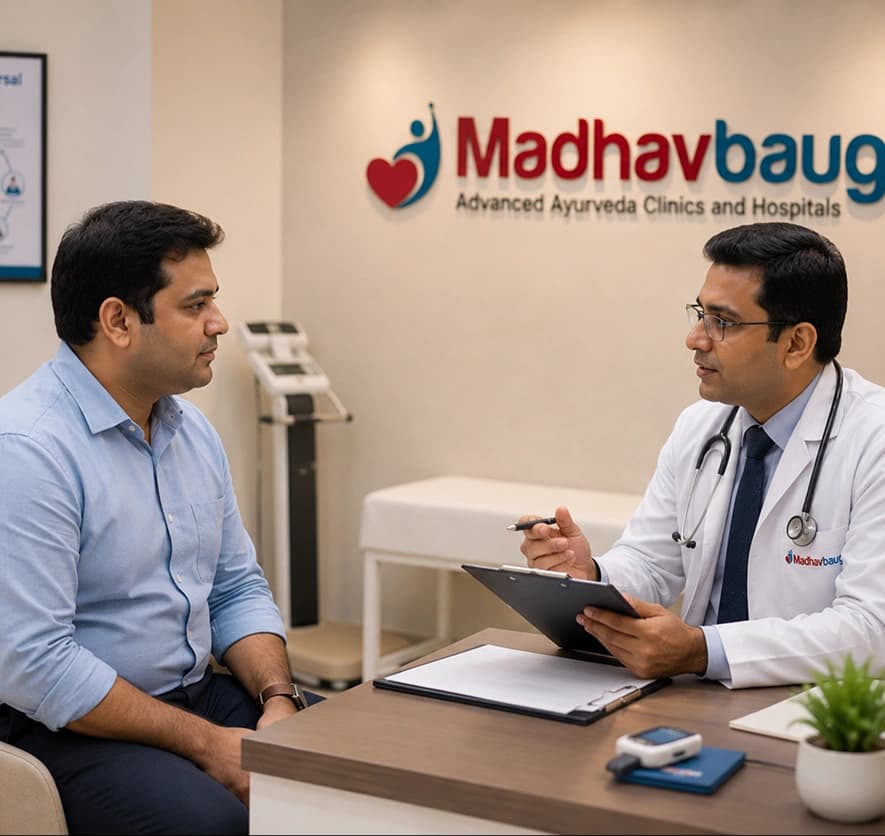
No two cardiac patients present the same way. Before any therapy is prescribed, a full cardiac workup is carried out to understand the exact nature of the condition. It includes tests like ECG, Treadmill Stress Test, Echocardiography, CT Angiography, and Lipid Profile . The results shape everything from the treatment plan, the diet, and the medicines to the monitoring parameters that will track recovery.

Step 1: Diagnosis and Baseline Assessment
2

Step 2: Treatment Begins

All components start together on Day 1. SHS Panchakarma sessions are carried out under medical supervision. The Reverse diet plan is initiated and tracked through the MIB Pulse App. Medicines are prescribed based on the patient's diagnosis and existing medications. A supervised exercise protocol begins under physiotherapy guidance. Dinacharya, covering daily habits, sleep, oral hygiene, and Abhyanga, is also formally prescribed as part of the recovery plan.

Step 2: Treatment Begins
3

Step 3: Ongoing Monitoring

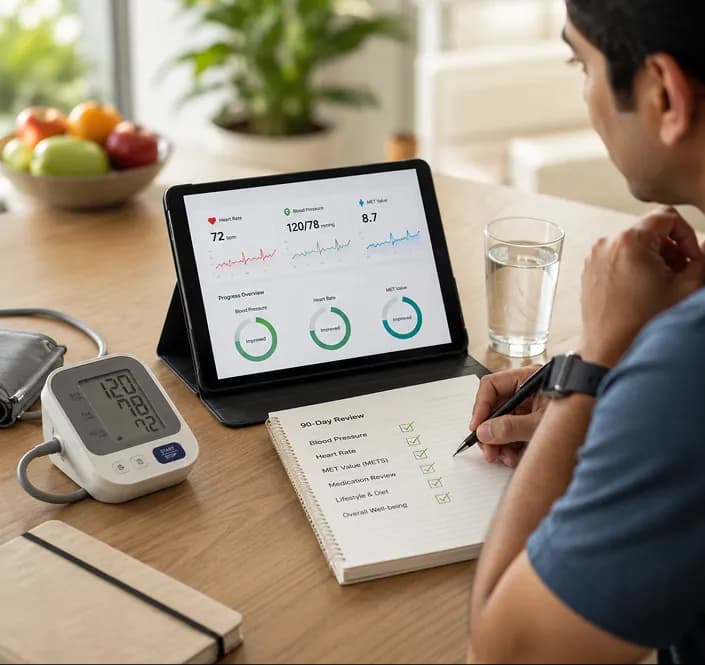
At every visit, current readings are placed alongside the Day 1 baseline. Heart rate, blood pressure, cholesterol, ejection fraction, VO₂ max, and MET value are all reviewed. The stress test is repeated at each milestone. If the numbers show a plateau, the protocol is adjusted.

Step 3: Ongoing Monitoring
4

Step 4: 90-Day Review

Ninety days in, a full reassessment is conducted across all key parameters. Where sustained improvement is confirmed, medicines are reviewed and tapered under supervision. Three clinical markers guide tapering decisions: blood pressure, heart rate, and MET value. How the patient feels is considered, but it is never the deciding factor on its own.

Step 4: 90-Day Review
5

Step 5: Maintenance

Recovery does not end with the last treatment session. Patients move into Navjeevan, Madhavbaug's long-term cardiac maintenance programme, where monitoring and periodic clinical review continue through the MIB Pulse App.

Step 5: Maintenance
LeafOur Tests

What Tests Does Madhavbaug Conduct to Track Your Path to Heart Disease Reversal?

Treadmill Stress Test and Duke Score

Treadmill Stress Test and Duke Score

This test shows how the heart actually performs under physical demand, and picks up reduced blood flow and early ischaemia. The results are used to calculate the Duke Treadmill Score. Both are repeated at every milestone to track recovery.

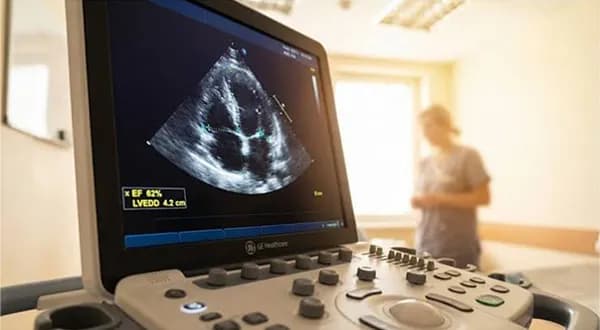
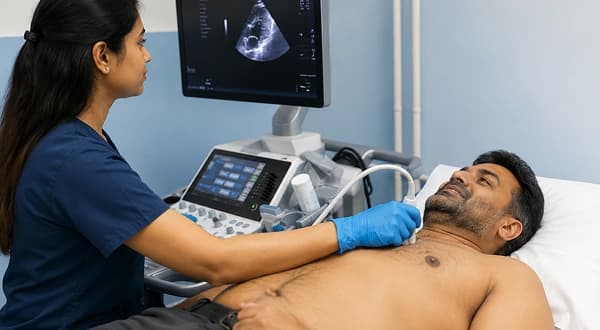
2D Echocardiography

2D Echocardiography

An ultrasound of the heart that evaluates its size, structure, valve function, and pumping capacity. Ejection fraction is measured here. A low reading is a direct indicator of a heart muscle under sustained strain.

ECG (Electrocardiogram)

ECG (Electrocardiogram)

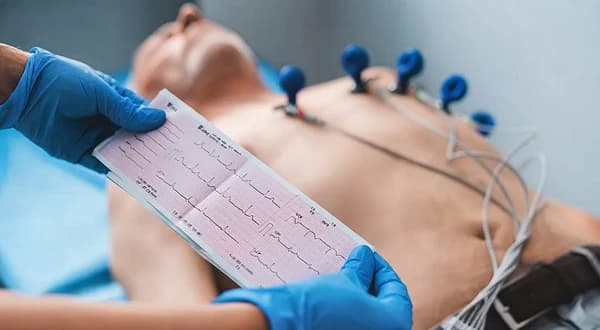
Detects irregular heart rhythms, signs of a previous heart attack, and early indicators of reduced blood supply to the heart muscle. It is one of the first tests conducted and repeated throughout the programme.

NT-proBNP

NT-proBNP

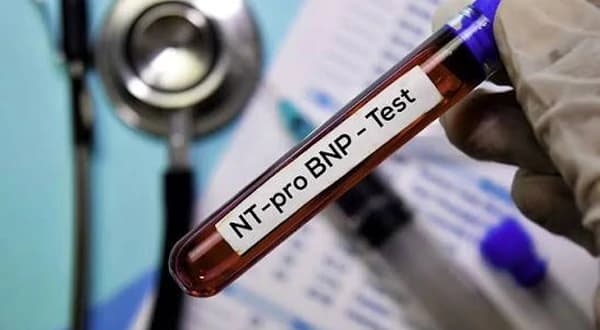
A blood test that measures a protein released by the heart when it is under excessive load. Elevated levels confirm heart failure and are used to track how the heart responds as treatment progresses.

Lipid Profile

Lipid Profile

Measures cholesterol and triglyceride levels. Both are primary drivers of arterial plaque. A downward trend in these values over treatment reflects a genuine reduction in underlying cardiovascular risk.

CT Coronary Angiography

CT Coronary Angiography

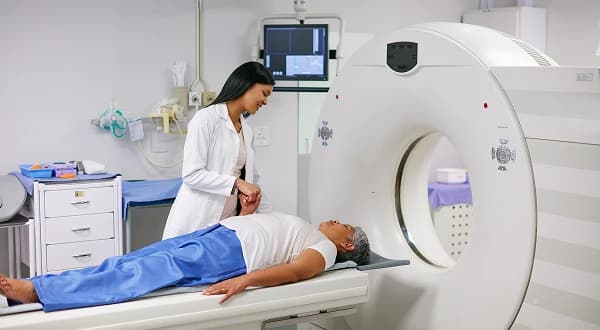
Produces a direct image of the coronary arteries and measures arterial plaque volume. Used in CAD cases to quantify blockage before treatment and confirm reduction at the 90-day review. Madhavbaug's clinical study recorded a 26.80% reduction in total plaque volume.

Ejection Fraction

Ejection Fraction

Measures the percentage of blood pumped out with each contraction. A healthy heart sits between 55 and 70 per cent. At Madhavbaug, 92% of patients recorded measurable improvement in ejection fraction after completing the programme.

VO₂ Max

VO₂ Max

The maximum oxygen the body can use during exertion. A rising value is one of the most reliable indicators that the heart is growing stronger. Madhavbaug's clinical data shows an average improvement of 10% across patients.

MET Value

MET Value

Measures the energy the body uses during physical activity. Improvement here reflects the heart's increasing ability to meet physical demand without strain. Both VO2 Max and MET value are retested at each milestone.

GLS Score (Global Longitudinal Strain)

GLS Score (Global Longitudinal Strain)

Uses 2D echocardiography to measure how much the heart muscle moves during contraction and relaxation. A lower GLS score can indicate early muscle dysfunction, even before more visible signs of heart failure appear.

Blood Pressure and Heart Rate Monitoring

Blood Pressure and Heart Rate Monitoring

Tracked continuously through the MIB Pulse app. Sustained elevation in either signals ongoing cardiac stress. Real-time data allows the treating team to catch changes early and adjust the protocol before they compound.

LeafWhy Choose Us

Why Choose Madhavbaug For Heart Disease Treatment?

Clinical Outcomes

10% increase in VO2 max, which means better cardiovascular fitness and oxygen utilisation. 40% greater overall improvement in heart failure patients receiving HFRT with routine treatment.

Recognised for Preventive Cardiology

Dr Rohit Sane, founder of Madhavbaug, was felicitated for his contribution to preventive cardiology by the Maharashtra health minister at the Economic Times World Heart Week Event.

Advanced Remote Monitoring

Real-time data sync via the proprietary Madhavbaug Digital App, connecting patients directly to a multidisciplinary expert team of cardiac experts, Ayurvedic specialists, and clinical dietitians.

Non-Invasive Excellence

Over 14 years of dedicated clinical experience providing non-surgical, non-invasive therapeutic reversal for chronic lifestyle and cardiac conditions.

Widespread Care Accessibility

Over 360 dedicated medical clinics and specialised hospitals are operating successfully across India, delivering personalised non-invasive cardiac care through a nationwide network.

Research-Backed, High-Quality Therapies

Evidence-based Panchakarma therapies are combined with advanced modern diagnostics and supported by more than 200 published research papers.

LeafCase Study

Case Study: From Care to Cure

At 63, Mr P came to Madhavbaug VIP Clinic, Vadodara, having already undergone angioplasty. His diagnosis included coronary artery disease, post-PTCA complications, and type 2 diabetes mellitus. His heart was pumping at just 35% capacity. Chest discomfort, breathlessness, and fatigue made even routine activity difficult. Under Dr Krupa Chatrodiya and Dr Bhoomi Fultariya, a personalised plan was built around Panchakarma therapies, dietary correction, and structured lifestyle changes. At the end of the programme, ejection fraction had risen from 35% to 55%. Blood pressure normalised. Blood sugar came under control. Physical fitness improved. All symptoms recorded at the time of admission had resolved by the end of the programme. The entire recovery was achieved without surgery or any invasive procedure.

LeafResearch Studies

What Research Has to Say about Madhavbaug's Heart Disease Reversal (SHS) Programme

Madhavbaug’s research team conducted a clinical study with 17 patients diagnosed with coronary artery disease, evaluating the effect of the Ischaemia Reversal Programme combined with a supervised dietary protocol over 90 days.

The Baseline Group (17 patients): Patients with confirmed coronary artery disease, with arterial plaque measured across the three main coronary arteries through CT coronary angiography before treatment began. Average body weight at the start of the study was 68.28 kg.

The Treatment: Patients followed Madhavbaug’s 90-day IRP protocol, a combination of targeted Panchakarma sessions and a calorie-restricted, high-antioxidant diet. No surgery. No invasive procedures. CT coronary angiography was repeated at the end of the programme to objectively measure any change in plaque volume.

The Results: At 90 days, the CT scan confirmed measurable reduction in arterial plaque across all three coronary arteries.

  • Total plaque volume reduced by 26.80%
  • High-density plaque, the denser, more dangerous form, was reduced by 30.19%
  • Low-density plaque reduced by 25.82%
  • Average body weight reduced from 68.28 kg to 63.97 kg

These results were confirmed by radiological imaging, the same technology used in standard cardiac diagnostics, to avoid bias in self-reporting. 

"The treatments and outcomes mentioned are based on clinical experience and patient-reported data. Results may vary. All treatments are administered under the supervision of qualified Ayurvedic physicians. This content is for informational purposes only and does not constitute medical advice."

LeafFAQs

Frequently Asked Questions

Yes, Madhavbaug's SHS programme targets the root cause of blockage, arterial inflammation, and plaque accumulation through Panchakarma detoxification and herbal medicines and modern diagnostics.In the majority of cases involving heart blockages, Madhavbaug's treatment protocol has helped patients avoid surgery entirely.
The SHS treatment at Madhavbaug includes Panchakarma therapy sessions, supervised physiotherapy, a structured cardiac diet, and oral herbal medicines. Progress is tracked through ECG, 2D echo, and VO2 max assessments throughout the programme. Every day is purposeful, and every result is measured.
Many patients report improvement in energy levels, reduced chest pain, and better exercise tolerance within the first programme. Clinically, 92% of patients observed improvement in ejection fraction and 86% achieved stress test negative status after Madhavbaug therapies.
Yes. Madhavbaug's Ayurvedic medicines are prescribed alongside your existing medications. Any reduction in medication dependency happens only under strict medical supervision as your cardiac health measurably improves, never as a sudden change.
Not at all. Madhavbaug's CAD management and post-bypass rehabilitation programmes are specifically designed for patients who have already undergone cardiac surgery or a heart attack. The goal is to prevent the next one, strengthen what surgery achieved, and give the heart a genuine path to long-term recovery.
Madhavbaug

Start Your Journey to a Medicine-Free Life with Madhavbaug

Don't just manage your condition. Overcome it. Take the first step toward sustainable, evidence-based chronic disease reversal.

Book a Consultation
Nearest CentresCall Now