


Insulin resistance
The body stops responding to insulin properly. Fat stored in the body becomes unavailable as an energy source, and the body continues to accumulate more.

Move beyond lifelong medication. Discover how Madhavbaug’s data-driven clinical care helps you address the root cause of weight gain.

 Overview
A weight loss management programme is a structured plan that combines Panchakarma, diet, physical activity, and medical support to help the body shed excess fat.
As per CDC guidelines, even modest weight loss, less than most people assume is needed, can meaningfully improve blood pressure, cholesterol, and blood sugar, which can lower the risk of heart disease, prediabetes, and type 2 diabetes.
Many programmes focus primarily on reducing weight without addressing the factors that may be contributing to weight gain. As a result, maintaining weight loss can be challenging over the long term.
This happens because calorie restriction alone may not address issues such as poor metabolism, hormonal changes, or unhealthy lifestyle patterns. When these underlying factors remain unaddressed, weight regain becomes more likely over time.
Madhavbaug takes a different approach. Through Ayurvedic treatment for weight loss, herbal formulations, a supervised diet, and real-time monitoring, it aims to support healthy metabolism and sustainable weight management. This non-surgical, non-invasive approach is designed to support long-term results.
CausesThe body stops responding to insulin properly. Fat stored in the body becomes unavailable as an energy source, and the body continues to accumulate more.

An underactive thyroid slows the body's ability to burn calories. Rising cortisol from prolonged stress pushes fat toward the abdomen. Both require clinical correction beyond dietary changes.

When digestion weakens, metabolic waste builds up as Ama, blocking the pathways through which fat is broken down and cleared from the body.

Refined carbohydrates, processed food, and irregular meal timing keep blood sugar unstable. The body produces more insulin to compensate, and more insulin means more fat storage.

Regular movement helps the body burn calories. When activity levels drop, weight gain becomes more likely.

Sustained stress elevates stress hormones in the body, increases appetite, encourages emotional eating, and directs fat storage toward the abdomen. Dietary restriction alone cannot fully address this.

Poor sleep disrupts the hormones that regulate hunger and fullness. Appetite increases and fat storage follows, creating a cycle that compounds over time.
Symptoms 
 DiagnosesRisks
Excess fat around the abdomen strains the body's ability to regulate blood sugar. Over time, this breaks down completely and Type 2 diabetes sets in.
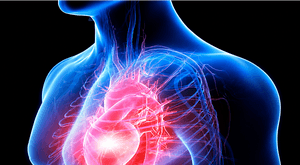
Excess weight raises LDL and triglycerides, while reducing HDL. It also increases inflammation in the blood vessels. Over time, it places added strain on the heart and increases the risk of cardiovascular complications.
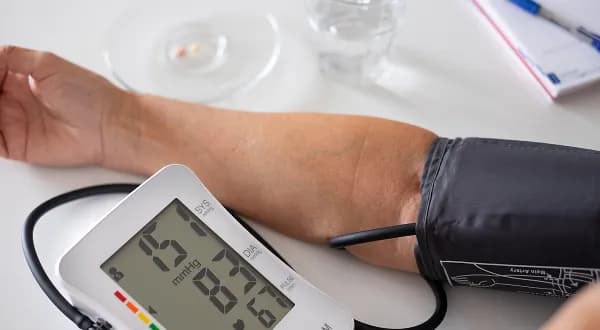
Excess weight forces the heart to work harder with every beat. Blood vessel walls stiffen gradually, and blood pressure rises, often proving difficult to control through medication alone.
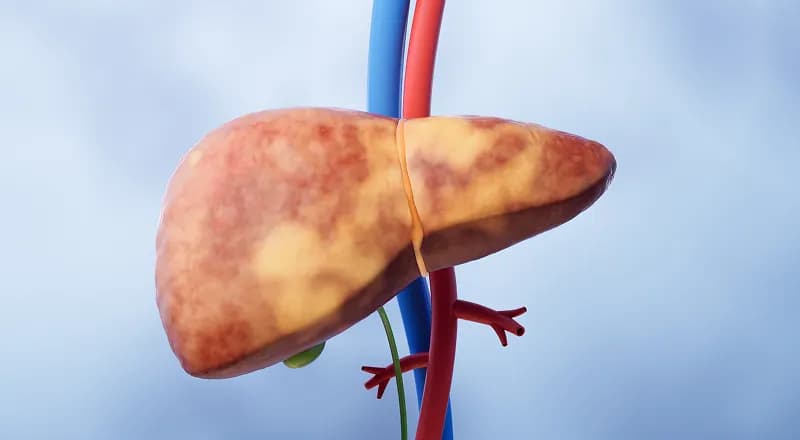
Fat builds up in the liver and affects how it processes cholesterol and blood sugar. Fatty liver disease has become one of the most common liver conditions in India.

Excess weight puts constant pressure on the knees and hips. Over time, this wears down the cartilage and increases the risk of early joint deterioration.

In women, unmanaged weight is closely linked to PMOS, irregular cycles, and fertility complications. In men, it contributes to declining testosterone and overall hormonal imbalance over time.

The cycle of failed weight loss attempts, persistent fatigue, and body image concerns takes a measurable toll on mental health. Depression and anxiety are more prevalent.
Our Approach
Four coordinated therapies work at different levels of fat metabolism to clear what has accumulated and restore the body’s ability to process fat efficiently.
A medically supervised diet plan based on calorie control, slow-release carbs, and Ayurvedic dosha balance. Each plan is personalised to your metabolic profile and BMI.
It helps stabilise blood sugar, improve digestion, and create the right conditions in your body for lasting fat loss.
Madhavbaug’s herbal formulations support fat breakdown, digestion, and cholesterol control as part of the weight loss programme.
Ayurvedic treatment combined with cardiac diagnostics to monitor and improve BMI, cholesterol, triglycerides, blood sugar, and heart function. Weight and heart health are closely connected conditions, and this component addresses both simultaneously.
Core-specific and aerobic exercises are matched to the patient’s current fitness level, including yoga and pranayama, which are adjusted progressively as capacity improves. Exercise is prescribed as a clinical tool for rebuilding the body’s capacity to burn fat, not as a general fitness recommendation.
Parameters are tracked at every visit, including weight, BMI, abdominal girth, blood pressure, blood sugar, and pulse rate. The clinical team adjusts diet and treatment intensity based on data throughout the programme, including when weight loss plateaus, so the protocol adapts rather than stalls.
Why Choose UsFAQsThe first step is finding out why weight is being gained. At Madhavbaug, a clinical assessment of blood sugar, hormonal function, and digestive health identifies the metabolic root cause before any treatment begins.
No. Rapid programmes achieve water and glycogen loss, which returns once normal eating resumes. Clinical observations at Madhavbaug show an average reduction of 4 kg in body weight within a month.
Address insulin resistance before cutting calories. Fix digestion, as sluggish digestion slows fat metabolism. Manage stress, since stress hormones drive fat toward the abdomen. Prioritise sleep, as poor sleep increases appetite and fat storage. Follow a structured maintenance plan, since weight regain is a biological response, not a personal failure.
The body slows metabolism and increases hunger after weight loss, making regain likely without a structured plan. Madhavbaug’s Navjeevan plans provide post-programme monitoring to track metabolic markers and sustain long-term results through ongoing clinical supervision via the mibPULSE App.
None of it. Panchakarma, herbal formulations, dietary correction, and structured exercise correct the body from within. No surgical or invasive procedures are involved at any stage.

Don't just manage your condition. Overcome it. Take the first step toward sustainable, evidence-based chronic disease reversal.