


Long-Standing High Blood Pressure
The biggest contributor to kidney disease risk from hypertension is blood pressure that stays uncontrolled for years, damaging the tiny vessels inside your kidneys.
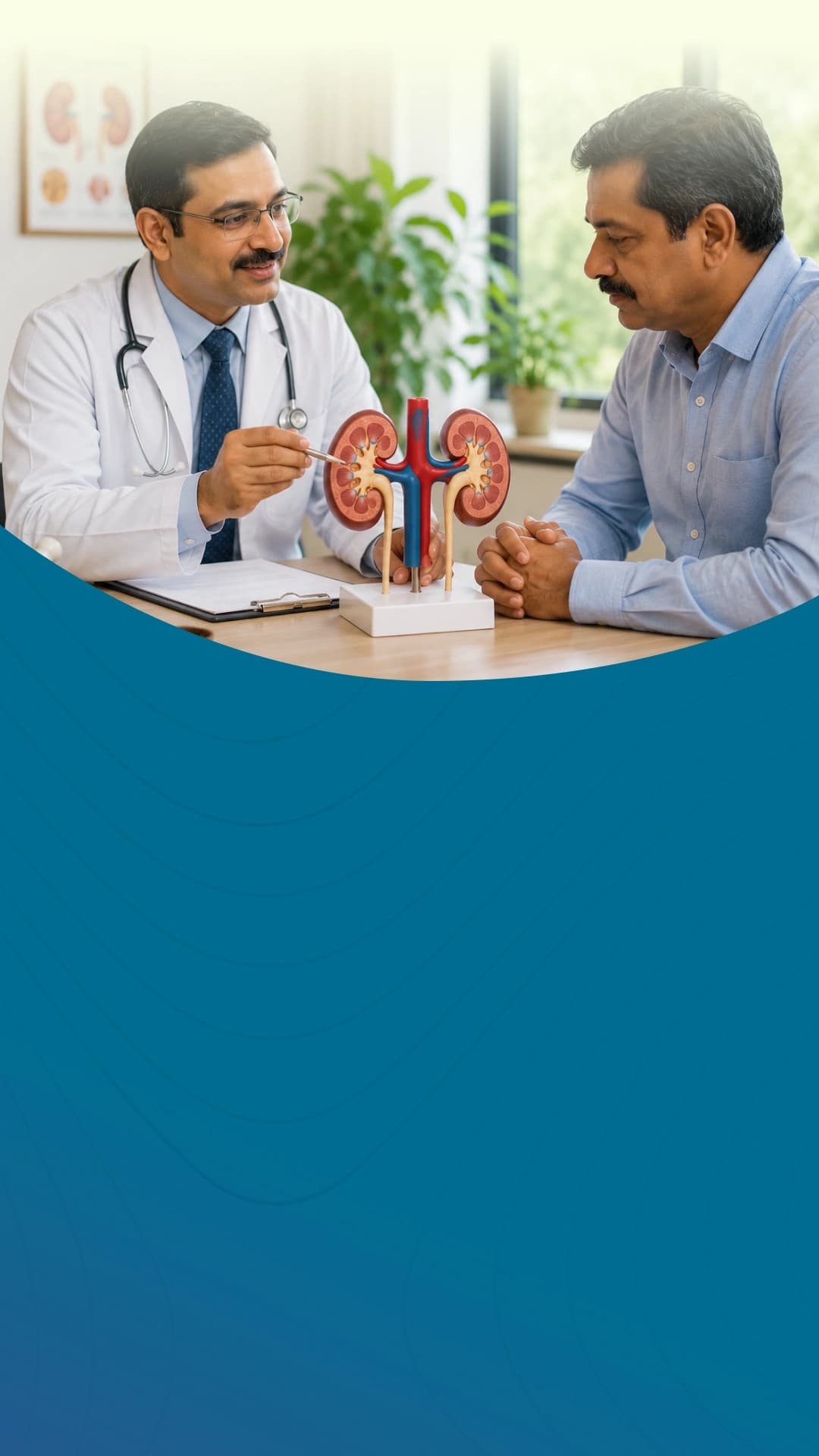
Move beyond lifelong medication. Discover how Madhavbaug’s data-driven clinical care helps you address the root cause of high blood pressure and Chronic Kidney Disease
 Overview
Hypertension is defined as a progressive cardiovascular syndrome characterised by a persistent and pathological elevation of systemic arterial blood pressure.
Chronic Kidney Disease (CKD) is scientifically defined as the presence of kidney damage or a decreased Glomerular Filtration Rate (GFR) below 60 mL/min/1.73 m², persisting for three months or longer regardless of the underlying cause.
High blood pressure and kidney disease are so closely linked that doctors often check one whenever they suspect a problem with the other. High blood pressure can slowly damage the tiny blood vessels inside your kidneys, while kidneys that are already struggling can push your blood pressure even higher. Over time, this back-and-forth strain is one of the most common reasons people end up with kidney damage due to high blood pressure and reduced kidney function.
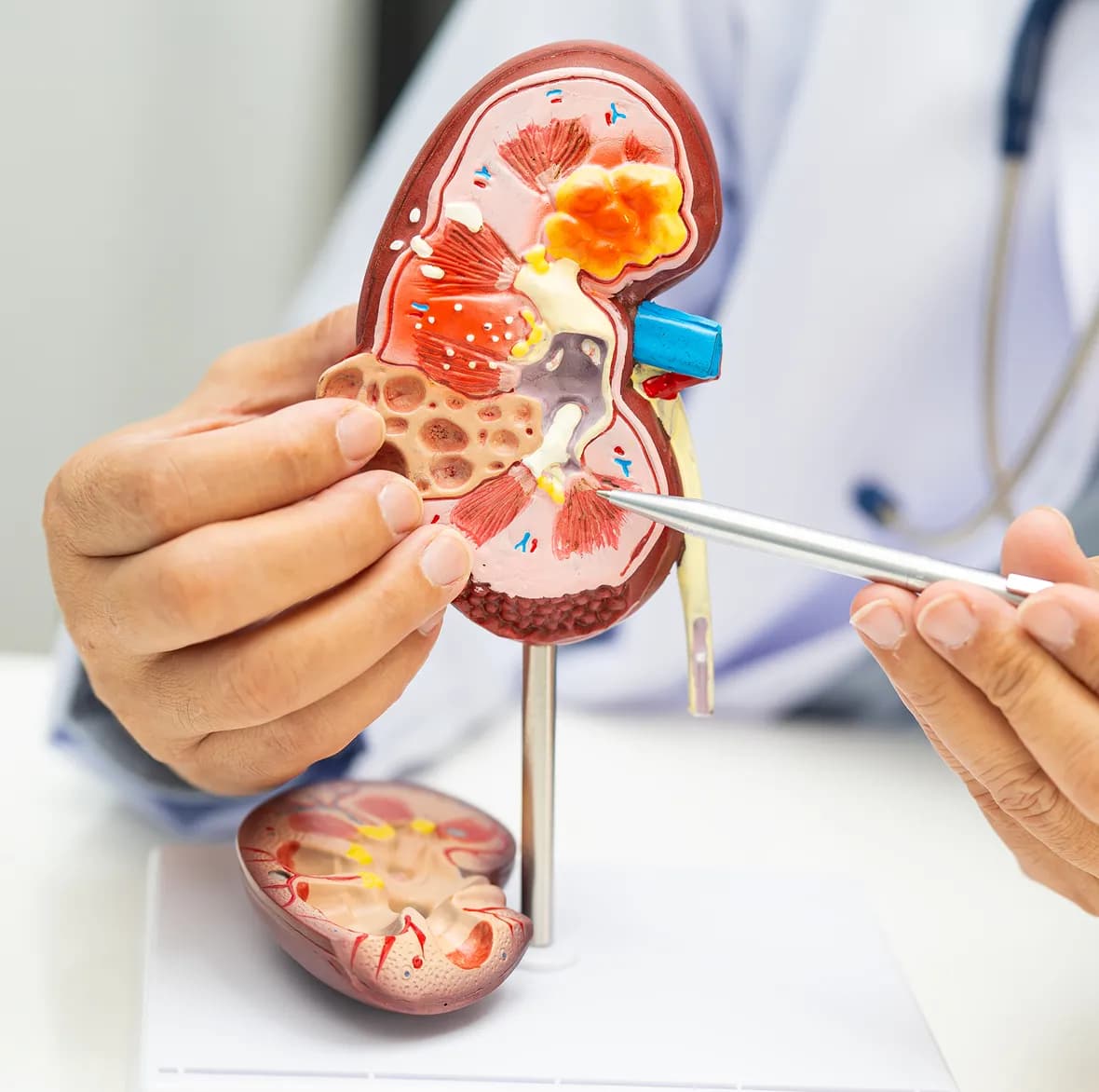
Think of your kidneys as a pair of delicate filters made up of millions of tiny blood vessels. Their job is to clean waste out of your blood and keep your fluid and salt levels balanced. When blood pressure stays high for years, it gradually thickens and narrows these tiny vessels, a condition doctors sometimes call ‘hypertensive nephropathy’ or ‘hypertension nephropathy’ in everyday terms. As fewer healthy filtering units remain, your kidneys become less efficient at clearing out waste, which is what we call chronic kidney disease.
This is why doctors place so much importance on blood pressure control for kidney health, since kidney protection in hypertension depends heavily on keeping your numbers steady. The right hypertension and kidney disease treatment, started early, can often slow down how quickly kidney function declines and help protect the filtering units that are still working well.
 Ayurveda
Ayurveda includes four types of Ashmari (~calculi and urinary lithiasis), 13 types of Mutraghata (~obstructive and suppressive uropathies), eight types of Mutrakrichha (~dysuria), and 20 types of Prameha (~metabolic disease) in Mutravikara (~disorders of urinary system). Among the 12 types of Mutraghata described by Acharya Sushruta, CKD may be comparable to Mutrakshaya, Mutrasada. Acharya Sushruta opines that Mutrakshaya occurs in Ruksha and Klanta (~rough and exhausted) person, when vitiated Pitta and Vata (~bodily humour) located in the urinary bladder causes decreased urine production with burning sensation and pain.
CausesThe biggest contributor to kidney disease risk from hypertension is blood pressure that stays uncontrolled for years, damaging the tiny vessels inside your kidneys.
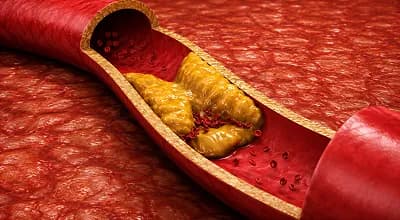
High blood sugar levels, especially when combined with high blood pressure, speed up damage to the same small blood vessels that your kidneys depend on for filtering.
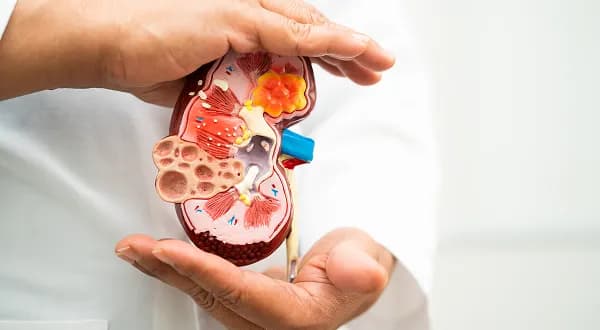
Chronic high BP scars the kidneys' tiny filters, reducing their ability to clean blood. This common cause of kidney damage often develops silently without early symptoms.

A diet high in salt makes your body hold on to more fluid, which raises blood pressure further and adds extra pressure on kidneys that may already be under strain.

Frequent or long-term use of certain over-the-counter pain relief medicines can place additional stress on the kidneys, especially when blood pressure is already high.
A family history of kidney disease or hypertension, combined with extra body weight, raises the chances of developing hypertension and chronic kidney disease earlier in life.
Symptoms 
 DiagnosesRisks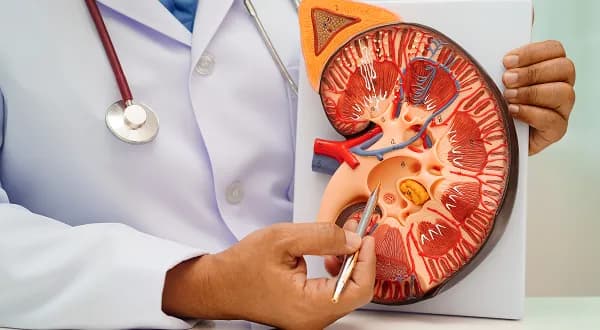
If left unmanaged, hypertension and chronic kidney disease can progress to the point where the kidneys are no longer able to keep up with the body's needs, eventually requiring dialysis or a transplant.

Struggling kidneys can have trouble keeping potassium, sodium, and other minerals balanced in your blood, which can affect your heart rhythm and overall energy levels.
When kidneys cannot remove enough fluid, it can build up around your lungs and heart, making you feel breathless and putting extra strain on your heart.
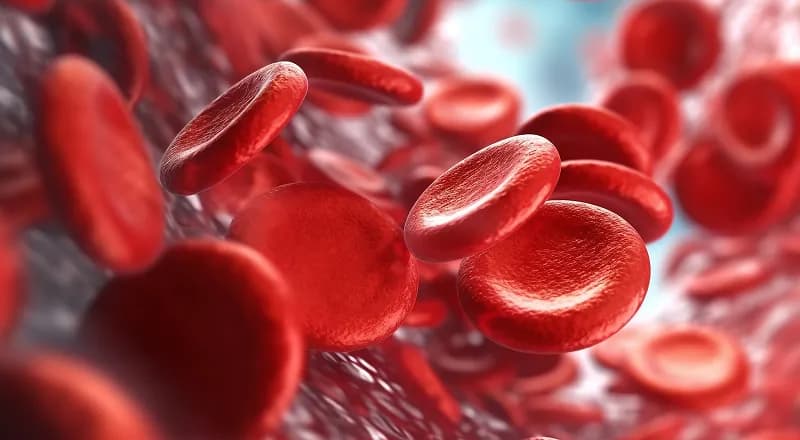
Reduced kidney function often means lower levels of the hormone that signals your body to make red blood cells, leading to ongoing fatigue and paleness.

Hypertension and chronic kidney disease often raise each other's risks, and together they significantly increase the chances of heart related complications down the line.
Our Approach
At Madhavbaug, a wearable device called Ambulatory Blood Pressure Monitoring, or ABPM, is used for tracking your blood pressure for a full 24 hours. This gives us a much clearer picture than a single clinic reading and helps us catch patterns that are easy to miss.
When blood pressure stays high for a long time, your blood vessels become stiff and narrow. Our Panchakarma therapies are designed to clear out internal toxins, known in Ayurveda as Ama, and ease the load on your heart.
This is a nutrition plan supervised by our doctors and based on the well-known DASH (Dietary Approaches to Stop Hypertension) diet, designed to ease the load on your blood vessels.
Madhavbaug uses carefully measured Ayurvedic medicines that support healthy blood pressure without harmful side effects.
Every exercise plan we design at Madhavbaug is based on your age, fitness level, and medical history, so it’s safe and effective for you specifically. It combines light cardio, therapeutic yoga, and breathing exercises (Pranayama) to help:
Long-term stress keeps your body stuck in fight or flight mode, and it’s one of the biggest reasons blood pressure stays high. To help keep your numbers stable over time, we build stress relief into your daily routine through:
Why Choose UsFAQsHigh blood pressure damages the tiny blood vessels inside your kidneys over time, reducing their ability to filter waste properly. This is one of the leading causes of chronic kidney disease, alongside diabetes.
Kidney damage that has already occurred usually cannot be fully reversed, but with proper blood pressure control, the right diet, and timely care, the speed of further decline can often be slowed down significantly, helping you protect the kidney function you still have.
Yes, when supervised by qualified doctors. At Madhavbaug, our ayurvedic therapies and herbal support are designed to work alongside your nephrologist’s treatment plan, not replace it, and are adjusted based on your current kidney function.
A low sodium diet with carefully managed protein and potassium intake makes a big difference, along with staying well hydrated as advised by your doctor and avoiding unnecessary painkillers that can stress the kidneys further. Lifestyle management for CKD works best when diet, exercise, and consistent blood pressure monitoring are followed together as a daily routine.
Since blood pressure and kidney function affect each other closely, regular monitoring is important, often more frequently than for someone without kidney concerns. At Madhavbaug, we use ABPM and other tools to track your numbers closely and adjust your treatment plan accordingly.

Don't just manage your condition. Overcome it. Take the first step toward sustainable, evidence-based chronic disease reversal.