


Insulin Resistance
The main cause of type 2 diabetes. When the cells in the muscles, liver and fat tissue stop responding to insulin, the pancreas makes more of it until it finally wears out and the blood glucose levels rise.
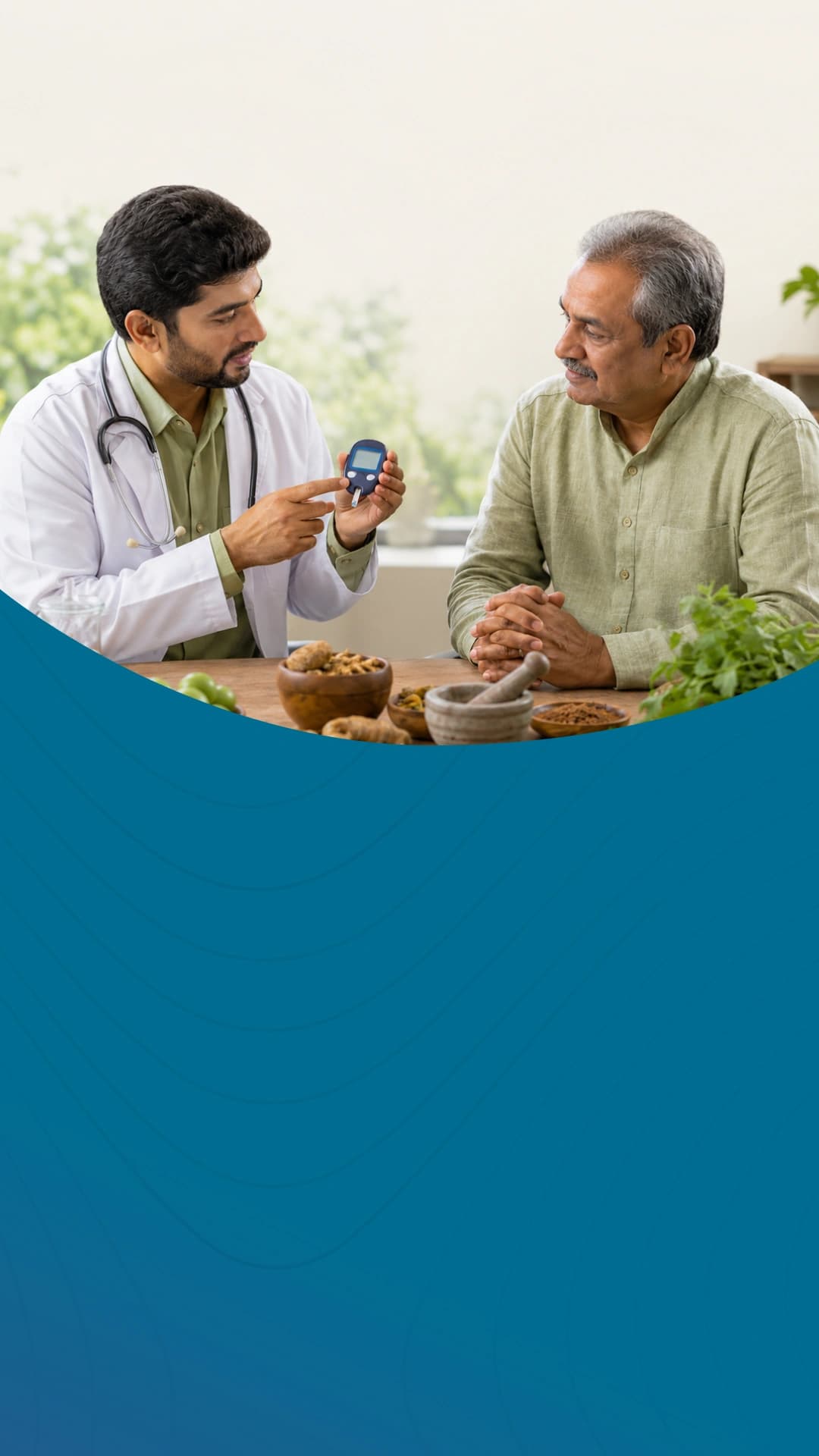
Discover how Madhavbaug’s data-driven clinical care helps you address the root cause of your type 2 diabetes symptoms.
 Overview
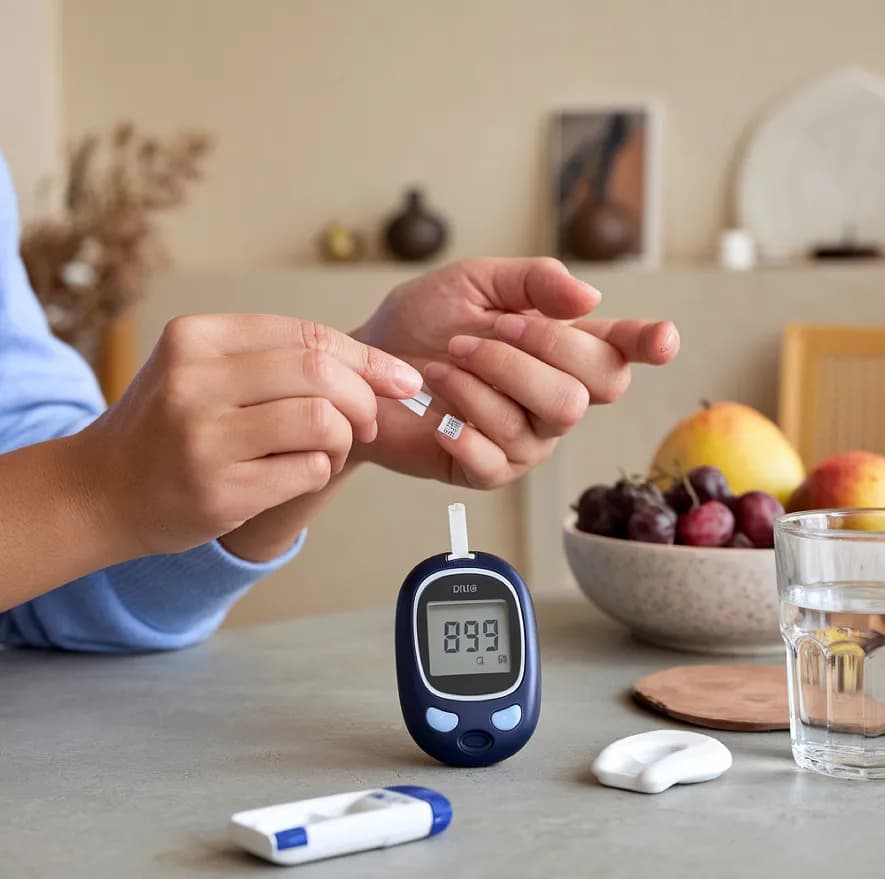
According to the World Health Organization (WHO), Type 2 diabetes mellitus is a chronic metabolic disorder characterised by hyperglycaemia (elevated blood sugar). It arises when the body either does not produce enough insulin or becomes resistant to the insulin it produces.
Insulin is a hormone that is produced by the pancreas which helps with the transfer of glucose into the cells to turn them into energy. While Type 1 diabetes is considered an autoimmune disease, type 2 diabetes is a result of insulin resistance.
India is the ‘Diabetes Capital of the World’ according to the International Diabetes Federation (IDF), with over 101 million people living with diabetes. Globally, type 2 diabetes accounts for over 90% of all diabetes cases. Clinically, Type 2 Diabetes is diagnosed when fasting blood glucose is ≥ 126 mg/dL, or HbA1c (3-month average blood sugar) is ≥ 6.5%, or Post-meal (2-hour) blood glucose is ≥ 200 mg/dL
Conventionally, this is considered a lifelong condition managed by medication, but emerging clinical evidence and Madhavbaug’s Ayurvedic treatment for Type 2 diabetes suggest that type 2 diabetes can be significantly reversed or put into remission with the help of targeted lifestyle, dietary and therapeutic interventions that restore insulin sensitivity.
 Ayurveda
There are 20 subtypes of Prameha due to the interaction of the three Doshas and 10 Dushyas (disturbed functioning of the principles that support the various bodily tissues); several of these subtypes have sweet urine, whereas some of them have different urine colours, highlighting the inflammatory conditions involved in the metabolic syndrome.
This disease has close ties to Sthaulya (i.e., obesity). Apathyanimittaja Prameha (condition caused by consuming a faulty diet and following an unhealthy regimen) correlates with type 2 diabetes. Madhumeha is a subtype of Vataja Prameha (Prameha with Vata predominance) that can occur as the terminal stage of type 2 diabetes (in which insulin is required).
CausesThe main cause of type 2 diabetes. When the cells in the muscles, liver and fat tissue stop responding to insulin, the pancreas makes more of it until it finally wears out and the blood glucose levels rise.

A diet rich in refined carbs, added sugar, processed foods and trans fats raises insulin levels, promotes fat buildup in the liver and pancreas, and gradually weakens blood sugar control over time.

Lack of regular physical activity reduces the body's ability to use glucose for energy. Underused muscles become less responsive to insulin, making blood sugar control more difficult over time.

Visceral fat around the abdomen and organs releases inflammatory chemicals that disrupt insulin action, making obesity one of the biggest preventable risk factors for type 2 diabetes.
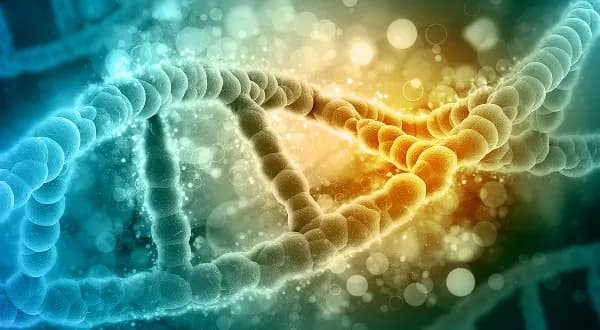
Having a parent or sibling with type 2 diabetes raises your risk. Certain genes affect insulin and glucose control, but unhealthy diet and lifestyle often trigger their harmful effects.

Chronic stress raises cortisol and adrenaline, increasing blood sugar and insulin resistance. Poor sleep also disrupts glucose metabolism, raising the long-term risk of type 2 diabetes.

Conditions like PCOS, hypothyroidism and Cushing's syndrome disturb hormone balance, affecting glucose regulation and increasing the risk of developing type 2 diabetes over time.
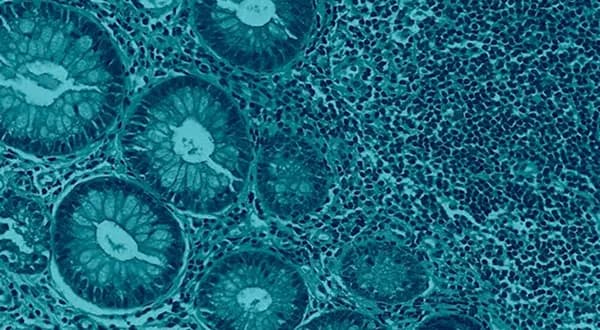
An unhealthy gut microbiome, often caused by processed foods and frequent antibiotic use, can increase inflammation, impair insulin response and raise the risk of type 2 diabetes.
Symptoms 
 Diagnoses
Answer 6 quick questions about your diabetes profile and get your personalised score in under 2 minutes.
Risks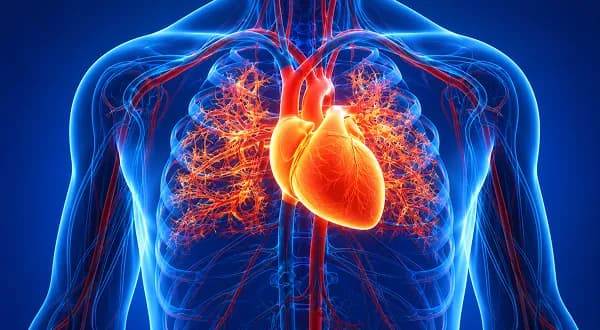
People with type 2 diabetes are 2 to 4 times more likely to develop heart disease or have a stroke. High blood sugar levels over time damage blood vessels, cause arteries to stiffen and cause atherosclerotic plaques to form.
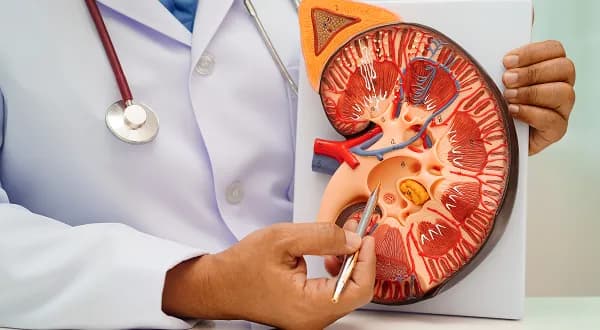
High blood sugar slowly damages the kidneys' tiny filters, reducing their function over time. Uncontrolled diabetes is a leading cause of chronic kidney disease and dialysis.

Diabetes causes damage to the retinal blood vessels and can gradually impair vision, causing blindness potentially.
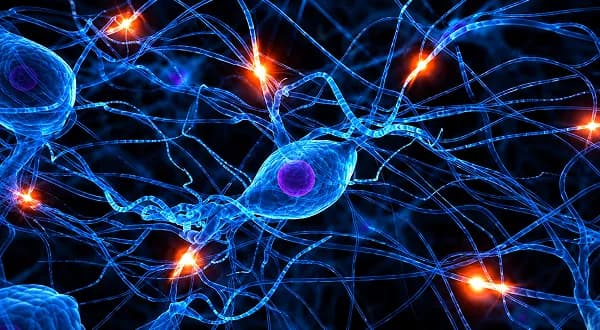
Persistently elevated blood sugar damages peripheral nerves, leading to numbness, burning, tingling, pain, or loss of sensation, particularly in the feet.
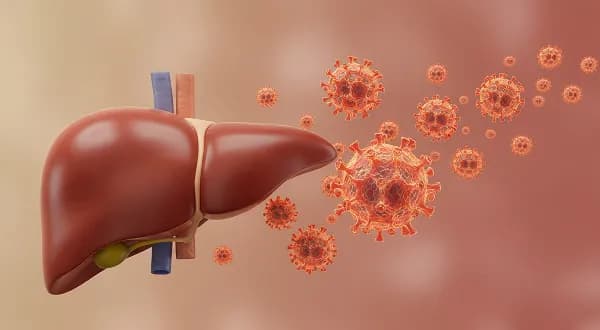
Insulin resistance causes fat to build up in the liver. Over time, this can lead to inflammation, scarring and cirrhosis, reducing the liver's ability to function normally.

Diabetes weakens immunity and reduces blood flow, increasing the risk of bacterial and fungal infections while slowing wound healing, especially in the feet.

Fluctuations in blood sugar and chronic illness management can induce common mental health conditions.

Chronic insulin resistance and abnormalities in brain glucose metabolism increase the risk of dementia and Alzheimer’s disease.
Our Approach
Are time-tested Ayurvedic treatments that reduce stubborn body fat and help your body use insulin properly again. Through gentle oilation, heat therapy, and targeted herbal medicines delivered directly to where they’re needed most, these therapies work to restore your pancreas, improve blood circulation, and naturally bring your blood sugar under control.
Is a personally guided, 28-day meal plan of 800 carefully chosen calories, not a crash diet, but a medically designed eating plan that nourishes your body along with shedding harmful fat stored around the liver and pancreas, which is one of the key drivers of diabetes.
Are proprietary, high-quality Ayurvedic formulations that gently repair your pancreas; protect your kidneys, nerves, and eyes; and stabilise your blood sugar, all without harmful side effects.
Combines simple daily cardio, strength training, yoga, and breathing exercises tailored to your body type, helping reverse muscle loss, reduce stress hormones, and restore your body’s natural ability to regulate blood sugar. Diabetes lifestyle management tips are also provided.
Why Choose UsFAQsType 2 diabetes is a chronic metabolic condition where the body either doesn’t produce enough insulin or can’t use it effectively, causing blood sugar levels to remain persistently high. Unlike Type 1, it develops gradually, largely influenced by lifestyle, diet, and genetic factors.
Managing type 2 diabetes requires a combination of dietary changes, regular physical activity, stress management, and, where necessary, medication. Addressing the root cause through structured clinical care, rather than simply controlling blood sugar numbers, offers the best long-term outcomes.
Type 1 diabetes is an autoimmune condition where the body produces little to no insulin and requires lifelong insulin therapy. Type 2 diabetes develops when the body becomes resistant to insulin or stops producing enough of it and is strongly linked to lifestyle factors, making it largely preventable and, in many cases, reversible.
Yes. While it develops silently, uncontrolled type 2 diabetes can lead to severe complications, including heart disease, kidney failure, vision loss, and nerve damage. The encouraging reality, however, is that with the right intervention it can be effectively managed and, in many cases, reversed before complications take hold.
It can be put into remission with blood sugar returning to normal without medication through targeted lifestyle changes and clinical care. Many patients sustain this for years. The earlier it’s addressed, the better the chances of lasting reversal.
Don't just manage your condition. Overcome it. Take the first step toward sustainable, evidence-based chronic disease reversal.