

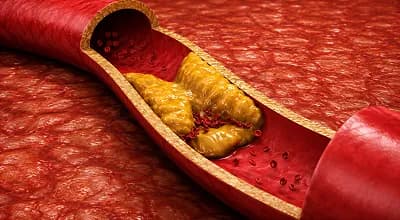
Atherosclerosis
Plaque accumulating along coronary artery walls is the primary cause. As the passage narrows, less oxygen reaches the heart muscle.

Move beyond lifelong medication. Discover how Madhavbaug’s data-driven clinical care helps you address the root cause of your ischaemic heart disease symptoms.
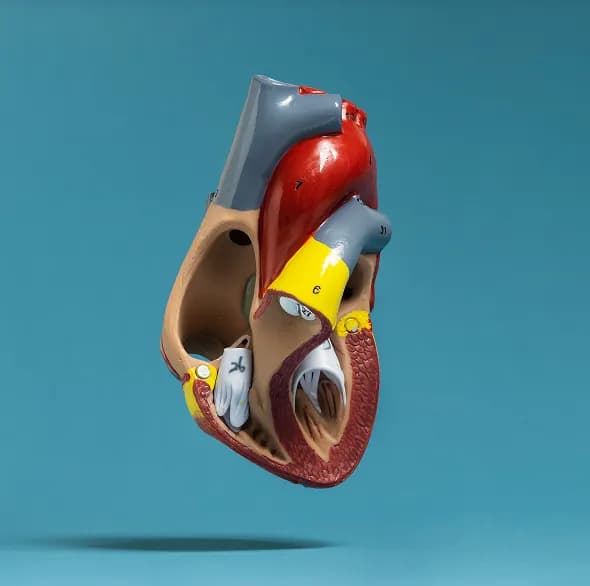
 Overview
Ischemic Heart Disease (IHD), as defined by the American Heart Association, occurs when the heart muscle doesn’t receive enough blood flow to meet its oxygen and nutrient demands due to changes in the coronary circulation. It can present as either a sudden, temporary episode or a long-term chronic condition and may result from functional changes in blood flow or from underlying structural disease in the arteries.
In easy words, it refers to a heart problem caused by narrowed heart (coronary) arteries that supply blood to the heart muscle. Although the narrowing can be caused by a blood clot or by constriction of the blood vessel, most often it is caused by buildup of plaque, called atherosclerosis. When the blood flow to the heart muscle is completely blocked, the heart muscle cells die, which is termed a heart attack or myocardial infarction (MI).
 Ayurveda
Ayurveda has described heart-related disorders (Hridroga) with detailed clinical observations by classical scholars like Charaka, Sushruta, and Vagbhata. The heart (Hridaya) is considered a vital organ and is described as the Moola (root) of Pranavaha Srotas, playing an important role in maintaining the flow of Prana (life energy) and essential functions of the body. Any disturbance in the normal functioning of these pathways can affect the nourishment and activity of the heart.
Ayurveda has studied heart health for centuries, viewing the heart as the root of Prana, the body’s life energy. It explains conditions like ischemic heart disease through disturbed body channels, which are often caused by poor diet, stress, and unhealthy habits that block circulation and stop the heart from being properly nourished. This disruption is believed to unsettle the body’s natural balance, showing up as chest discomfort, pain, and heaviness, symptoms closely resembling what we now know as ischemic heart disease. At its core, Ayurveda’s approach is preventive which is focused on balanced diet, lifestyle, and catching early warning signs before problems fully develop.
CausesPlaque accumulating along coronary artery walls is the primary cause. As the passage narrows, less oxygen reaches the heart muscle.
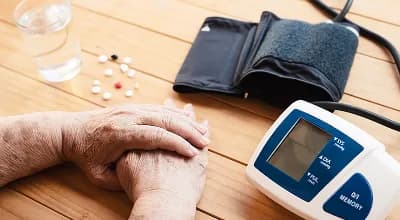
Persistent high blood pressure damages artery walls and increases the workload on the heart at the same time

Chronically high blood sugar is corrosive to blood vessels. It stiffens them, damages the lining, and significantly raises IHD risk.
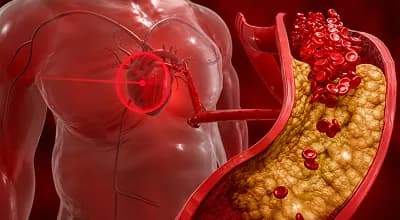
Elevated LDL and triglycerides feed plaque formation and narrow arteries further with every passing year.

Fat stored around the organs generates the kind of sustained inflammation that quietly damages coronary arteries from the inside

Damages the arterial lining directly, promotes clot formation, and reduces the amount of oxygen blood can carry

Physical inactivity reduces the heart's tolerance for exertion. A poor diet keeps the metabolic conditions for arterial damage in place

A family member with early heart disease raises personal risk considerably, even with a relatively healthy lifestyle
Symptoms 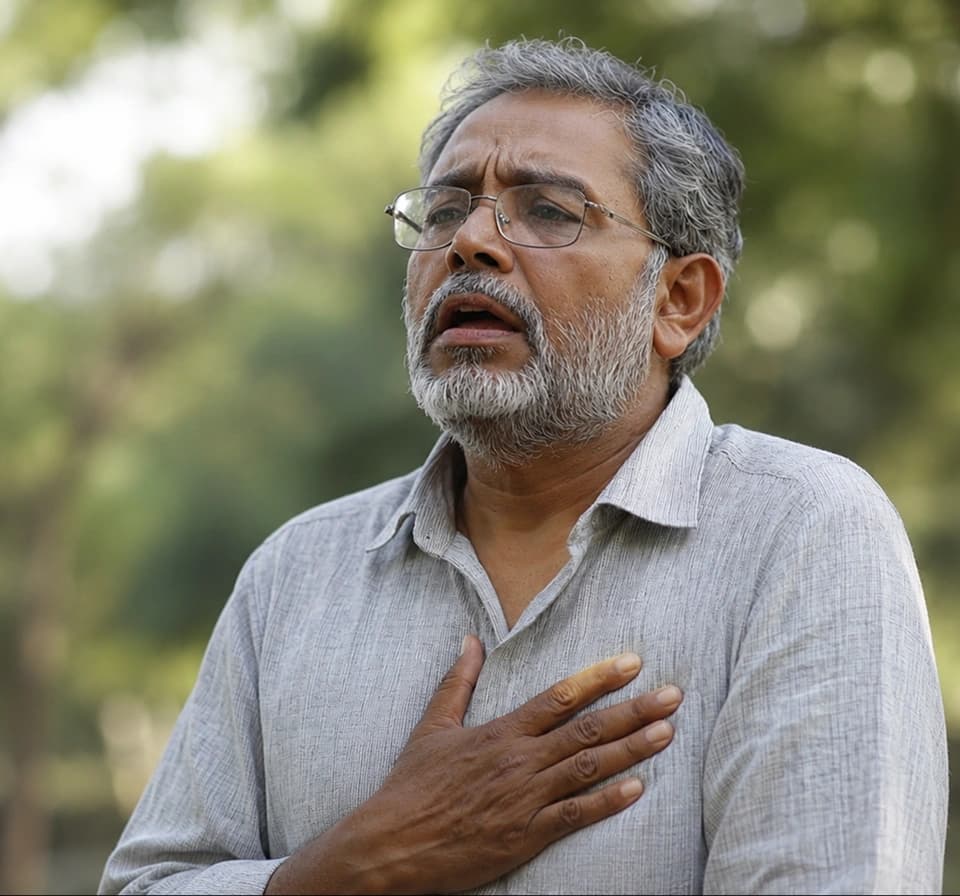
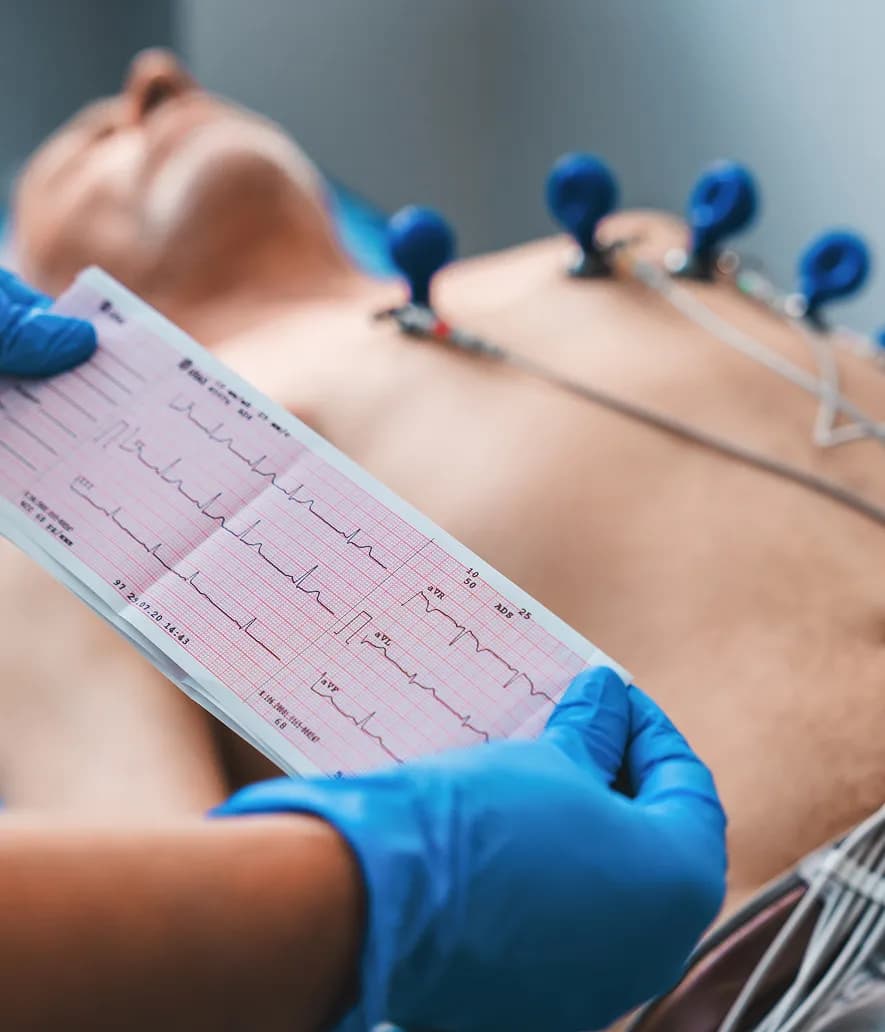 DiagnosesRisks
A piece of unstable plaque ruptures, a clot forms in seconds, and the blood supply to part of the heart muscle is cut off completely, resulting in a heart attack

Years of reduced blood flow gradually weaken the heart muscle until it can no longer pump effectively

ischaemic damage to the heart's electrical pathways creates conditions for irregular rhythms.

In severe ischaemia, the heart can stop suddenly and without warning
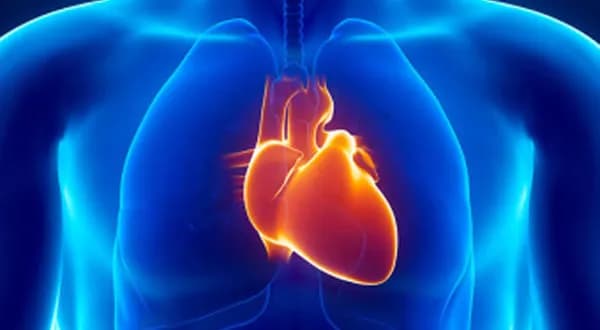
Heart muscle does not regenerate well. The longer the oxygen deprivation, the more of that damage becomes irreversible
Fatigue, breathlessness, and reduced physical tolerance worsen over time. The longer it is left, the fewer options remain.
Our Approach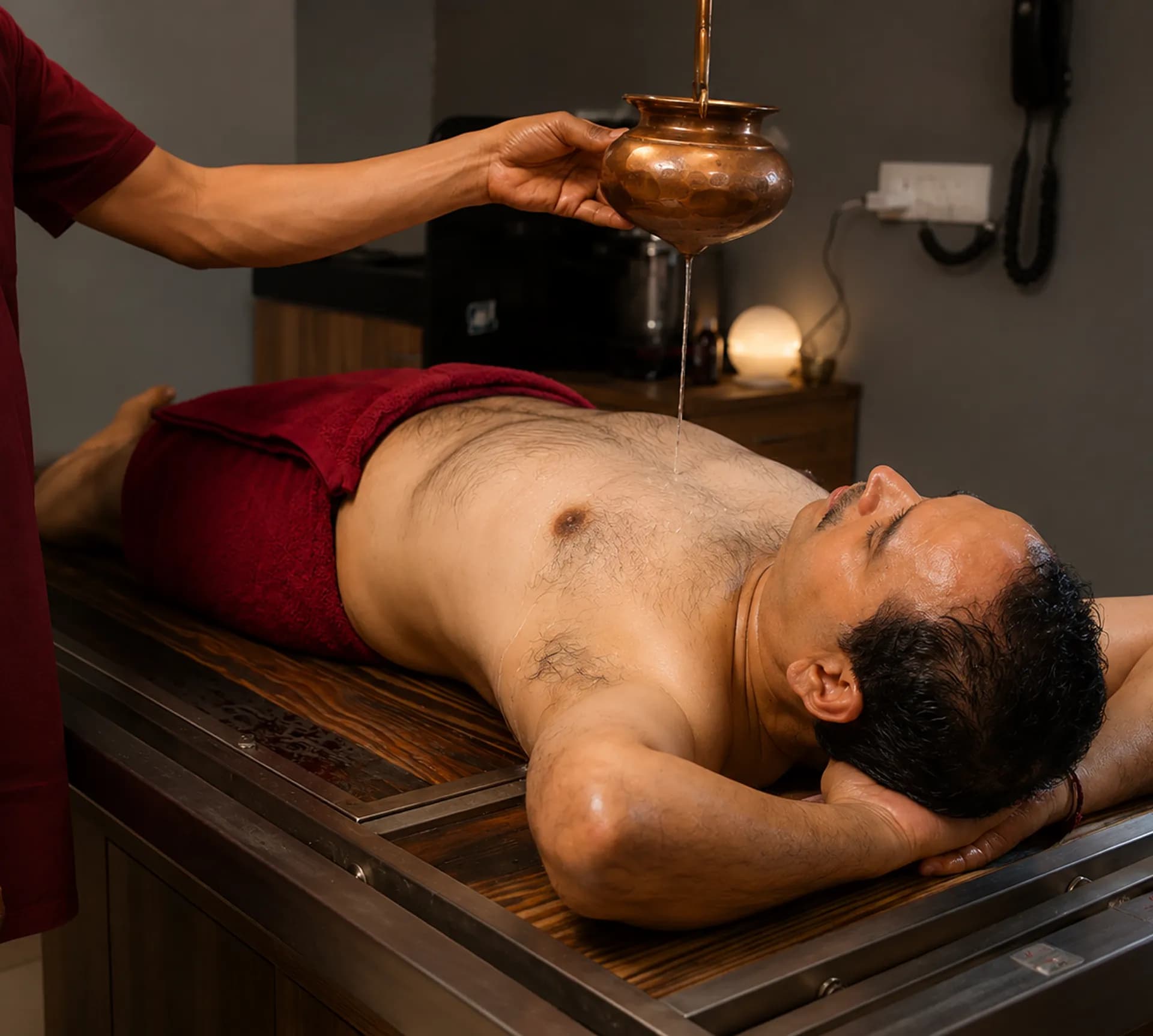
Treatment starts with a full clinical baseline.
IRP is Madhavbaug’s dedicated clinical programme for ischaemic heart disease, built on SHS (Sampurna Hridaya Shuddhikaran), Madhavbaug’s proprietary Ayurvedic cardiac therapy.
A multidisciplinary team reviews each patient’s diagnostic findings and builds a plan around their specific stage of ischaemia, health history, and risk profile.
A study was also carried out at Madhavbaug Heart Research Centre, Thane, which revealed that 90 days’ treatment with a low-carbohydrate diet and ischaemia reversal program (consisting of Snehana, Swedana, Basti and Kadha, i.e., decoction) caused significant improvement in VO₂ peak, Duke’s treadmill score, body mass index (BMI), systolic blood pressure (SBP), and diastolic blood pressure (DBP) of patients suffering from IHD with obesity and hypertension. Similar studies were carried out at the same institute depicting the use of different interventions in the management of IHD.
Four sequenced procedures, each addressing a specific dimension of cardiac recovery.
Specific oral formulations prescribed to restore blood supply and reduce arterial inflammation.
All formulations are prescribed alongside existing cardiac medications, with no sudden changes.
Why Choose UsFAQsIschemic heart disease occurs when the coronary arteries narrow due to plaque buildup, reducing blood and oxygen supply to the heart muscle. The heart continues to function but under sustained stress, which gradually causes damage over time. It is the most common form of heart disease and the leading cause of heart attacks.
The primary cause is atherosclerosis, which is plaque accumulating along coronary artery walls and narrowing blood flow to the heart. The conditions that drive this include high cholesterol, hypertension, type 2 diabetes, obesity, smoking, and physical inactivity. In most cases, several of these factors are working together over the years.
Conventional treatment uses medications and procedures like angioplasty or bypass surgery to manage symptoms and restore blood flow. Madhavbaug’s Ischemia Reversal Programme targets the root causes through Panchakarma detoxification, herbal medicines, and supervised cardiac rehabilitation, with published clinical outcomes showing measurable improvement in VO2max and Duke’s Treadmill Score over 90 days.
With proper management, many people live with IHD for decades without a major cardiac event. Prognosis depends on how well risk factors like blood pressure, cholesterol, blood sugar, and weight are controlled. Early intervention, before significant heart muscle damage occurs, consistently produces the best long-term outcomes.
Stable angina is an early presentation of ischaemic heart disease, chest discomfort that comes with exertion and settles at rest. Madhavbaug’s IRP addresses both stable angina and more advanced ischaemia through the same root-cause protocol, with treatment intensity adjusted based on the patient’s specific stage and diagnostic findings.

Don't just manage your condition. Overcome it. Take the first step toward sustainable, evidence-based chronic disease reversal.