

Insulin resistance
When the body stops responding to insulin properly, excess fat begins to accumulate in the liver. Insulin resistance is one of the most common causes of non-alcoholic fatty liver disease.
Madhavbaug's programme addresses the root causes of fat accumulation in the liver through clinically supervised Ayurvedic care.
 Overview
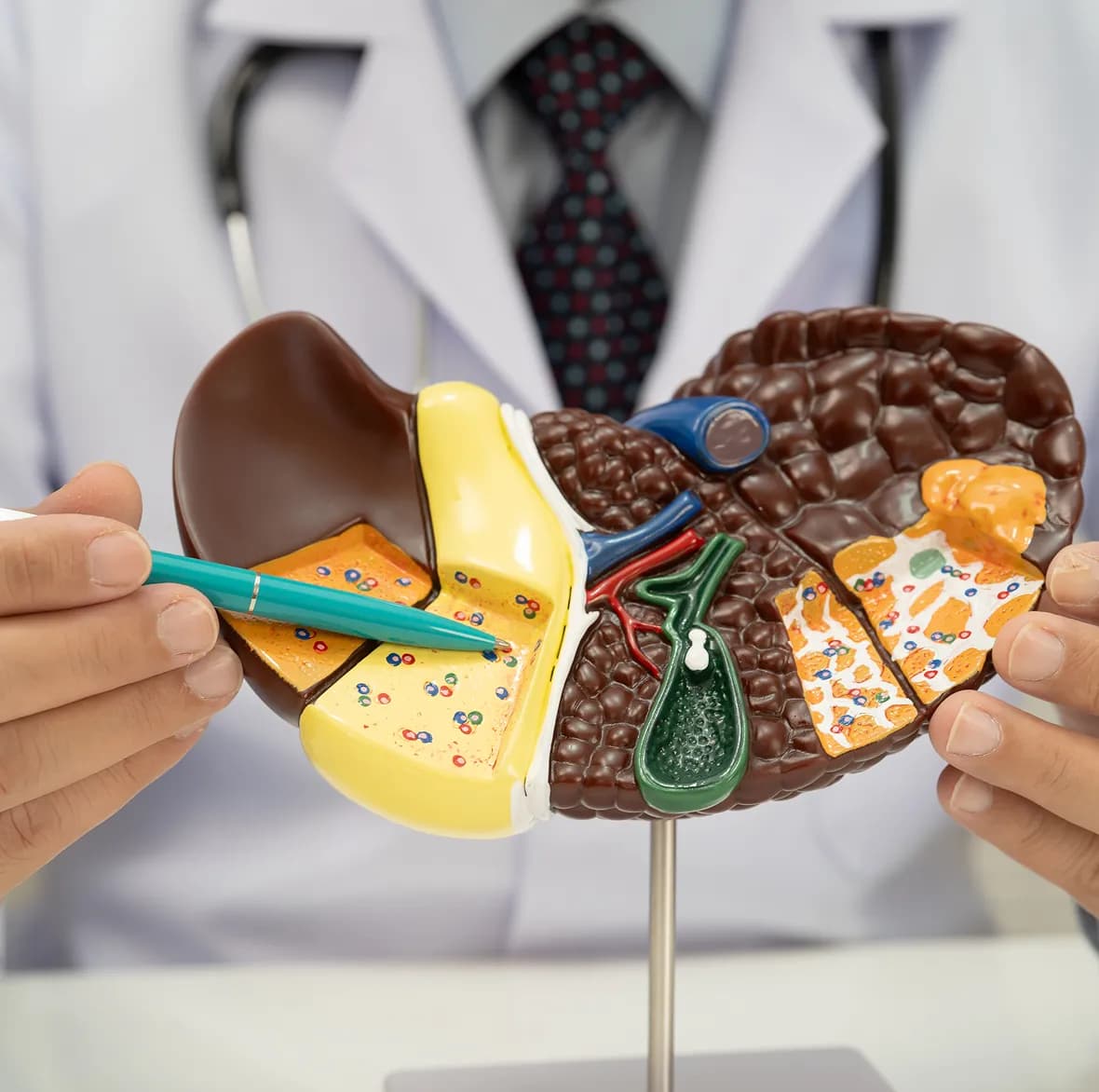
Fatty liver disease is a condition in which excess fat builds up inside the liver, affecting its ability to function properly. In 2023, an international panel of liver specialists renamed the most common form of this condition metabolic dysfunction-associated steatotic liver disease (MASLD), replacing the older term NAFLD (non-alcoholic fatty liver disease), to reflect that it is driven by metabolic factors like insulin resistance and obesity rather than simply the absence of alcohol use.
MASLD is now recognised as the most common chronic liver disease worldwide, affecting over 30% of adults globally, and is especially common in people with type 2 diabetes and obesity. It is one of the most common lifestyle-related conditions in India and can affect even people who do not drink alcohol.
If left untreated, it can progress to liver inflammation, scarring, cirrhosis, and, in severe cases, liver failure. Many people experience no symptoms until the condition has already advanced.
In Ayurvedic terms, fatty liver is associated with excess Meda Dhatu (fat tissue), weakened digestive fire, Kapha (the dosha governing weight and fluid) imbalance, and the accumulation of Ama (unprocessed metabolic waste) in the body’s metabolic channels, impairing the liver’s ability to process fats and regulate blood sugar.
The liver plays a central role in metabolism, so when its function is compromised, cholesterol, blood sugar, and cardiovascular health are all affected. This is why Madhavbaug approaches fatty liver treatment as a metabolic condition rather than an isolated liver disorder.
 Ayurveda
In Ayurveda, Fatty Liver Disease (NAFLD) is correlated with an imbalance of the Kapha dosha and Meda Dhatu (fat tissue), classifying it fundamentally as a Santarpanajanya Vyadhi (a disease resulting from over-nutrition and a sedentary lifestyle). Modern medicine views fatty liver as a metabolic crisis, while classical Ayurvedic texts identify it under Yakrit Roga (liver disorders) or Yakritodara (liver enlargement). The liver, known as Yakrit, is considered the primary root of the blood-carrying channels (Raktavaha Srotas) and the home of Ranjaka Pitta, the metabolic fire responsible for refining nutrients into blood.
CausesWhen the body stops responding to insulin properly, excess fat begins to accumulate in the liver. Insulin resistance is one of the most common causes of non-alcoholic fatty liver disease.

A diet high in sugar, refined carbohydrates, processed foods, and unhealthy fats can overload the body's ability to process excess calories. This increases the risk of developing fatty liver disease.
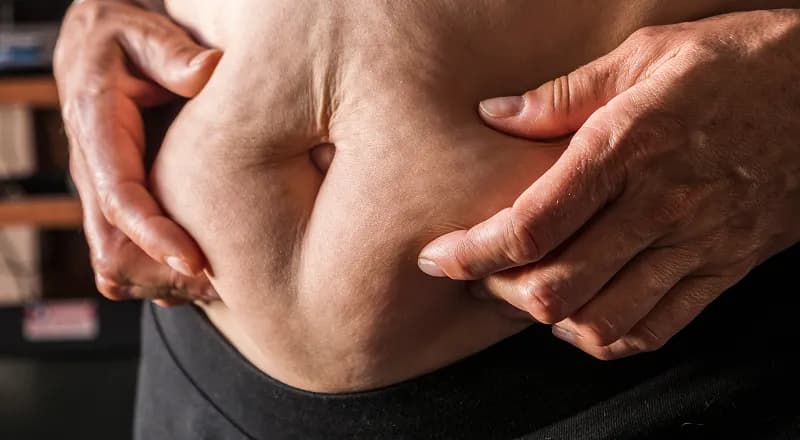
Abdominal obesity is one of the strongest risk factors for fatty liver disease. Excess fat around the waist is closely linked to metabolic dysfunction and poor liver health.

High blood sugar levels encourage fat build-up in the liver. Fatty liver and type 2 diabetes are closely linked, and each condition can make the other worse.
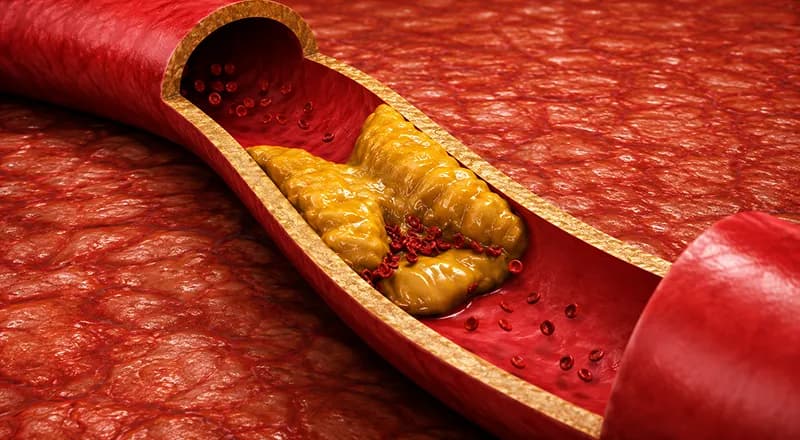
Abnormal cholesterol and triglyceride levels are commonly seen in fatty liver disease. High triglyceride levels, in particular, are often a sign of underlying metabolic dysfunction.

A lack of regular physical activity slows metabolism and reduces the body's ability to use stored energy efficiently. This can contribute to weight gain and metabolic dysfunction.

Long-term stress can increase cortisol levels, promoting abdominal weight gain and worsening metabolic health. Persistent metabolic stress may also contribute to the development of fatty liver disease.
Symptoms 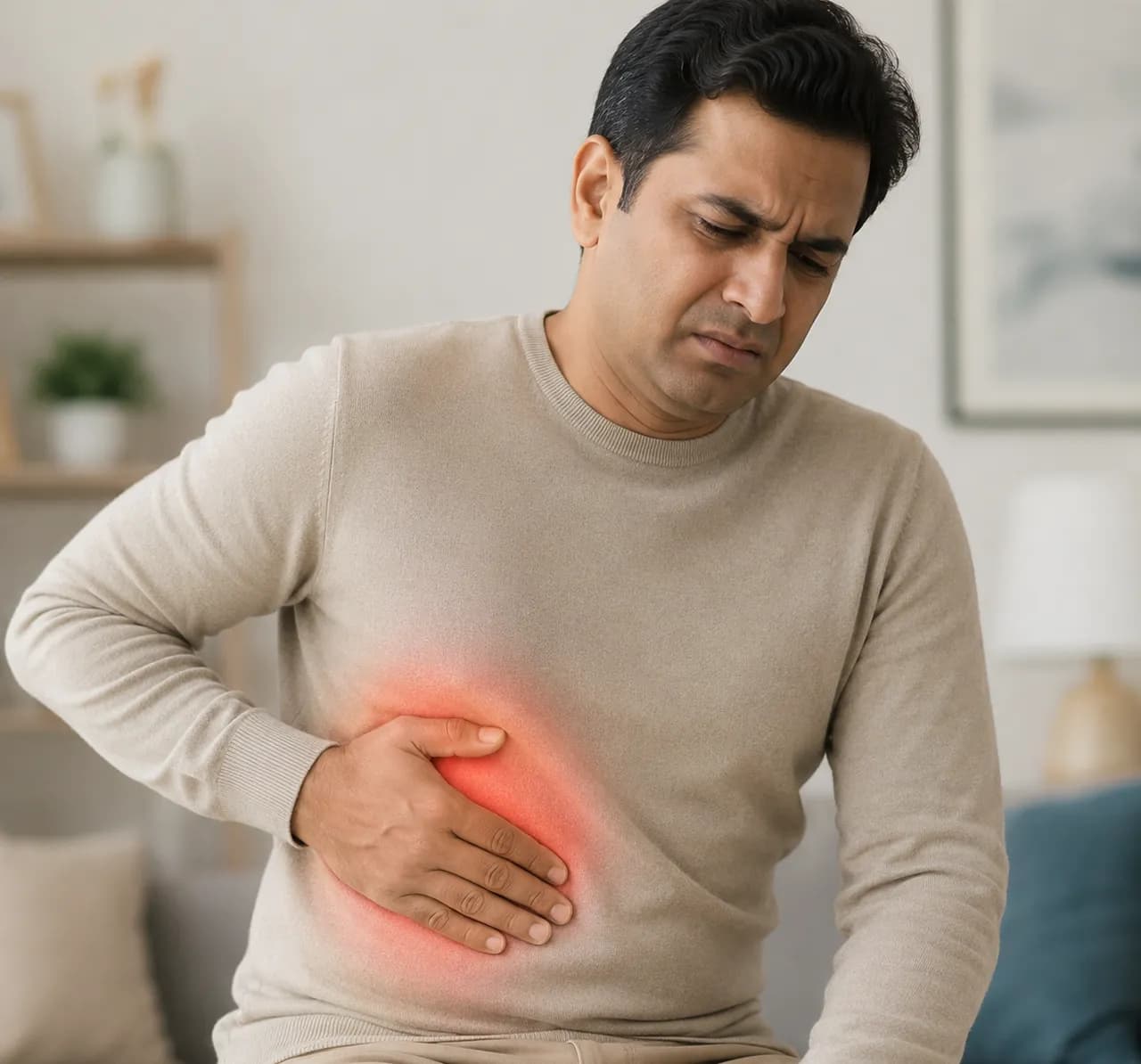
 DiagnosesRisks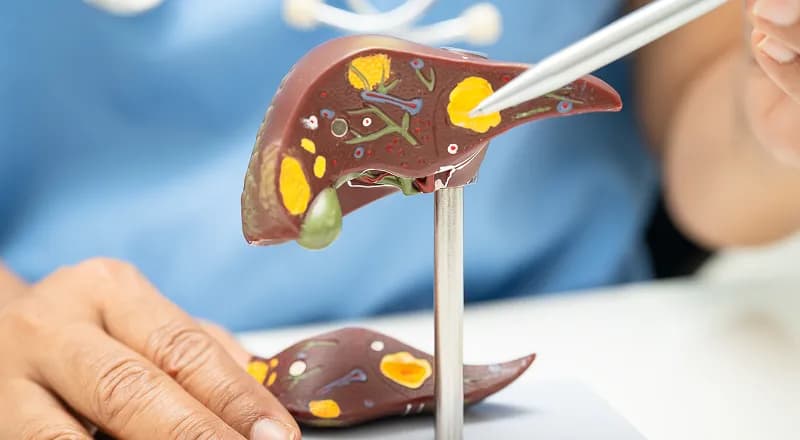
When excess fat in the liver triggers inflammation, fatty liver disease can progress to non-alcoholic steatohepatitis (NASH). This is a more serious stage of the condition that increases the risk of liver damage and scarring.
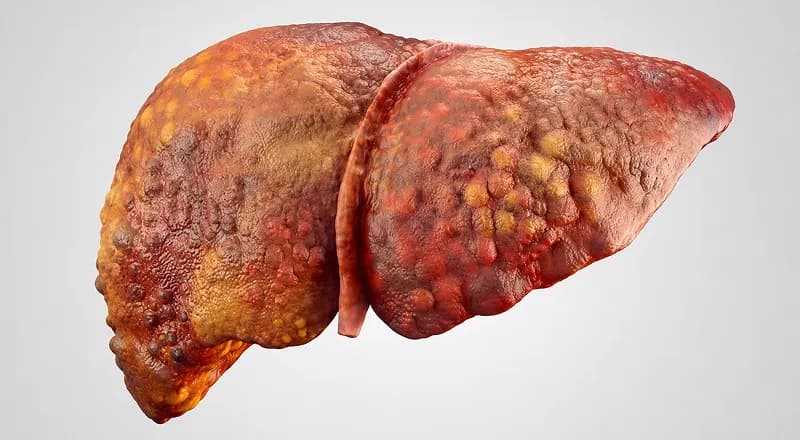
Ongoing inflammation can gradually cause scar tissue to replace healthy liver tissue. As the amount of scar tissue increases, the liver finds it harder to function properly.
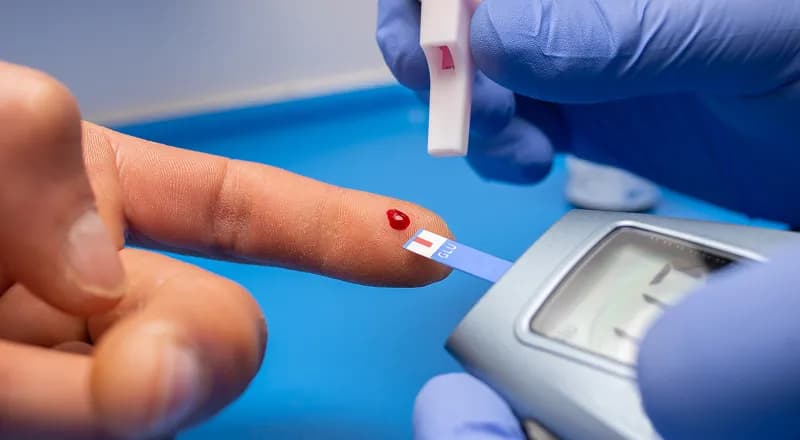
Fatty liver and insulin resistance are closely linked. Without treatment, the risk of developing type 2 diabetes increases significantly.
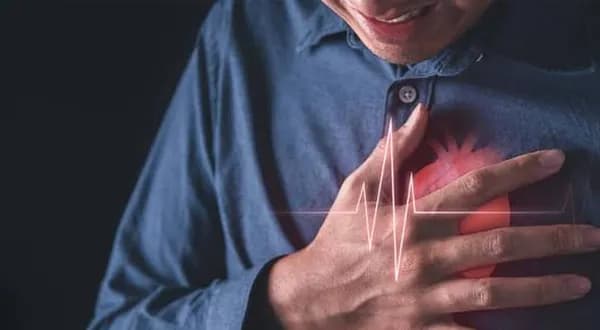
Fatty liver is associated with a higher risk of heart disease, heart attack, and stroke. Many people with fatty liver also have high cholesterol, high blood pressure, or other cardiovascular risk factors.
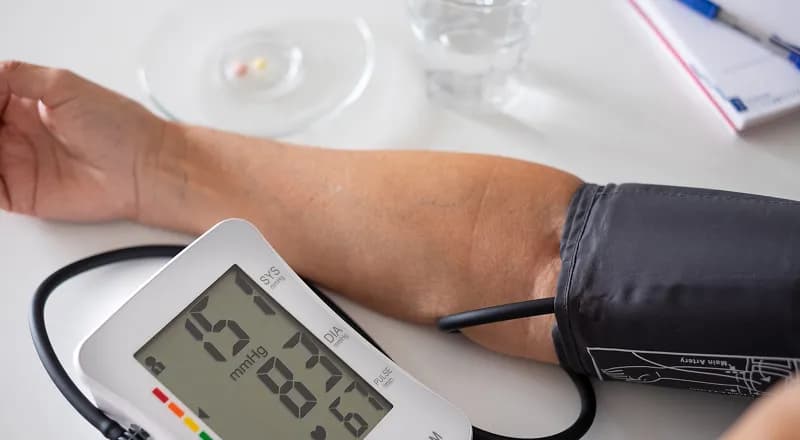
Metabolic changes linked to fatty liver can affect blood pressure regulation. As a result, hypertension is more common in people with fatty liver disease.
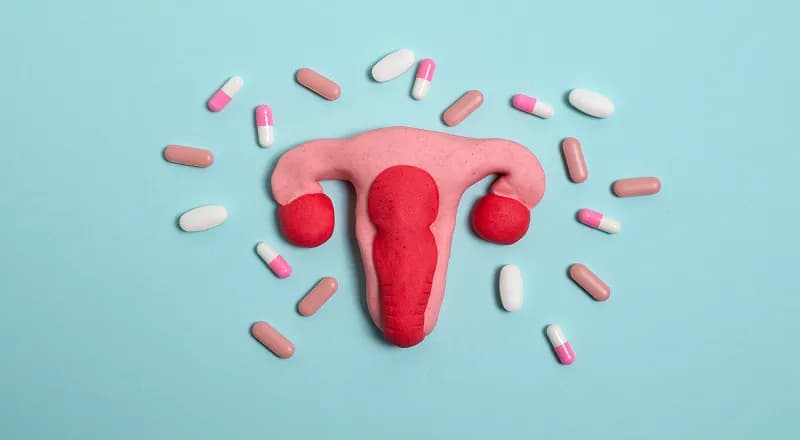
The liver plays an important role in processing hormones. When liver function is affected, hormonal balance can be disrupted, impacting overall metabolic health.
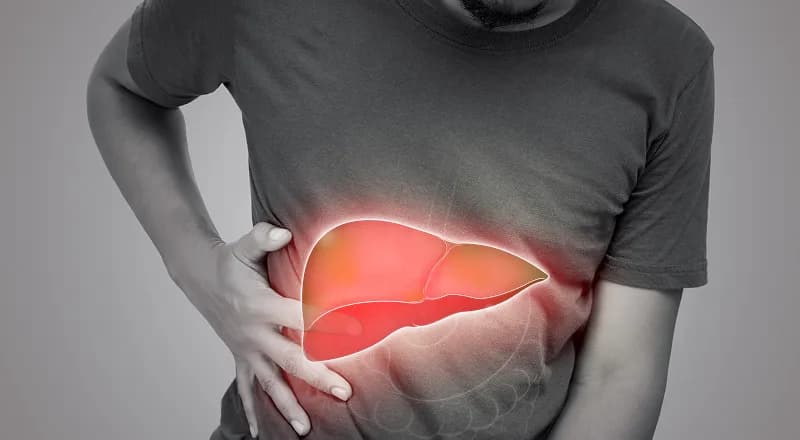
In severe, untreated cases, fatty liver disease can progress through NASH and cirrhosis to liver failure. This is a serious condition that may require advanced medical care or liver transplantation.
Our Approach
Five coordinated therapies work together to support liver function, metabolism, and the body’s natural detoxification processes.
A medically supervised dietary plan built around whole foods and nutrient-rich meals that support metabolic health. Each plan is personalised according to the patient’s liver health, blood sugar levels, cholesterol levels, and overall metabolic condition.
The goal is to reduce liver fat, improve blood sugar control, lower cholesterol and triglyceride levels, and support healthy liver function.
Madhavbaug’s herbal formulations support fat breakdown, digestion, and cholesterol control as part of the fatty liver disease treatment.
A treatment approach unique to Madhavbaug that combines Ayurvedic care with modern diagnostics to track liver enzyme levels, BMI, abdominal girth, cholesterol, triglycerides, and blood sugar together in a single clinical review.
For patients managing fatty liver alongside diabetes, obesity, or heart disease, this integrated monitoring ensures all conditions are tracked and treated as one clinical picture.
Aerobic exercise, yoga, and pranayama are matched to the patient’s current fitness level and metabolic profile. Exercise is prescribed as a clinical tool for improving insulin sensitivity, reducing visceral fat, lowering liver enzyme levels, and supporting the metabolic correction that fatty liver requires.
Weight, BMI, abdominal girth, blood pressure, blood sugar, and pulse rate are tracked at every visit. The clinical team monitors both metabolic and liver health markers in real time and adjusts the protocol based on how the patient is responding throughout treatment.
Why Choose UsFAQsPersistent fatigue, discomfort or heaviness in the upper right abdomen, unexplained abdominal weight gain, poor digestion and bloating, and elevated liver enzymes on a routine blood test. Many people discover fatty liver through a blood test before any symptoms appear, which is why regular metabolic screening matters.
Yes, if left unaddressed. Without intervention, fatty liver can progress to liver inflammation (NASH), scarring, cirrhosis, and, in severe cases, liver failure. It also significantly raises the risk of type 2 diabetes, heart disease, and high blood pressure. Early identification and metabolic correction produce the best outcomes.
Insulin resistance is the primary cause of non-alcoholic fatty liver disease. When the body stops responding to insulin properly, excess fat is redirected into the liver rather than being processed and used. Poor diet, abdominal obesity, physical inactivity, and high blood sugar all contribute to and worsen this process.
Sugar, refined carbohydrates, white rice, maida-based foods, packaged snacks, fried food, sugary drinks, and foods high in saturated fat. These directly promote fat accumulation in the liver and worsen insulin resistance. Madhavbaug’s Swasthyam Diet Kit replaces these with whole grains, blood-sugar-friendly foods, and anti-inflammatory nutrition personalised to the patient’s metabolic profile.
Yes, in its early stages fatty liver is a reversible condition. Correcting insulin resistance, reducing abdominal fat, improving liver detoxification, and adopting an anti-inflammatory diet together produce a measurable reduction in liver fat. Madhavbaug’s programme addresses all of these simultaneously through Panchakarma, herbal formulations, dietary correction, and supervised exercise.

Don't just manage your condition. Overcome it. Take the first step toward sustainable, evidence-based chronic disease reversal.