Madhavbaug — Advanced Ayurveda Clinics and Hospitals
Reverse Obesity and Heart Disease Naturally and Safely with Madhavbaug

Reverse Obesity and Heart Disease Naturally and Safely with Madhavbaug

Move beyond lifelong medication. Discover how Madhavbaug’s data-driven clinical care helps you address the root cause of Obesity and Heart Disease.

Obesity & Heart Disease

Reverse Obesity and Heart Disease Naturally

What is the Connection Between Obesity and Heart Disease?
LeafOverview

What is the Connection Between Obesity and Heart Disease?

Obesity and heart disease are closely linked and often develop together. According to the American Heart Association, living with excess weight raises the risk of heart disease and stroke by at least 21% in men and 32% in women, and the risk climbs further as weight increases. 

Much of this comes from visceral fat, the fat that accumulates around internal organs such as the liver, heart, and intestines. Unlike fat stored under the skin, visceral fat actively disrupts the body’s metabolism and heart health.

It raises LDL (bad) cholesterol and triglycerides, lowers HDL (good) cholesterol, increases blood pressure, promotes inflammation, and contributes to insulin resistance. Together, these changes place significant strain on the heart and blood vessels and increase the risk of cardiovascular disease.

Because these problems are interconnected, treating obesity and heart disease as separate conditions often produces limited results. Madhavbaug’s approach focuses on addressing the underlying metabolic imbalance and managing both conditions as part of one connected clinical picture.

Obesity and Heart Disease: From the Lens of Ayurveda
LeafAyurveda

Obesity and Heart Disease: From the Lens of Ayurveda

Ayurveda views obesity (Sthaulya) and heart disease (Hridroga) as deeply interconnected conditions stemming from a sluggish digestive fire (Agni) and the over-accumulation of fat tissue (Medas) and toxins (Ama). This blockage of bodily channels leads to severe cardiovascular strain and metabolic disruption.

LeafCauses

What are the Causes of Obesity-Related Heart Disease?

Fat around the organs

Fat around the organs

Fat that builds up around the internal organs, known as visceral fat, raises harmful cholesterol levels, increases inflammation in the blood vessels, and strains the heart directly.

Insulin resistance

Insulin resistance

When the body stops responding to insulin properly, blood sugar rises, fat storage increases around the abdomen, and the heart comes under sustained metabolic stress.
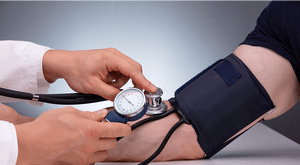
High blood pressure

High blood pressure

Excess weight increases the volume of blood the heart must pump and stiffens blood vessel walls over time. High blood pressure in obese patients frequently resists medication until the underlying weight is addressed.
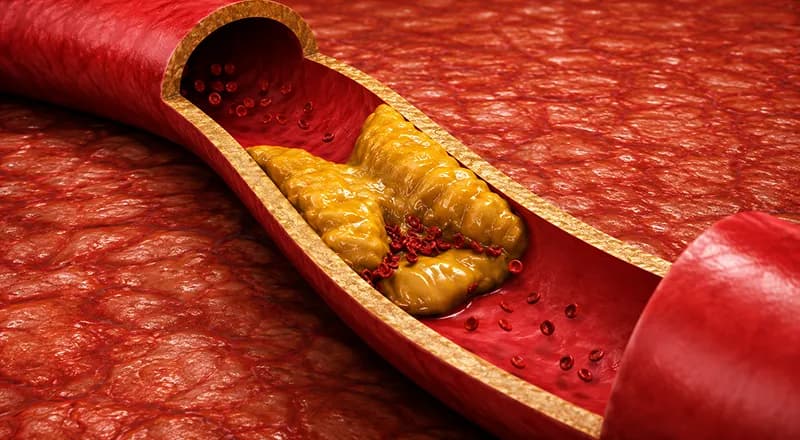
Abnormal cholesterol levels

Abnormal cholesterol levels

Obesity consistently produces high triglycerides, elevated LDL, and low HDL. This combination promotes fat deposition inside the arteries increasing the risk of obesity and heart blockage.
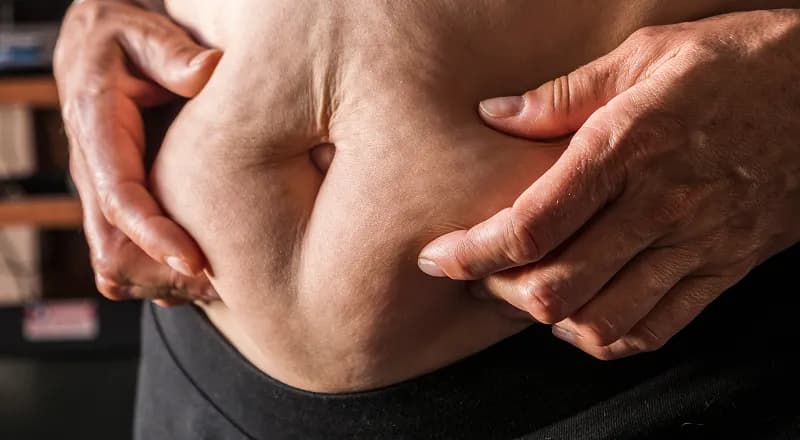
Chronic inflammation

Chronic inflammation

Visceral fat keeps the body in a state of low-grade inflammation. Over time, this damages arterial walls, accelerates plaque formation, and significantly raises cardiac risk.

Poor sleep

Poor sleep

Excess weight around the airway disrupts sleep. Poor sleep raises blood pressure overnight and adds further strain on a heart already under load from obesity.

Physical inactivity

Physical inactivity

A sedentary lifestyle weakens the heart muscle, worsens insulin resistance, promotes further weight gain, and accelerates the progression of obesity-related heart disease.

LeafSymptoms

What are the Symptoms of Obesity-Related Heart Disease?

Heart blockages are usually asymptomatic. Years pass without a single obvious sign, and then symptoms show up all at once, often during a routine checkup or, worse, a cardiac event.
What are the Symptoms of Obesity-Related Heart Disease?
Climbing stairs or walking short distances can cause breathlessness. This may happen because excess weight places added strain on the heart, making it harder to meet the body's demand for oxygen.
The heart and metabolic system are under sustained strain. Energy stays low through the day regardless of rest or food intake.
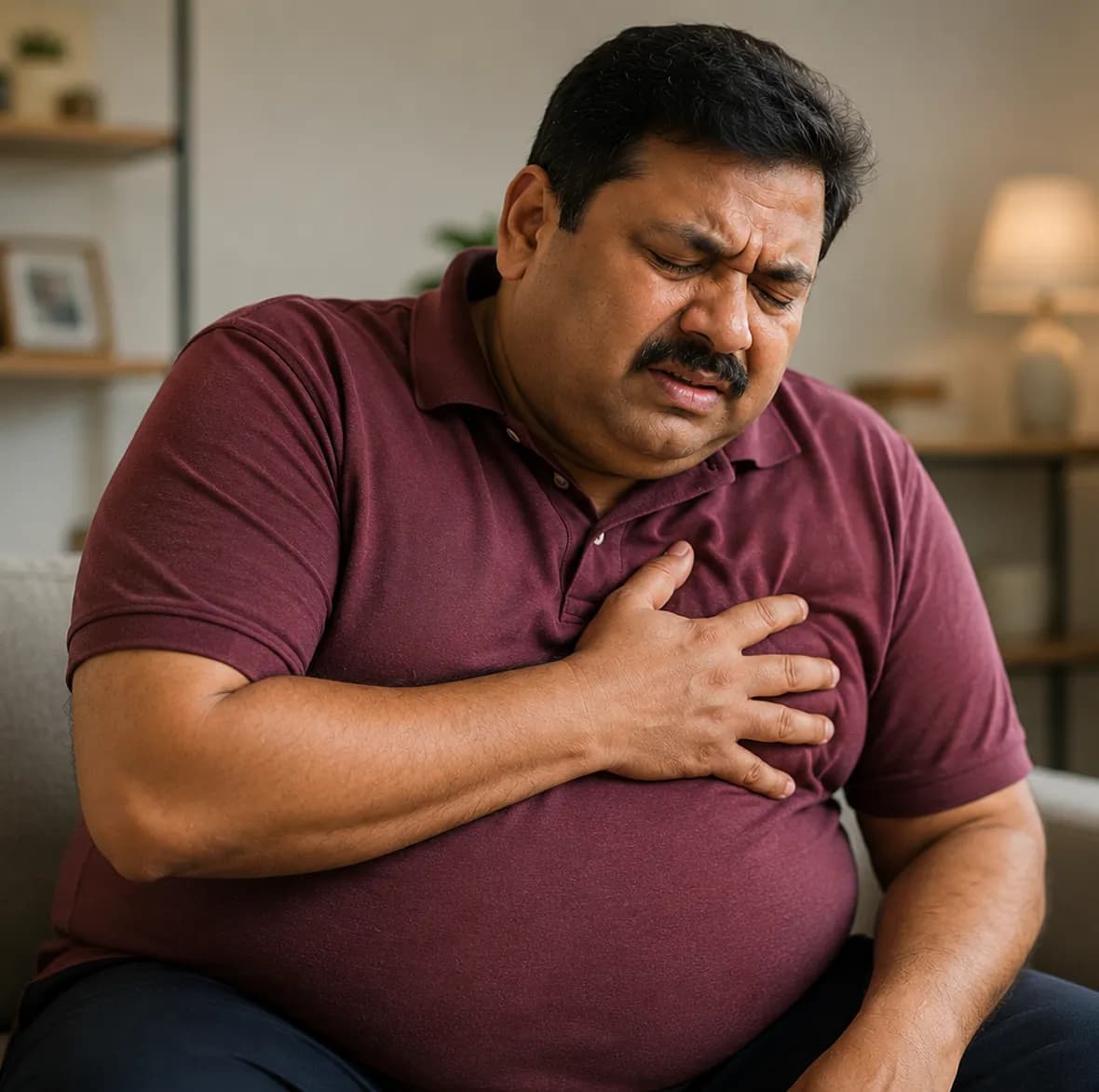
A sense of pressure or tightness in the chest, particularly during physical activity, is a sign that the heart is not receiving an adequate blood supply.
Excess weight makes the heart work harder. Blood pressure rises and often does not respond to medication until the underlying weight issue is addressed.
Early warning signs of obesity-related heart disease may appear in blood reports before symptoms develop. Raised cholesterol levels and blood sugar are common findings linked to excess fat around the organs. Besides high cholesterol and elevated blood sugar, people with obesity may also have high triglycerides, low HDL ("good") cholesterol, elevated LDL ("bad") cholesterol, increased fasting insulin levels (a sign of insulin resistance), raised HbA1c, elevated liver enzymes (ALT and AST) due to fatty liver, high increased inflammatory markers such as C-reactive protein (CRP). These changes indicate ongoing metabolic stress and significantly increase the risk of heart disease.
When the heart cannot pump blood efficiently, fluid accumulates in the lower body. This is a sign that cardiac function has already been affected.
Excess weight and the metabolic changes associated with it can affect the heart's normal rhythm, causing palpitations, a racing heartbeat, or an irregular pulse.
How is Obesity-Related Heart Disease Diagnosed?
LeafDiagnoses

How is Obesity-Related Heart Disease Diagnosed?

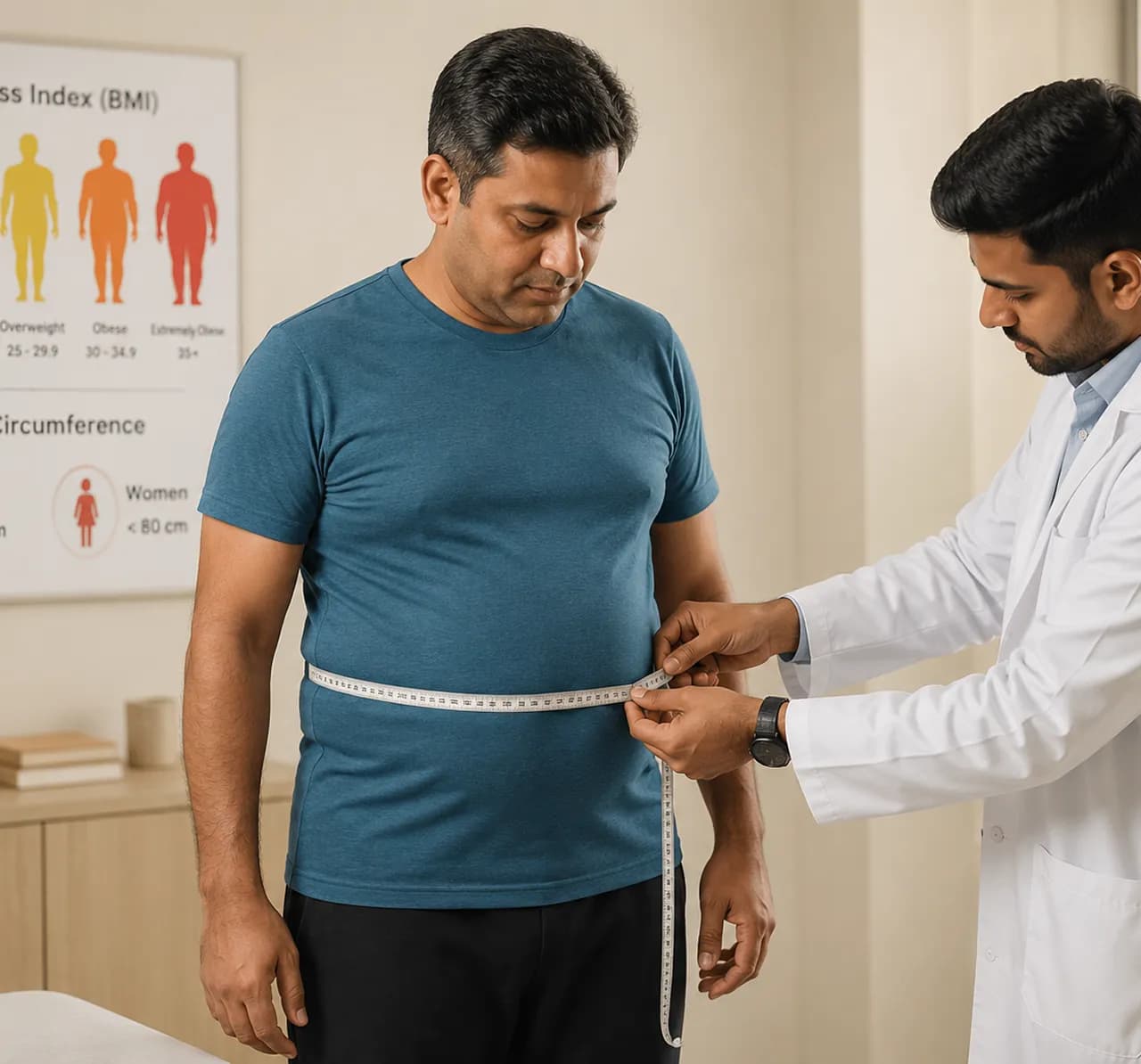
Body Mass Index (BMI) and Waist Circumference

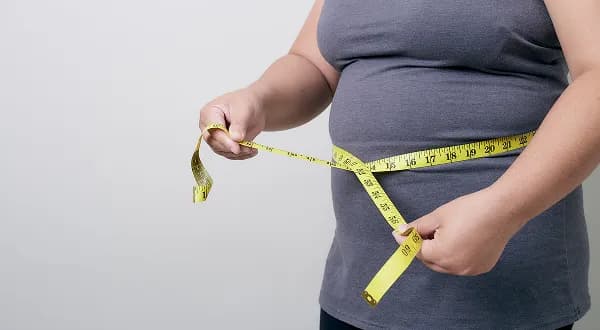
BMI is calculated from your height and weight, while waist size identifies the fat around the internal organs.

Blood Pressure Check

Since excess weight makes the heart pump harder, blood pressure is measured as one of the earliest and most direct indicators of strain on the heart.

Cholesterol and Lipid Profile

LDL (bad cholesterol), HDL (good cholesterol), and triglycerides (blood fat) are checked to see how much fat build-up may already be affecting the blood vessels.

Blood Sugar and HbA1c

Fasting blood sugar and HbA1c are checked to identify insulin resistance, since it is a major link between excess weight and heart strain.

ECG (Electrocardiogram)

A baseline test that checks the heart's electrical activity and rhythm, often the first step in screening for how obesity may already be affecting heart function.

Treadmill Stress Test (TMT)

Checks how well the heart performs under physical exertion by walking on a treadmill while heart rate, blood pressure, and ECG are monitored.

Echocardiogram (2D Echo) and Advanced Cardiac Imaging

An echocardiogram uses sound waves to check how well the heart is pumping. Depending on the case, doctors may also use nuclear imaging, a CT calcium scan, or cardiac MRI to check for blocked arteries or early heart damage, especially in patients with several risk factors at once.

Clinical Assessment

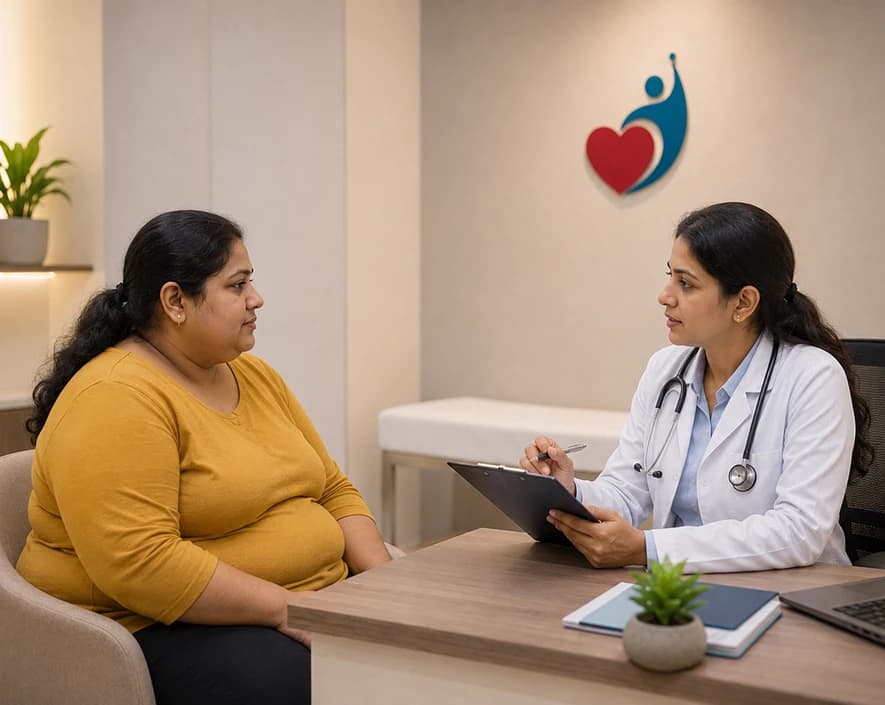
A doctor reviews diet, activity levels, sleep patterns, family history, and symptoms like breathlessness or chest discomfort to connect the metabolic and cardiac picture together.
LeafRisks

What are the Risks of Untreated Obesity and Heart Disease?

Heart attack

Heart attack

Fatty deposits inside the heart's blood vessels can rupture without warning. The clot that forms blocks the blood supply to the heart muscle. Obese patients face a higher risk, and the consequences are often more severe.
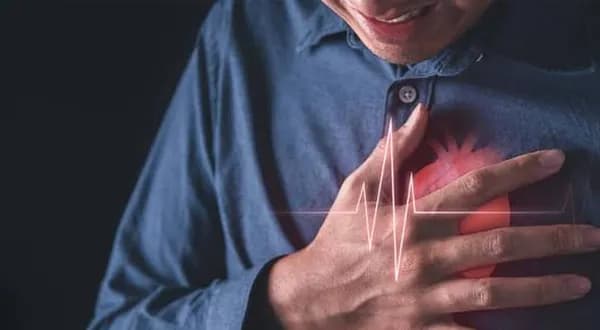
Heart failure

Heart failure

Sustained excess weight weakens the heart muscle progressively. The heart's pumping efficiency drops, and chronic heart failure develops from damage that began much earlier.
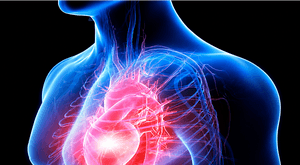
Heart blockage

Heart blockage

Obesity and heart blockage are directly linked. Fat around organs promotes plaque build-up in blood vessels that narrows them over time, restricting blood flow to the heart.
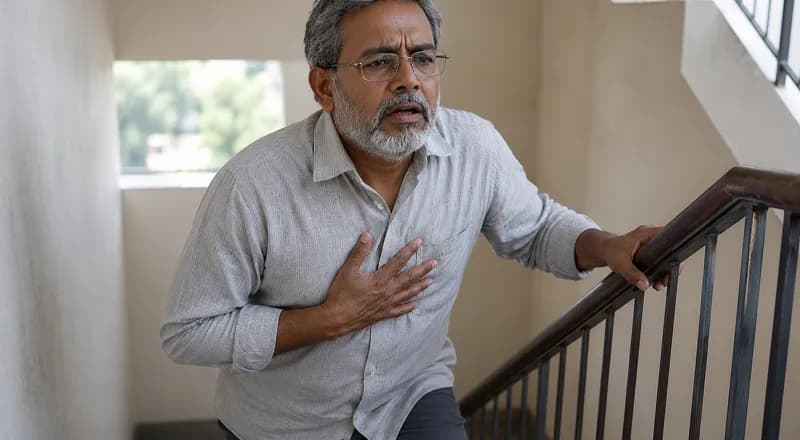
Sudden cardiac arrest

Sudden cardiac arrest

The combination of high blood pressure, abnormal cholesterol, insulin resistance, and chronic inflammation that obesity produces creates conditions where sudden cardiac events can occur with little to no warning.
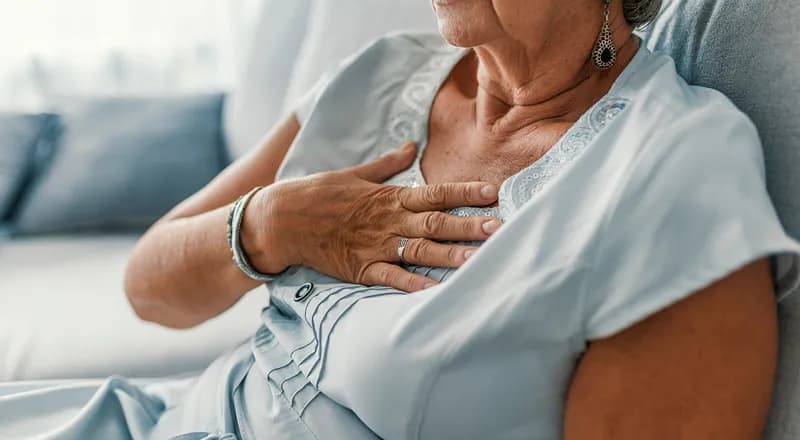
Stroke

Stroke

The same damage that affects the heart’s blood vessels affects those supplying the brain. Obesity significantly raises the risk of stroke alongside heart disease.
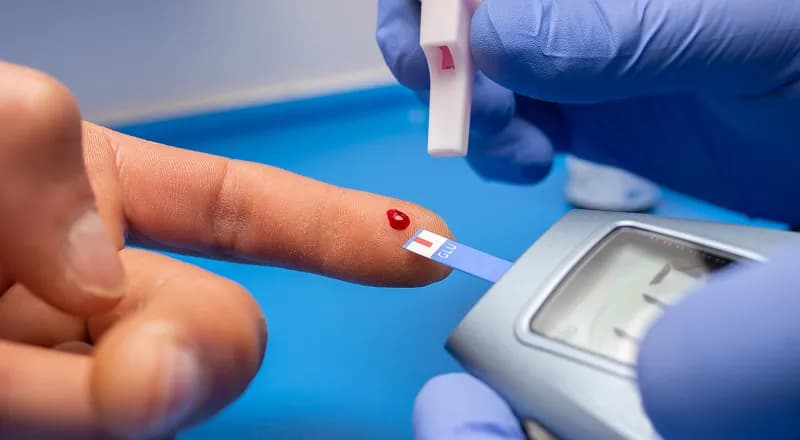
Worsening diabetes

Worsening diabetes

Obesity and heart disease together accelerate the progression of insulin resistance into full Type 2 diabetes, creating a cycle where each condition worsens the other.

Reduced quality of life

Reduced quality of life

Breathlessness, fatigue, limited mobility, and the psychological burden of managing multiple conditions together significantly affect a patient's ability to live and function normally.

LeafOur Approach

Madhavbaug's Approach to Obesity and Heart Disease

Madhavbaug treats obesity and heart disease as interconnected conditions rather than two separate problems. Achieving weight loss for heart health is not simply about restricting calories. It requires correcting the underlying imbalance that contributes to both excess fat accumulation and cardiovascular dysfunction. This involves clearing blockages, restoring digestive function, and rebalancing the body's natural systems that regulate fat metabolism and heart function. By addressing these root causes together, the programme supports sustainable weight loss while helping improve overall cardiovascular health.
Madhavbaug's Approach to Obesity and Heart Disease

Four coordinated therapies work at different levels of fat metabolism and cardiovascular function together.

  • Snehan (centripetal oil therapy) using Neem Siddha Oil loosens fat stored under the skin, reduces inflammation, and improves blood flow through the body.
  • Swedan (herbal steam therapy) using Dashmool Kadha opens the body’s internal channels, helps clear accumulated waste, and supports healthier blood vessel function.
  • Basti (medicated enema therapy) using Herbal Extract targets excess fat around the organs, helps control appetite, and supports the connection between gut health and heart health, which plays an important role in obesity-related heart disease.

Madhavbaug’s herbal formulations support fat breakdown, digestion, and cholesterol control as part of the integrated obesity and heart disease treatment

  • The Mednox Tablet combines Guggul, Triphala, Trikatu, Chitrak Mool, and supporting herbs to stimulate digestive fire, enhance fat metabolism, reduce lipid levels, and correct sluggish digestion at the tissue level.
  • The Golekh Capsule uses Gomutra and Haritaki to support detoxification, relieve fluid retention, and reduce fat accumulation.
  • The Nano Tone Capsule targets lipid levels and provides direct coronary protection, working alongside Mednox to address the cardiovascular consequences of obesity specifically.

A treatment approach unique to Madhavbaug that combines Ayurvedic care with cardiac diagnostics to track and improve BMI, abdominal girth, cholesterol, triglycerides, blood sugar, and heart function together in a single clinical review. For patients managing obesity and heart disease simultaneously, this integrated monitoring is what makes the difference between treating symptoms and addressing the full picture.

Cardiac-safe aerobic exercise, strength training, yoga, and Pranayama, matched to the patient’s current fitness level and cardiac capacity. Exercise is used to strengthen the heart, reduce abdominal fat, and improve fitness levels, often affected by obesity.

Parameters tracked at every visit include weight, BMI, abdominal girth, blood pressure, blood sugar, and pulse rate. The clinical team monitors both metabolic and cardiac markers in real time and adjusts the protocol based on how the patient is actually responding.

LeafWhy Choose Us

Why Choose Madhavbaug for Obesity and Heart Disease Treatment?

20+ Years of Trusted Care

For over two decades, we have helped thousands of patients address obesity and heart disease together without surgery, without harmful side effects, and without lifelong dependency on medication.

360 Clinics Across India

With over 360 dedicated clinics and hospitals across India, patients have access to consistent, specialised care and expert support at every stage of treatment.

Real-Time Expert Monitoring

Real-time data sync via the proprietary mibPULSE App, connecting patients directly to a multidisciplinary expert team of specialists, Ayurvedic physicians, and clinical dietitians.

Backed by 200+ Research Papers

Every therapy we offer is grounded in science, combining the best of Ayurveda and modern diagnostics, validated through rigorous clinical research.

LeafFAQs

Frequently Asked Questions

Excess fat around the organs raises harmful cholesterol, increases blood pressure, drives insulin resistance, and promotes inflammation in the blood vessels. Each of these damages the heart independently. Together, they accelerate heart disease significantly faster than any single risk factor alone.


Early-stage cardiovascular disease can be significantly improved by reducing abdominal fat, correcting insulin resistance, lowering cholesterol, and managing blood pressure together. Madhavbaug’s programme addresses all four simultaneously through Panchakarma, a supervised diet, herbal formulations, and cardiac monitoring, without surgery.

High blood pressure, high LDL cholesterol, high triglycerides, low HDL, excess abdominal fat, insulin resistance, physical inactivity, chronic stress, poor sleep, smoking, and a family history of heart disease. Obesity amplifies almost every one of these.

Yes, with the right clinical management. Patients who address the underlying causes, particularly excess weight, blood sugar, and cholesterol, rather than only managing symptoms, see meaningful improvement in energy, fitness, and quality of life. Early intervention and a structured reversal programme make the biggest difference.


Weight loss produces measurable improvements in blood pressure, cholesterol, blood sugar, and cardiac function. Madhavbaug’s programme achieves this through metabolic correction rather than calorie restriction alone.

Madhavbaug

Start Your Journey to a Medicine-Free Life with Madhavbaug

Don't just manage your condition. Overcome it. Take the first step toward sustainable, evidence-based chronic disease reversal.

Book a Consultation
Nearest CentresCall Now