Madhavbaug — Advanced Ayurveda Clinics and Hospitals
Manage Post Bypass Care Naturally with Madhavbaug

Manage Post Bypass Care Naturally with Madhavbaug

Discover how Madhavbaug’s data-driven clinical and Ayurvedic approach helps with post-bypass surgery care.

Post Bypass Surgery

Manage Post Bypass Care Naturally

What Is Post-Bypass Surgery Rehabilitation?
LeafOverview

What Is Post-Bypass Surgery Rehabilitation?

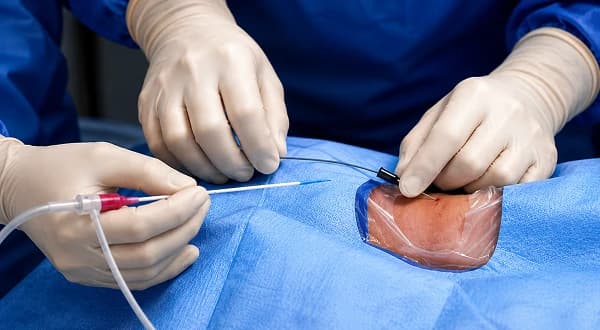
Bypass surgery, or Coronary Artery Bypass Grafting (CABG), reroutes blood around a blocked coronary artery using a graft taken from another part of the body. The arterial inflammation, cholesterol accumulation, metabolic imbalance, and lifestyle factors that caused the original blockage remain active after surgery. Without addressing these, new blockages can form in the same or other arteries and in the grafted vessels themselves.

Post-bypass surgery rehabilitation is the structured medical and lifestyle programme that follows the procedure. The initial surgical recovery takes 6 to 12 weeks. Long-term outcomes, however, depend on how well the heart has recovered and whether the underlying causes are effectively managed.

For patients undergoing CABG, a structured recovery programme is what determines how well and how long the surgery holds.

What to Expect After Bypass Surgery?
LeafPost-Bypass Care

What to Expect After Bypass Surgery?

A bypass is open-chest surgery. It takes 6 to 8 weeks to heal. Energy and physical capacity return slowly, over months rather than weeks.

Signs that are part of normal recovery: 

  • Fatigue and reduced stamina in the weeks after surgery. 
  • Soreness at the chest incision and at the graft site. 
  • A gradual return of physical tolerance over 3 to 6 months.

Signs that need immediate medical attention: 

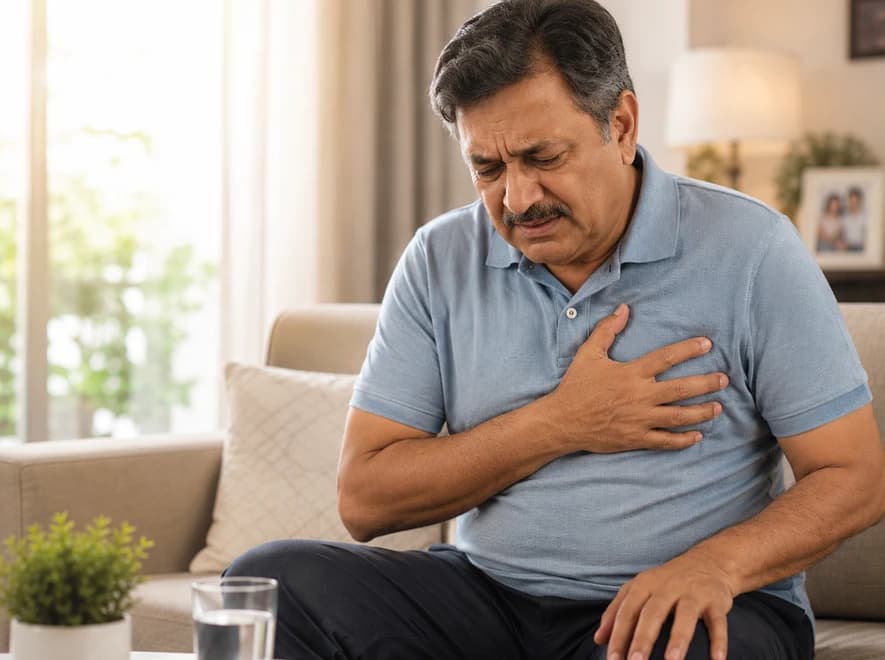
  • Chest pain or pressure that is new or returning 
  • Fever, redness, swelling, or discharge around the incision
  • Breathlessness that is worsening or present at rest 
  • Dizziness, fainting, or an unusually fast or irregular heartbeat 
  • Rapid unexplained weight gain
LeafWhy it Matters

Why Post-Bypass Rehabilitation Matters

The surgery addresses the most critical blockages. But the conditions that created them continue to operate unless specifically managed.
Why Post-Bypass Rehabilitation Matters
Bypass grafts can develop blockages over time. Without metabolic management and lifestyle correction, the same plaque-forming process that affected the original arteries can compromise the new vessels as well.
Bypass surgery treats the blocked segments. Other coronary arteries remain at risk. CAD is a systemic disease and does not stop progressing because one section has been surgically bypassed.
Open-chest surgery significantly reduces physical capacity. Without supervised cardiac rehabilitation, the heart and body take far longer to recover full function, and sometimes never fully regain it.
The cholesterol levels, blood pressure, blood sugar, and inflammatory conditions that caused the original blockages are still present after surgery. These need active, structured management. A structured bypass surgery diet plan is one of the most effective tools for keeping these triggers under control.
Anxiety, depression, and post-surgical stress may be common after bypass surgery. Left unaddressed, these significantly slow physical recovery and affect quality of life.
LeafRisks

What Are The Risks of Inadequate Post-Bypass Rehabilitation?

Graft Failure

Graft Failure

Without metabolic management and cardiac rehabilitation, bypass grafts can develop their own blockages, leading to a return of symptoms and, in some cases, the need for repeat intervention.
Heart Attack

Heart Attack

Disease progression in ungrafted arteries or graft failure can lead to a sudden complete blockage with limited warning.
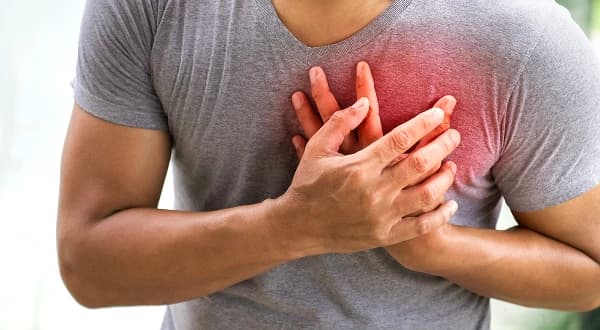
Heart Failure

Heart Failure

Poorly managed post-bypass cardiac health gradually weakens the heart muscle over time, reducing pumping efficiency and increasing the risk of chronic heart failure.

Reduced Quality of Life

Reduced Quality of Life

Persistent symptoms, limited physical tolerance, and ongoing medication dependence without a clear recovery trajectory significantly affect daily life after surgery.

Missed Rehabilitation Window

Missed Rehabilitation Window

The months immediately following bypass surgery are when the heart responds best to structured rehabilitation. This window is time-limited and cannot be recaptured once passed.

Higher Risk of Serious Cardiac Events

Higher Risk of Serious Cardiac Events

Patients who complete structured post-bypass rehabilitation tend to have significantly better long-term outcomes, such as fewer repeat procedures and lower cardiac mortality.

LeafOur Approach

Madhavbaug's Approach To Post-Bypass Surgery Rehabilitation

Bypass surgery reroutes blood flow around the blockage. Madhavbaug's SHS (Sampurn Hriday Shuddhikaran) Therapy is adapted for post-bypass patients to support surgical site healing, ease residual inflammation, and rebuild functional cardiac capacity after the procedure. Madhavbaug's SHS programme focuses on what comes next: rehabilitating the heart, correcting the underlying conditions that led to the surgery, and protecting the new blood vessels from facing the same problem again. The SHS programme includes:
Madhavbaug's Approach To Post-Bypass Surgery Rehabilitation
Madhavbaug's comprehensive Panchakarma-based cardiac therapy encompasses Snehana, Swedana, Basti, and Virechana within a single structured protocol. Adapted for post-bypass patients, it works to clear the metabolic toxins that continue to strain the cardiovascular system, ease residual inflammation from surgery, and support the heart muscle's recovery over time.
Using VO₂max and MET assessments, Madhavbaug builds a progressive exercise protocol matched to each patient's actual post-surgical capacity, not a generic recovery plan. These structured cardiac rehab exercises gradually rebuild cardiovascular endurance and strength under medical supervision, respecting the additional care needed after open-heart surgery.
A structured, anti-inflammatory, low-cholesterol diet is designed to remove the dietary triggers that contributed to the original blockage and to actively support the health of the grafted vessels, reducing the risk of future disease progression.
Arj Kadha, Endoguard Capsule, and the Hriday Swasthya Kit use Arjuna-based formulations to improve cholesterol profiles by reducing LDL oxidation while strengthening heart muscle function and supporting progressive cardiac recovery under medical supervision.
Continuous monitoring of vitals and daily physical activity allows the care team to track cardiac recovery in real time and adjust the treatment protocol as the patient progresses through post-surgical rehabilitation.
LeafWhy Choose Us

Why Choose Madhavbaug for Post-Bypass Rehabilitation?

20+ Years of Trusted Care

For over two decades, we have helped thousands of patients reverse heart disease safely, without surgery, without harmful side effects, and without lifelong dependency on medication.

Recognised for Preventive Cardiology

Dr Rohit Sane, founder of Madhavbaug, was felicitated for his contribution to preventive cardiology by the Maharashtra health minister at the Economic Times World Heart Week event.

360 Clinics Across India

With over 360 dedicated clinics and hospitals across India, patients have access to consistent, specialised cardiac care and expert support at every stage of treatment.

Real-Time Expert Monitoring

Real-time data sync via the proprietary mibPULSE App, connecting patients directly to a multidisciplinary expert team of cardiac specialists, Ayurvedic physicians, and clinical dietitians.

Backed by 200+ Research Papers

Every therapy we offer is grounded in science, combining the best of Ayurveda and modern medicine, validated through rigorous clinical research.

LeafFAQs

Frequently Asked Questions

Initial surgical recovery typically takes 6 to 12 weeks. Structured cardiac rehabilitation begins once the patient is medically stable, usually 6 to 8 weeks after discharge. Madhavbaug’s cardiac rehab after bypass surgery is personalised and continues as long as the patient needs monitored support.

Most patients return to normal daily activities within 3 to 6 months of surgery. How complete that recovery is depends significantly on the quality of post-surgical rehabilitation and how well the underlying conditions, such as cholesterol, blood pressure, and lifestyle, are managed. Madhavbaug’s CABG (Coronary Artery Bypass Grafting) recovery programme is designed to support the most complete recovery possible.

The chest muscles and sternum cut during open-heart surgery typically take 6 to 8 weeks to heal. Full physical recovery, including rebuilding cardiovascular endurance and strength, takes longer, usually 3 to 6 months with structured rehabilitation. Structured heart surgery recovery care, including supervised physiotherapy and Ayurvedic support, is what makes this process safer and more complete.

In the early weeks, heavy lifting, strenuous physical exertion, and activities that strain the chest are to be avoided until the sternum has healed. Longer term, the focus shifts to avoiding the dietary and lifestyle conditions that drive disease recurrence, like high-cholesterol foods, smoking, physical inactivity, unmanaged stress, and poorly controlled blood pressure or blood sugar.

The goal is twofold: to help the heart recover physically from major surgery and to address the underlying conditions that made the surgery necessary, protecting grafted vessels and reducing the risk of further cardiac events.

Madhavbaug

Start Your Journey to a Medicine-Free Life with Madhavbaug

Don't just manage your condition. Overcome it. Take the first step toward sustainable, evidence-based chronic disease reversal.

Book a Consultation
Nearest CentresCall Now