


Insulin resistance
Fat accumulation around the organs interferes with how the body responds to insulin. This is the central cause connecting obesity and type 2 diabetes and the primary target of effective obesity and diabetes management.

Move beyond lifelong medication. Discover how Madhavbaug’s data-driven clinical care helps you address the root cause of Obesity and Diabetes.
 Overview
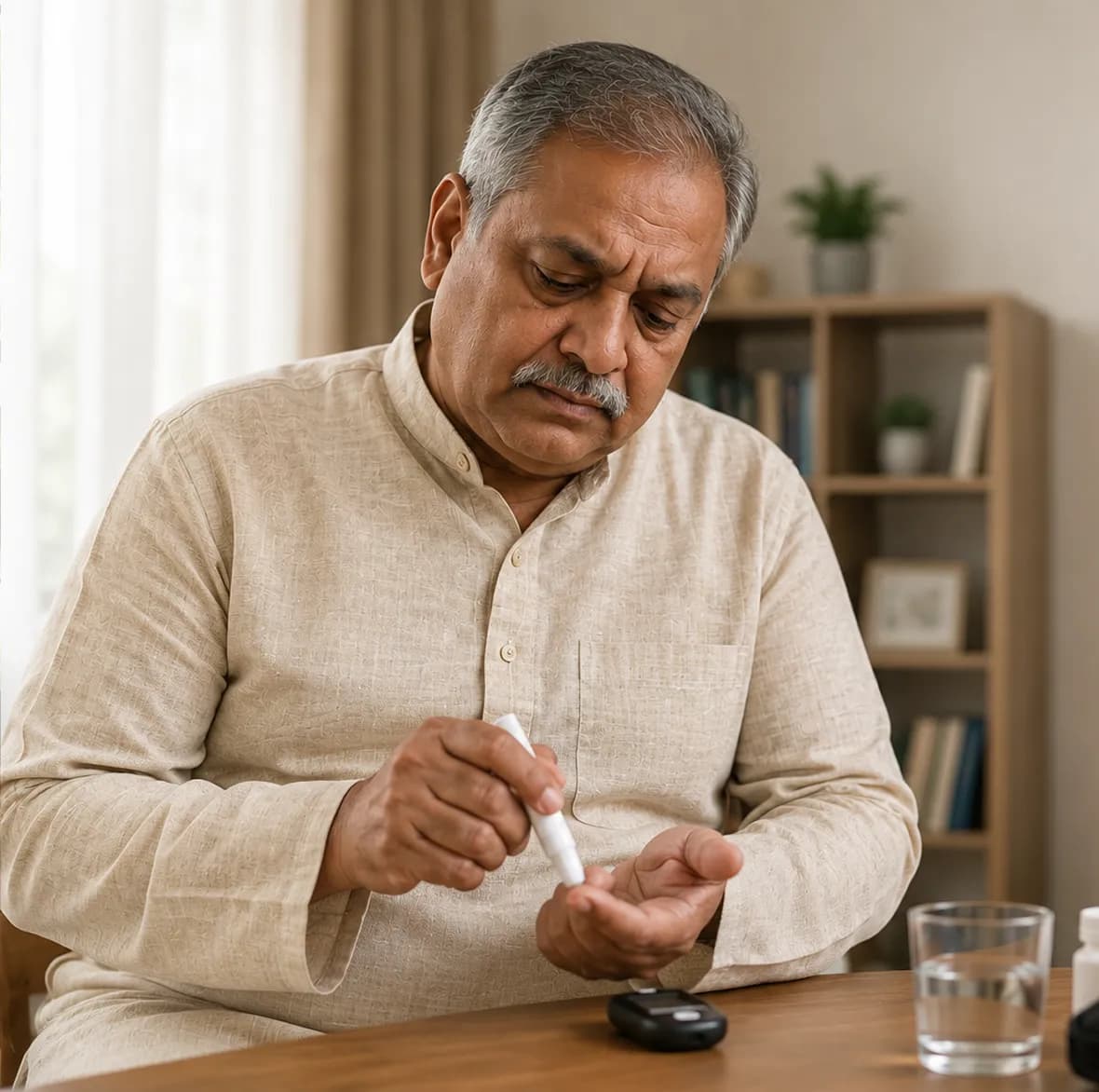
Obesity and type 2 diabetes are not two separate conditions that happen to occur together. According to the American Diabetes Association’s latest clinical guidelines, obesity substantially raises the risk of developing type 2 diabetes, and even modest weight loss makes a measurable difference. Losing just 5-7% of body weight improves blood sugar control, and losing more than 10% often leads to greater benefits and can also bring blood sugar back to normal, healthy levels.
This connection works both ways: just as losing weight can improve blood sugar, gaining excess fat is often what drives blood sugar out of control in the first place.
When excess fat builds up around the organs, the body stops responding to insulin properly. Blood sugar rises, fat storage increases, and each condition makes the other worse. This combination, sometimes referred to as diabesity, creates a cycle that is difficult to break through diet or medication alone, because neither condition is being treated at its root cause.
The consequences extend well beyond blood sugar and body weight. The heart, kidneys, liver, and nervous system all come under sustained pressure when obesity and type 2 diabetes are left unmanaged together.
Madhavbaug’s obesity and diabetes management programme is built around this connection. Both conditions are treated together through a single clinical approach that focuses on the common factors associated with obesity and diabetes.
 Ayurveda
Ayurveda, drawing upon principles of balance and individualised treatment, addresses diabetes through a multifaceted lens. In Ayurveda, diabetes is classified under the term “Madhumeha”, where an imbalance in the body’s doshas (Vata, Pitta, and Kapha) disrupts the normal functioning of the pancreas and impairs insulin production. This falls under the category of Santarpanjanya Vikara (which refers to a category of diseases caused by over-nutrition, excessive caloric intake, or a sedentary lifestyle). Sthalya as in obesity, also falls under the same category, and they have a similar set of etiological factors, causes and treatment principles, which is Lekhana (scrapping). The approach to diabetes management in Ayurveda involves a personalised assessment of an individual’s constitution (Prakriti) and the identification of imbalances (Vikriti). Lifestyle modifications, dietary changes, herbal supplements, and therapeutic practices like yoga and meditation are integral components of Ayurvedic interventions.
CausesFat accumulation around the organs interferes with how the body responds to insulin. This is the central cause connecting obesity and type 2 diabetes and the primary target of effective obesity and diabetes management.

Refined carbohydrates, sugar, and processed food cause repeated blood sugar spikes and promote fat storage. Over time, this progressively breaks down the body's insulin response.

Muscle tissue is the primary site of glucose uptake. Without regular movement, muscle mass declines, fat accumulates, and insulin resistance worsens steadily.

An underactive thyroid, high stress hormones and PMOS together can cause your body to lose its ability to process fat and sugar correctly, causing obesity and diabetes.
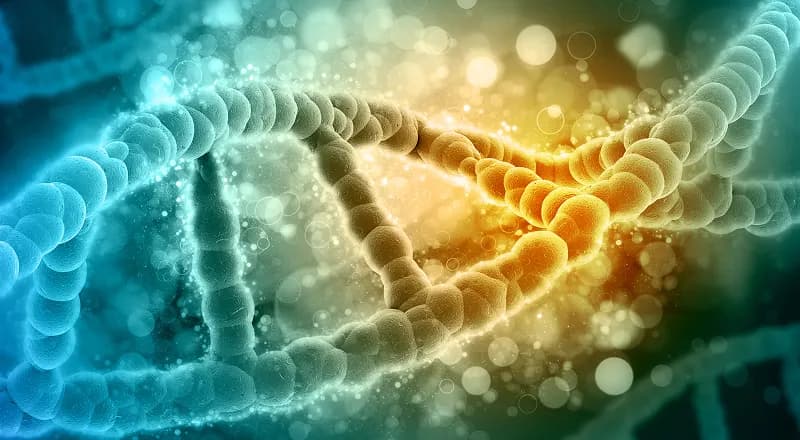
A family history of diabetes or obesity raises the risk of both conditions. What a person does about it early on makes the real difference.

Elevated stress hormones increase abdominal fat storage and raise blood sugar. Both conditions worsen simultaneously under sustained psychological stress.
Poor sleep disrupts the hormones that control hunger, fat storage, and blood sugar. Over time, this makes both obesity and diabetes harder to manage.

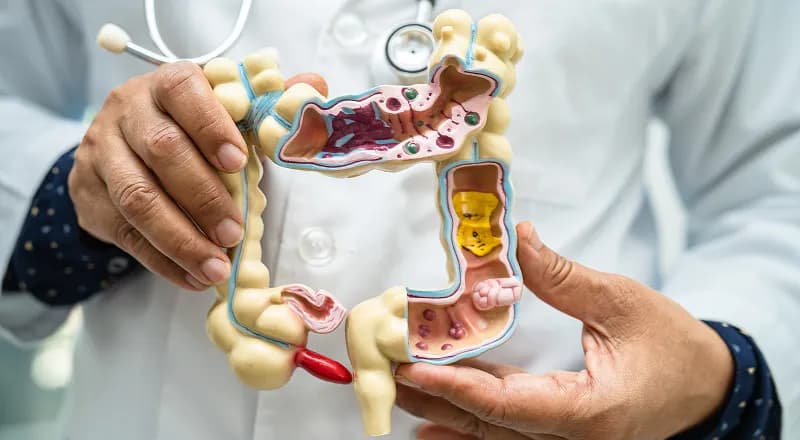
Poor gut health can increase inflammation, affect appetite control, and make it harder for the body to regulate blood sugar properly.
Symptoms 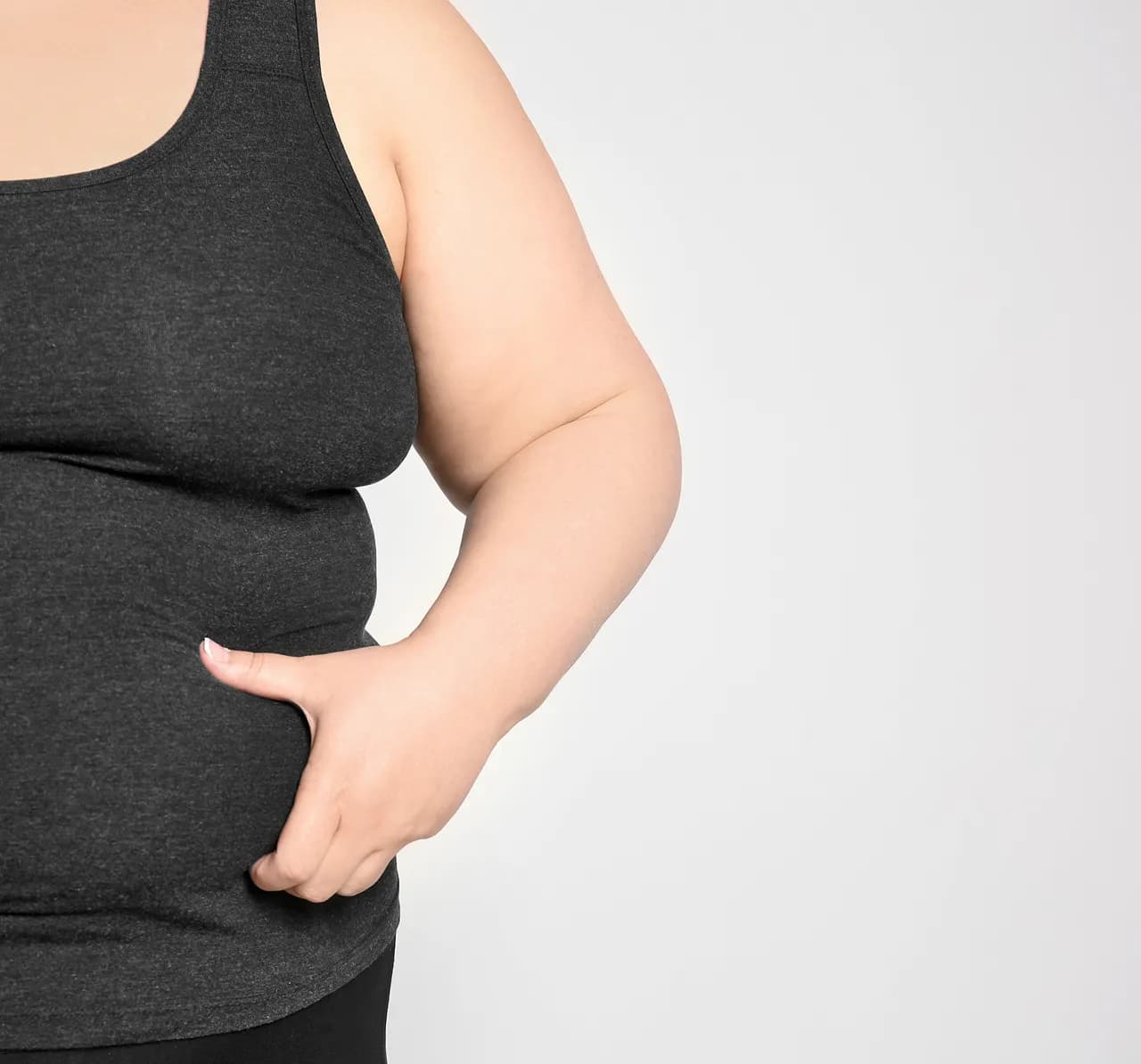
 DiagnosesRisks
Obesity and type 2 diabetes together raise the risk of heart disease considerably. Both conditions independently damage blood vessels, and their combination accelerates this damage significantly.
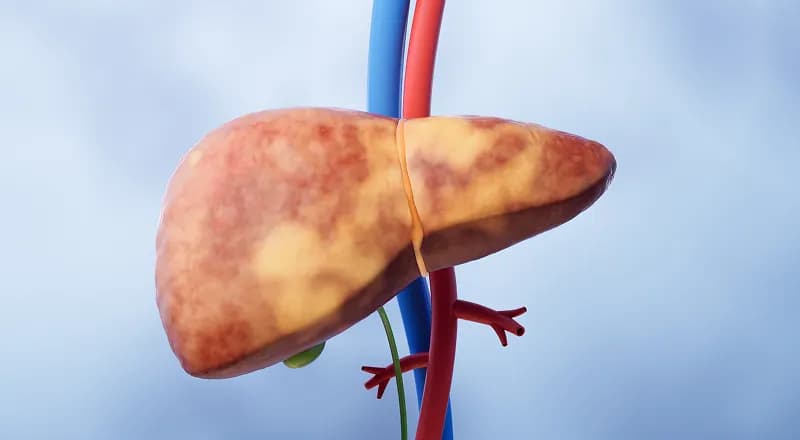
Fat accumulates inside the liver tissue, impairing how it processes cholesterol and regulates blood sugar. Fatty liver disease is now among the most common liver conditions in India.
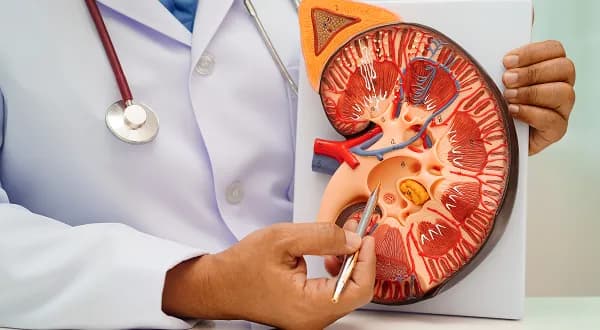
High blood sugar combined with the metabolic strain of obesity progressively damages the kidneys over time. Kidney disease is one of the most serious long-term consequences of unmanaged diabesity.

Excess weight around the airway causes repeated breathing interruptions during sleep. This worsens blood sugar control, raises blood pressure overnight, and adds further strain on the heart.

Excess weight combined with chronic metabolic inflammation accelerates cartilage breakdown in the knees and hips, increasing the risk of early joint deterioration.
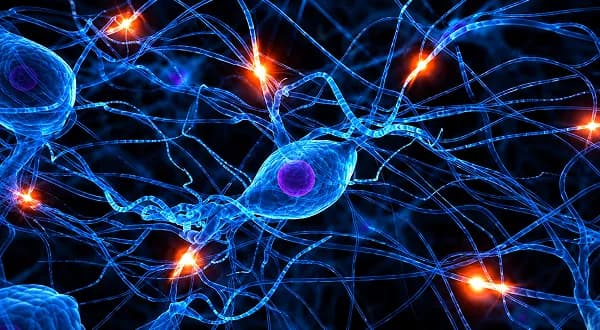
Persistently high blood sugar damages nerves throughout the body, causing tingling, numbness, and pain most commonly in the feet and hands. This is known as diabetic neuropathy.

In women, obesity and type 2 diabetes are closely linked to PMOS and fertility complications. In men, they contribute to declining testosterone and reduced metabolic function.

Managing obesity and diabetes together takes a sustained toll on mental health. Depression and anxiety are more prevalent in patients with both conditions, and further reduce the motivation and capacity to manage them.
Our Approach
Four coordinated therapies work at different levels of fat metabolism and blood sugar regulation together.
Madhavbaug uses two different diet plans depending on each patient’s condition. The Swasthyam Diet Kit is used when obesity is the main concern. It focuses on controlling calories, choosing carbohydrates that do not spike blood sugar, and balancing nutrition based on the patient’s body type.
The Prameha Diet Kit is prescribed when diabetes management is the primary need, a medically supervised 28-day protocol designed to reduce fat around the liver and pancreas and support blood sugar normalisation. Both are personalised to the patient’s metabolic profile and BMI.
A treatment approach unique to Madhavbaug that combines Ayurvedic care with cardiac diagnostics to track and improve BMI, abdominal girth, cholesterol, triglycerides, blood sugar, and heart function together. For patients managing obesity and diabetes both, this integrated monitoring ensures both conditions are tracked and treated as one clinical picture.
Core-specific and aerobic exercises matched to the patient’s current fitness level, including yoga and pranayama, are adjusted progressively as capacity improves. Exercise is prescribed as a clinical tool for improving insulin sensitivity, reducing abdominal fat, and rebuilding the body’s capacity to regulate blood sugar naturally.
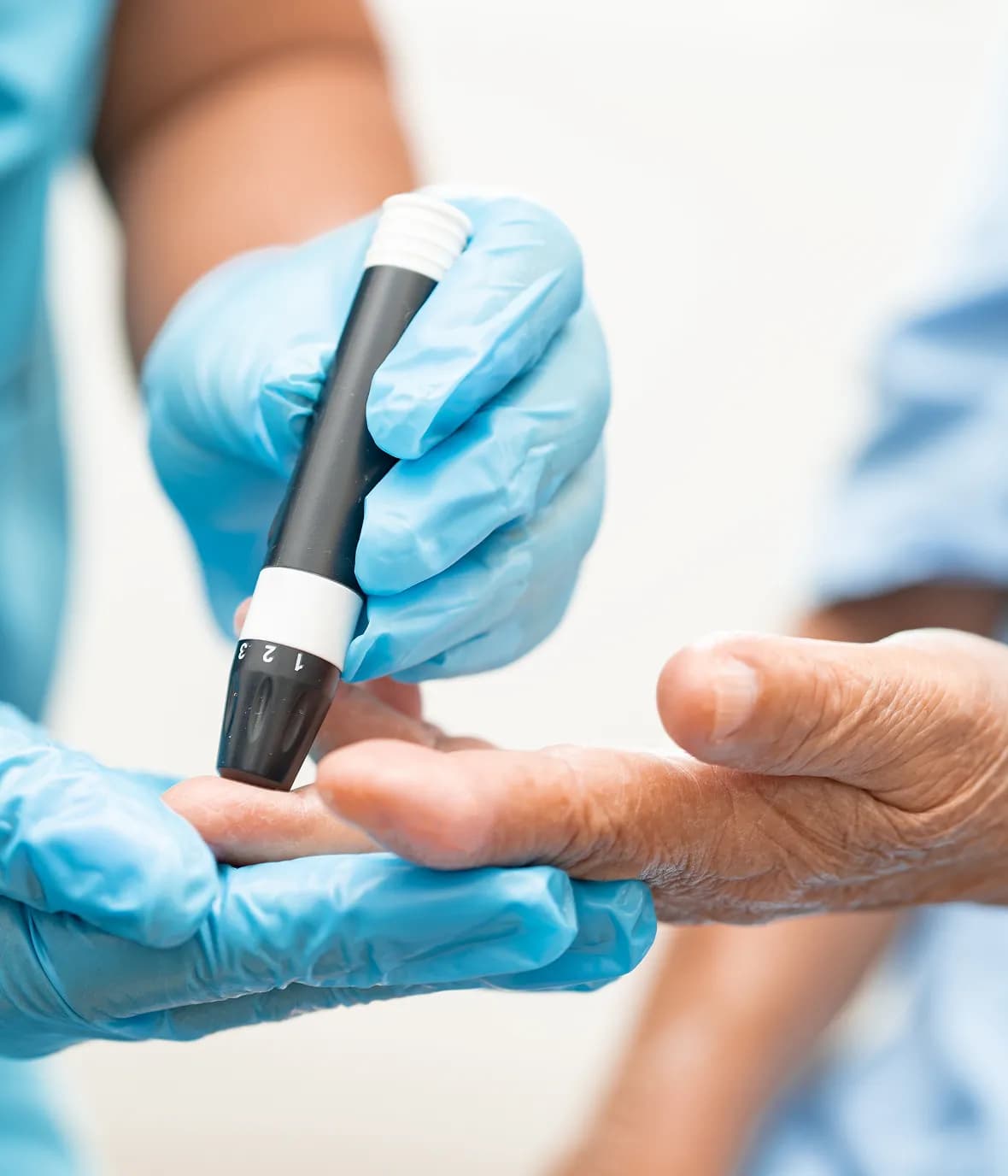
Parameters tracked at every visit include weight, BMI, abdominal girth, blood pressure, blood sugar, and pulse rate. The clinical team monitors both metabolic and diabetic markers in real time and adjusts the protocol based on how the patient is responding throughout treatment.
Why Choose UsFAQsThrough blood sugar control, dietary correction, physical activity, and, where required, medication. The most effective management addresses the root cause, insulin resistance, rather than blood sugar levels alone.
Whole grains, leafy vegetables, lentils, nuts, and low-sugar fruits such as berries and guava. These stabilise blood sugar, support digestion, and reduce inflammation without spiking insulin.
Motivation, Movement, Meals, and Medication. Motivation addresses behavioural drivers. Movement covers structured physical activity. Meals focus on dietary quality and timing. Medication refers to clinical support where lifestyle changes alone are insufficient.
Monitoring, Medication, Meals, Movement, and Mindset. Monitoring tracks blood sugar regularly. Medication manages levels where needed. Meals focus on blood sugar-stable eating. Movement improves insulin sensitivity. Mindset addresses the psychological and behavioural side of long-term diabetes management.
Insulin resistance, hormonal imbalances, chronic inflammation, and certain diabetes medications all make weight loss harder for diabetic patients. This is why a clinically supervised metabolic weight loss programme that addresses the root cause is more effective than a general diet plan.

Don't just manage your condition. Overcome it. Take the first step toward sustainable, evidence-based chronic disease reversal.