


Poor diet
Fried food, processed snacks, and refined carbohydrates push bad cholesterol (LDL) up and pull good cholesterol (HDL) down. That combination accelerates plaque formation in the blood vessels.

High cholesterol accumulates without warning and damages arteries. Madhavbaug's clinically monitored programme reduces harmful blood fats and protects your heart.
 Overview
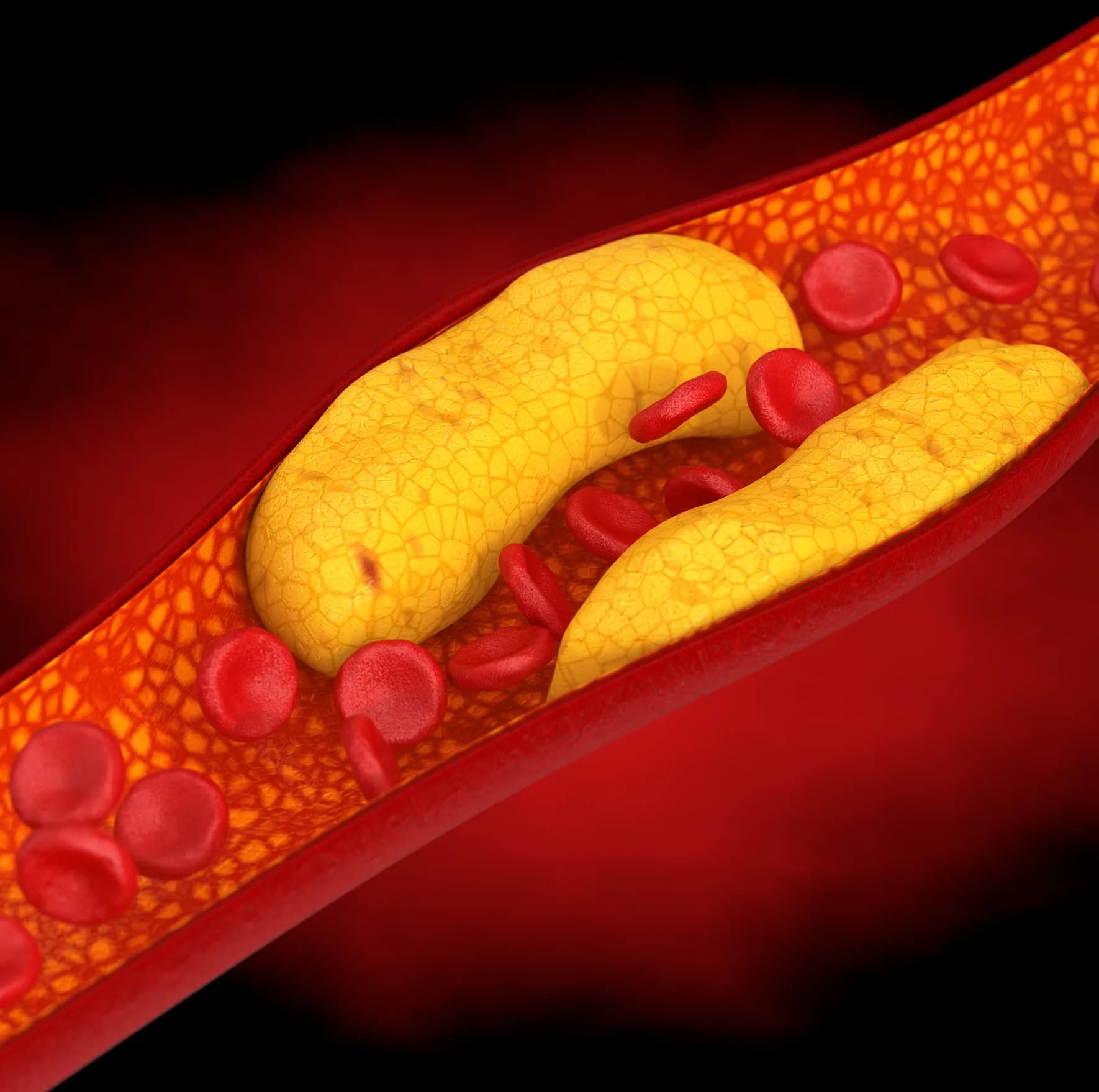
The American Heart Association (AHA) defines high cholesterol (clinically known as hypercholesterolemia or hyperlipidemia) as an excess of low-density lipoprotein (LDL) or “bad” cholesterol, a lack of protective high-density lipoprotein (HDL) or “good” cholesterol, or a high level of non-HDL cholesterol in the blood.
To understand in simpler terms, cholesterol is a waxy substance your body uses to build cells and to make hormones. Your body needs some cholesterol, but having too much in your blood increases the risk of heart disease and stroke. Two types of lipoproteins carry cholesterol to and from cells. One is low-density lipoprotein, or LDL. The other is high-density lipoprotein, or HDL. A test shows the levels of each type of cholesterol in your blood.
LDL cholesterol is considered the “bad” cholesterol because it contributes to fatty buildups in arteries (atherosclerosis). This narrows the arteries and increases the risk for heart attack, stroke and peripheral artery disease, or PAD. HDL cholesterol can be thought of as the “good” cholesterol because a healthy level may help protect against heart attack and stroke. Triglycerides are the most common type of fat in the body. They store excess energy from your diet.
So, high cholestrol indicates three things:
 Ayurveda
In Ayurveda, high cholesterol is said to be an effect of an error in Ahara-parinama, or the process of digestion, absorption, and assimilation of food. Low digestion strength, or Jatharagni-mandya, creates inappropriate Sara-Kitta Vibhajanam (by-products of digestion), which stores up in the body and could be recognised as an excess of circulating lipids or fatty acids. Certain clinical issues may arise when this malarupi-kapha localises across various srothas (channels). This can be correlated to the accumulation of waxy substances in arteries, thus referring to high cholesterol levels. Furthermore, the localisation of this malarupi-kapha localises across various srothas (channels), causing sanga (obstruction) which may be referred to the cardiac risk associated with obstruction of coronary arteries.
CausesFried food, processed snacks, and refined carbohydrates push bad cholesterol (LDL) up and pull good cholesterol (HDL) down. That combination accelerates plaque formation in the blood vessels.

Regular physical activity helps the body regulate cholesterol and other blood fats. Without it, LDL (bad cholesterol) and triglycerides can build up, while HDL (good cholesterol) levels often remain low.
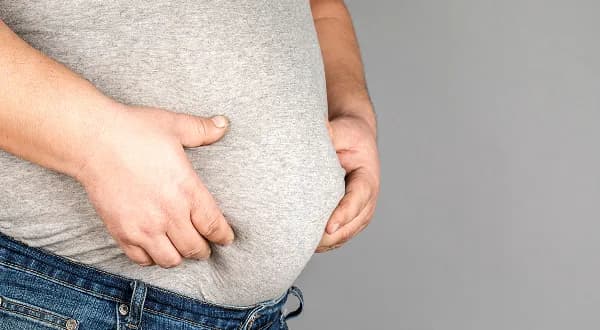
Excess fat stored around internal organs can disrupt normal fat metabolism, leading to higher levels of LDL and triglycerides with lower levels of HDL, increasing the risk of cardiovascular complications.

When blood sugar stays high over time, the liver loses efficiency in processing cholesterol. LDL and triglyceride levels rise as a result.

Hypothyroidism slows metabolism across the board. Cholesterol clearance slows with it.

Cortisol, the stress hormone, increases LDL production and interferes with the liver's ability to process it. Stress is one of the least discussed causes of abnormal blood fat levels (dyslipidaemia).
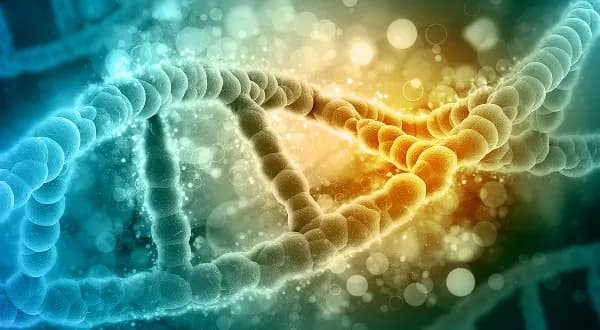
Some people inherit significantly elevated LDL regardless of diet or lifestyle. If a parent or sibling had a heart attack or stroke before 55, a genetic workup is worth discussing with a doctor.
Symptoms 
 DiagnosesRisks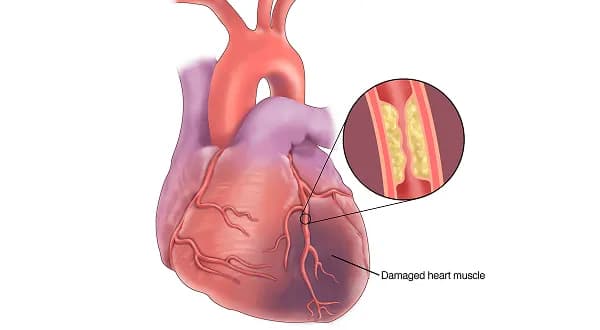
Plaque narrows the heart arteries gradually. The heart receives less blood. This is the central pathway through which high cholesterol causes heart disease.
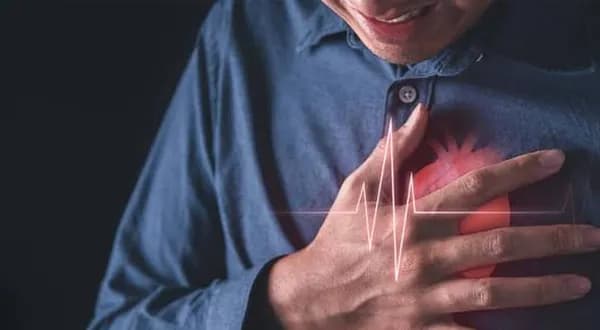
High cholesterol can lead to the buildup of fatty deposits inside the heart's arteries. If one of these deposits ruptures, a blood clot may form and suddenly block blood flow to the heart.
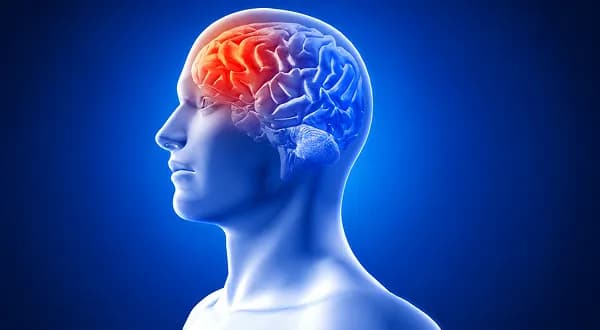
The same process plays out in the brain's blood supply. A clot or fragment reaching a brain’s blood vessels causes a stroke, often with no prior symptoms.
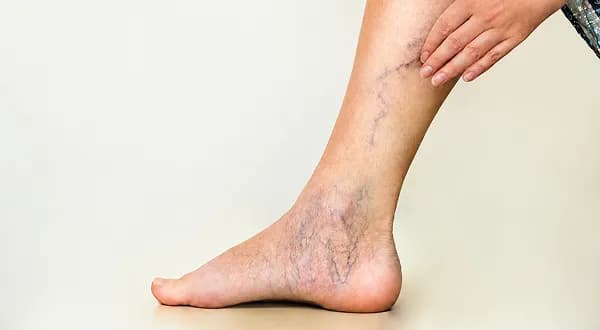
Plaque in the leg arteries reduces circulation, causing pain and, in advanced cases, tissue damage.
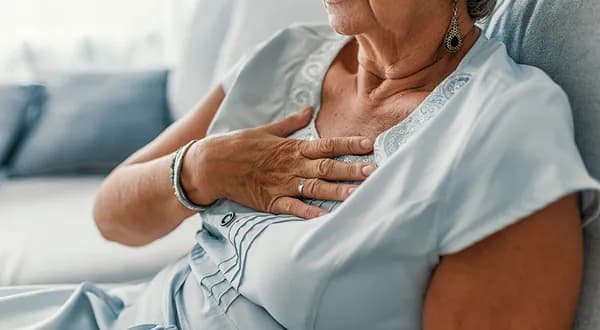
Years of narrowed coronary arteries wear the heart muscle down. Pumping efficiency drops. Chronic heart failure develops gradually from damage that began much earlier.
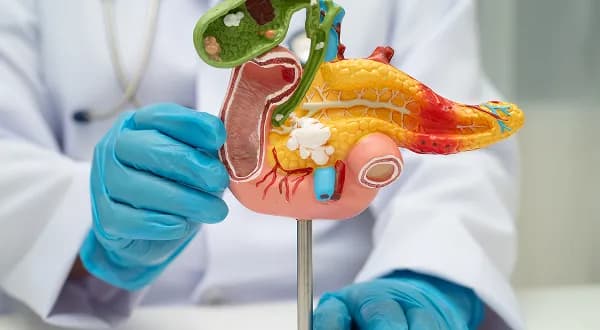
Very high triglyceride levels can trigger inflammation of the pancreas, an organ that helps with digestion. This can cause severe abdominal pain and may require urgent medical attention.
Our Approach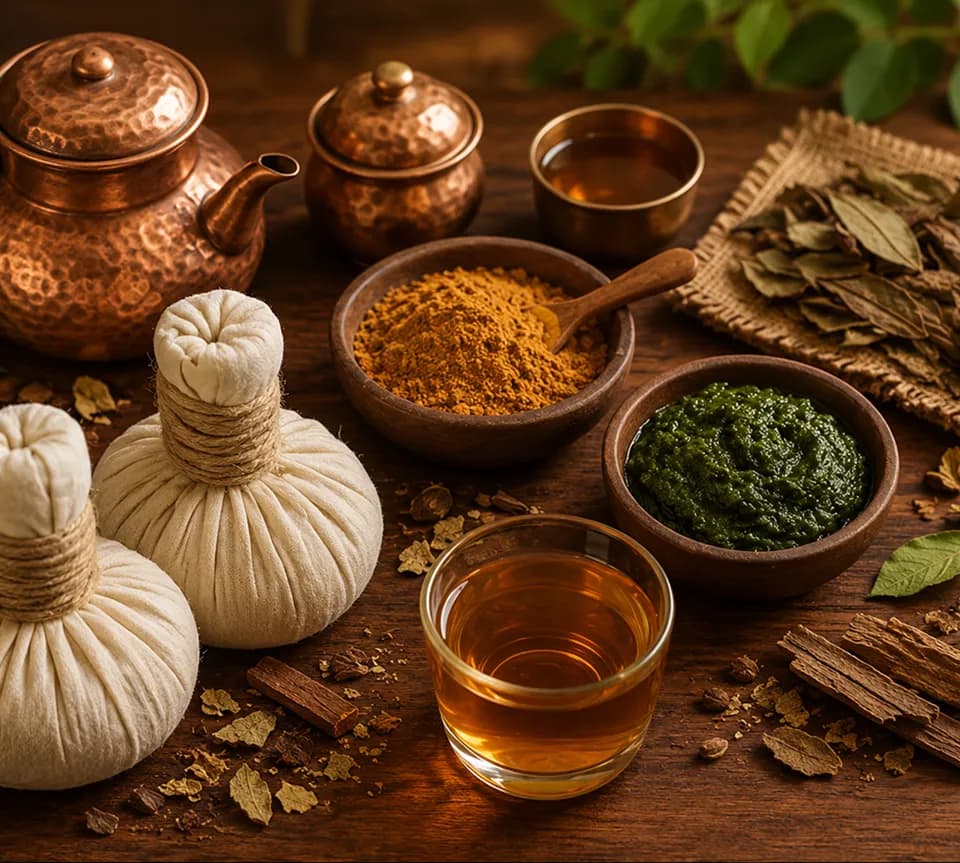
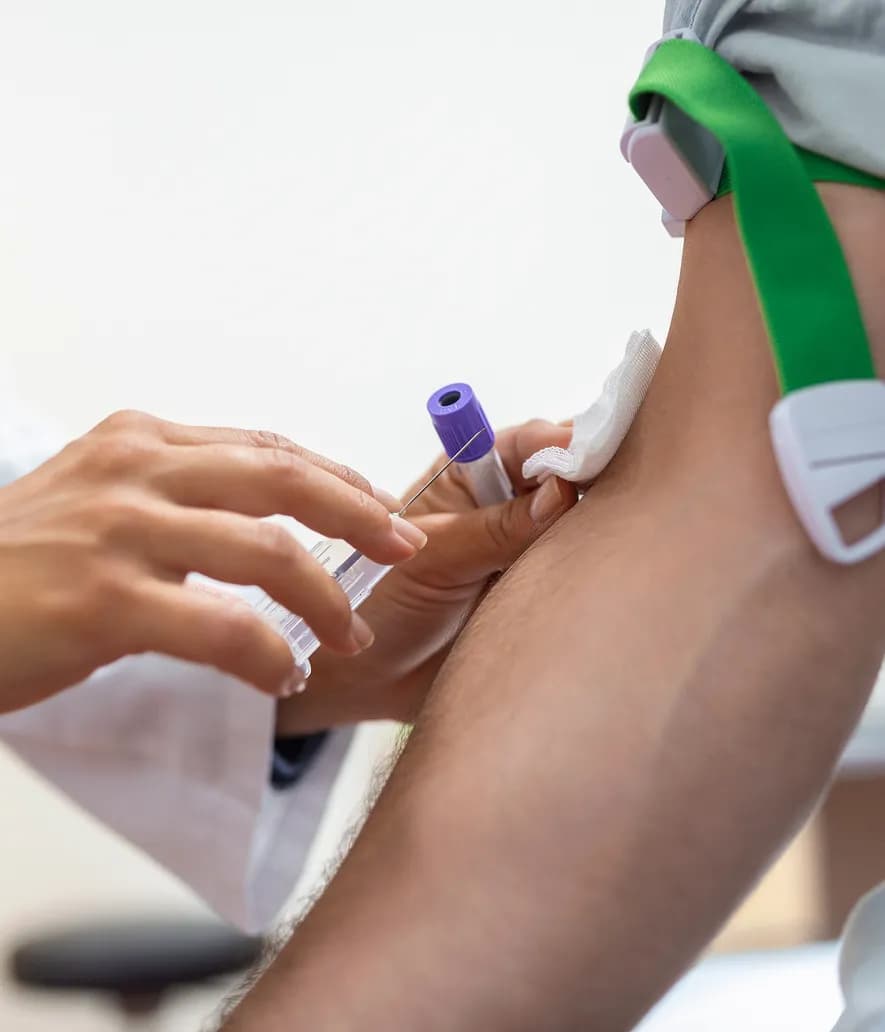
Lipid profile testing, stress tests, and continuous monitoring give the care team an accurate picture of current cardiovascular risk, forming the basis for a treatment protocol tailored to each patient’s actual cholesterol levels and heart health.
Madhavbaug’s comprehensive Panchakarma-based cardiac therapy, encompassing Snehana, Swedana, Basti, and Virechana within a single structured protocol, works at the root level to clear the metabolic toxins responsible for abnormal lipid buildup, rather than just managing cholesterol numbers in isolation.
A structured, anti-inflammatory, low-cholesterol diet is designed to lower LDL levels, reduce systemic inflammation, and remove the dietary triggers that drive plaque formation in the arteries.
Using VO₂max and MET assessments, Madhavbaug builds a progressive exercise protocol matched to each patient’s actual cardiac capacity, improving lipid metabolism and building the cardiovascular strength that protects against cholesterol-related heart risk.
Arj Kadha, Endoguard Capsule, and the Hriday Swasthya Kit use Arjuna-based formulations to reduce LDL oxidation and lower harmful cholesterol levels while supporting overall heart muscle strength and resilience.
Why Choose UsFAQsHigh cholesterol deposits plaque along the coronary arteries, narrowing blood flow to the heart. Over time this leads to angina, heart attack, heart failure, and dangerous arrhythmias. The same process raises stroke risk by affecting the brain’s blood supply.
The heart takes the greatest damage. Plaque builds along the coronary arteries, steadily cutting blood supply to the heart muscle. The liver is also affected, as it produces and clears cholesterol, and chronic overload disrupts its processing. The brain faces elevated stroke risk through the same arterial disease.
High cholesterol is silent until the damage is done. By the time symptoms appear, levels have typically been elevated for years. Watch for chest pain during physical activity, breathlessness from routine tasks, persistent fatigue, yellowish fatty deposits around the eyes or skin, and sudden weakness or slurred speech. Regular lipid screening is the only reliable way to catch it early.
High cholesterol damages the blood vessels gradually over many years. The exact timeline varies from person to person, but the risk increases when cholesterol levels remain high for a long time, especially in people with conditions such as high blood pressure, diabetes, or a history of smoking.
With structured dietary correction, Ayurvedic detoxification, and supervised lifestyle change, meaningful reductions in LDL and triglycerides are typically seen within 8 to 12 weeks. The exact timeline depends on baseline levels, adherence, and individual metabolic factors. LDL cholesterol management through Madhavbaug’s programme is tracked through regular lipid testing throughout treatment.

Don't just manage your condition. Overcome it. Take the first step toward sustainable, evidence-based chronic disease reversal.