


Poor dietary habits
Food that is processed, high in refined carbohydrates, and low in fibre keeps blood sugar unstable. The body stores the excess as fat. Hunger signals stop working accurately.

Move beyond lifelong medication. Discover how Madhavbaug’s data-driven clinical care helps you address the root cause of Obesity.
 Overview
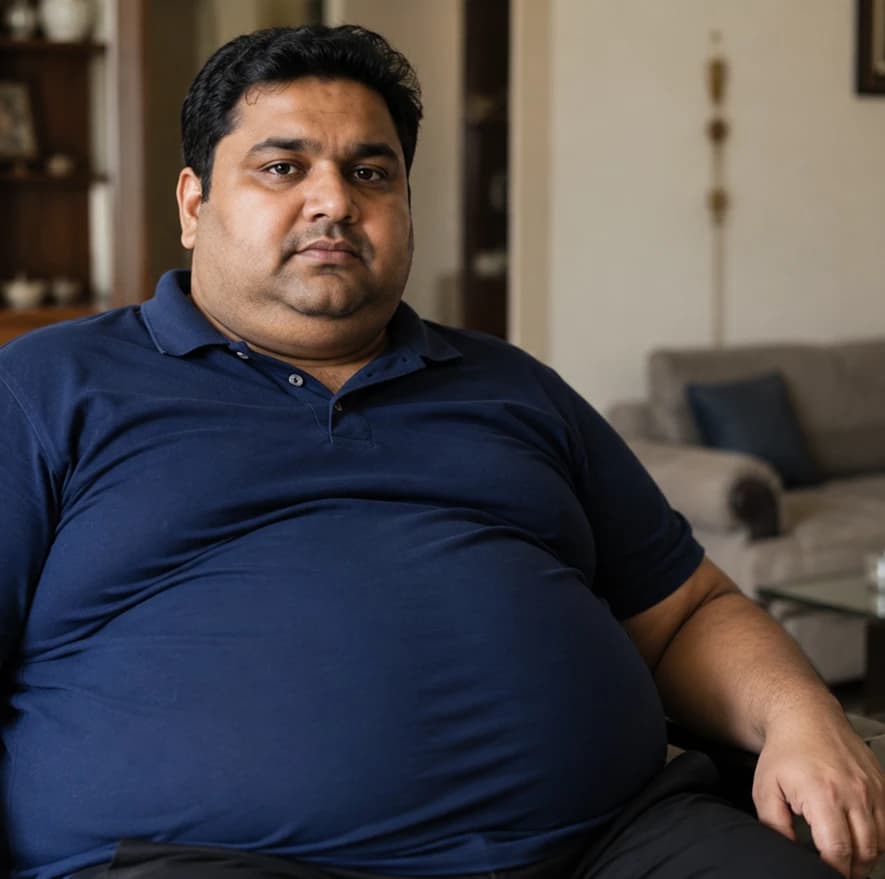
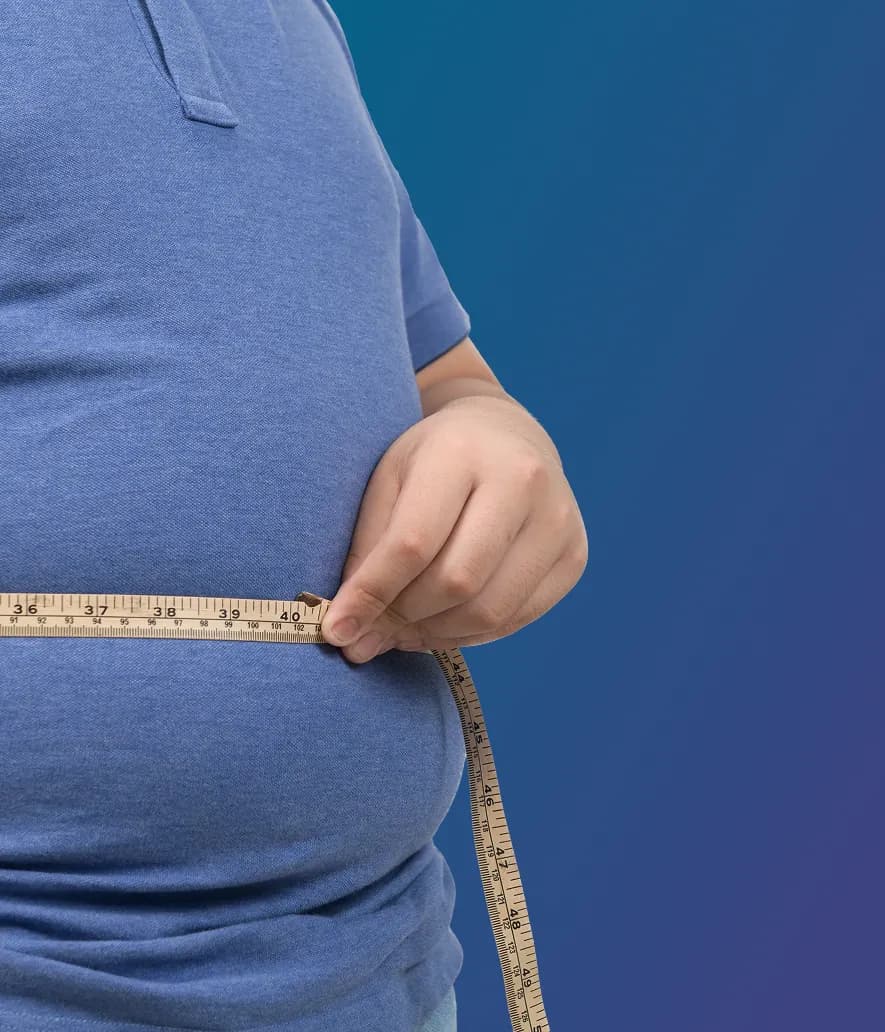
World Health Organisation (WHO) defines obesity as abnormal or excessive fat accumulation that puts a person’s health at risk. Clinically, it is measured using Body Mass Index (BMI), where a BMI over 25 is considered overweight, and a BMI over 30 is considered obese.
Over time, this excess fat (especially the kind that builds up around your internal organs) starts to affect how your body functions on a basic level. Ayurveda named this condition ‘Sthoulya Roga’ centuries ago. The underlying mechanism, in Ayurvedic terms, is excess Kapha dosha (the force that governs weight and fluid in the body), causing abnormal accumulation of Meda Dhatu (the fat tissue) while Ama (undigested metabolic waste) clogs the channels through which fat is broken down.
Modern medicine and Ayurveda agree on one thing. When your metabolism is not working properly, simply eating less does not fix it. Madhavbaug’s obesity reversal programme works on correcting your metabolism directly.
 Obesity & Ayurveda
Ayurveda explains obesity as Sthaulya. The main reasons are consumption of unwholesome food, over eating, untimely eating, less physical activities, sleeping at day time etc. Due to the above factors, the quality of digestive and metabolic fire (agni) becomes impaired leading to abnormalities in fat metabolism. This ends up in obesity. Genetically, a person with Kapha nature (prakriti), will always be on the plumper side and also has the tendency to gain weight and become obese.
The correction in the basic metabolic activities (agni) through a specially and individually designed Panchakarma is the line of approach in ayurveda for the effective and sustainable management of obesity.
CausesFood that is processed, high in refined carbohydrates, and low in fibre keeps blood sugar unstable. The body stores the excess as fat. Hunger signals stop working accurately.

Moving helps your body burn fat. Without enough physical activity, fat builds up and blood sugar control gets harder over time.

Ongoing stress raises hormone levels that signal the body to store more fat. Insulin resistance then prevents this stored fat from being used for energy.

Sleep deprivation disrupts the hormones that regulate hunger and fullness, increasing appetite and promoting fat storage.
Symptoms
 DiagnosesRisks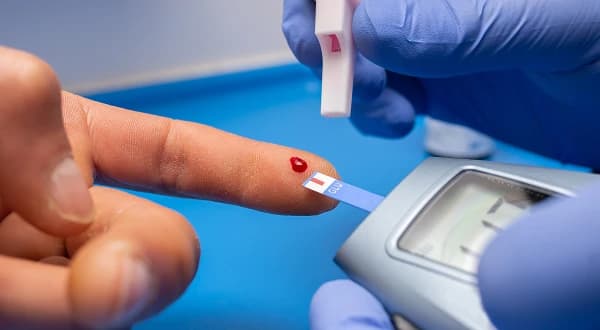
Fat around internal organs is the primary cause of insulin resistance. Over time, the pancreas cannot compensate, and blood sugar regulation breaks down.
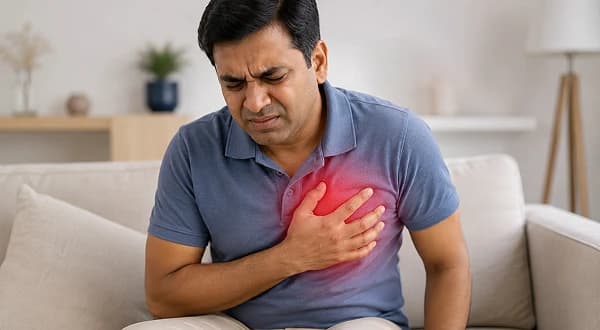
Obesity raises bad cholesterol (LDL) and triglycerides, lowers good cholesterol (HDL), and increases inflammation in blood vessels. Each of these factors raises heart disease risk on its own, and together, the risk is even higher.
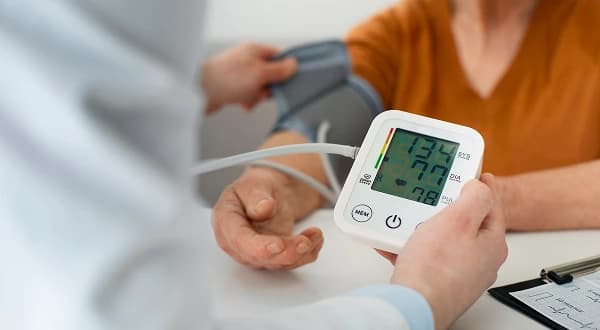
Excess weight increases the amount of blood the heart has to pump and makes blood vessel walls stiffer. In obese patients, high blood pressure may not always respond well to medication alone.
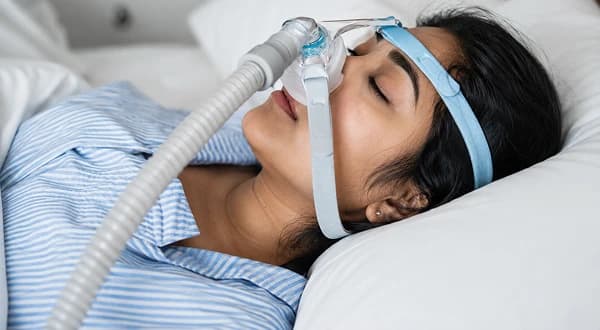
Fat deposits around the airway can cause it to collapse during sleep. This disrupts sleep, raises blood pressure overnight, and places ongoing stress on the heart.
Our Approach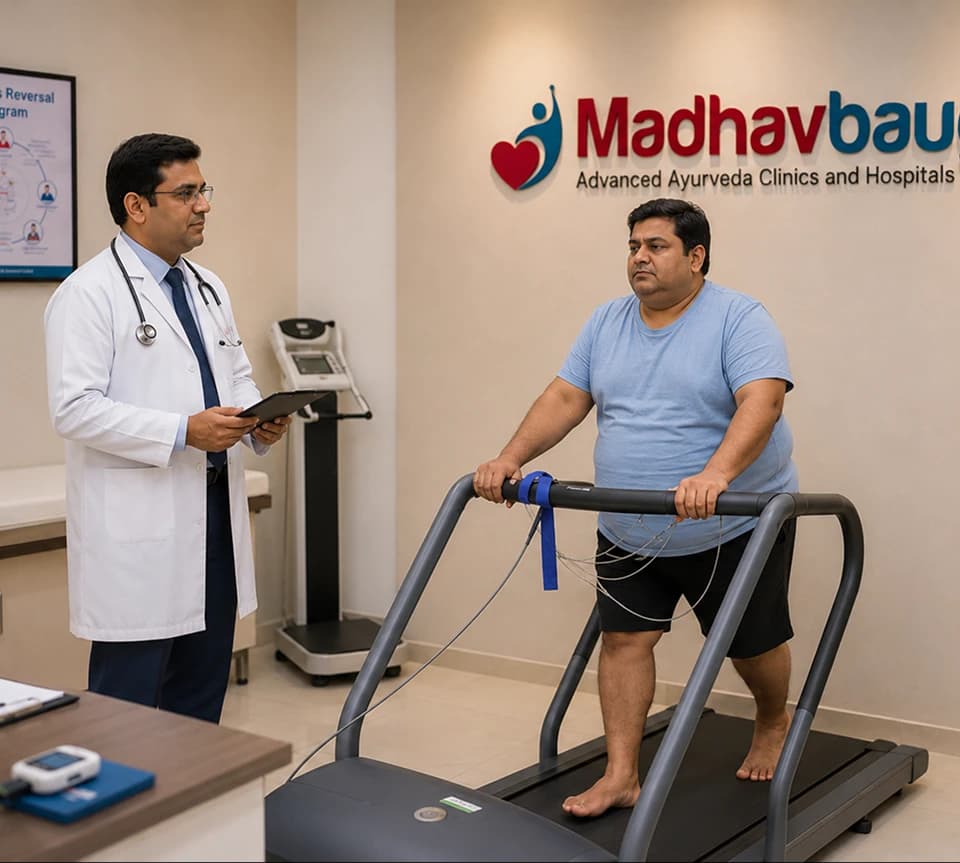
Each procedure targets a specific layer of metabolic dysfunction.
A medically supervised diet plan based on calorie control, slow-release carbs, and Ayurvedic dosha balance. Each plan is personalised to your metabolic profile and BMI.
It helps stabilise blood sugar, improve digestion, and create the right conditions in your body for lasting fat loss.
Madhavbaug’s proprietary herbal formulations support fat metabolism, digestion, and lipid correction as part of obesity management.
Unique to Madhavbaug. Ayurvedic treatment is integrated with modern cardiac diagnostics to improve BMI, cholesterol, triglycerides, HbA1c, and heart function together because obesity and heart disease are connected conditions and not separate ones. This integrated obesity treatment approach addresses what most programmes leave untreated.
Aerobic exercise, strength training, yoga, and Pranayama are matched to the patient’s current capacity and adjusted as fitness improves.
Real-time tracking of BMI, abdominal girth, and metabolic markers. The clinical team adjusts the programme based on data throughout treatment.
Why Choose UsFAQsEffective obesity management addresses the metabolic root causes, not just calorie intake. It combines dietary correction, physical activity, hormonal and digestive support, and Panchakarma detoxification with herbal formulations that correct insulin resistance and fat metabolism together. Madhavbaug’s obesity management programme brings all of these into one clinically supervised, non-surgical protocol.
The 4 M’s are Motivation, Movement, Meals, and Medication. Motivation addresses behavioural and psychological drivers of weight gain. Movement covers structured physical activity. Meals focus on dietary quality and timing. Medication refers to clinical support where lifestyle changes alone are insufficient.
The 3-3-3 rule suggests three meals a day, three hours between the last meal and sleeping, and three litres of water daily. It helps build consistent eating habits but does not address the metabolic causes of obesity. A supervised clinical programme produces more reliable and lasting results.
Yes. Madhavbaug’s obesity management programme is non-surgical. Panchakarma, herbal medicines, dietary correction, and structured exercise achieve weight reduction by correcting the internal conditions driving fat accumulation.
Treatments that correct the underlying metabolic causes, like insulin resistance, hormonal imbalance, and impaired digestion, produce more lasting results than calorie restriction alone. Madhavbaug’s Ayurvedic weight loss programme addresses these root causes through Panchakarma, herbal formulations, a supervised diet, and Cardiac Metabolic Therapy.

Don't just manage your condition. Overcome it. Take the first step toward sustainable, evidence-based chronic disease reversal.