

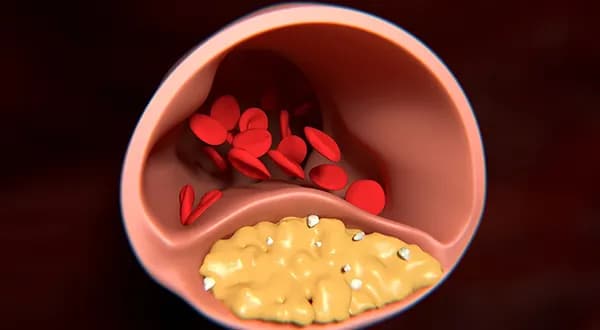
Hardening and Narrowing of Arteries
Constant high pressure damages the inner lining of your blood vessels, making them stiff and narrow. This makes clots to form, blocking blood flow to the brain.

Move beyond lifelong medication. Discover how Madhavbaug’s data-driven clinical care helps you address the root cause of high blood pressure and stroke.

 Overview
Hypertension is a condition where your blood pressure levels are considered to be higher than normal, which is 140/90mmHg.
The American Heart Association (AHA) defines a Stroke as an episode of neurological dysfunction caused by permanent brain, spinal cord, or retinal cell death due to a vascular event. This means when the pressure on the walls of the artery increases, the tension increases, and when it is so high that it bursts open, creating a rupture, or it creates a blood clot which decreases the blood flow to the brain, impacting its function.
According to a recent survey in India, approximately 1.8 million new brain strokes occur every year. This breaks down to 4,931 strokes per day, or roughly one stroke every 20 seconds, of which high blood pressure (hypertension) is the leading risk factor, responsible for roughly 42% of all strokes nationwide. High BP is a very common condition that affects millions of adults. Leaving it unmanaged creates a direct link between uncontrolled hypertension and stroke, heart attacks, and kidney failure. Fortunately, stroke prevention in hypertension is entirely possible. Preventing long-term complications can be achieved with targeted lifestyle and habit changes like regular physical activity, managing weight, and eating a heart-healthy diet.
 Ayurveda
In Ayurveda, a stroke is a result of imbalance in all three doshas: Vata, Pitta, and Kapha. Vata is responsible for transportation and circulation; Pitta is the main entity that goes hand in hand with blood and blood vessels; and Kapha is responsible for accumulation or obstruction in the channels. These imbalances together lead to stroke.
CausesConstant high pressure damages the inner lining of your blood vessels, making them stiff and narrow. This makes clots to form, blocking blood flow to the brain.

A diet high in sodium, processed foods, unhealthy fats, and refined sugars causes your body to retain fluids and strains your blood vessels, which speeds up the development of high BP stroke risk.

Lack of regular exercise makes your heart work harder to pump blood, which raises pressure across your circulatory system. Regular movement keeps blood vessels flexible and is a key factor in reducing stroke risk naturally.
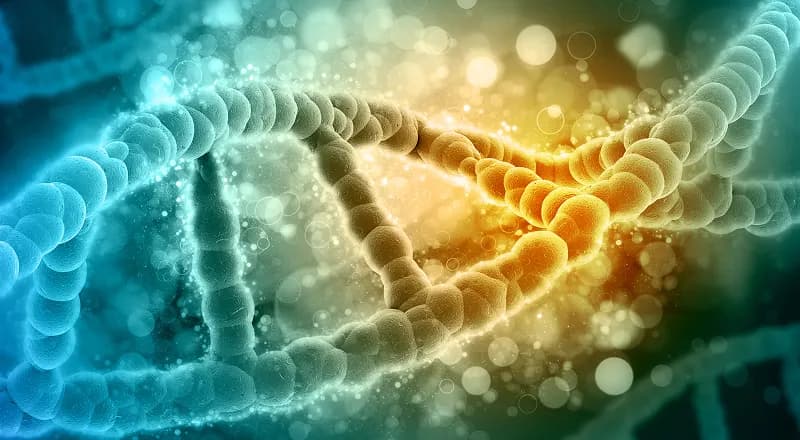
Having a parent or close relative with high blood pressure significantly increases your chances of developing it. Genetic factors influence how your blood vessels react to daily stress and salt intake.

Mental stress releases hormones like cortisol and adrenaline, which tighten blood vessels and spike blood pressure. Poor sleep also interrupts the natural nighttime drop in blood pressure.

As we get older, blood vessels naturally lose some of their elasticity. Additionally, underlying metabolic issues like obesity, diabetes, and high cholesterol compound the stress on your arteries, multiplying overall stroke risk factors.
Symptoms 
 DiagnosesRisks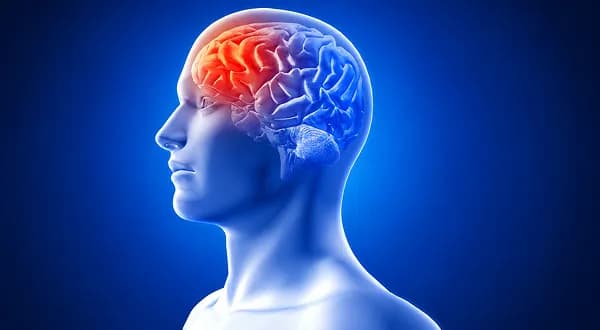
Whether it is a blockage from a clot or a ruptured blood vessel due to high pressure, the result is damaged brain tissue that can change your life in an instant.

High blood pressure forces your heart to work much harder than it should. Over time, this thickens the heart muscle and damages coronary arteries, leading to heart attacks or gradual heart failure.
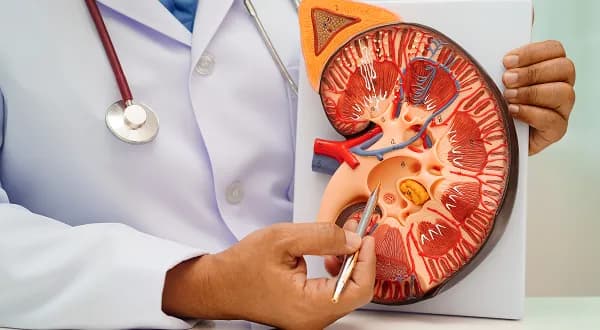
The kidneys rely on a delicate network of tiny blood vessels to filter waste. High blood pressure strains the kidneys’ filtering system, scar tissue builds up, and it can eventually cause chronic kidney disease.
The high blood pressure brain damage caused by narrowed or blocked arteries reduces oxygen supply to the brain. This can lead to memory loss, difficulty concentrating, and vascular dementia.

The delicate blood vessels supplying your retina can burst or become blocked due to high pressure, leading to permanent blurred vision or complete blindness.
Our Approach
At Madhavbaug, a wearable device called Ambulatory Blood Pressure Monitoring, or ABPM, is used for tracking your blood pressure for a full 24 hours. This gives us a much clearer picture than a single clinic reading and helps us catch patterns that are easy to miss.
When blood pressure stays high for a long time, your blood vessels become stiff and narrow. Our Panchakarma therapies are designed to clear out internal toxins, known in Ayurveda as Ama, and ease the load on your heart.
This is a nutrition plan supervised by our doctors and based on the well-known DASH (Dietary Approaches to Stop Hypertension) diet, designed to ease the load on your blood vessels.
Madhavbaug uses carefully measured Ayurvedic medicines that support healthy blood pressure without harmful side effects.
Every exercise plan we design at Madhavbaug is based on your age, fitness level, and medical history, so it’s safe and effective for you specifically. It combines light cardio, therapeutic yoga, and breathing exercises (Pranayama) to help:
Long-term stress keeps your body stuck in fight or flight mode, and it’s one of the biggest reasons blood pressure stays high. To help keep your numbers stable over time, we build stress relief into your daily routine through:
Why Choose UsFAQsThe best way is reversing arterial stiffness through a holistic approach combining an Ayurvedic panchakarma detox, a low-sodium diet, and guided exercise. Madhavbaug’s evidence-based protocols target root cardiovascular causes to normalise blood pressure levels naturally without long-term medication dependency.
While high blood pressure is usually a silent condition, immediate warning signs of an impending stroke include sudden weakness on one side of the body, slurred speech, sudden blurred vision, and dizziness. Regular blood pressure tracking is the most reliable way to catch high risks early.
Adopting a low-salt diet, managing stress, and losing a small percentage of body weight can dramatically improve blood vessel elasticity. Madhavbaug helps you achieve this sustainably by combining medical nutrition and specialized therapies to significantly lower your overall stroke risk factors.
Yes, because elevated blood pressure silently damages your blood vessels, doubling your risk of heart attacks, brain stroke, and kidney strain before you even notice symptoms. However, managing it early provides a critical window of opportunity to reset your cardiovascular health.
A normal blood pressure is generally under 120/80 mmHg. Hypertension is diagnosed when numbers consistently stay above 130/80 mmHg, and anything over 140/90 mmHg significantly increases your long-term complications. Madhavbaug tracks these exact markers using advanced diagnostics to customise your recovery protocol.

Don't just manage your condition. Overcome it. Take the first step toward sustainable, evidence-based chronic disease reversal.