

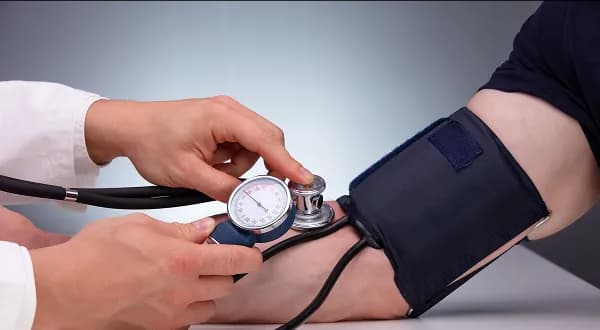
Long-Standing High BP
The single biggest reason for heart disease risk from hypertension is blood pressure that stays high for years without being properly controlled, putting constant strain on your heart muscle and blood vessels.

Move beyond lifelong medication. Discover how Madhavbaug’s data-driven clinical care helps you address the root cause of high blood pressure and heart disease.

 Overview
Hypertensive heart disease refers to the structural and functional changes in the heart caused by chronic, uncontrolled high blood pressure. It develops when high blood pressure forces your heart to work much harder than it should for months or years at a stretch. Your heart is a muscle, and just like any muscle that is overworked, it begins to change shape and lose its natural rhythm over time.
Think of your heart pumping blood through narrowed, stiff pipes every single day. To push blood through this extra resistance, the wall of the left side of the heart starts to thicken. Doctors call this hypertension and left ventricular hypertrophy. A thickened heart wall sounds like it should make the heart stronger, but it actually makes it stiffer and less efficient at pumping blood.
Over the years, this added strain can lead to several high BP heart problems, including an enlarged heart, irregular heartbeat, reduced pumping capacity, and a higher chance of a heart attack. High blood pressure and heart disease are closely linked, which is why doctors see blood pressure control for heart health as one of the most important steps you can take and why the right hypertension and heart disease treatment can often slow down or even reverse much of this damage.
 Ayurveda
Ayurveda has described heart-related disorders (Hridroga) with detailed clinical observations by classical scholars like Charaka, Sushruta, and Vagbhata. The heart (Hridaya) is considered a vital organ and is described as the Moola (root) of Pranavaha Srotas, playing an important role in maintaining the flow of Prana (life energy) and essential functions of the body. Any disturbance in the normal functioning of these pathways can affect the nourishment and activity of the heart.
CausesThe single biggest reason for heart disease risk from hypertension is blood pressure that stays high for years without being properly controlled, putting constant strain on your heart muscle and blood vessels.
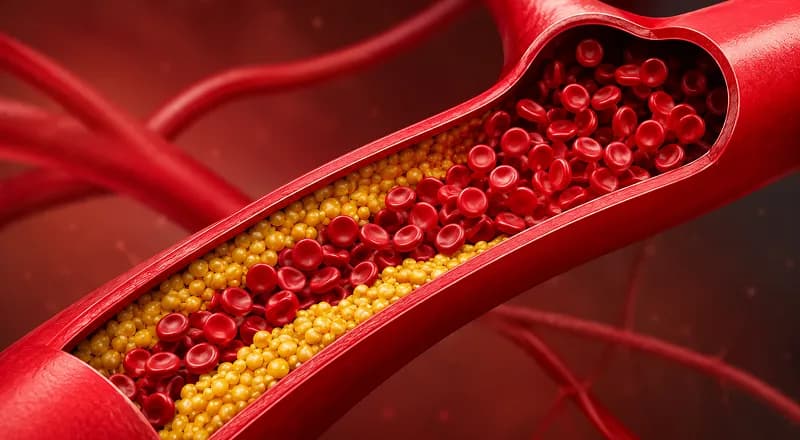
When high blood pressure combines with high cholesterol, fatty deposits build up faster inside your artery walls, narrowing the pathways your heart depends on for a steady blood supply.
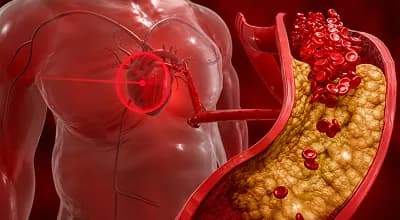
Years of high pressure can injure the inner lining of your arteries. This sets the stage for hypertension and coronary artery disease, where narrowed or blocked arteries reduce blood flow to the heart muscle.

Constant stress keeps your blood vessels tightened and your heart rate elevated, adding to the daily workload your heart has to handle.

Limited physical activity combined with extra weight makes it harder for your heart to pump efficiently and raises both blood pressure and cholesterol at the same time.

If close family members have had high blood pressure or heart disease, your own risk tends to be higher because of inherited patterns in how your body manages blood pressure and cholesterol.
Symptoms 
 DiagnosesRisks
When the heart has been working overtime for years, it can eventually become too weak or stiff to pump enough blood for your body's needs, a condition known as heart failure.

High blood pressure and heart attack risk are closely linked, since damaged and narrowed arteries make it easier for a clot to block blood flow to part of the heart muscle.
Hypertensive heart disease raises your chance of stroke too, since the same artery damage that affects your heart can also affect the blood vessels supplying your brain.
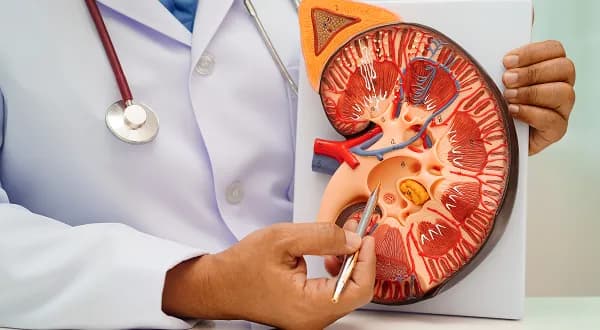
Your heart and kidneys work closely together, so reduced pumping efficiency from a strained heart can also affect how well your kidneys filter waste from your blood.
An enlarged or thickened heart is more likely to develop rhythm problems like atrial fibrillation, which adds to the risk of stroke and other hypertension cardiac complications.
Our Approach
At Madhavbaug, a wearable device called Ambulatory Blood Pressure Monitoring, or ABPM, is used for tracking your blood pressure for a full 24 hours. This gives us a much clearer picture than a single clinic reading and helps us catch patterns that are easy to miss.
When blood pressure stays high for a long time, your blood vessels become stiff and narrow. Our Panchakarma therapies are designed to clear out internal toxins, known in Ayurveda as Ama, and ease the load on your heart.
This is a nutrition plan supervised by our doctors and based on the well-known DASH (Dietary Approaches to Stop Hypertension) diet, designed to ease the load on your blood vessels.
Madhavbaug uses carefully measured Ayurvedic medicines that support healthy blood pressure without harmful side effects.
Every exercise plan we design at Madhavbaug is based on your age, fitness level, and medical history, so it’s safe and effective for you specifically. It combines light cardio, therapeutic yoga, and breathing exercises (Pranayama) to help:
Long-term stress keeps your body stuck in fight or flight mode, and it’s one of the biggest reasons blood pressure stays high. To help keep your numbers stable over time, we build stress relief into your daily routine through:
Why Choose UsFAQsLong-term high blood pressure forces your heart to work harder than it should, which over time leads to a thickened heart muscle, damaged arteries, and a higher chance of heart failure or a heart attack. This combination is often called hypertensive heart disease.
In many cases, yes, especially when it is caught early. Once blood pressure is brought under control and the extra strain on the heart is reduced, the thickened heart wall can gradually improve with the right treatment and lifestyle changes.
Yes. High blood pressure and heart attack risk are closely connected, since constant pressure damages the inner lining of your arteries, making it easier for blockages to form and cut off blood flow to your heart.
Yes, when supervised by qualified doctors. At Madhavbaug, our ayurvedic therapies and High-Quality herbal medicines are designed to work alongside your existing care, supporting your heart and blood pressure without unwanted side effects.
A combination of a low sodium, heart-friendly diet; regular gentle exercise; stress management; and consistent blood pressure monitoring makes the biggest difference. Lifestyle management for heart disease works best when it becomes a steady daily habit rather than an occasional effort.

Don't just manage your condition. Overcome it. Take the first step toward sustainable, evidence-based chronic disease reversal.