


Insulin Resistance
The body stops directing energy properly and begins storing it as fat around the abdomen. This is the most clinically significant cause of abdominal fat accumulation and the hardest to reverse through diet alone.

Move beyond lifelong medication. Discover how Madhavbaug’s data-driven clinical care helps you address the root cause of Belly Fat Accumulation.

 Overview
Belly fat isn’t just extra weight around your waist. It is actually visceral fat, which collects around the internal organs rather than just beneath the skin. According to the American Heart Association, belly fat raises your heart disease risk, even if your overall weight is normal. This fat actively triggers inflammation and is closely linked to insulin resistance, both of which damage blood vessels over time. This is why belly fat carries far greater health risks than fat stored just under the skin and needs proper clinical attention, not just dietary changes.
Ayurveda describes this as excess Meda Dhatu (fat tissue) in the abdomen, caused by weak digestion and a build-up of toxins called Ama. Both views agree on one thing: the real problem is internal, which is why a targeted belly fat reduction programme is needed to fix it at the source.
Food intake drops, but the abdomen keeps expanding. This gap between effort and outcome points to an internal metabolic issue.
The belly feels and looks distended throughout the day, particularly after meals. Impaired digestion and Ama accumulation in the abdominal region are usually the main reasons.
Fat around the organs affects how the body generates energy. Tiredness that persists through the day regardless of rest is a frequently overlooked sign.
Triglycerides, low-density lipoprotein (LDL) cholesterol, and blood sugar begin rising alongside abdominal fat accumulation, often well before any cardiac or diabetic symptoms appear.
The heart and lungs work harder when fat is present around the abdominal organs. Activities that once felt easy begin to feel effortful.
In women, abdominal fat accumulation is closely linked to Polycystic Ovary Syndrome, PCOS (now included in Polyendocrine Metabolic Ovarian Syndrome, or PMOS), irregular cycles, and fertility complications. In men, it contributes to declining testosterone levels.
Fat accumulation around the organs increases the load on the cardiovascular system. Blood pressure rises and frequently proves difficult to control through medication alone.
CausesThe body stops directing energy properly and begins storing it as fat around the abdomen. This is the most clinically significant cause of abdominal fat accumulation and the hardest to reverse through diet alone.

An underactive thyroid slows how the body burns calories. When stress hormones elevated, fat storage directed towards the abdomen. High insulin causes stimulation of ovaries releasing more androgens.
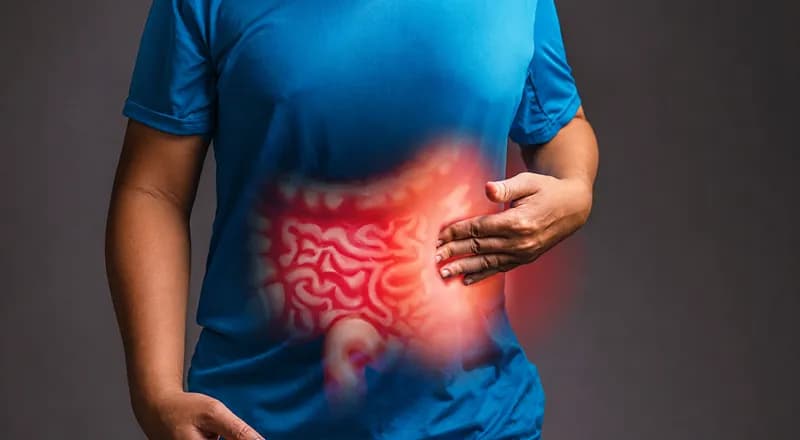
When digestive fire weakens, metabolic waste accumulates as Ama in the body's fat channels. This blocks fat metabolism and causes abdominal fat to build up steadily over time.

Sugar, refined carbohydrates, and irregular meals keep the body producing excess insulin. Higher insulin levels promote fat storage around the abdomen consistently.

Muscle burns fat even at rest. As movement decreases, muscle mass declines, and the body's capacity to burn calories falls with it.

Chronic stress raises cortisol, making the liver release more sugar. This increases insulin levels and, over time, promotes fat storage, especially around the abdomen, causing belly fat.

Disrupted sleep shifts the hormones that govern hunger and fullness. The result is increased appetite and accelerated fat storage around the abdomen in time.
Symptoms 
 DiagnosesRisks
Excess fat around the abdomen strains the body's ability to regulate blood sugar. Gradually, this breaks down completely and Type 2 diabetes sets in.
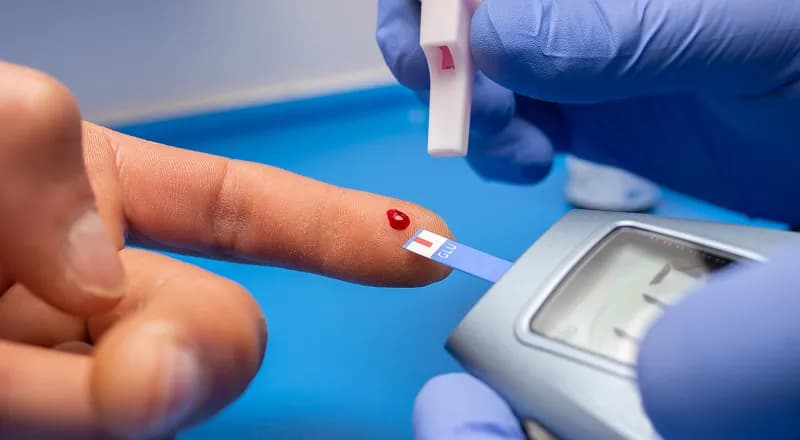
Belly fat and heart disease are closely connected. Fat around the organs affects cholesterol levels and places extra strain on the heart and blood vessels over time, increasing the risk of heart-related complications.
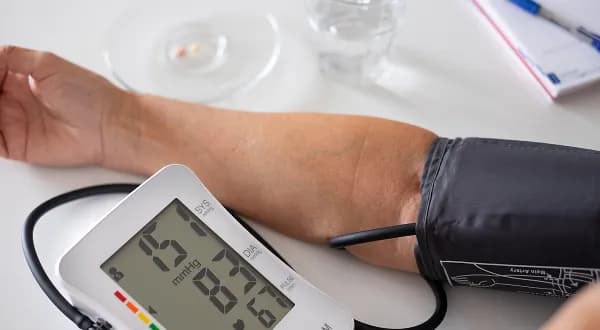
Excess abdominal fat forces the heart to work harder with every beat. Blood vessel walls stiffen with time, and blood pressure rises, often proving difficult to control through medication alone.
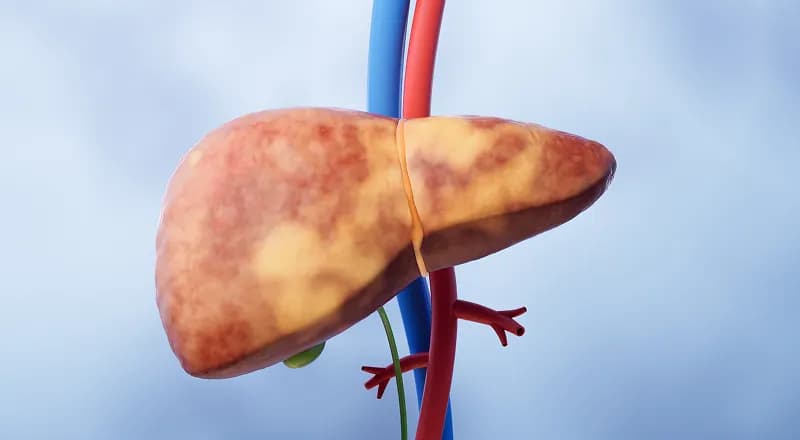
Fat builds up in the liver and affects how it processes cholesterol and blood sugar. Fatty liver disease has become one of the most common liver conditions in India.

Excess weight puts constant pressure on the knees and hips. Over time, this wears down the cartilage and increases the risk of early joint deterioration.

In women, abdominal fat accumulation is closely linked to PMOS, irregular cycles, and fertility complications. In men, it contributes to declining testosterone and overall hormonal imbalance over time.

Fat deposits around the airway can interfere with breathing during sleep, disrupting rest and putting constant stress on the heart overnight. Study also says disrupted sleep cause ghrelin to increase hunger and cause weight gain.
Our Approach
Four coordinated therapies work at different levels of fat metabolism to clear what has accumulated and restore the body’s ability to process fat efficiently.
A medically supervised diet plan focused on controlling calories, choosing carbohydrates that release energy slowly instead of causing sugar spikes, and balancing nutrition based on your individual body type.
Each plan is personalised to your metabolic profile, blood sugar, and blood pressure, designed to stabilise blood sugar, improve digestion, and address every component of metabolic syndrome together.
Madhavbaug’s herbal formulations support fat breakdown, digestion, and cholesterol control as part of the belly fat reduction programme.
Ayurvedic treatment combined with cardiac diagnostics to monitor and improve BMI, abdominal girth, cholesterol, triglycerides, blood sugar, and heart function together. Belly fat and heart disease are connected conditions, and this component addresses both simultaneously.
Core-specific and aerobic exercises matched to the patient’s current fitness level, including yoga and Pranayama, are adjusted progressively as capacity improves. The goal is to reduce belly fat actively by rebuilding the body’s capacity to burn abdominal fat through targeted movement, not general fitness training.
Parameters tracked at every visit include weight, BMI, abdominal girth, blood pressure, blood sugar, and pulse rate. The clinical team adjusts diet and treatment intensity based on data throughout the programme, so the protocol adapts rather than stalls.
Why Choose UsFAQsBelly fat reduces when the underlying causes are addressed. Factors such as poor metabolism, hormonal changes, and digestive issues can all contribute to fat accumulation around the abdomen. A structured, supervised programme is more likely to deliver lasting results than crash diets or exercise alone.
Reducing bloating in 7 days is possible to some extent by cutting sugar, refined carbohydrates, and processed food. Lasting reduction in abdominal fat takes longer and requires correcting the metabolic conditions driving it. Seven days is a good start, not a finish line.
Measurable reduction in abdominal girth within 30 days is possible with the right approach combining diet correction, Panchakarma, and targeted exercise. Significant fat reduction around the organs takes longer, but 30 days of the right programme produces visible early results.
No drink burns belly fat on its own. Warm water with lemon, green tea, and jeera water supports digestion and reduces bloating as part of a broader metabolic correction programme. They are supporting elements, not solutions.
Fat around the organs directly interferes with how the body regulates blood sugar, cholesterol, and hormones. This is what connects belly fat to heart disease, diabetes, and hormonal complications. Fat stored under the skin does not carry the same systemic risk.

Don't just manage your condition. Overcome it. Take the first step toward sustainable, evidence-based chronic disease reversal.