


High Blood Sugar
Consistently high levels of blood sugar are the primary cause of diabetic neuropathy; high glucose slowly damages fibres of the nerves and affects their ability to send and receive signals.
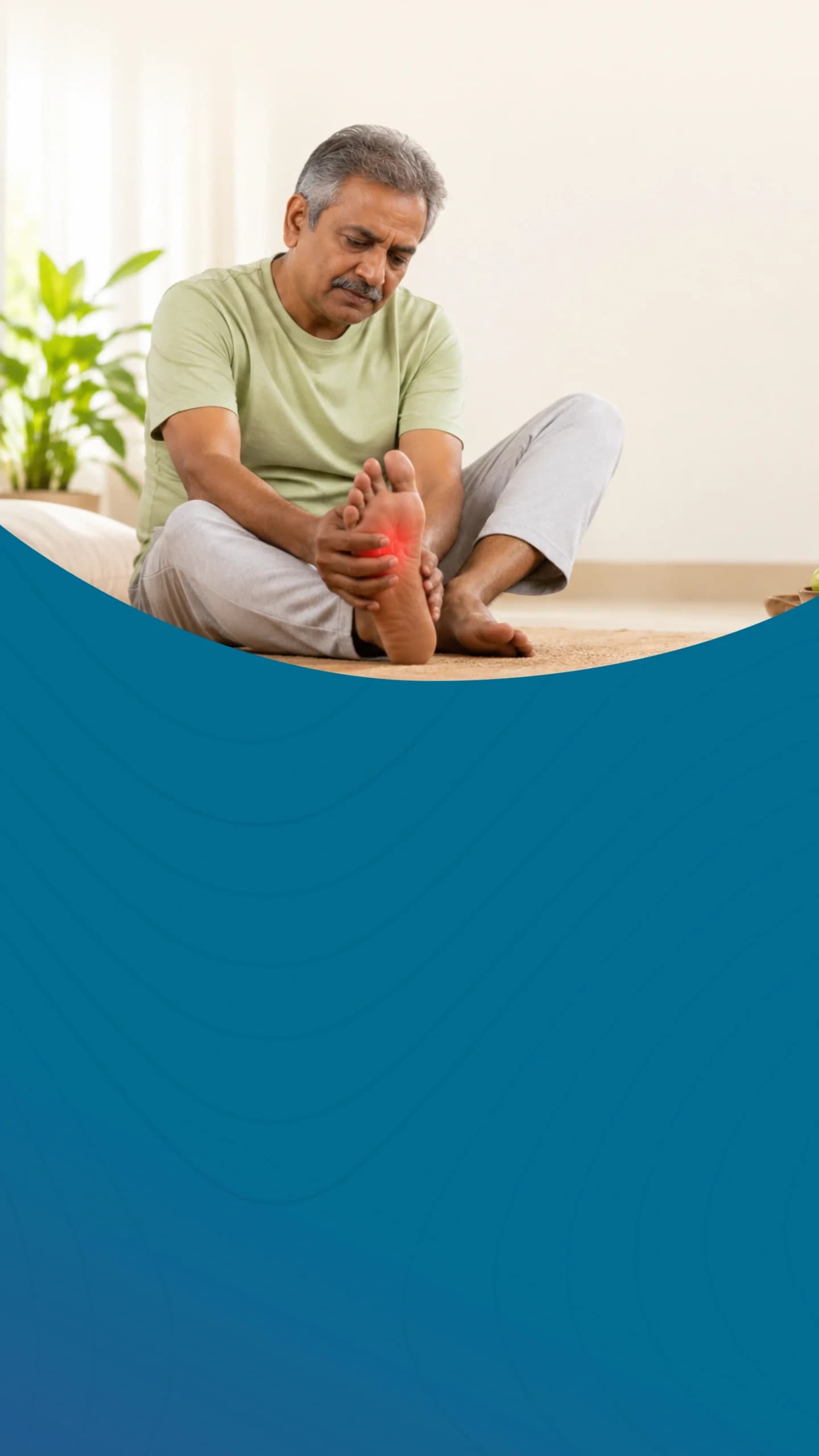
Move beyond lifelong medication. Discover how Madhavbaug’s data-driven clinical care helps you address the root cause of diabetic neuropathy.
 Overview
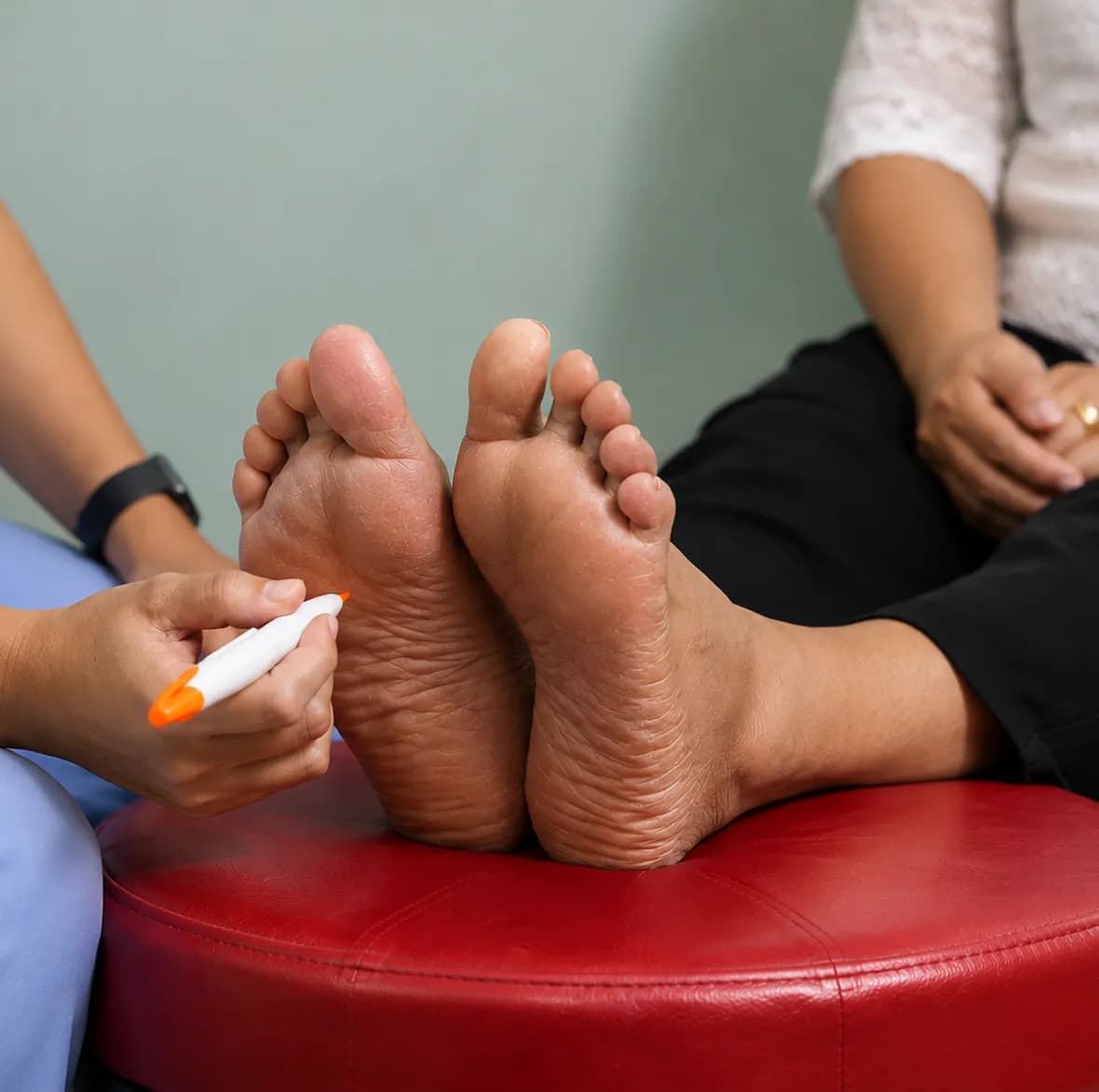
Diabetic Neuropathy refers to the development of peripheral nerve dysfunction in patients with diabetes when other causes are excluded. Put simply, diabetic neuropathy is nerve damage caused due to diabetes. Nerves are fibrous, cable-like structures that transfer signals from the brain to the rest of your body, controlling important functions like your digestion, movement of body parts, and your feelings about certain things.
Diabetic neuropathy can have different types, which are:
 Ayurveda
In Ayurveda, diabetes mellitus can be correlated with Madhumeha, a subtype of Prameha. Although there is no direct description of diabetic peripheral neuropathy as a distinct entity, its clinical features may be understood in the context of Poorvaroopa (premonitory features) and Upadrava (complications) of Prameha. Symptoms such as Daha (burning sensation) and Suptata (numbness) are described as premonitory features of Prameha. Based on clinical presentation, diabetic neuropathy may be interpreted as a condition predominantly involving Vata and Pitta dosha imbalances.
CausesConsistently high levels of blood sugar are the primary cause of diabetic neuropathy; high glucose slowly damages fibres of the nerves and affects their ability to send and receive signals.

Diabetes damages the small blood vessels supplying nerves with oxygen and nutrients. Reduced blood flow prevents proper nerve repair, leading to peripheral nerve damage over time.
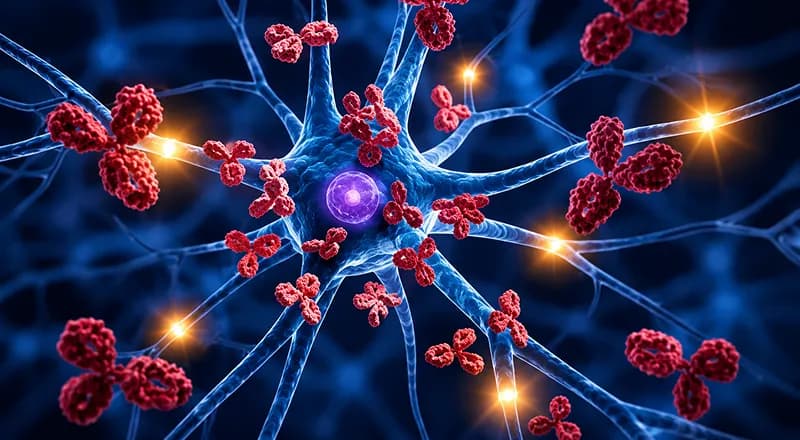
The immune system can mistakenly target and damage your body’s own nerve cells as a response to changes in blood sugar levels, in some cases.

Over time, persistent imflammation triggered by diabetes can directly damage and attack nerve tissue.

A first-degree relative with diabetes can put you at a higher risk for nerve damage, even with a moderate elevation in blood sugar levels.

Harmful lifestyle factors like smoking and alcohol can constrict your blood vessels and prevent circulation to the nerves. This can increase chances of nerve damage in a diabetic patient.

Continuous pressure on nerves due to carpal tunnel syndrome or other syndromes of the nerves which are common in diabetes can cause or worsen focal neuropathy.

Patients taking metformin long-term may develop Vitamin B12 deficiency, which can worsen neuropathy. Vi
Symptoms 
 Diagnoses
Answer 6 quick questions about your diabetes profile and get your personalised score in under 2 minutes.
Risks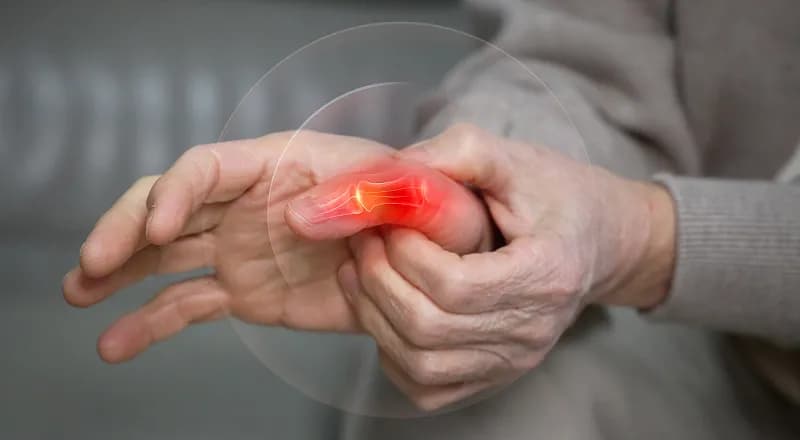
Loss of nerve sensation means foot injuries may go unnoticed. Untreated wounds can become infected, making early diabetic foot care and ulcer treatment essential.

Muscle weakness and loss of balance lead to poor coordination and can increase the chances of falling and the serious injuries that can occur due to falls.

Due to a loss of sensation and poor circulation, bacteria and infections may go unchecked, leaving individuals with diabetes highly vulnerable to deep tissue and bone infections.
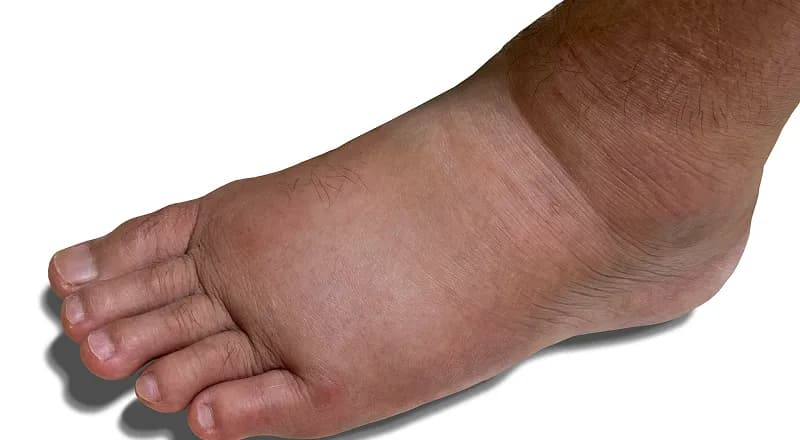
The bones of the foot can fracture and shift without the patient knowing about it or feeling it due to severe nerve damage. This can cause poor foot structure and a deformity called Charcot foot.

Autonomic neuropathy may reduce the perception of chest pain during myocardial infarction, resulting in "silent" heart attacks that can cause little to no chest pain but serious drops in blood pressure.

The chronic pain, physical boundaries of movement and loss of independence due to neuropathy may increase the risk of depression and anxiety over time.
Our Approach
Are time-tested Ayurvedic treatments like snehan (oleation) with neurogen oil, then shalishastik pind sweda (Ayurvedic heat therapy), and neurogen oil basti (medicated enema) that reduce stubborn body fat and help your body improve peripheral circulation supporting metabolic control, reducing inflammation and repairs damaged nerves strenthen weak nerves.
Is a personally guided, 28-day meal plan of 800 carefully chosen calories, not a crash diet, but a medically designed eating plan that helps your body shed harmful fat stored around the liver and pancreas, which is one of the key drivers of diabetes.
Are proprietary, High-Quality Ayurvedic formulations that gently repair your pancreas, protect your kidneys, nerves, and eyes, and stabilise your blood sugar, all without harmful side effects.
Combines simple daily cardio, strength training, and yoga, along with balance training, gait stability, foot muscle strengthening, fall prevention, and breathing exercises tailored to your body type, helping reverse muscle loss, reduce stress hormones, and restore your body’s natural ability to regulate blood sugar.
Why Choose UsFAQsThe earliest signs are typically tingling, burning, or a mild numbness in the toes and feet, often more noticeable at night. Some people also experience unusual sensitivity to touch or a faint pins-and-needles sensation that comes and goes before becoming persistent.
Neuropathy symptoms in diabetes have the five most commonly experienced symptoms as tingling or numbness in the feet and hands, sharp or burning pain, muscle weakness, loss of balance, and slow-healing foot wounds. In more advanced cases, digestive issues, bladder problems, and dizziness upon standing may also develop.
The most effective approach begins with bringing blood sugar levels under consistent control, as this slows further nerve damage. Madhavbaug’s integrated treatment combines Ayurvedic therapies to improve circulation and nerve function, targeted dietary protocols, and lifestyle interventions that address the root metabolic cause rather than masking symptoms with medication alone.
In its early stages, diabetic neuropathy can be significantly improved and, in some cases, reversed with sustained blood sugar control and appropriate clinical intervention. However, long-standing or severe nerve damage is largely irreversible. This makes early detection and prompt treatment critical to preserving nerve function before permanent damage sets in.
Yes, in most cases, diabetic neuropathy is preventable. Keeping blood sugar levels consistently within a healthy range is the single most effective measure. Alongside this, maintaining a balanced diet, staying physically active, avoiding smoking and excess alcohol, and scheduling regular foot and nerve check-ups significantly reduce the risk of nerve damage developing or progressing.
Don't just manage your condition. Overcome it. Take the first step toward sustainable, evidence-based chronic disease reversal.