

Insulin Resistance
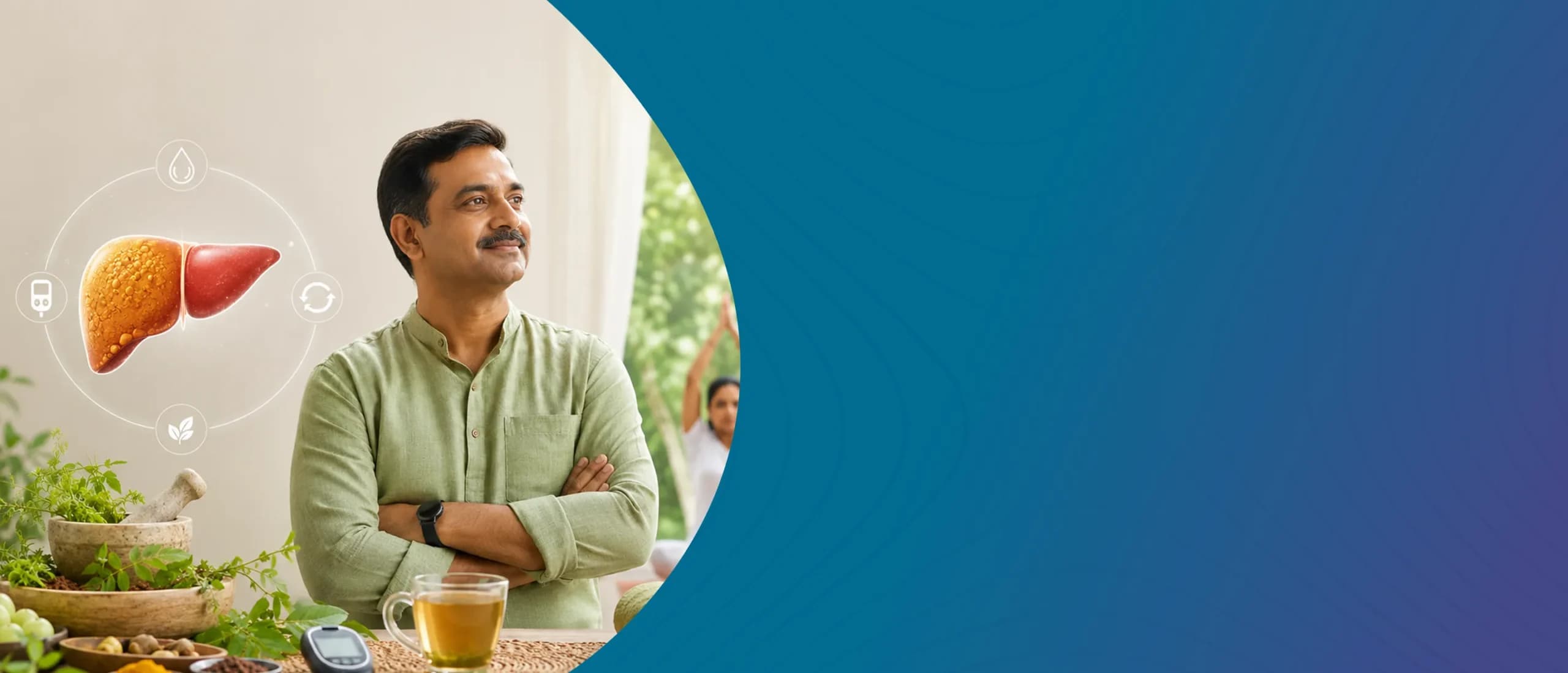
When the body's cells stop responding to insulin properly, the liver compensates by producing more glucose and storing more fat. This fat accumulation in the liver then worsens insulin resistance further.
Discover how Madhavbaug's clinical care helps you address the root cause of diabetes and fatty liver disease together.
 Overview
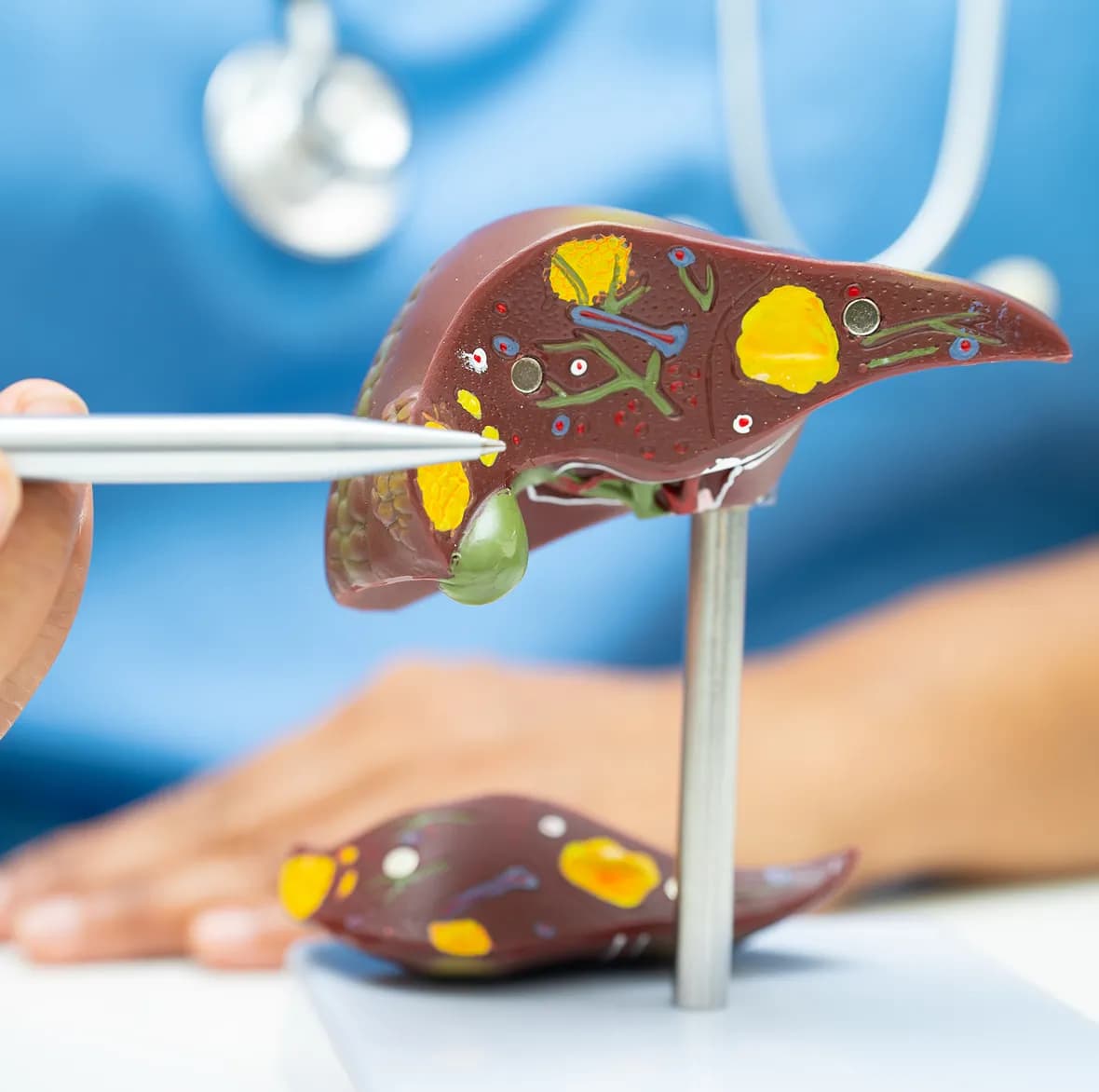
Fatty liver disease and type 2 diabetes are two conditions that are deeply and directly connected. When excess fat builds up inside the liver, it interferes with the liver’s ability to regulate blood sugar effectively, driving insulin resistance and pushing blood sugar levels higher. At the same time, poorly controlled diabetes encourages further fat accumulation in the liver, worsening the condition and creating a damaging cycle that affects the entire body.
This combination is far more common than most people realise. Studies suggest that more than half of all people with type 2 diabetes have some degree of non-alcoholic fatty liver disease, also known as NAFLD. Left unaddressed, this can progress from simple fat accumulation to liver inflammation, scarring, cirrhosis, and, in severe cases, liver failure.
The liver is the body’s most important metabolic organ. It regulates blood sugar, processes fats, filters toxins, and produces proteins essential for life. When the liver is burdened with excess fat and compromised by uncontrolled diabetes, virtually every system in the body is affected. This is why Madhavbaug’s approach treats both conditions together, addressing their shared root cause rather than managing each one separately.
 Ayurveda
In Ayurveda, diabetes and fatty liver are both classified under the term “Santarpanjanya Vikara” (disease due to improper and overnutrition). In this case, an imbalance in the body’s doshas (Vata, Pitta, and Kapha) disrupts the normal functioning and impairs the pancreas and impairs insulin production as well as the liver function. The approach to diabetes management and fatty liver disease in Ayurveda involves a personalised assessment of an individual’s constitution (Prakriti) and the identification of imbalances (Vikriti). Lifestyle modifications, dietary changes, herbal supplements, and therapeutic practices like yoga and meditation are integral components of Ayurvedic interventions.
CausesWhen the body's cells stop responding to insulin properly, the liver compensates by producing more glucose and storing more fat. This fat accumulation in the liver then worsens insulin resistance further.
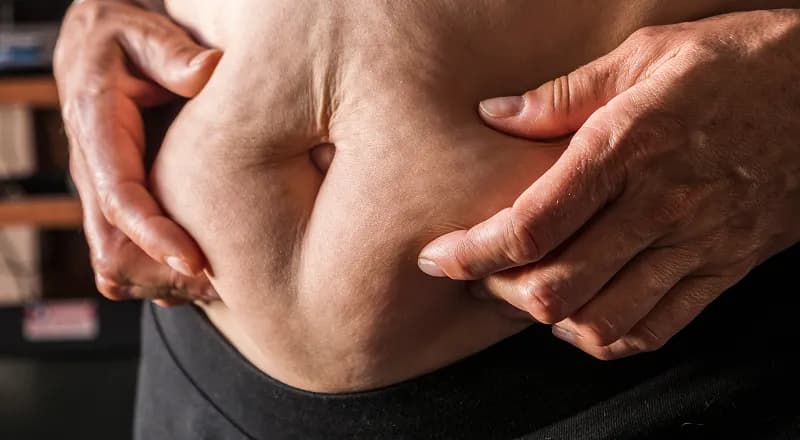
Fat stored deep in the abdomen around the organs, particularly the liver, is far more metabolically harmful which releases inflammatory signals that damage liver cells directly, disrupting the blood sugar levels.

Diets rich in white rice, refined flour, sugar, sweetened beverages, and processed foods cause repeated spikes in blood sugar and insulin, accelerating the development of fatty liver disease in diabetic patients.

Physical inactivity reduces the body's ability to burn fat and use glucose effectively, leading to fat accumulation in the liver and worsening of both insulin resistance and blood sugar control.
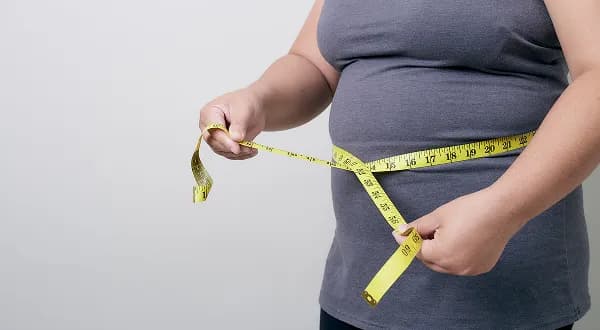
Excess body weight, particularly central obesity, increases the risk of developing both type 2 diabetes and fatty liver disease. These 3 conditions are viewed as expressions of the same underlying metabolic disorder.
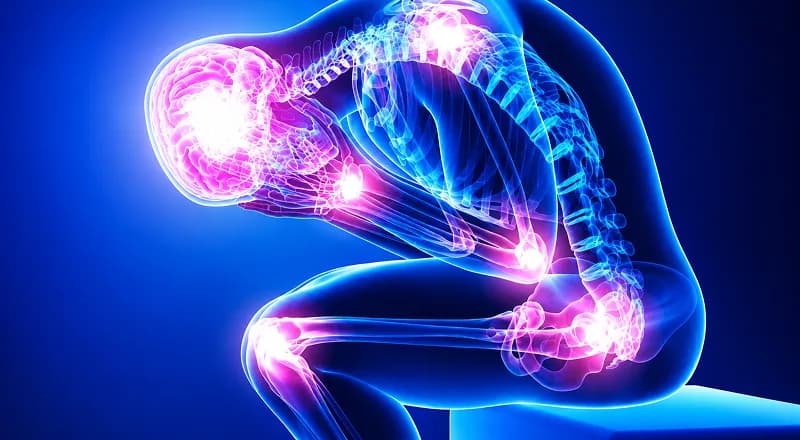
Long-term low-grade inflammation, which is common in both diabetes and obesity, directly damages liver cells over time and accelerates the progression from simple fatty liver to more serious liver scarring and disease.
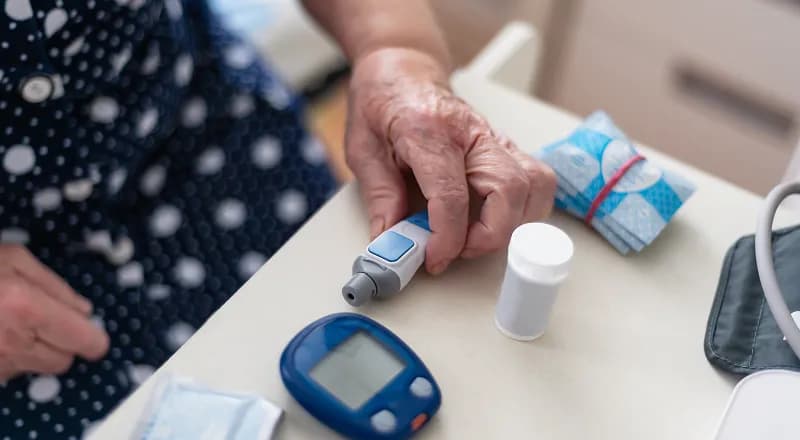
Some medications used to manage blood sugar can promote fat storage in the liver as a side effect, making it important to address the root cause of both conditions rather than relying solely on medication for long-term management.
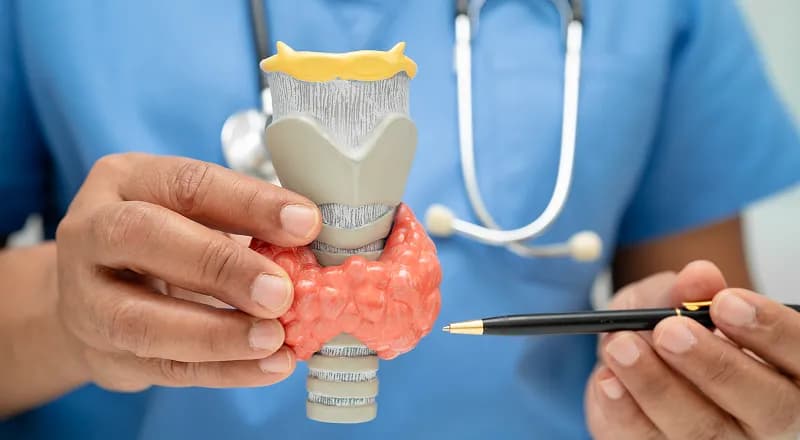
Conditions such as hypothyroidism and hormonal irregularities slow down the body's metabolism, encourage fat storage in the liver, and make blood sugar regulation significantly harder.
Symptoms 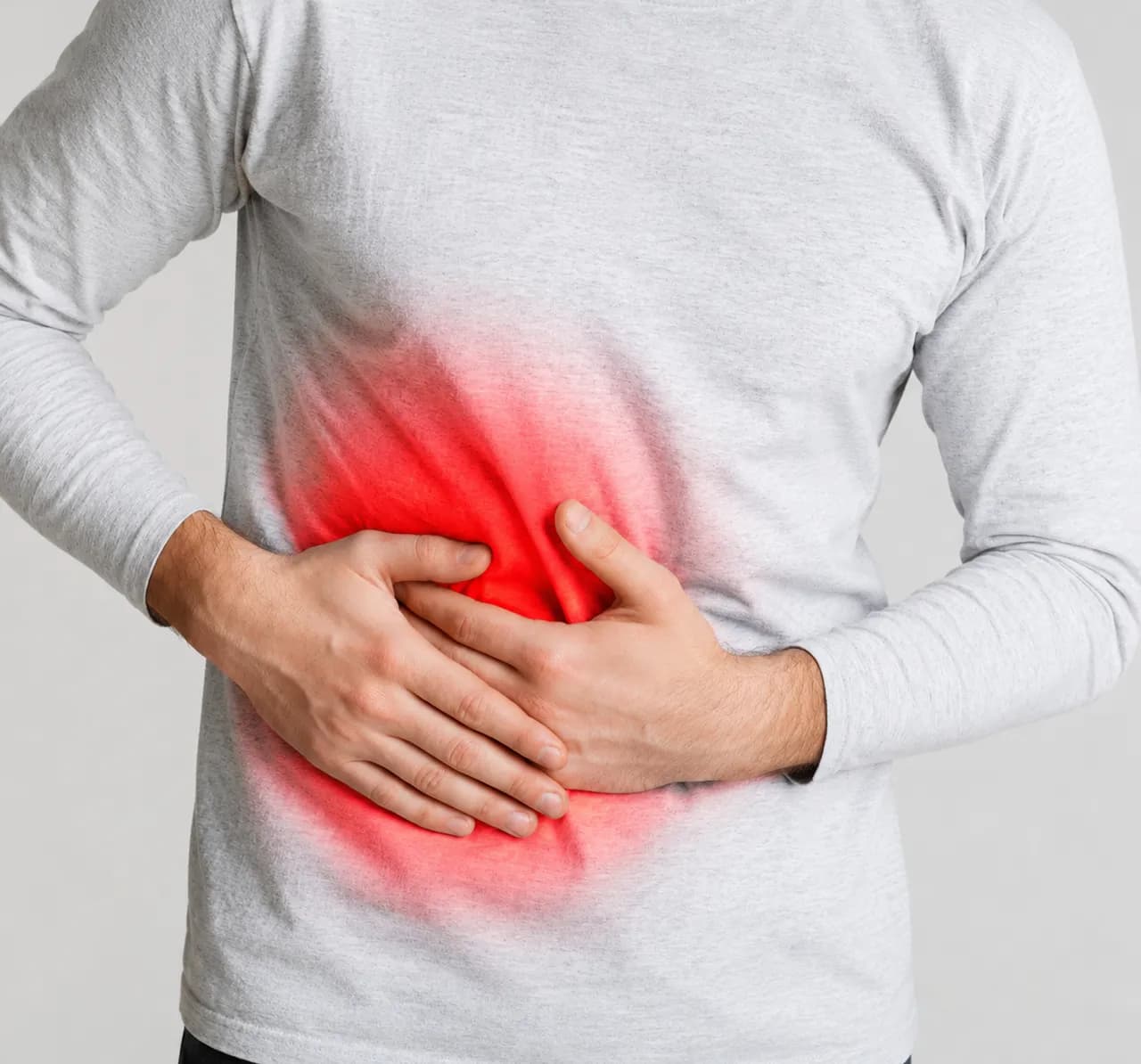
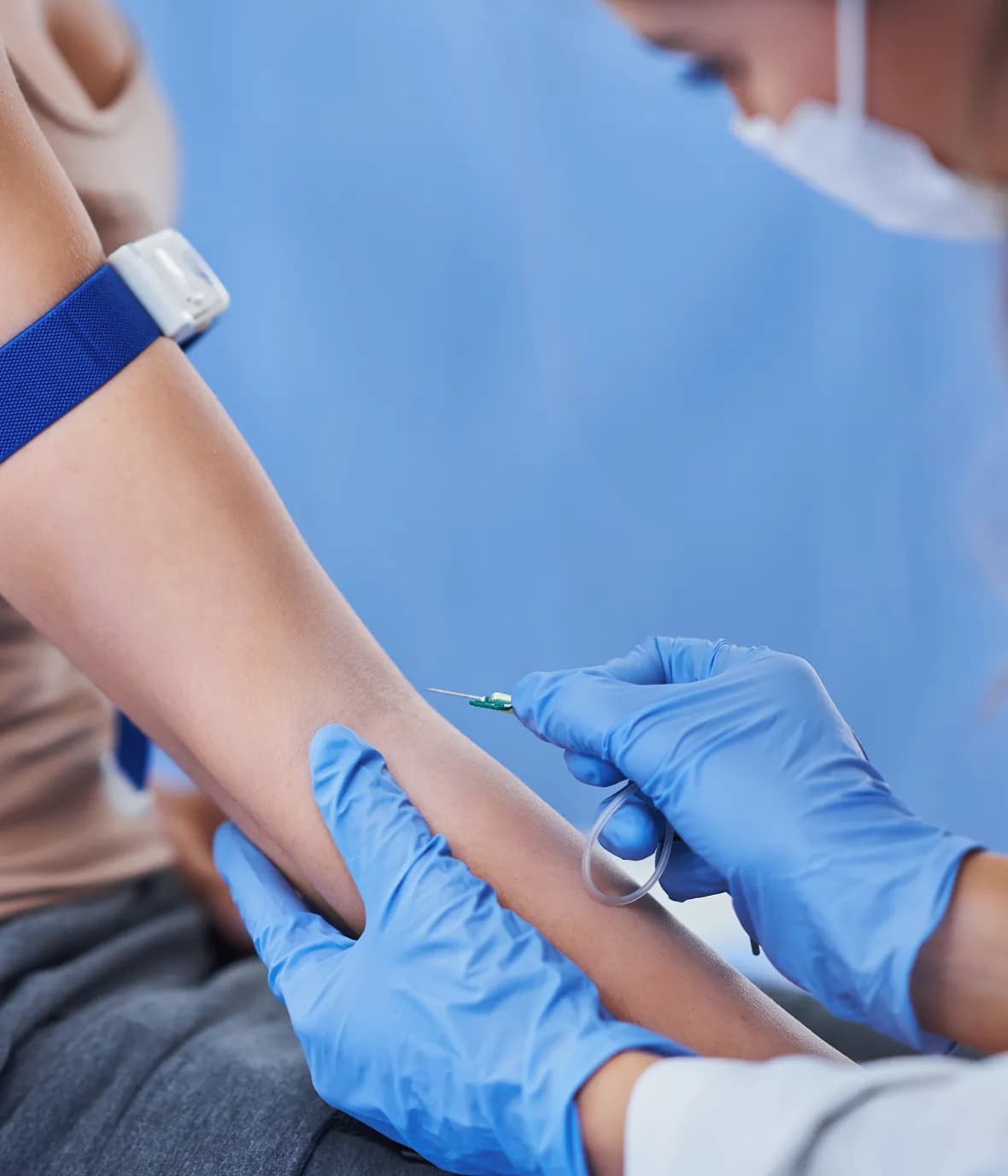 Diagnoses
Answer 6 quick questions about your diabetes profile and get your personalised score in under 2 minutes.
Risks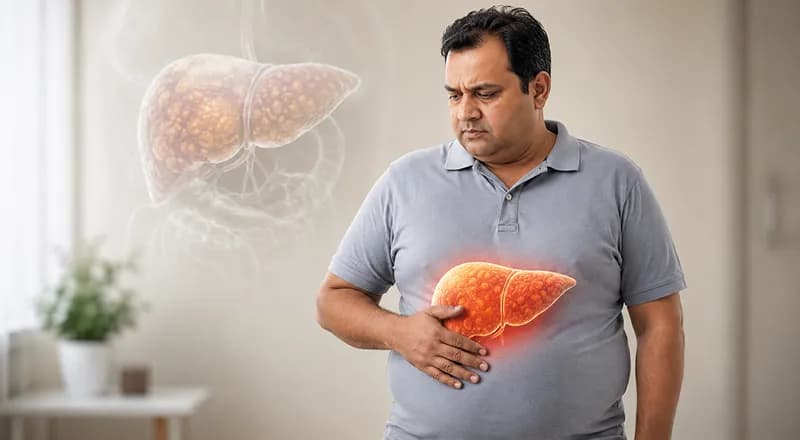
Simple fatty liver can progress to NASH which causes active liver cell damage and carries a higher risk of progressing to cirrhosis and liver failure.
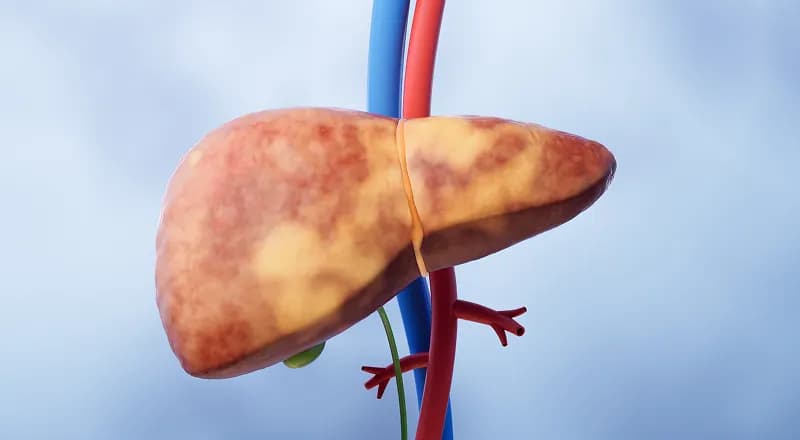
Prolonged inflammation and damage from fatty liver disease can cause the liver to develop scar tissue, a condition called cirrhosis, creating a cascade of serious health complications.

In its most advanced form, fatty liver disease can lead to complete liver failure, a condition where the liver can no longer sustain its essential functions. Liver transplantation may be the only remaining option.
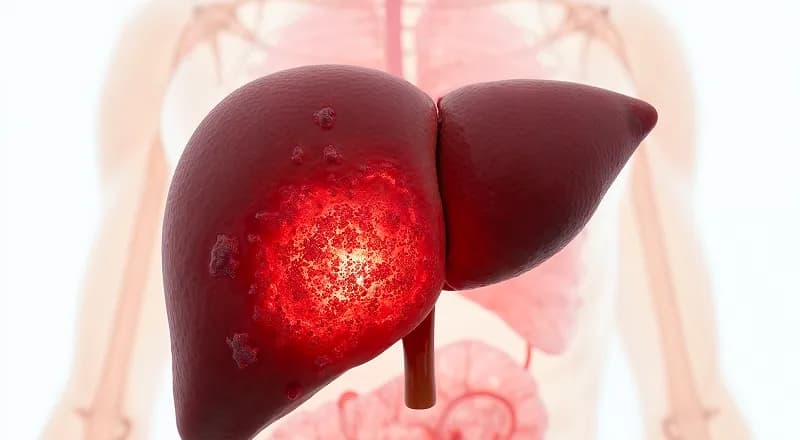
Cirrhosis caused by fatty liver disease significantly raises the risk of developing hepatocellular carcinoma. The combination of uncontrolled diabetes and liver cirrhosis multiplies this risk.
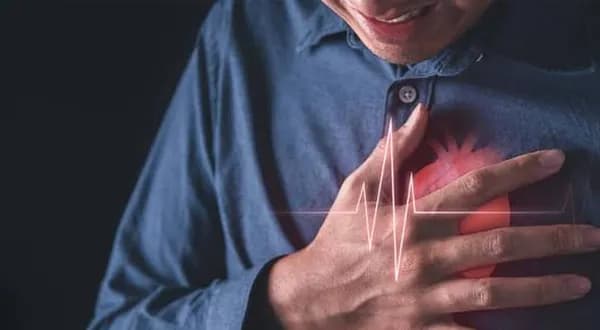
Both fatty liver disease and type 2 diabetes independently raise the cardiovascular risk. Together, they compound each other's cardiovascular risk, making heart disease a frequent complication.
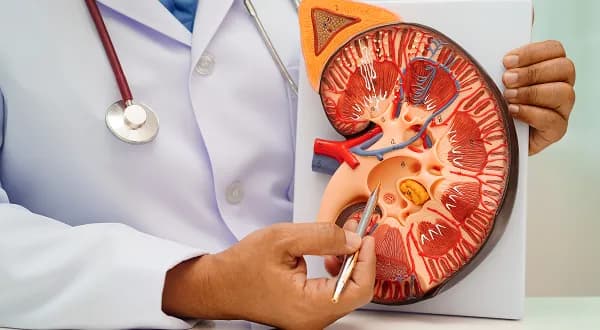
The same insulin resistance and chronic inflammation that drive fatty liver disease and diabetes also progressively damage the kidneys' delicate filtering structures, raising the risk of kidney failure over time.

The combination of fatty liver disease, diabetes, high blood pressure, abnormal cholesterol levels, and obesity is collectively referred to as metabolic syndrome that increases the overall risk of serious illness.
Our Approach
Are time-tested Ayurvedic treatments that work directly on the liver, visceral fat, and insulin resistance that sit at the heart of both diabetes and fatty liver disease. Through gentle oilation, heat therapy, and targeted herbal medicines delivered precisely where they are needed most, these therapies detoxify the liver, reduce fat stored within and around it, restore healthy bile flow, and correct the metabolic imbalances that drive both conditions. The Basti therapy in particular delivers herbal medicines that are absorbed directly through the large intestine, reaching the liver rapidly to support its repair and regeneration without placing any additional burden on it.
Is a personally guided, 28-day meal plan of 800 carefully chosen calories. This is not a crash diet but a medically supervised eating plan specifically designed to eliminate the harmful fat stored inside the liver and pancreas that is the central driver of both insulin resistance and fatty liver disease. Research clearly shows that even modest reductions in liver fat can result in meaningful improvements in blood sugar control, and Madhavbaug’s diet kit is built around exactly this principle.
Are proprietary, high-quality Ayurvedic formulations that gently detoxify the liver, reduce liver inflammation, support fat metabolism, repair pancreatic function, and stabilise blood sugar, all without harmful side effects. Several of Madhavbaug’s key formulations contain herbs such as Guduchi, Daruharidra, and Amalaki that have well-documented liver-protective and anti-inflammatory properties, making them particularly valuable in the management of diabetes alongside fatty liver disease.
Combines simple daily cardio, strength training, yoga, and breathing exercises tailored to each patient’s body type and health status. Regular physical activity is one of the most effective known interventions for reducing liver fat, improving insulin sensitivity, and restoring the liver’s normal metabolic function, all of which are essential for reversing both fatty liver disease and type 2 diabetes together.
Why Choose UsFAQsInsulin resistance is the shared root cause of both conditions. When the body’s cells stop responding to insulin properly, the liver begins to store excess fat while simultaneously overproducing glucose, raising blood sugar. This fat accumulation in the liver then worsens insulin resistance further, making diabetes harder to control and fatty liver disease worse at the same time. Treating both conditions together at their root cause is the only way to break this cycle effectively.
Yes. A liver loaded with excess fat loses its ability to regulate blood sugar properly, causing glucose levels to rise even in people who have not yet been diagnosed with diabetes. Fatty liver disease is now recognised as a significant independent risk factor for the development of type 2 diabetes, and many patients are diagnosed with both conditions simultaneously during routine health checks.
In its early stages, fatty liver disease is entirely reversible with the right combination of dietary change, exercise, and targeted treatment. Research shows that even a 5 to 10 per cent reduction in body weight can significantly reduce liver fat and restore normal liver function. Madhavbaug’s 90-day programme is specifically designed to achieve exactly this kind of meaningful, measurable improvement from the inside out.
Madhavbaug’s CDC programme treats both conditions simultaneously by addressing their shared root cause through Panchakarma liver detox therapies, a medically supervised 800-calorie diet plan, high-quality herbal formulations with liver-protective properties, and personalised exercise guidance. Rather than managing symptoms with separate medications for each condition, we create the internal conditions for both the liver and the pancreas to heal naturally.
A diet low in refined carbohydrates, sugar, and unhealthy fats, combined with adequate protein and plenty of fibre-rich vegetables and low-sugar fruits, is most beneficial for patients managing both conditions together. Madhavbaug’s Prameha Diet Kit is medically designed around exactly these principles, providing the right balance of nutrients in the right quantities to support both liver healing and blood sugar stabilisation simultaneously.
With consistent dietary changes, regular exercise, and targeted treatment, measurable improvements in liver fat can begin to appear within 4 to 6 weeks. Patients on Madhavbaug’s 90-day CDC programme typically begin to see positive changes in their energy levels, blood sugar readings, and abdominal discomfort well within the first month of treatment, with continued and more significant improvements over the full programme duration.
Medications for diabetes help manage blood sugar but do not address the underlying fat accumulation in the liver that is driving insulin resistance. Similarly, there are currently no approved medications specifically for fatty liver disease, making lifestyle and root-cause treatment the most effective and medically supported approaches available. Madhavbaug’s programme addresses the underlying metabolic dysfunction that causes both conditions, giving the body a genuine opportunity to heal rather than simply suppressing symptoms.
Don't just manage your condition. Overcome it. Take the first step toward sustainable, evidence-based chronic disease reversal.