


Thyroid dysfunction
An underactive thyroid slows down your body's ability to burn energy. Fat builds up, your energy levels stay constantly low, and losing weight becomes impossible.

Discover how Madhavbaug’s data-driven clinical care helps you address the root cause of Hormonal Disorders like PMOS and Thyroid.

 Overview
Hormone problems and weight gain are deeply tied together. When your body’s hormone system gets out of balance, you store more fat, your metabolism slows down, and your control over your appetite stops working properly.
According to the European Society of Endocrinology, thyroid, cortisol, and reproductive hormone disorders are all recognised contributors to weight gain, and correcting the hormonal imbalance is essential, as treating weight loss on its own wil not produce lasting results..
In PCOS (now termed PMOS) specifically, the international evidence-based guideline reports that around half of affected women also have obesity, and recommends a lifelong care plan focused on preventing weight gain, not just treating it after it develops.
Gaining weight in these situations does not happen because you are eating too much. It is a natural physical result of an internal imbalance that dieting and exercising by themselves simply cannot fix.
In Ayurvedic terms, hormonal imbalance is understood as a disruption of the doshas, primarily Kapha (the dosha governing weight and fluid) and Pitta (the dosha governing metabolism and hormones). Excess Meda Dhatu (fat tissue) accumulates, digestive fire weakens, and Ama (unprocessed metabolic waste) builds up in the body’s metabolic channels. These inner conditions keep you gaining weight and make it very hard to lose fat using normal dieting and exercise methods.
Madhavbaug’s programme addresses hormonal obesity at this level. Treatment works on the internal causes of both the hormonal imbalance and the weight gain together, rather than treating each as a separate condition.
 Ayurveda
Ayurveda views obesity (Sthaulya) and hormonal diseases not as isolated conditions, but as systemic metabolic disorders. It attributes them to an aggravation of the Kapha dosha and impaired digestive fire (Agni), which leads to the accumulation of toxic metabolic waste (Ama) that clogs the body’s internal channels (Srotas).
CausesAn underactive thyroid slows down your body's ability to burn energy. Fat builds up, your energy levels stay constantly low, and losing weight becomes impossible.
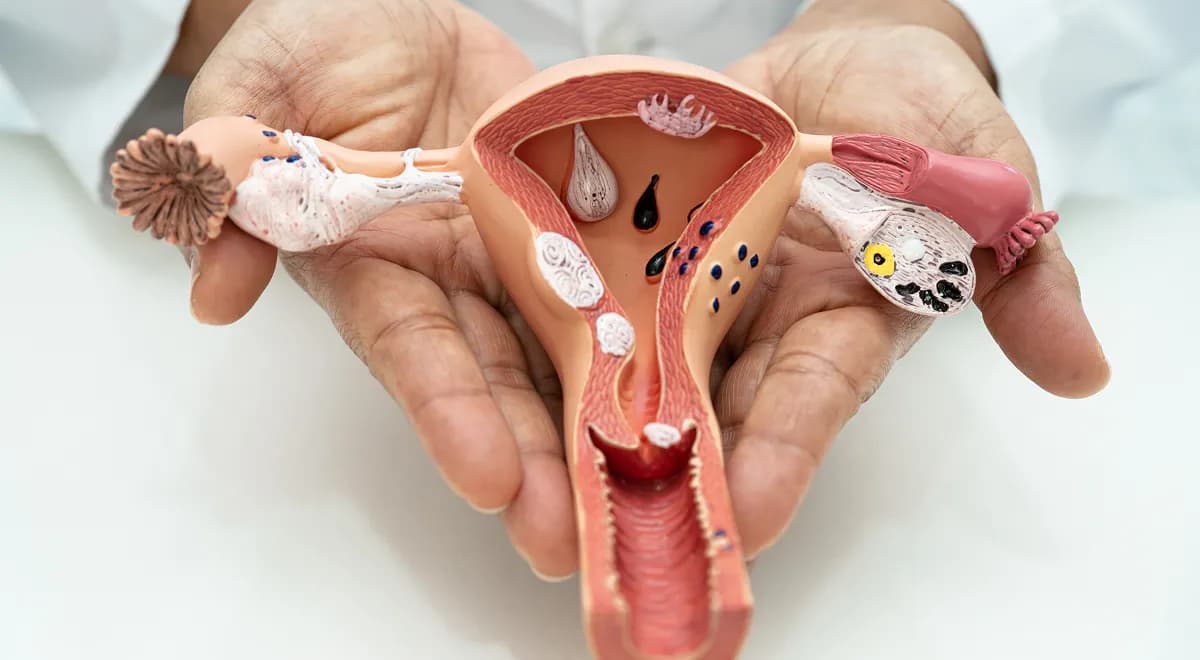
PMOS is caused by insulin resistance and out-of-balance hormones, which can stop your ovaries from releasing eggs, raise male hormone levels, and cause fat to build up around your belly.

Constant stress keeps your cortisol levels always high. This high stress hormone causes fat to store around your belly, makes you crave high-calorie food, ruins your sleep, and breaks down your muscle tissue.

When your cells stop responding to insulin, your blood sugar goes up, your body starts storing extra fat, and your hunger messages stop working properly.

When oestrogen levels get out of balance, your body can store more fat, especially around your hips, thighs, and belly. Having out-of-balance oestrogen is common in women with PMOS, perimenopause, and in patients with fatty liver disease.

When your body stops responding to leptin alongside being overweight, your brain does not get the message that you are satisfied. You stay hungry even after eating, which leads to overeating and causes you to gain weight much faster.
Symptoms 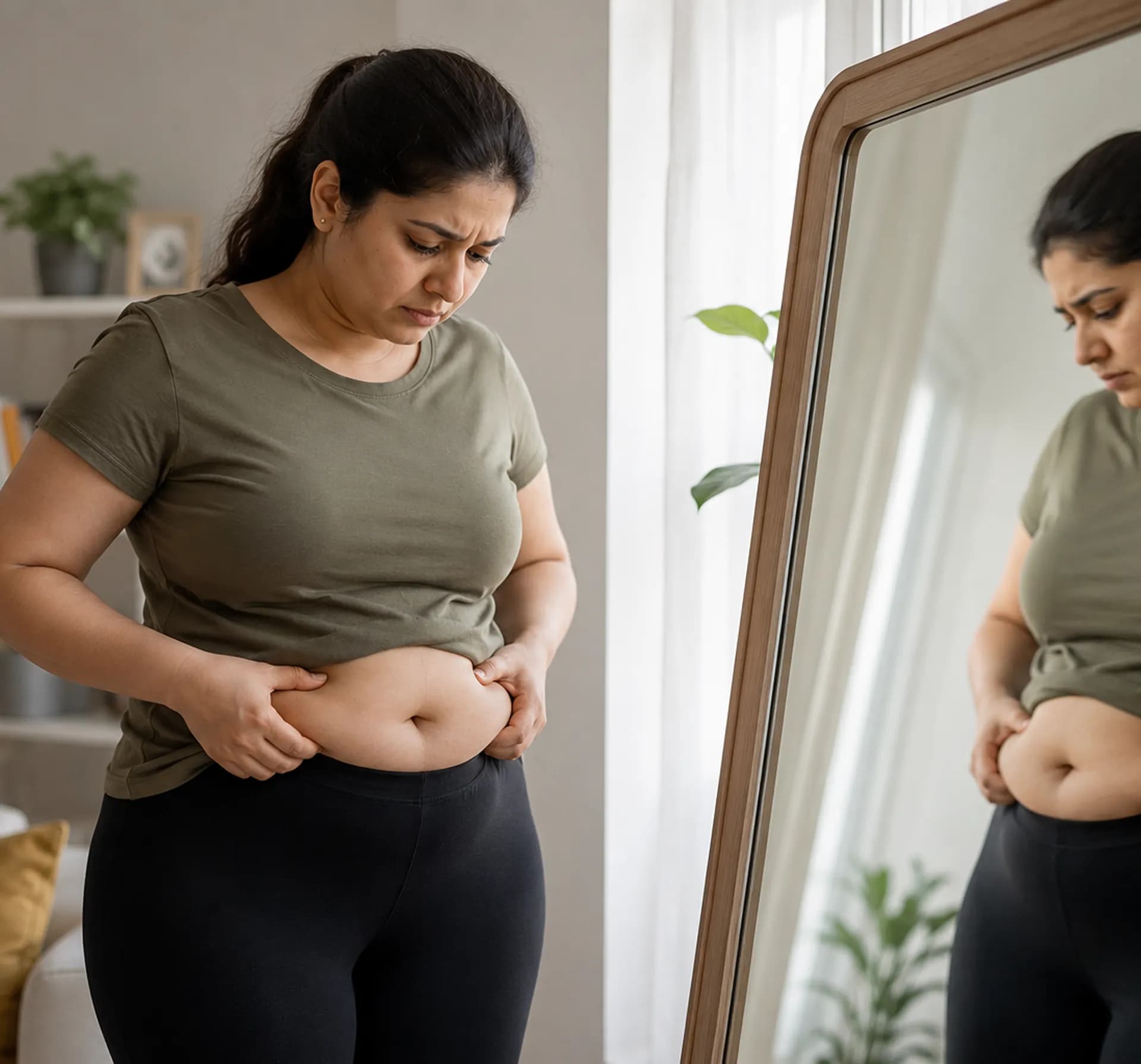
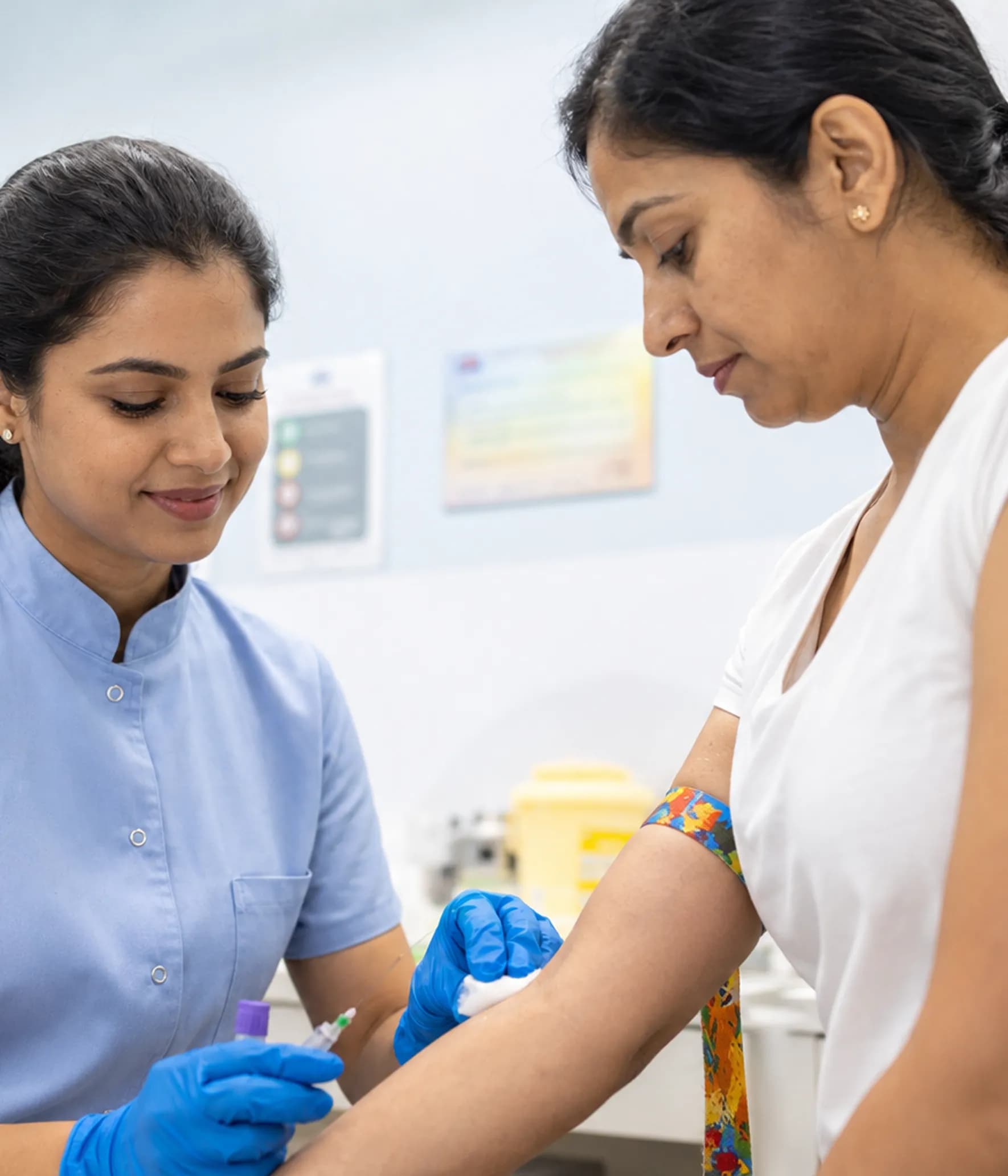 DiagnosesRisks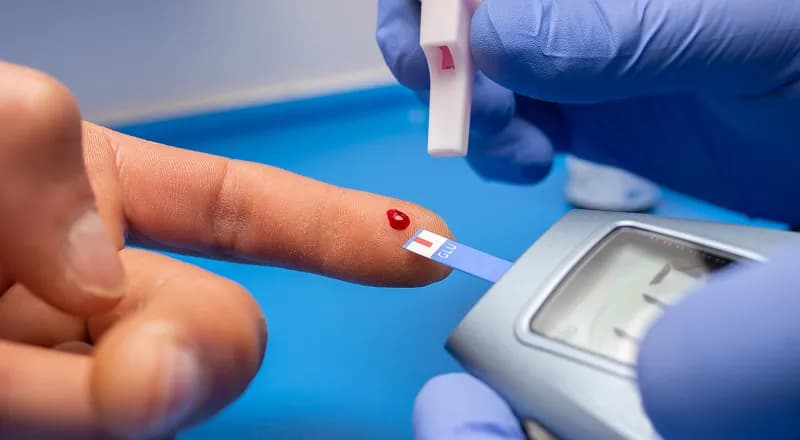
Insulin resistance, present in both PMOS and thyroid-related obesity, pushes blood sugar higher. Without correction, it develops into full type 2 diabetes, adding a further layer of metabolic complexity.

Hormonal obesity raises bad (LDL) cholesterol, lowers good (HDL) cholesterol, increases blood pressure, and causes inflammation of blood vessels.
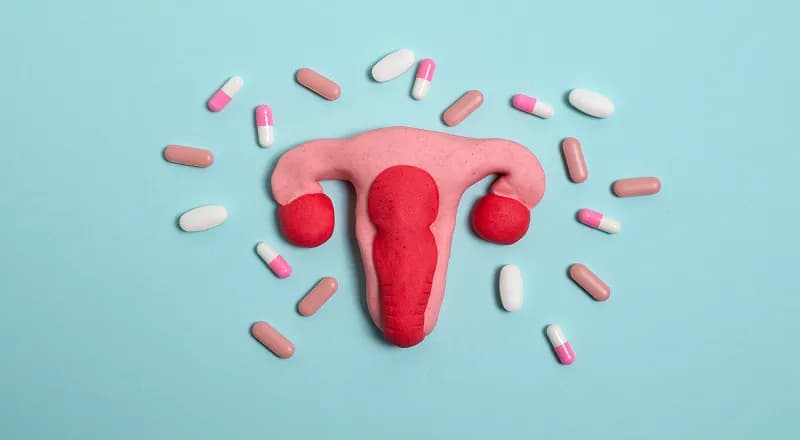
In women, PMOS and being overweight together are among the main reasons for having trouble getting pregnant. Fixing your internal hormone balance through metabolic treatment improves your chances of having a baby.

When hormonal obesity goes untreated, the condition continues to worsen over time. Excess fat produces hormones that deepen the original imbalance, making both the weight gain and the underlying hormonal disorder progressively harder to treat.
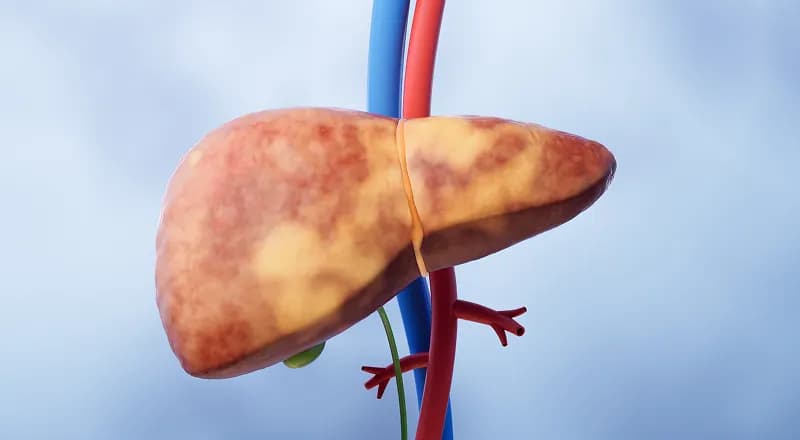
Hormonal imbalance, particularly insulin resistance and oestrogen disruption, promotes fat accumulation inside the liver.

The combined burden of hormonal disruption, chronic fatigue, weight gain, and fertility concerns mental health. Anxiety and depression are significantly more prevalent in patients with PMOS and thyroid-related obesity.
Untreated hormonal obesity frequently progresses to metabolic syndrome, a cluster of conditions including high blood pressure, high blood sugar, abnormal cholesterol, and excess abdominal fat.
Our Approach
Five coordinated therapies work at different levels of hormonal balance, fat metabolism, and detoxification together.
A medically supervised diet plan built around whole foods, carbohydrates that do not spike blood sugar, and nutrition suited to your body type. Each plan is personalised based on your hormonal profile, insulin sensitivity, blood sugar levels, and other metabolic markers.
It is designed to work on three things together: reducing abdominal fat, stabilising blood sugar, and correcting hormonal imbalance, rather than relying on calorie restriction alone.
Madhavbaug’s herbal formulations support fat breakdown, digestion, and cholesterol control as part of the treatment for hormonal disorders and obesity.
Madhavbaug combines Ayurvedic care with modern diagnostics to monitor BMI, abdominal girth, cholesterol, triglycerides, blood sugar, and blood pressure, all tracked together at every stage of treatment.
This integrated monitoring ensures both conditions are tracked and treated as one clinical picture.
Yoga, Pranayama, aerobic exercise, and strength training matched to the patient’s current fitness level and hormonal profile. Exercise is prescribed as a clinical tool for improving insulin sensitivity, reducing abdominal fat, lowering cortisol, and supporting hormonal rebalancing alongside fat reduction.
Weight, BMI, abdominal girth, blood pressure, blood sugar, and pulse rate are tracked at every visit. The clinical team monitors both metabolic and hormonal markers in real time and adjusts the protocol based on how the patient is responding throughout treatment.
Why Choose UsFAQsThyroid dysfunction, PCOS, elevated cortisol from chronic stress, insulin resistance, and oestrogen imbalance are the most common hormonal disorders in Indian women. Each disrupts metabolism, fat storage, and energy levels differently, and more than one is often present at the same time.
Ayurvedic formulations, including Guggul, Triphala, Trikatu, and Haritaki, have been used clinically to support fat metabolism, improve digestion, and correct the hormonal imbalances that drive weight gain. At Madhavbaug, these are prescribed as part of a supervised programme rather than as standalone supplements, ensuring they work alongside dietary and lifestyle correction.
Correcting hormonal imbalance requires addressing the internal causes, including insulin resistance, poor gut health, chronic stress, and impaired liver function, rather than managing symptoms alone. Madhavbaug’s programme combines Panchakarma detoxification, a personalised diet, herbal formulations, and supervised exercise to correct the hormonal environment from within.
Unexplained weight gain, persistent abdominal fat, fatigue, irregular periods, hair thinning, mood changes, poor sleep, increased hunger, and sugar cravings are the most common signs. When several of these appear together, a hormonal cause should be investigated rather than attributed to diet or lifestyle alone.
Yes. Ayurvedic treatment works on the internal imbalances that drive hormonal obesity, correcting digestive fire, clearing metabolic toxins, and rebalancing the doshas that govern fat metabolism and hormonal function. Madhavbaug’s programme combines Panchakarma, herbal formulations, dietary correction, and supervised exercise to address hormonal obesity at its source.

Don't just manage your condition. Overcome it. Take the first step toward sustainable, evidence-based chronic disease reversal.