

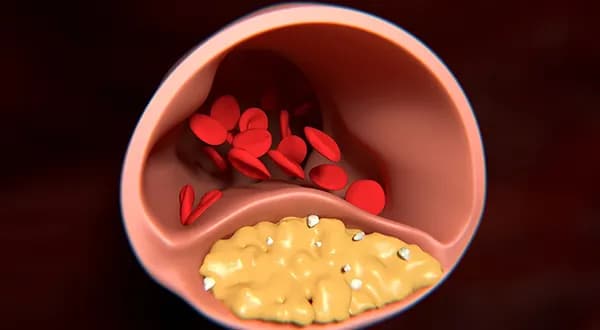
Stiff Blood Vessels
This is the main physical reason behind high readings. When the inner walls of your arteries get coated with waste and become stiff, they lose the ability to stretch and relax, which pushes your blood pressure up.
Move beyond lifelong medication. Discover how Madhavbaug's data-driven clinical care helps you address the root cause of high blood pressure.
 Overview
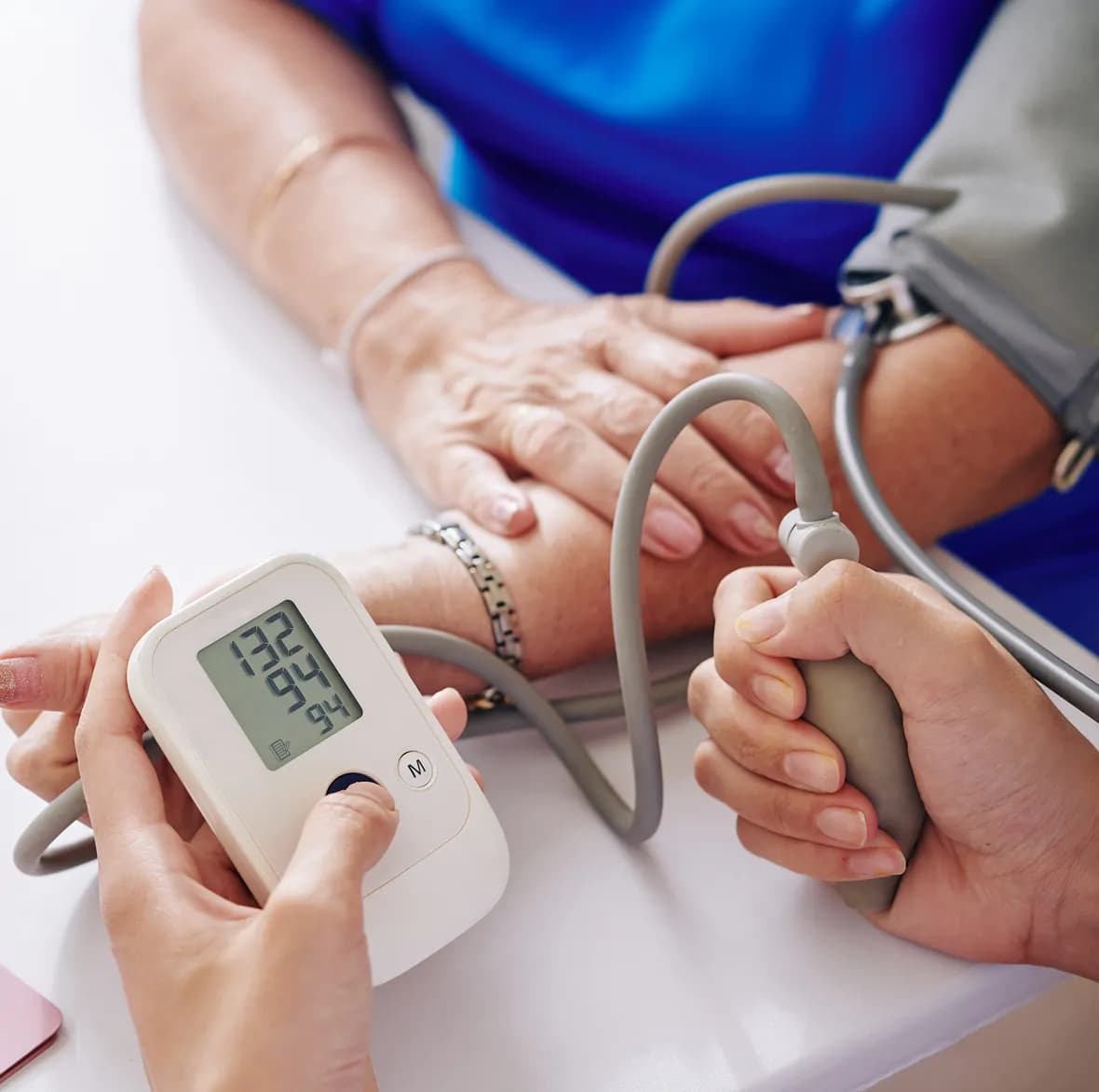
According to the World Health Organization, hypertension, or high blood pressure, is diagnosed when systolic blood pressure is 140 mmHg or higher, or diastolic blood pressure is 90 mmHg or higher, confirmed on repeated readings.
This happens when the blood pushing against your blood vessel walls stays too high for too long. Think of your heart as a pump and your blood vessels as pipes carrying blood throughout your body. When these pipes get narrow or stiff, your heart has to push much harder to keep blood moving. Over the years, this extra strain wears down your heart and can damage other organs too.
This condition is very common, and it usually builds up slowly, often without you noticing. Because it keeps your heart and blood vessels under constant pressure, keeping your numbers in a healthy range matters a lot. The good news is that with the right therapies, regular movement, and a heart-friendly diet, you can treat the real causes behind it and bring your numbers down safely.
 Ayurveda
In Ayurveda, hypertension is not mentioned as an individual disease but is understood as the result of an imbalance in the equilibrium of the Tridoshas (Vata, Pitta, and Kapha) along with vitation in the Dhatus (body tissues) and Srotas (body channels). The heart (Hridaya) is considered the Moola (root) of Pranavaha Srotas (the body channel responsible for all vital circulation and respiration). Healthy blood flow depends on the balanced functioning of these doshas and unobstructed body channels.
Among the three doshas, Vyana Vata is responsible for pumping and circulating blood throughout the body, while Prana Vata helps regulate the heart’s rhythm and vascular functions. Avalambaka Kapha provides structural support and elasticity to the heart and blood vessels, whereas Sadhaka Pitta governs the metabolic and biochemical activities necessary for proper heart function. When these doshas become imbalanced, blood circulation and vascular health may be affected, contributing to elevated blood pressure.
Ayurveda also emphasises the role of Rasavaha Srotas (channels carrying nourishment) and Raktavaha Srotas (channels carrying blood) in maintaining cardiovascular health. Factors such as poor diet, stress, lack of physical activity, and unhealthy lifestyle habits can lead to Srotodushti (vitiation of body channels), resulting in impaired circulation and increased pressure within the blood vessels.
Therefore, the Ayurvedic approach to hypertension focuses not only on managing blood pressure but also on restoring dosha balance, improving circulation, supporting heart health, and promoting long-term wellness through individualised diet, lifestyle modifications, and holistic therapies.
CausesThis is the main physical reason behind high readings. When the inner walls of your arteries get coated with waste and become stiff, they lose the ability to stretch and relax, which pushes your blood pressure up.

Eating salty, processed food makes your body hold on to extra water. This extra fluid increases the total amount of blood moving through your body, putting more pressure on your artery walls.

A sedentary routine leaves your heart and blood vessels out of shape. Regular movement helps keep your arteries flexible. Without it, they slowly become stiffer and resist blood flow.

When you're stressed all the time, your body stays stuck in "fight or flight" mode. This releases stress hormones that tighten your blood vessels and keep your baseline pressure higher than it should be.
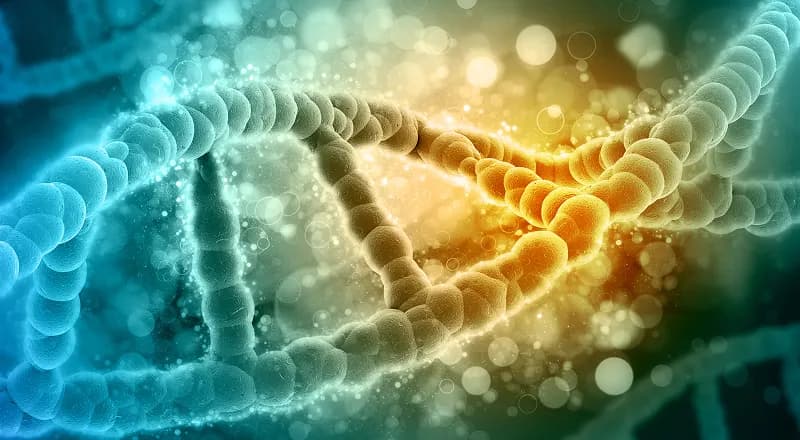
If high blood pressure runs in your family, you may be more likely to get it too. Genes can affect how your kidneys handle salt and how your blood vessels respond to hormones and stress.

Extra weight around the belly, hormonal imbalances, and sleep problems like loud snoring or sleep apnoea can all disturb the rest your heart needs at night, which raises your blood pressure during the day.
Symptoms 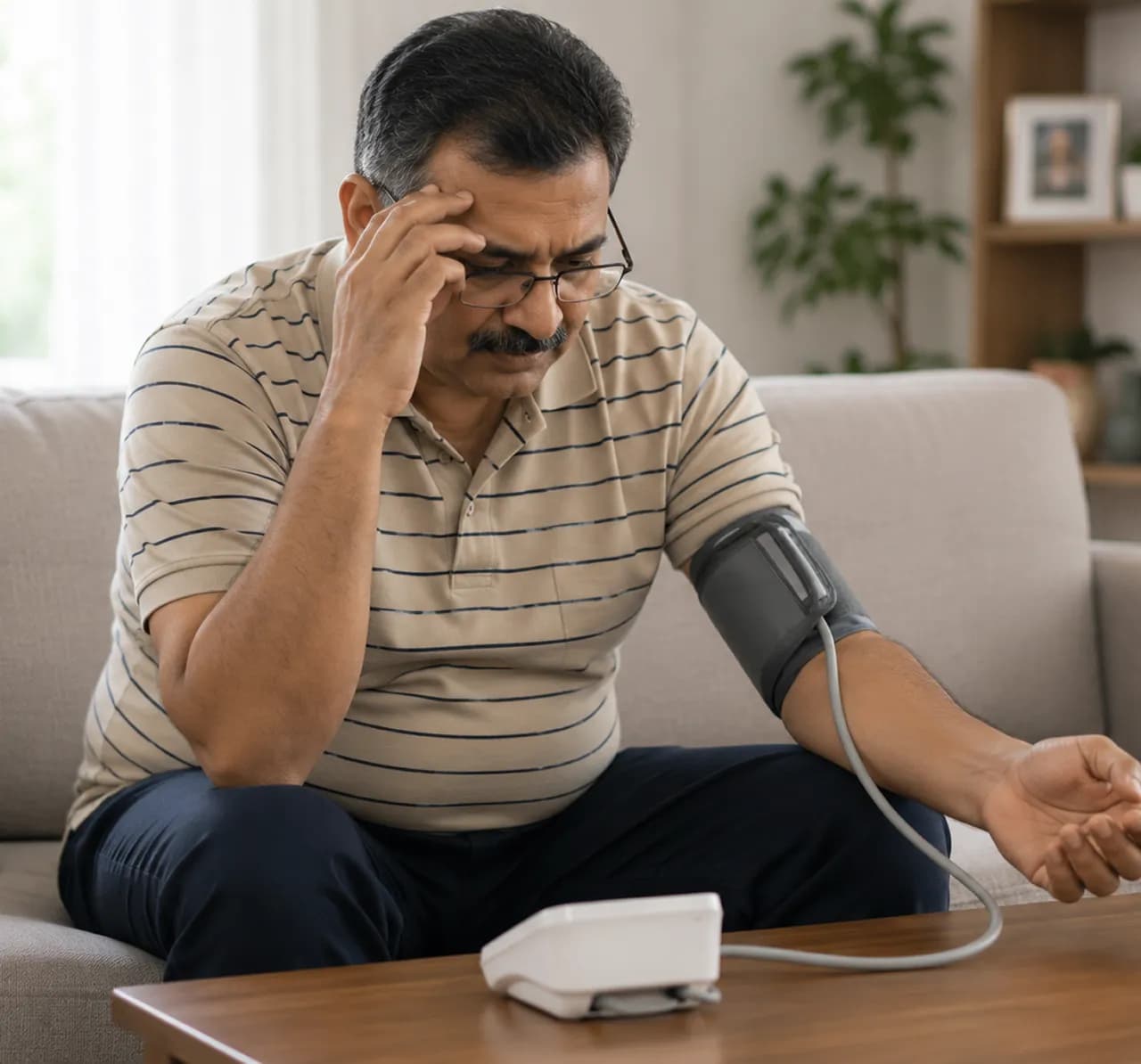
 DiagnosesRisks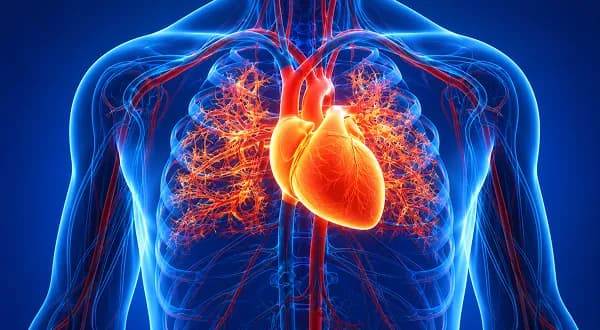
When your heart keeps pumping against high resistance, its walls thicken and stiffen over time. This slowly changes the shape of your heart and can eventually lead to heart failure.
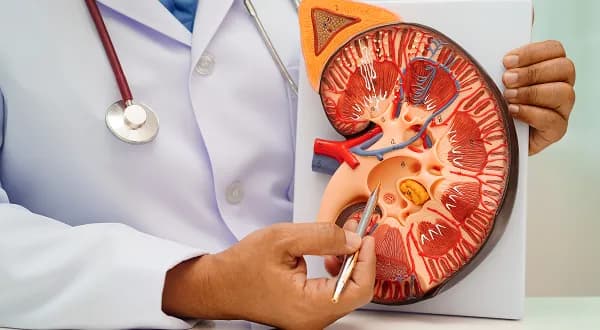
Your kidneys filter waste using thousands of tiny blood vessels. High blood pressure can stretch and scar these filters over time, which can eventually lead to chronic kidney disease.
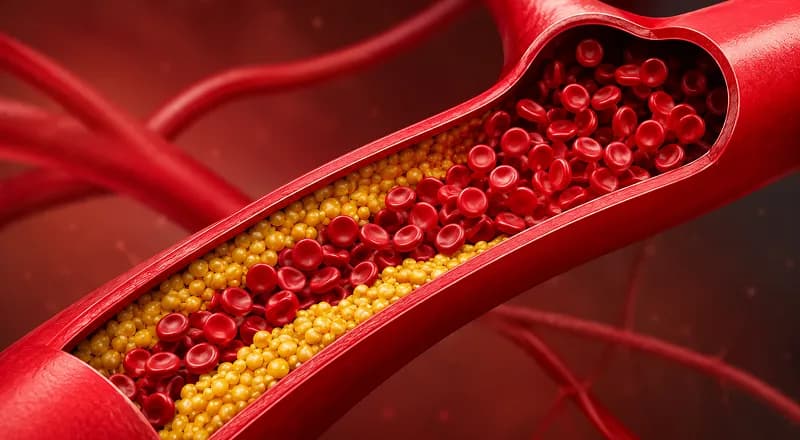
Blood flowing at high pressure can create small tears in your artery walls. Fat and cholesterol can collect in these damaged spots, which speeds up blockages throughout your body.

The blood vessels in your eyes are very delicate. Long-term high pressure can cause them to weaken, leak, or even burst, leading to blurry vision or vision loss over time.

When your brain doesn't get a steady supply of oxygen-rich blood, it can affect your memory and concentration over time. These complications often build up slowly without you even realizing.
Our Approach
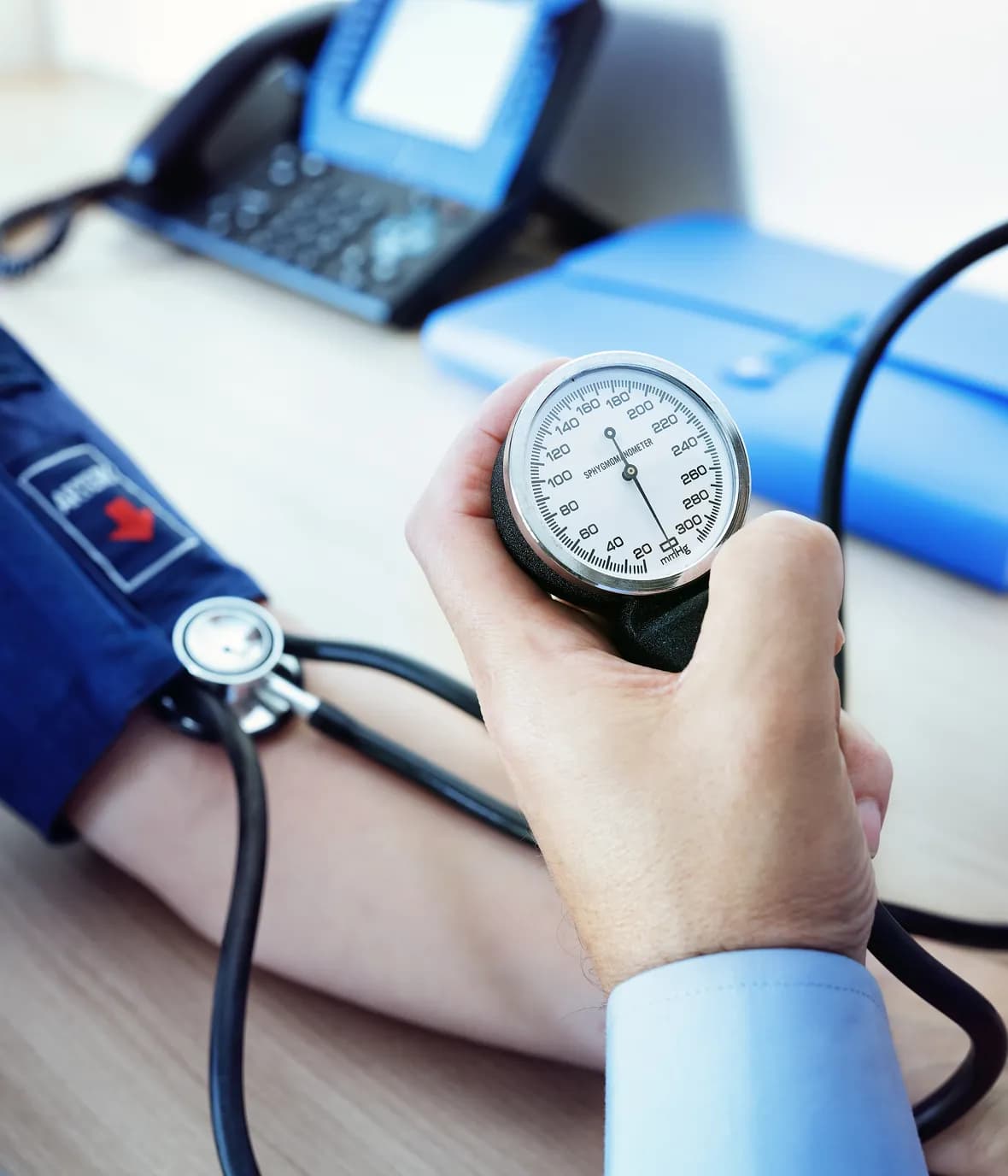
At Madhavbaug, a wearable device called Ambulatory Blood Pressure Monitoring, or ABPM, is used for tracking your blood pressure for a full 24 hours. This gives us a much clearer picture than a single clinic reading and helps us catch patterns that are easy to miss.
When blood pressure stays high for a long time, your blood vessels become stiff and narrow. Our Panchakarma therapies are designed to clear out internal toxins, known in Ayurveda as Ama, and ease the load on your heart.
This is a nutrition plan supervised by our doctors and based on the well-known DASH (Dietary Approaches to Stop Hypertension) diet, designed to ease the load on your blood vessels.
Madhavbaug uses carefully measured Ayurvedic medicines that support healthy blood pressure without harmful side effects.
Every exercise plan we design at Madhavbaug is based on your age, fitness level, and medical history, so it’s safe and effective for you specifically. It combines light cardio, therapeutic yoga, and breathing exercises (Pranayama) to help:
Why Choose UsFAQsThe best approach is to treat the causes of hypertension, stiff and narrowed blood vessels, rather than just the numbers. Combining an Ayurvedic Panchakarma detox, a low-sodium diet, and regular exercise can help bring your blood pressure down naturally and reduce how much you depend on medicines over time.
Yes, often they can. Once the stiffness in your blood vessels eases and your nervous system calms down, symptoms like morning headaches, dizziness, and tiredness usually fade as your blood pressure stabilises.
Yes. Even losing a small amount of weight, especially around your belly, takes pressure off your heart and reduces resistance in your blood vessels. It’s one of the most effective natural ways to bring your numbers down.
Yes, it can be. Unmanaged high blood pressure quietly puts strain on your heart, kidneys, and eyes, and over time this can lead to serious complications. Treating it early gives you the best chance of protecting your long-term health.
A normal blood pressure reading is usually below 120/80 mmHg. You’re considered to have hypertension if your numbers consistently stay above 130/80 mmHg, and anything above 140/90 mmHg needs proper medical attention. At Madhavbaug, we track these numbers closely using ABPM and other tools to build a treatment plan made for you.

Don't just manage your condition. Overcome it. Take the first step toward sustainable, evidence-based chronic disease reversal.