


Excess Body Fat & Inactivity
Fat stored deeply in the abdomen and surrounding organs can release inflammatory compounds that directly affect insulin signaling.

Move beyond lifelong medication. Discover how Madhavbaug’s data-driven clinical care helps you address the root cause of insulin resistance.
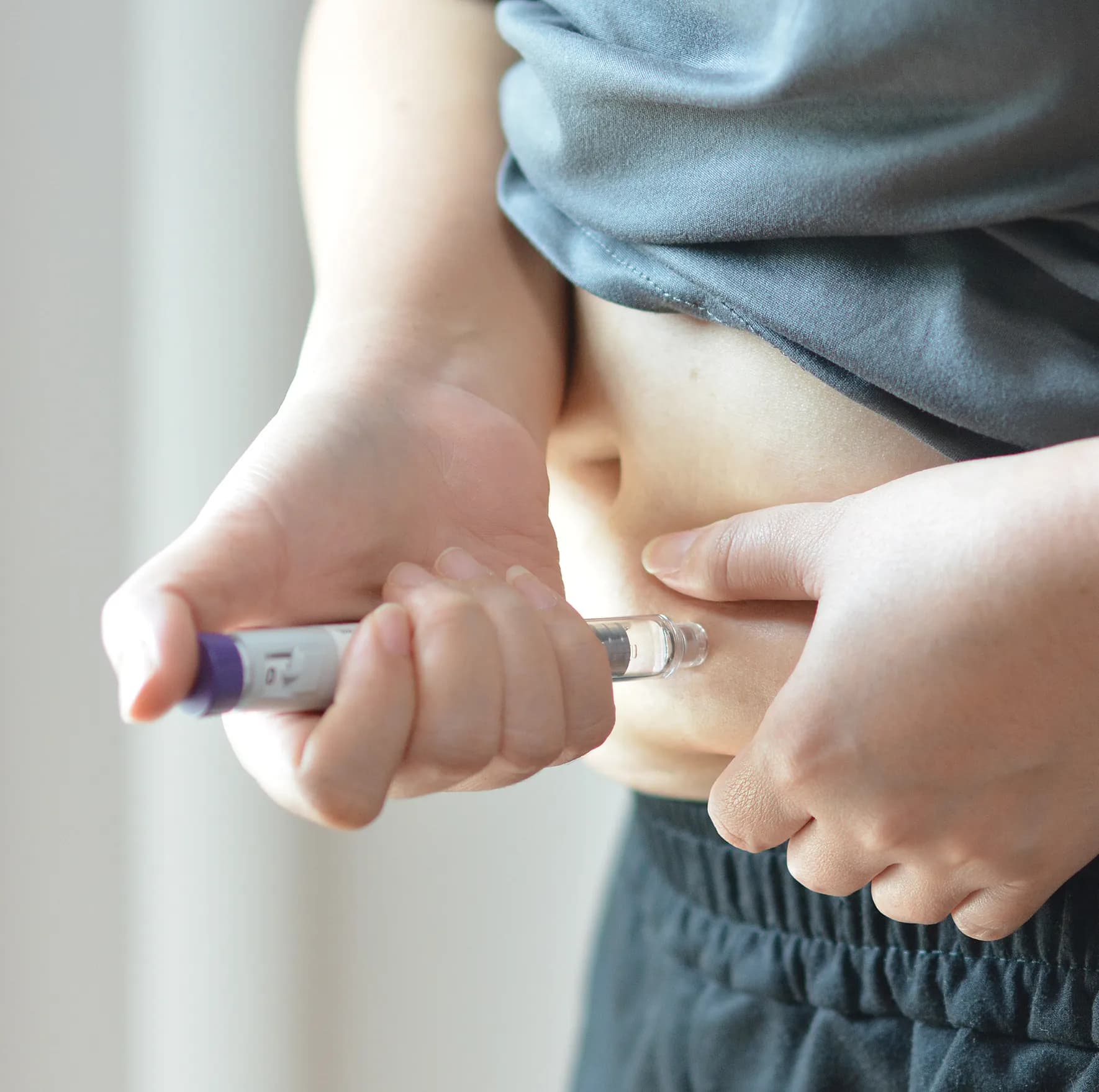
 Overview
Insulin resistance is identified as the impaired biologic response of target tissues to insulin stimulation. In easy words, your body cells fail to respond to insulin.
All tissues with insulin receptors can become insulin resistant, but the tissues that primarily drive insulin resistance are the liver, skeletal muscle, and adipose tissue.
The required amount of insulin produced by the body can be known through the following test:
Serum insulin: This test measures the amount of insulin in the blood.
Normal fasting insulin levels: 5-15 pU/mL
The condition in which serum insulin > 25 pU/ml is known as hyperinsulinemia
Insulin resistance is considered an early step in the development of type 2 diabetes (T2D). It occurs when insulin-sensitive tissues, particularly skeletal muscle, become less responsive to insulin and are unable to effectively take up glucose from the bloodstream.
Because less glucose is being transported into these tissues, the body compensates by increasing insulin production to maintain normal blood glucose levels. This results in hyperinsulinemia, where elevated insulin levels are produced to overcome the reduced insulin response.
Over time, persistently high insulin levels may further promote insulin resistance, creating a self-reinforcing cycle of increasing insulin demand. This cycle continues until the pancreatic beta cells can no longer produce enough insulin to compensate for the reduced insulin sensitivity. At this stage, insulin levels become insufficient relative to the body’s needs, causing blood glucose levels to rise and eventually reach the levels characteristic of T2D.
Weight gain commonly occurs during this process, particularly in the context of hyperinsulinemia and insulin resistance. However, the increase in body weight is thought to be driven mainly by a prolonged imbalance between calorie intake and energy expenditure rather than by hyperinsulinemia itself.
Insulin resistance is a condition that occurs when the cells in fat, liver and muscles all do not respond to insulin as they should . This condition could also be termed an impairment in insulin sensitivity. Regulating blood sugar levels and production of energy both require insulin. It helps glucose move from the blood into the cells so your body can use it to create energy.
The amount of insulin produced by the body can be known through the following test:
Serum insulin: This test measures the amount of insulin in the blood.
Normal fasting insulin levels: 5-15 pU/mL
When the pancreas makes more than the required insulin the condition is called ‘hyperinsulinism’ (Serum insulin > 25 pU/ml). Simply put, when cells do not respond to insulin in the way they should, glucose can build up in your blood instead of being used for energy or storage. To make up for the excess glucose, the pancreas makes more insulin.
If the pancreas makes enough insulin to balance the blood sugar levels, everything is balanced. However, an increase in the insulin resistance capacity of the cells can, over time, lead to hyperglycaemia, or high blood glucose levels. Hyperglycaemia can also lead to prediabetes or type 2 diabetes, eventually.
CausesFat stored deeply in the abdomen and surrounding organs can release inflammatory compounds that directly affect insulin signaling.

A diet high in refined carbohydrates, added sugars, processed foods and trans-fats will increase insulin production, speed up fat accumulation affecting the body's ability to regulate glucose levels.

Chronic inflammation caused by poor dietary habits can also affect the signalling pathways of insulin at the cellular level. This can further lead to insulin resistance.

With age, risk may rise. After the age of 35, insulin release can naturally decline, and lifestyle factors can begin to add to the risk.

Chronic sleep deprivation has been associated with abnormal glucose metabolism and an increased risk of insulin resistance.
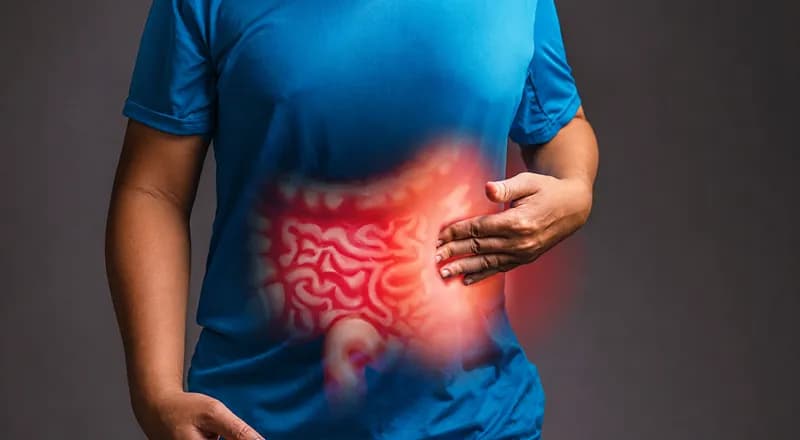
An imbalanced gut releases harmful signals reaching the muscles and liver, slowly weakening their ability to respond to insulin.
A first-degree relative with type 2 diabetes or prediabetes can raise your risk. Variations in genes can also influence the point at which your lifestyle can trigger the condition.

Certain medications, like corticosteroids, antipsychotics and blood pressure pills, if used consistently for a long term, can impair insulin sensitivity.

Physical inactivity affects muscles that are underused that leads to loss of insulin sensitivity.

Hormonal disorders like Cushing’s syndrome and thyroid disorders can also create a hormonal environment that, in time, weakens blood sugar regulation.
Symptoms 
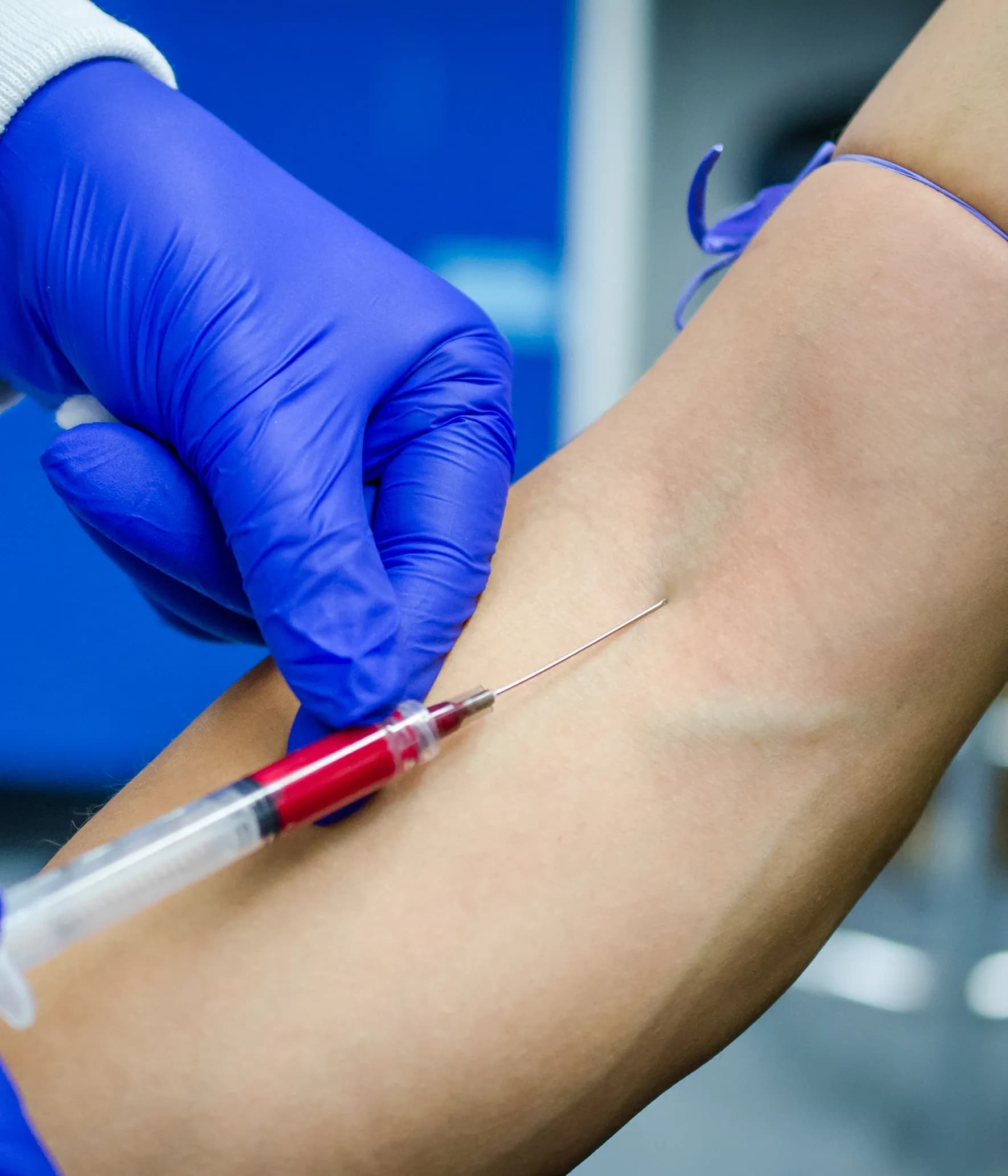 Diagnoses
Answer 6 quick questions about your diabetes profile and get your personalised score in under 2 minutes.
Risks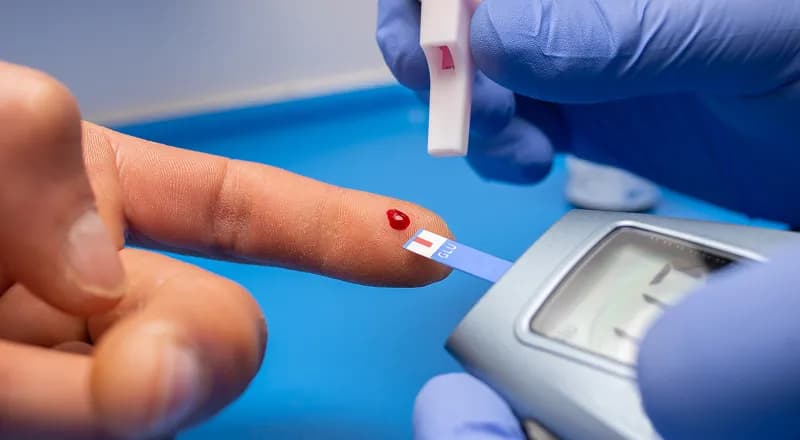
Insulin resistance comes before prediabetes and type 2 diabetes. As the pancreas is forced to produce more insulin to compensate for the cells becoming unresponsive.
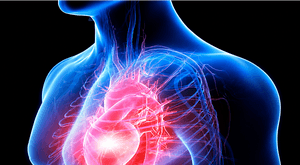
Plaque build-up in blood vessels are all a result of insulin resistance driving high blood sugar and low HDL cholesterol along with arterial inflammation. All of this increases the risk of heart attack and stroke.

Elevated insulin levels actively cause fat storage, specifically around the abdomen. Weight gain then becomes both a cause and sign of insulin resistance. This can directly cause metabolic syndrome.
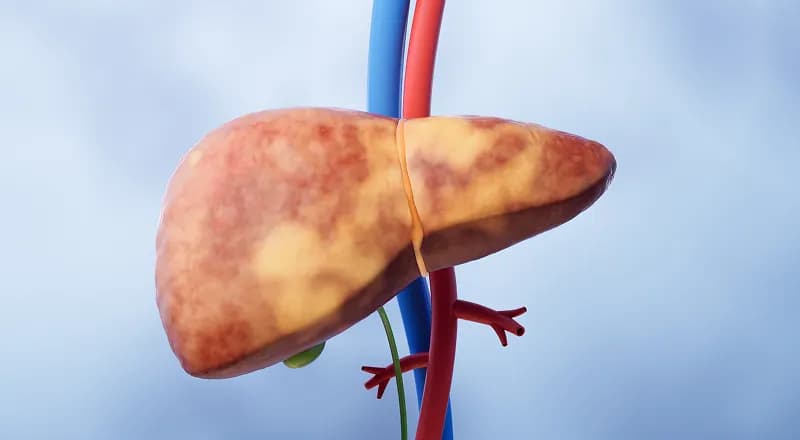
The liver is forced to convert extra glucose into fat and store it within its own tissues; this is caused by insulin resistance and can lead to liver inflammation and scarring, fibrosis and, in time, cirrhosis.

Insulin can stimulate the ovaries to produce androgens in a high amount. This can disrupt the hormonal balance, resulting in a series of features of PMOS, like irregular menstrual cycles, cyst formation & infertility.
Our Approach
Are time-tested Ayurvedic treatments that reduce stubborn body fat and help your body use insulin properly again. Through gentle oilation, heat therapy, and targeted herbal medicines delivered directly to where they’re needed most, these therapies work to restore your pancreas, improve blood circulation, and naturally bring your blood sugar under control.
Is a personally guided, 28-day, insulin resistance diet and meal plan of 800 carefully chosen calories, not a crash diet, but a medically designed eating plan that helps your body shed harmful fat stored around the liver and pancreas, which is one of the key drivers of diabetes.
Are proprietary, High-Quality Ayurvedic formulations that gently repair your pancreas, protect your kidneys, nerves, and eyes, and stabilise your blood sugar, all without harmful side effects.
Combines simple daily cardio, strength training, yoga, and breathing exercises tailored to your body type, helping reverse muscle loss, reduce stress hormones, and restore your body’s natural ability to regulate blood sugar.
Why Choose UsFAQsInsulin resistance symptoms commonly include persistent fatigue; increased hunger shortly after eating; difficulty losing weight (especially around the abdomen), dark skin patches around the neck or armpits, frequent sugar cravings, and brain fog. Many people, however, show no obvious symptoms until the condition progresses to prediabetes or type 2 diabetes.
The most effective approach combines regular physical activity, a diet low in refined carbohydrates and added sugars, quality sleep, and stress management. Reducing abdominal fat is particularly impactful. In cases where lifestyle changes alone are insufficient, clinically supervised therapeutic interventions, such as those offered at Madhavbaug, can help with insulin sensitivity improvement.
Foods that support insulin sensitivity include leafy greens, bitter gourd (karela), fenugreek (methi), whole grains, legumes, nuts, seeds, and foods rich in fibre and healthy fats. Avoiding refined carbohydrates, sugary beverages, and ultra-processed foods is equally important in managing insulin resistance effectively.
The most commonly recognised signs are persistent abdominal weight gain, fatigue after meals, intense sugar or carbohydrate cravings, dark velvety skin patches (Acanthosis Nigricans), high triglycerides, low HDL cholesterol, and elevated fasting blood sugar. If you are experiencing several of these together, it is worth getting a clinical evaluation at Madhavbaug’s nearest centre.
Yes, insulin resistance is one of the most reversible metabolic conditions when addressed early. Regular physical activity, a low-glycaemic diet, quality sleep, and stress management can meaningfully restore insulin sensitivity over time. With the right clinical support at Madhavbaug, many patients see measurable improvement in blood sugar and metabolic health within weeks.
Don't just manage your condition. Overcome it. Take the first step toward sustainable, evidence-based chronic disease reversal.