


Poor dietary habits
A diet high in saturated fats, sugar, refined carbohydrates, and processed foods can raise unhealthy cholesterol levels and increase the risk of high cholesterol.

Madhavbaug's programme focuses on the underlying causes of hypercholesterolaemia through clinically supervised Ayurvedic care, supporting healthier cholesterol levels.
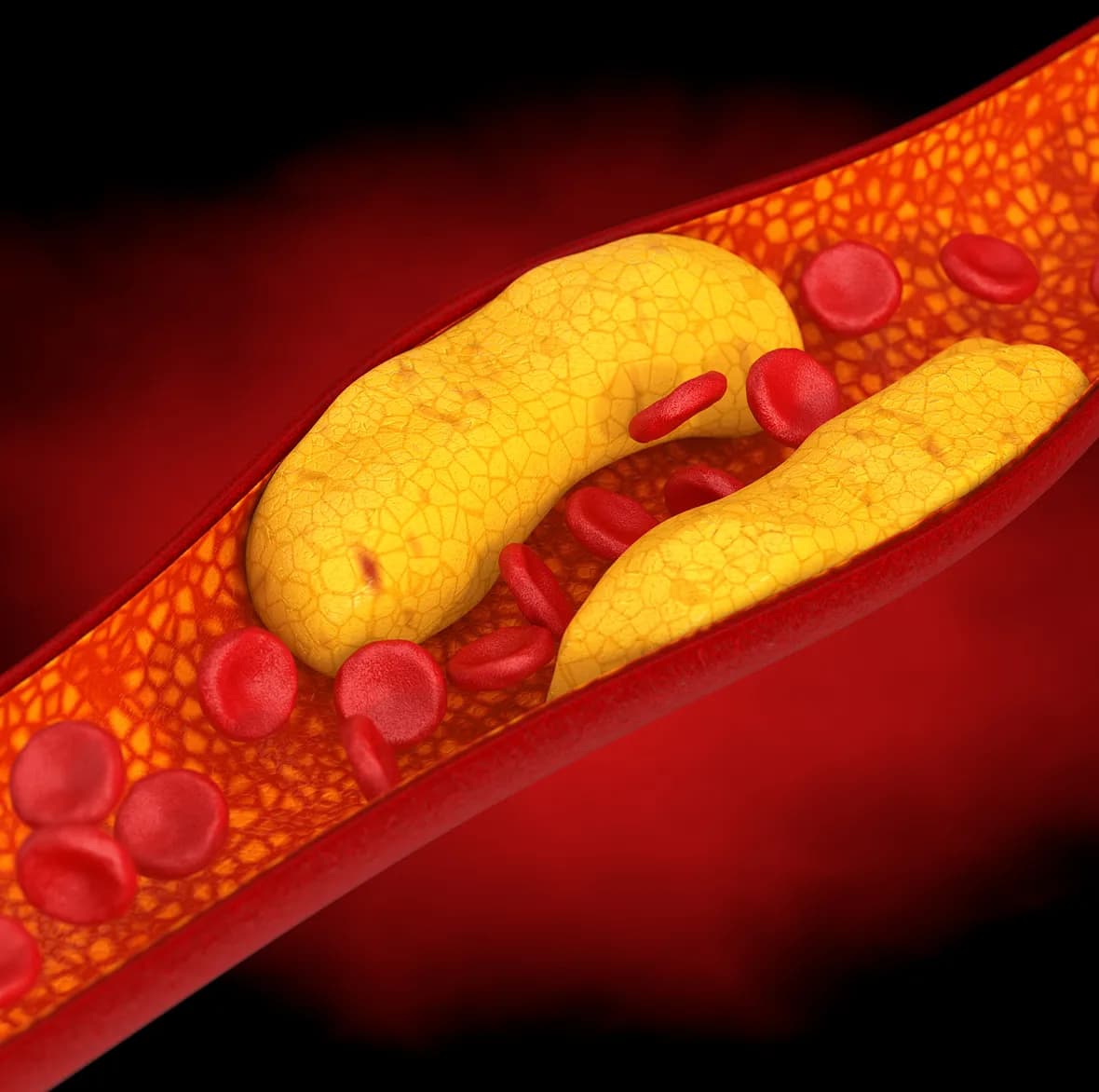
 Overview
According to the American Heart Association and American College of Cardiology’s joint clinical guideline, hypercholesterolaemia, commonly known as high cholesterol, is a condition where cholesterol levels in the blood rise higher than normal, causing the fatty buildup that blocks blood flow and leads to heart attacks and strokes. Excess cholesterol can accumulate in the arteries and increase the risk of heart disease, stroke, and other cardiovascular conditions.
There are different types of cholesterol. Low-density lipoprotein (LDL), often called bad cholesterol, can build up in the blood vessels when levels become too high. High-density lipoprotein (HDL), often called good cholesterol, helps remove excess cholesterol from the bloodstream. Triglycerides are another type of blood fat that may rise due to poor dietary habits, excess weight, and insulin resistance.
In Ayurveda, hypercholesterolaemia is associated with an imbalance in Meda Dhatu (fat tissue), weakened Agni (digestive fire), and the accumulation of Ama (unprocessed metabolic waste), which may affect the body’s natural processes involved in fat metabolism and circulation.
At Madhavbaug, hypercholesterolaemia is treated as more than just a cholesterol problem. The approach combines Panchakarma therapies, Ayurvedic medicines, personalised nutrition, lifestyle modification, and continuous monitoring to support healthy cholesterol levels, heart health, and overall well-being.
 Ayurveda
Hypercholesterolemia is not described as a separate disease in the classical Ayurvedic texts, but it can be understood as a disorder involving Meda Dhatu (fat tissue), Rasa Dhatu (nutritive fluid), and the Rasavaha and Medovaha Srotas. Ayurveda attributes its development to Mandagni (impaired digestive and metabolic fire), which leads to the formation of Ama (metabolic toxins). These metabolic disturbances affect the normal processing of fats and nourishment of tissues, resulting in the accumulation of unhealthy lipids within the body. Over time, this imbalance may contribute to impaired circulation.
CausesA diet high in saturated fats, sugar, refined carbohydrates, and processed foods can raise unhealthy cholesterol levels and increase the risk of high cholesterol.

Regular physical activity helps maintain healthy cholesterol levels. A sedentary lifestyle can contribute to high cholesterol and other heart health concerns.
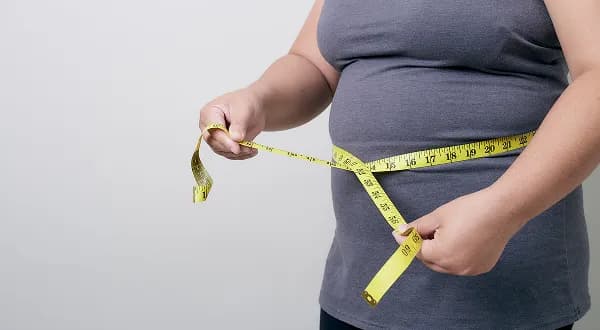
Being overweight, especially around the abdomen, can affect cholesterol levels and increase the risk of developing high cholesterol.

Insulin resistance and type 2 diabetes can affect the way the body processes fats, making unhealthy cholesterol levels more likely.

An underactive thyroid can contribute to elevated cholesterol levels and is a common but often overlooked cause of high cholesterol.
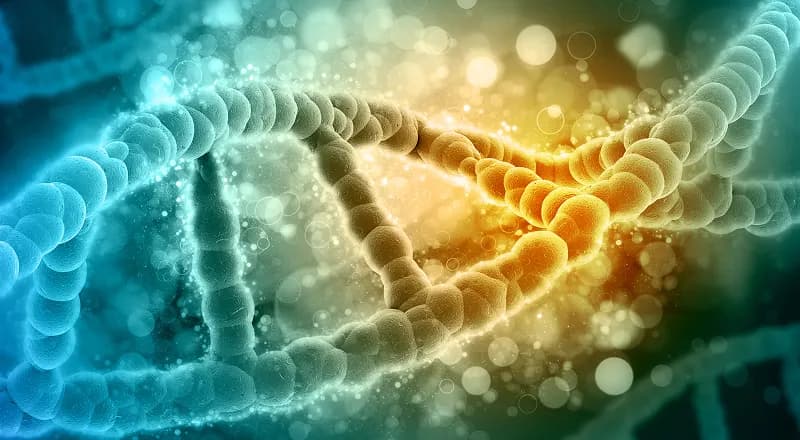
Familial hypercholesterolaemia is an inherited condition where the body is unable to properly remove excess cholesterol from the blood, causing levels to remain high regardless of diet or lifestyle.
Symptoms 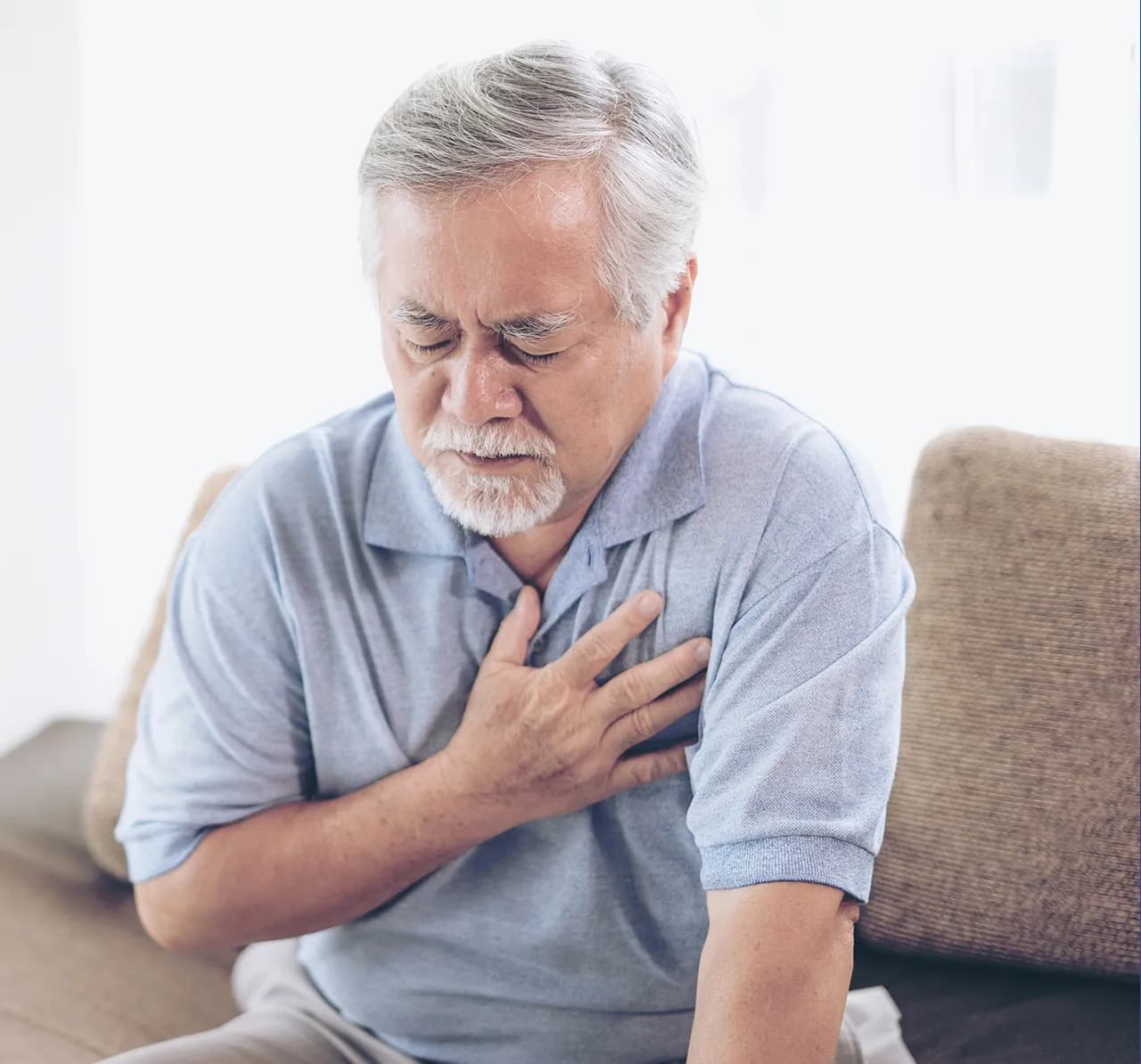
 DiagnosesRisks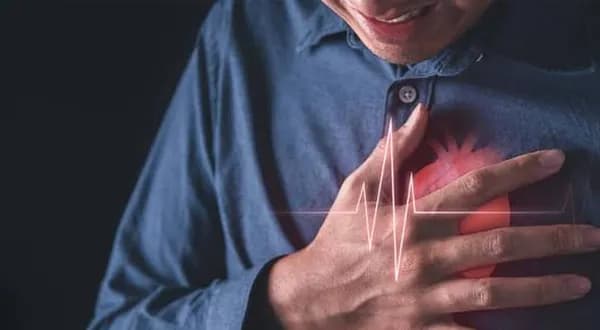
High cholesterol can cause fatty deposits to build up inside the blood vessels, reducing blood flow to the heart and increasing the risk of heart disease and heart attacks.
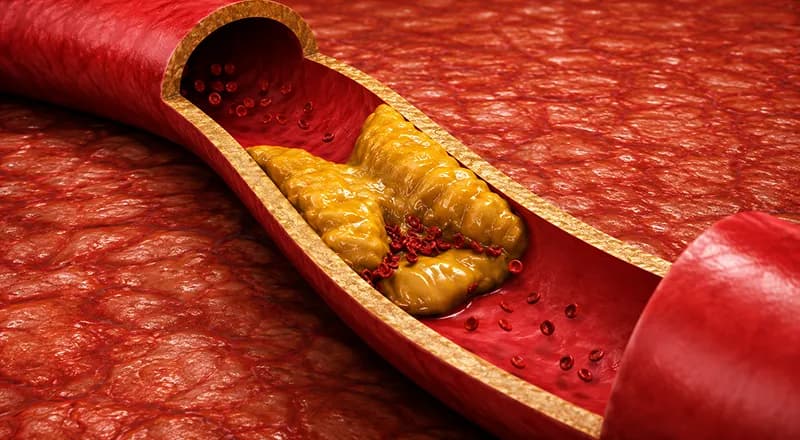
Cholesterol build-up can narrow the vessels and restrict blood flow to different parts of the body.

When blood flow to the brain is reduced or blocked, the risk of stroke increases. High cholesterol is one of the major risk factors.

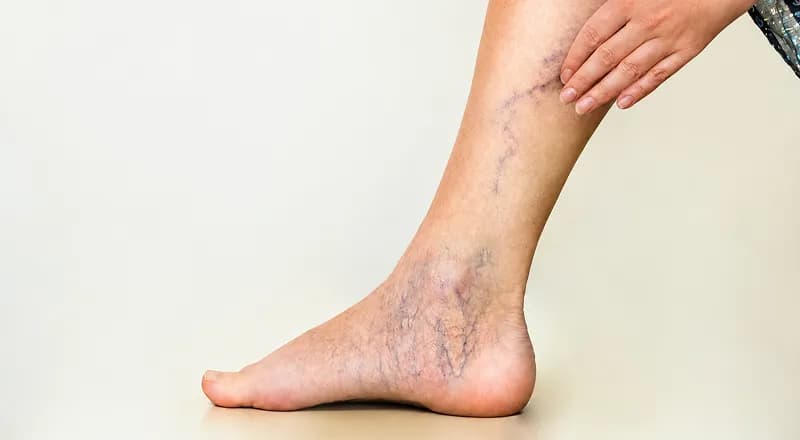
Reduced blood flow to the legs can cause pain, cramping, heaviness while walking, and other circulation problems.
Very high triglyceride levels can cause inflammation of the pancreas, leading to serious complications and may require urgent medical attention.

High cholesterol often occurs alongside conditions such as diabetes, high blood pressure, and fatty liver disease. When left unmanaged, these conditions can affect each other and become more difficult to control.
Our Approach
Five coordinated Panchakarma therapies work together to support healthy cholesterol levels, digestive function, and cardiovascular health.
A medically supervised dietary plan built around whole foods, balanced nutrition, and personalised dietary guidance. The plan is tailored to the patient’s cholesterol levels, blood sugar, weight, and overall health goals, while supporting heart health and healthy cholesterol management.
Madhavbaug uses carefully selected Ayurvedic formulations as part of a comprehensive treatment approach for high cholesterol.
A treatment approach unique to Madhavbaug that combines Ayurvedic care with modern diagnostics to monitor cholesterol levels, blood sugar, blood pressure, weight, and other important health markers together.
For patients managing high cholesterol alongside conditions such as heart disease, diabetes, or obesity, this integrated review helps ensure that overall health is assessed rather than focusing on a single parameter in isolation.
Aerobic exercise, yoga, and Pranayama are tailored to the patient’s age, fitness level, weight, and cardiovascular health. Regular physical activity supports healthy cholesterol levels, weight management, circulation, and heart health. The exercise plan is designed to be practical, sustainable, and appropriate for each patient’s individual needs.
Weight, BMI, blood pressure, blood sugar, and key metabolic parameters are tracked at every visit. The clinical team monitors lipid and metabolic markers in real time and adjusts the protocol based on how the patient is responding throughout treatment.
Why Choose UsFAQsPoor diet, physical inactivity, excess abdominal fat, insulin resistance, thyroid dysfunction, and genetic tendency are the primary causes. In most cases, it is a combination of metabolic and lifestyle factors rather than a single trigger. Correcting the metabolic root produces lasting results where dietary change alone does not.
High cholesterol is largely silent, which is what makes it dangerous. Chest pain during exertion, breathlessness during light activity, leg cramps while walking, yellowish fatty deposits around the eyes or joints, and abnormal blood test readings are the most common indicators. Most people discover it only through screening, after levels have been elevated for years.
The most effective approach corrects the metabolic causes rather than suppressing numbers with lifelong statins. Madhavbaug’s published research demonstrated a 66-point drop in total cholesterol and 83% reduction in statin dependency within 90 days through Panchakarma detoxification and dietary correction alone.
Cholesterol is a naturally occurring substance the body needs to function. Hypercholesterolaemia is the medical condition where LDL and total cholesterol exceed healthy thresholds, raising the risk of arterial blockage, heart disease, and stroke. Having cholesterol is normal. Hypercholesterolaemia means those levels require clinical correction.
Ayurvedic treatment for hypercholesterolaemia focuses on restoring digestive fire, clearing Ama from the liver and metabolic channels, and correcting the Kapha imbalance that drives excess fat production. Madhavbaug’s programme combines Panchakarma detoxification; herbal formulations, including Guggul and Terminalia Arjuna; a personalised anti-inflammatory diet; and supervised exercise to address high cholesterol at its metabolic root.

Don't just manage your condition. Overcome it. Take the first step toward sustainable, evidence-based chronic disease reversal.