

Hypothyroidism
When the thyroid gland is not producing enough thyroid hormone, the body's entire metabolism slows down, including the heart. This is one of the most common and most treatable causes of bradycardia.
Move beyond lifelong medication. Discover how Madhavbaug’s data-driven clinical care helps you address the root cause of your slow heartbeat or bradycardia symptoms.

 Overview
Bradycardia is a state when the heart rate drops below 60 beats per minute. Usually, the heart beats between 60 and 100 times a minute. A slower heartbeat means less blood reaches the brain, muscles, and organs. For a trained athlete, this is often completely normal. For someone with an underlying condition, it is a signal worth looking into.
Bradycardia can develop due to several different reasons, and treatment depends on the underlying cause. Understanding why the heart rate has slowed is the first step in choosing the most appropriate approach.
CausesWhen the thyroid gland is not producing enough thyroid hormone, the body's entire metabolism slows down, including the heart. This is one of the most common and most treatable causes of bradycardia.

Potassium, calcium, and magnesium all play a direct role in how the heart generates and conducts electrical signals. When these levels fall outside the normal range, the heartbeat can slow down.

Insulin resistance, hormonal imbalance, and obesity-related metabolic changes can all interfere with how the heart regulates its rhythm.

When breathing is repeatedly interrupted during sleep, oxygen levels in the blood drop and the heart slows in response. Treating the underlying sleep condition resolves the cardiac effect.
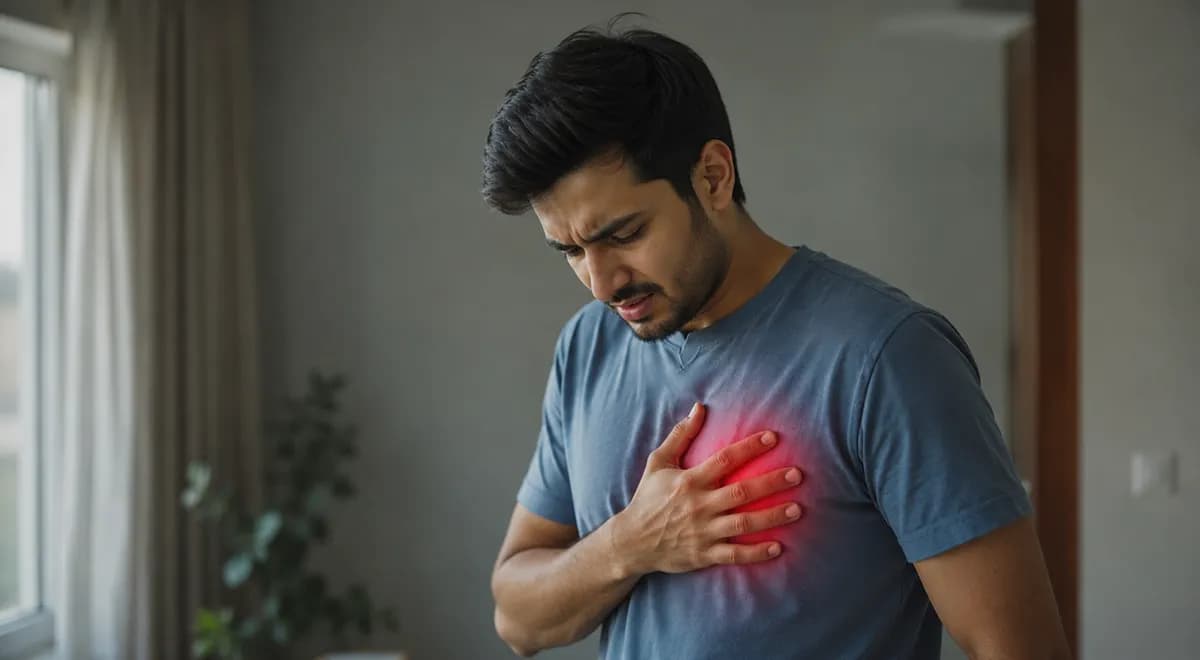
The sinus node is the body’s natural pacemaker that controls the heart's rhythm. When it deteriorates or is damaged, it can no longer send reliable electrical signals.
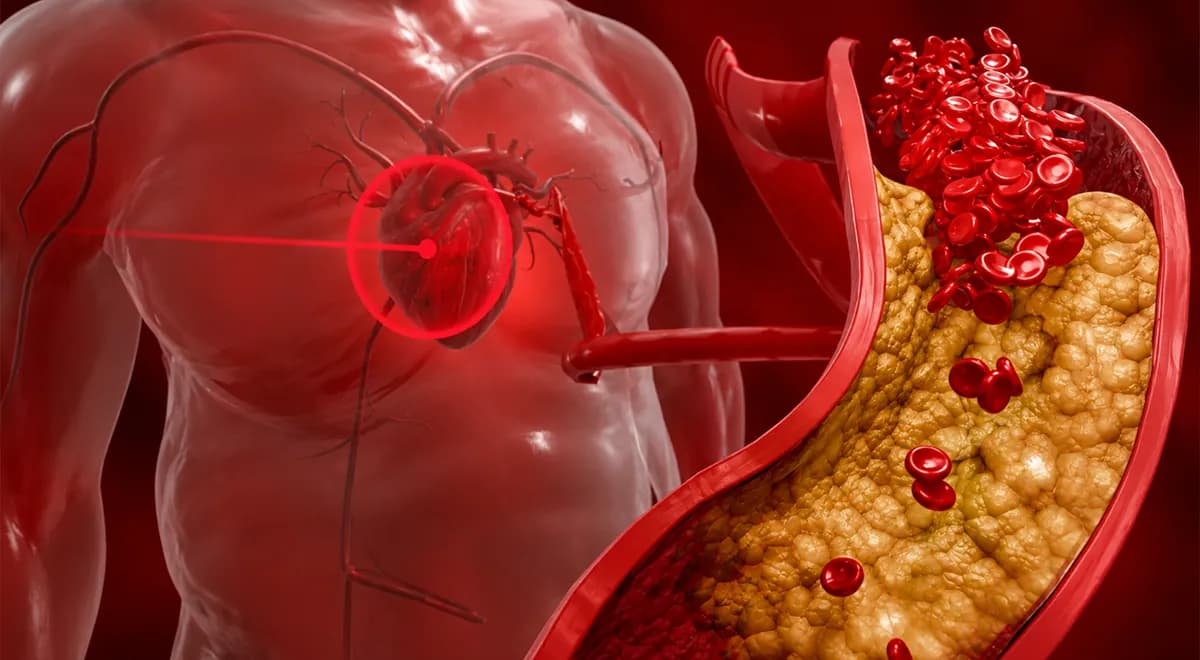
The heart relies on electrical signals to maintain a regular heartbeat. In heart block, these signals are delayed or interrupted, causing the heart to beat more slowly than normal.
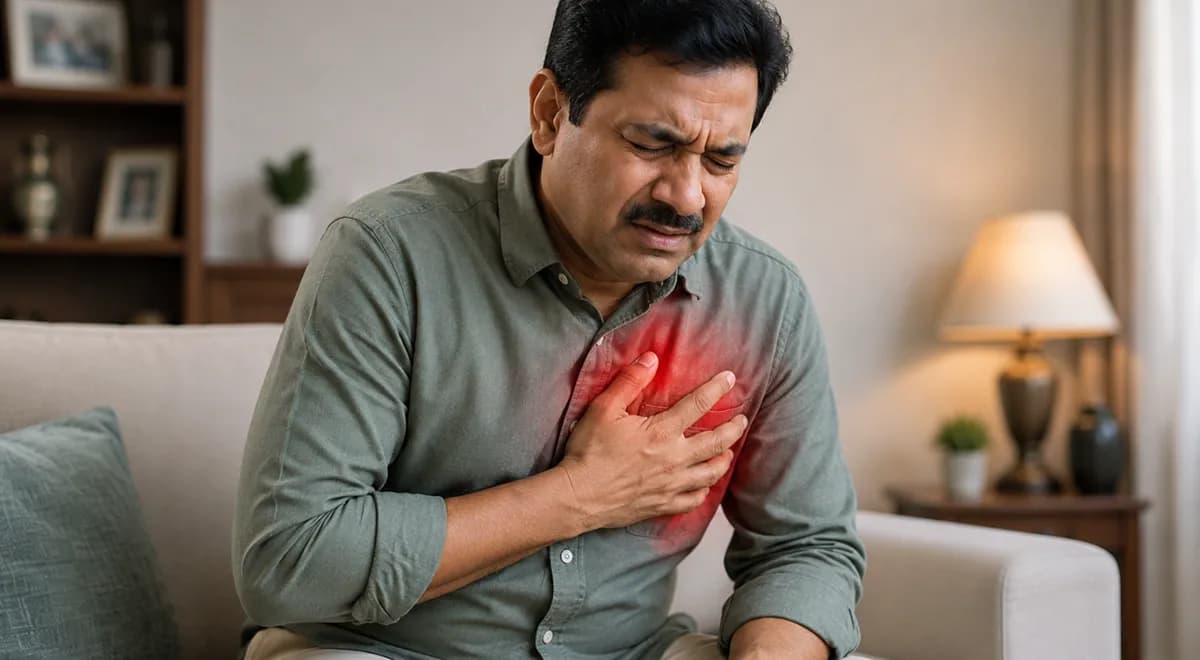
A heart attack can leave scar tissue in the heart's electrical pathways. That scarring disrupts signal transmission and can cause the heart rate to remain persistently slow.
The heart's electrical system changes over time. In some people, this gradual deterioration leads to a progressively slower resting heart rate as they get older.
Symptoms  DiagnosesRisks
Reduced blood flow to the brain causes recurrent fainting, which carries a significant risk of injury, particularly in older patients.
A heart beating too slowly for too long gradually weakens from the sustained effort of compensating for reduced output.
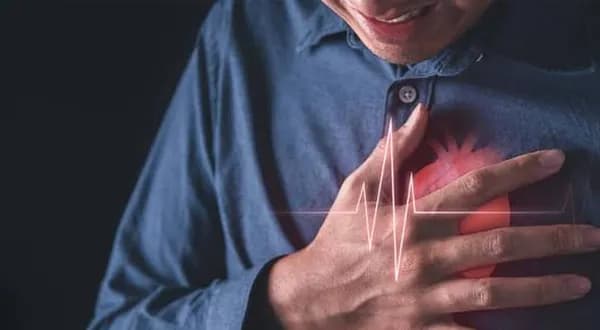
In severe cases, a critically slow heart rate can worsen into a complete stoppage of the heartbeat, which is life-threatening without immediate intervention.
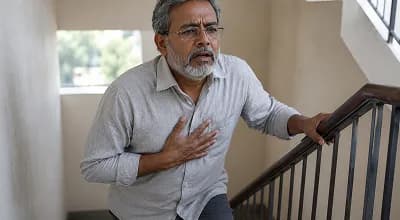
When bradycardia is driven by hypothyroidism, metabolic dysfunction, or electrolyte imbalance, leaving it unaddressed allows those conditions to cardiovascular risk.

Persistent fatigue, breathlessness, dizziness, and difficulty concentrating affect daily functioning. International cardiac guidelines recommend identifying and treating reversible causes before considering a pacemaker.
Our Approach
A comprehensive workup establishes the nature and severity of the slow heart rate before any treatment begins.
Snehana, Swedana, Hrid Dhara, and Basti are four therapies administered together as part of Madhavbaug’s SHS (Sampurna Hriday Shuddhikaran) Therapy. They work to improve blood circulation to the heart, reduce metabolic strain, and support the heart’s own electrical signalling system, which controls your heartbeat.
A structured Reverse Diet protocol is planned according to the patient’s symptoms, overall health, and the underlying cause of bradycardia, with a focus on protecting coronary artery health, managing weight, and correcting the metabolic imbalances that place added strain on the heart. Depending on the patient’s profile, programmes such as Prameha or Swasthyam may also be incorporated into the overall treatment plan.
Physical activity is introduced gradually and adjusted to the patient’s fitness level and symptoms. Walking, supervised exercise, and breathing practices help maintain physical fitness, improve stamina, and support overall cardiovascular health while avoiding unnecessary strain on the heart.
Specific Ayurvedic formulations are prescribed based on the patient’s diagnostic findings to support cardiac muscle function, regulate heart rate, and correct the metabolic imbalances driving the slow heart rate. This includes Kate Pro, Tab GHA, and Arj Kadha, prescribed where clinically indicated. All medicines are prescribed alongside existing medications with no sudden changes.
ApexBeat tracks cardiac recovery in real time after treatment, allowing the medical team to adjust the programme as the heart strengthens.
A stent opens a blocked artery, and a bypass reroutes blood around it. Neither addresses what caused the blockage. Without that, the same process continues.
Madhavbaug looks at it differently. The focus is on why the artery narrowed and what has to change to keep it from getting worse.
Why Choose UsFAQsThere is no single best medicine because bradycardia is a symptom, not a standalone condition. The right treatment depends on the cause. Hypothyroidism, causing a slow heart rate, responds to thyroid treatment. Medication side effects respond to dose adjustment. Electrolyte imbalance responds to correction of the deficiency. Finding the cause is the first step. Madhavbaug’s programme starts there.
In a hospital emergency, intravenous atropine is used to raise heart rate quickly. For chronic cases, the heart rate improves when the underlying cause is treated. Regular moderate physical activity, pranayama, a low-sodium diet, and correction of metabolic or thyroid issues or even ischaemia all support healthier heart rate regulation over time. Attempting to raise heart rate without identifying the cause first is not advisable.
If someone collapses or loses consciousness due to a slow heart rate, call emergency services immediately. Lay them flat and elevate their legs slightly to improve blood flow to the brain. If there is no pulse and no breathing, begin CPR. First aid manages the immediate crisis. A full cardiac assessment is needed to identify and address the underlying cause.
When bradycardia has a reversible cause, it can improve without a pacemaker. Correcting hypothyroidism, electrolyte imbalances, medication side effects, or metabolic dysfunction are all documented pathways to resolution. Madhavbaug’s Ayurvedic treatment for bradycardia targets these causes through Panchakarma, herbal formulations, and dietary and lifestyle correction. A proper diagnosis is essential before any natural treatment is started.
Ayurvedic treatment for bradycardia is applicable where the slow heart rate is driven by reversible metabolic, hormonal, or digestive imbalances. Madhavbaug’s programme identifies these causes through comprehensive diagnostics and addresses them through Panchakarma, herbal formulations, dietary correction, and metabolic support. It does not replace a pacemaker where structural electrical damage is confirmed.

Don't just manage your condition. Overcome it. Take the first step toward sustainable, evidence-based chronic disease reversal.