
Madhavbaug — Advanced Ayurveda Clinics and Hospitals
About Madhavbaug

Madhavbaug Lifestyle and Exercise Guide: Move Safely, Heal Naturally

To reverse conditions like Type 2 diabetes, high blood pressure, or heart disease, changing your diet is only half the battle. How you move, sleep, and manage stress tells your body how to heal.

At Madhavbaug, we design safe, customised lifestyle and exercise routines. Our goal is simple: help you rebuild your health so you can safely reduce your daily medications.

Lifestyle & Exercise Guide

Lifestyle & Exercise Guide

LeafAbout

Why Generic Workouts Can Be Dangerous

If you have a heart condition or high blood sugar, jumping straight into intense gym workouts or random online exercise routines can put dangerous stress on your heart and blood vessels.

Safety Note

Exercise is like medicine; the dose must be exactly right. Our doctors customise your activity plan based on your current health reports to ensure your heart rate stays in a completely safe zone.

LeafMadhavbaug Exercise

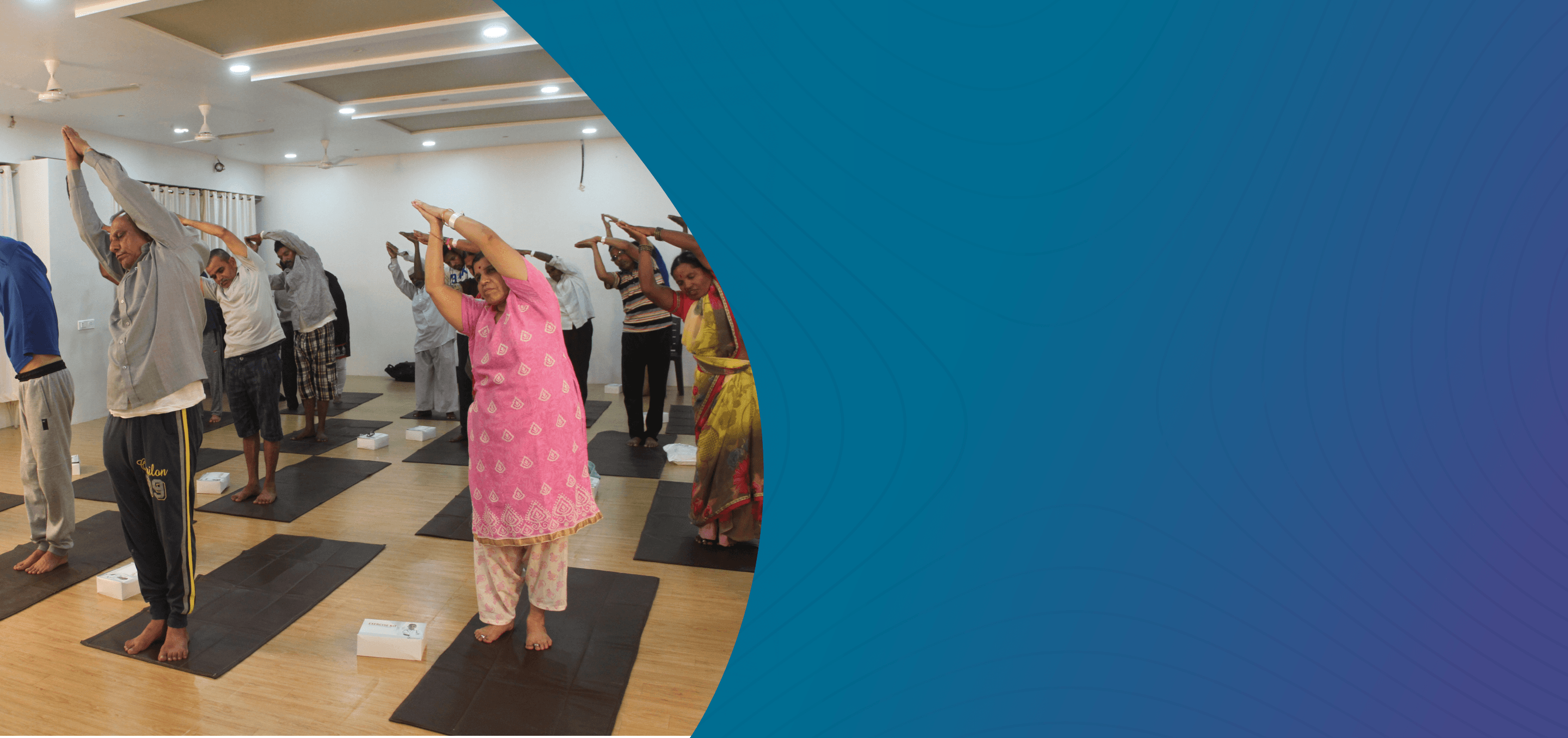
The 3 Simple Pillars of Madhavbaug Exercise

You do not need to lift heavy weights or run marathons. Our protocol uses three gentle types of movement to heal your body:

Safe Cardio

Safe Cardio

(Brisk Walking Or Cycling)

30 to 45 minutes of daily, steady movement. This strengthens your heart muscle so it can pump blood with less effort.
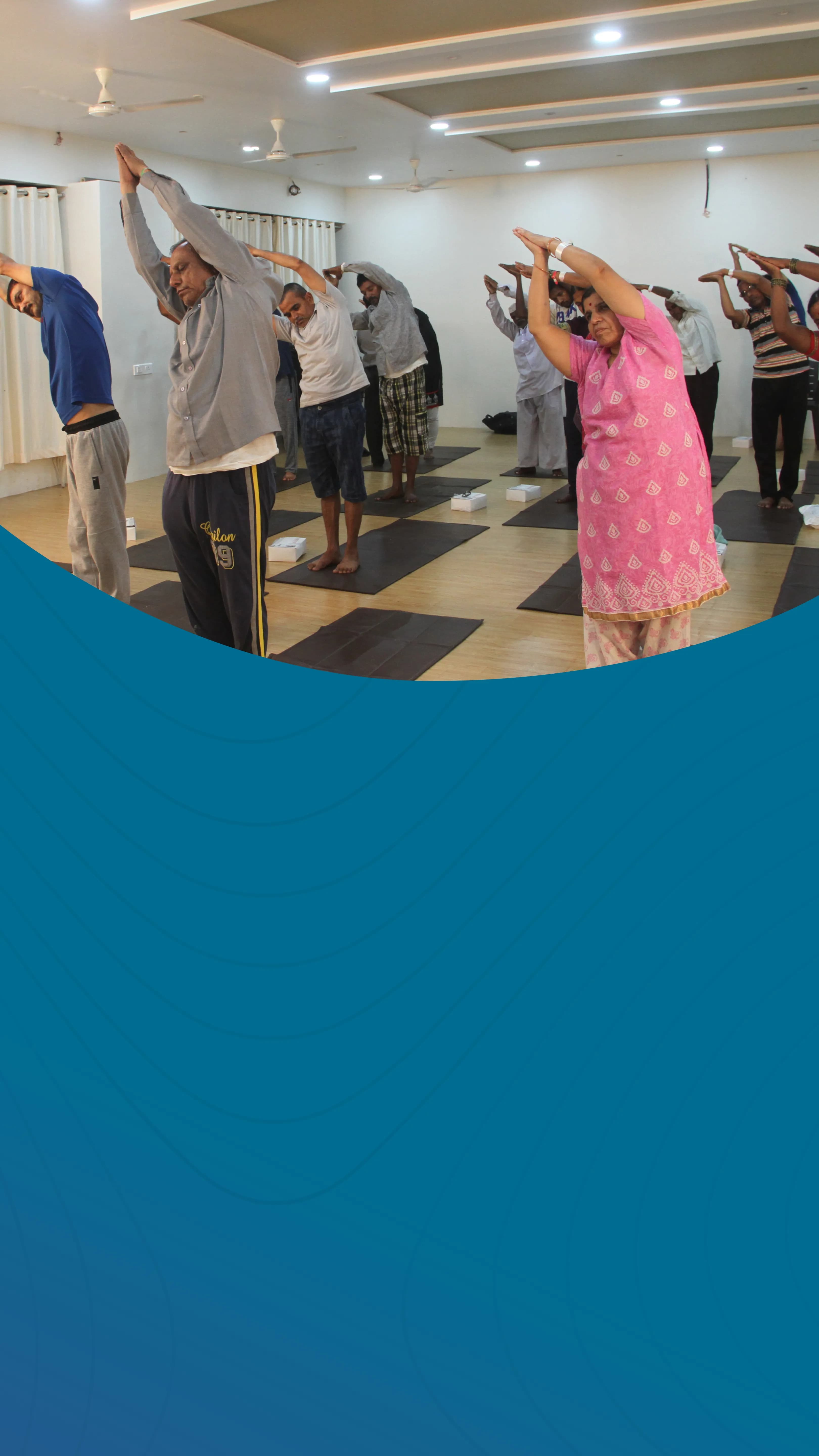
Simple Muscle Toning

Simple Muscle Toning

Bodyweight Exercises

Light movements like wall push-ups or chair squats 2 to 3 times a week. Active muscles naturally absorb excess sugar directly from your blood.
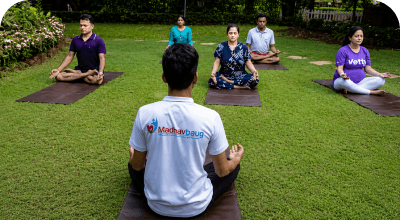
Yoga & Breathing

Yoga & Breathing

Relaxation

15 minutes of daily Pranayama (like Anulom Vilom). This calms your nervous system and instantly helps lower high blood pressure.
LeafMadhavbaug Exercise

Exercise Guides According to Your Condition

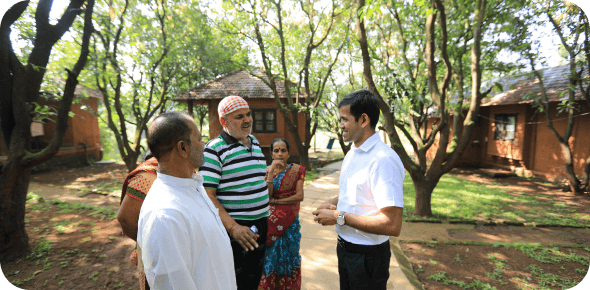
At Madhavbaug, every exercise and lifestyle plan is personalised according to your age, fitness level, medical condition, and treatment goals. Our physiotherapists and healthcare experts guide you through safe, practical habits that can be followed in everyday life.

Heart Disease

For patients with heart disease, exercise is prescribed as a clinical cardiac recovery tool rather than a one-size-fits-all fitness routine. Each programme is designed around your heart function and physical capacity and is supervised by trained physiotherapists.

The programme may include:

  • Cardiovascular exercises to improve heart strength and circulation.
  • Resistance training to maintain healthy body weight and support metabolism.
  • Pranayama and breathing exercises to reduce stress, lower blood pressure, and decrease the workload on the heart.
  • Guided physical activity progression based on your recovery milestones.

Regular monitoring helps track improvements in exercise capacity and overall cardiac health.

Obesity

Weight loss is most effective when healthy eating is combined with regular physical activity. Madhavbaug's obesity management programme focuses on gradually helping the body burn more fat and improving metabolism.

The programme may include:

  • Walking and aerobic exercises to burn excess calories.
  • Strength and resistance training to preserve muscle mass during weight loss.
  • Flexibility and mobility exercises to improve movement and reduce strain on joints.
  • Lifestyle coaching to improve sleep, meal timing, stress management, and daily activity levels.

The goal is to achieve sustainable weight loss while improving energy levels and overall health.

Type 2 Diabetes

For diabetes, movement works like natural medicine. A structured, doctor-guided routine helps your muscles use glucose efficiently and steadily improves your body's insulin sensitivity.

The programme may include:

  • Post-meal walks to blunt sudden blood sugar spikes.
  • Light resistance training so active muscles pull more sugar from the blood.
  • Breathing and yoga to lower stress hormones that raise blood sugar.
  • Consistent daily activity tracked against your HbA1c and energy levels.

The aim is steady glycaemic control that supports a safe reduction in medication over time.

Hypertension

For high blood pressure, the right kind of gentle, rhythmic movement helps relax blood vessels and reduce the daily strain on your heart, without dangerous spikes.

The programme may include:

  • Steady-state walking to improve circulation and vascular tone.
  • Pranayama and relaxation to calm the nervous system and lower readings.
  • Low-intensity mobility work to keep you active without over-exertion.
  • Heart-rate monitoring to keep every session inside a safe zone.

Regular review helps normalise blood pressure and protect your heart and arteries long term.

LeafExercise Routine

Your Ideal Daily Routine

Aligning your habits with the sun improves digestion, sleep, and energy levels. Try this simple daily timeline:

Morning

Morning

What to Do

Wake up & engage in 15 mins of calm breathing

Why it Helps

Lowers morning stress hormones

Post-Meals

Post-Meals

What to Do

Take a light, 10-minute stroll

Why it Helps

Prevents sudden blood sugar spikes

Afternoon

Afternoon

What to Do

Avoid sleeping right after lunch

Why it Helps

Keeps your digestion sharp and active

Night

Night

What to Do

Turn off screens 1 hour before bed

Why it Helps

Signals your body to repair itself and that it is time to rest

LeafWarning Signs

When to Stop Exercising Immediately

Always listen to your body. Stop moving and rest if you experience:

  • Chest pain, tightness, or pressure
  • Sudden dizziness, lightheadedness, or cold sweats
  • Severe shortness of breath that doesn't go away quickly

Medical Disclaimer

Consult a doctor before starting any exercise routine, especially if you have a heart condition. Do not modify medications independently; all physical limits and treatment changes must be medically supervised.

LeafFAQs

Frequently Asked Questions

Yes, but only under medical guidance. Supervised, graded activity is one of the most powerful tools for cardiac recovery. Our doctors first assess your heart function and then design a safe, progressive plan - never start an intense routine on your own after a cardiac event.
We simply adapt the movement. Low-impact options like chair-based exercises, gentle wall push-ups, water walking, and seated breathing let you stay active without stressing painful joints. The goal is consistent, comfortable movement - not pain.
The MIB Pulse app connects you to your Madhavbaug care team between visits. You can track your heart rate, steps, and vitals, follow your personalised routine, and share readings so your coach can fine-tune your safe activity zone remotely.
Slow down immediately to a gentle stroll until your breathing normalizes. Do not sit down abruptly, as this can cause blood to pool in your legs and make you dizzy. Use your smartwatch or the MIB Pulse app to track your heart rate, and let your Madhavbaug coach know so they can recalculate your safe walking pace.
Heavy lifting and breath-holding (straining) can dangerously spike blood pressure, so it is not recommended without clearance. We prefer light resistance and bodyweight movements. If you want to train at a gym, share your plan with your doctor so it can be made safe for your condition.
Both work - consistency matters more than timing. Many patients find morning movement helps set a calm tone for the day, while a light post-meal walk in the evening helps control blood sugar. Choose the slot you can stick to comfortably every day.
Madhavbaug

Start Your Journey to a Medicine-Free Life with Madhavbaug

Don't just manage your condition. Overcome it. Take the first step toward sustainable, evidence-based chronic disease reversal.

Book a Consultation
Nearest CentresCall Now