


Insulin resistance
The body stops responding effectively to insulin, leading to hormonal imbalances, irregular ovulation, and increased fat storage around the abdomen.

PMOS is a condition that affects hormonal balance, metabolism, and reproductive health. Madhavbaug's clinically supervised Ayurvedic programme is designed to support overall health by addressing these interconnected imbalances.

 Overview
According to the American Society for Reproductive Medicine, Polyendocrine Metabolic Ovarian Syndrome (PMOS) is the most common endocrine condition affecting women of reproductive age, from their teenage years through menopause and beyond.
Formerly known as Polycystic Ovary Syndrome (PCOS), it affects between 10 and 13% of women globally, and describes the hormonal and metabolic imbalances commonly associated with PCOS and Polycystic Ovarian Disease (PCOD).
Common symptoms include irregular periods, weight gain, acne, excessive facial or body hair, hair thinning, and difficulty in getting pregnant. These are driven by a combination of hormonal imbalances, insulin resistance, genetics, lifestyle habits, and chronic stress.
In Ayurvedic terms, PMOS develops when Kapha (the dosha governing weight and fluid) and Pitta (the dosha governing metabolism and hormones) fall out of balance. Digestive fire weakens, Ama (unprocessed metabolic waste) accumulates in the body’s channels, and both fat metabolism and reproductive function are disrupted together.
Madhavbaug’s programme addresses the hormonal and metabolic root cause as one connected clinical picture, rather than managing each symptom in isolation.
 Ayurveda
Although Polyendocrine Metabolic Ovarian Syndrome (PMOS) is not described as a distinct disease in the classical Ayurvedic texts, its features closely resemble conditions such as Artava Kshaya (scanty menses), Nashtartava,(inability to produce ovum) and Pushpaghni Jataharini. Ayurveda views PMOS as a disorder resulting from an imbalance of the Tridoshas, primarily involving Kapha and Vata, along with disturbances in Artavavaha Srotas (reproductive channels) and Medovaha Srotas (fat metabolism). The condition affects normal ovulation and menstrual function, leading to irregular periods, difficulty in conception, weight gain, acne, and excessive hair growth
CausesThe body stops responding effectively to insulin, leading to hormonal imbalances, irregular ovulation, and increased fat storage around the abdomen.

An imbalance in hormones such as androgens, oestrogen, and progesterone can interfere with normal ovulation and reproductive health.

A diet high in refined carbohydrates, sugar, and processed foods drives repeated blood sugar spikes that worsen insulin resistance and promote fat accumulation around the organs.

Regular movement helps the body use glucose more effectively. Without enough physical activity, insulin resistance may worsen, leading to weight gain and other PMOS-related symptoms.

xProlonged stress can increase cortisol levels, which may affect blood sugar control, contribute to abdominal weight gain, and disrupt hormonal balance.
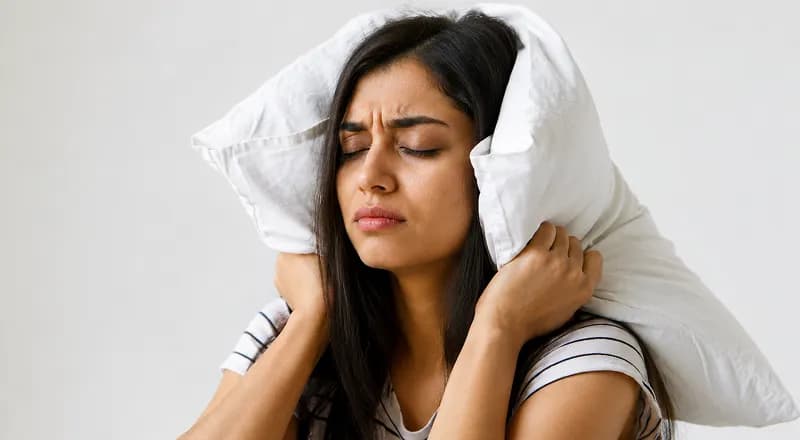
Disrupted sleep worsens cortisol levels, increases appetite, and impairs the hormonal regulation of the menstrual cycle. Poor sleep is both a symptom and a cause of PMOS progression.
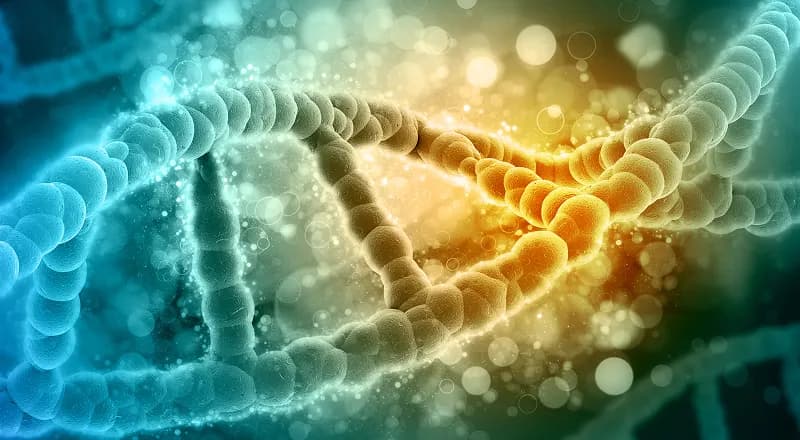
Women with a family history of PCOS, PCOD, type 2 diabetes, or hormonal disorders may be at a higher risk of developing PMOS. Early diagnosis and appropriate management can help support better health outcomes.
Symptoms 
 DiagnosesRisks
Disrupted ovulation makes natural conception difficult. Without addressing the underlying hormonal and metabolic causes, infertility associated with PMOS becomes progressively harder to treat.
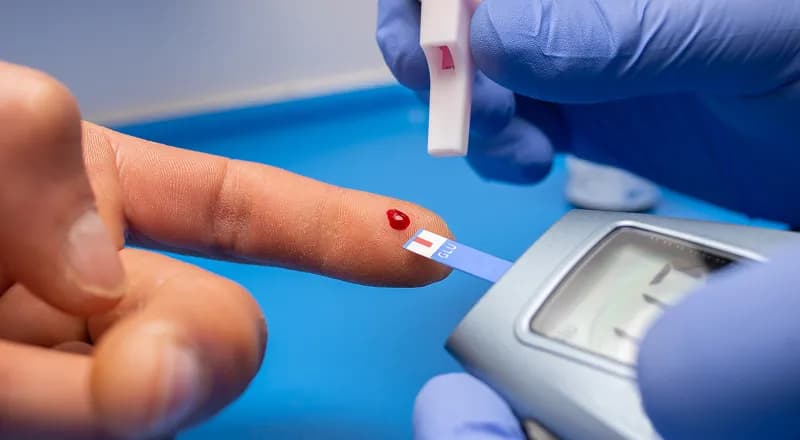
Insulin resistance can affect the body's ability to control blood sugar levels. If left unaddressed, it may increase the risk of developing type 2 diabetes over time.

PMOS is often associated with risk factors such as unhealthy cholesterol levels, high blood pressure, and excess abdominal weight. Together, these factors may contribute to an increased risk of heart disease.
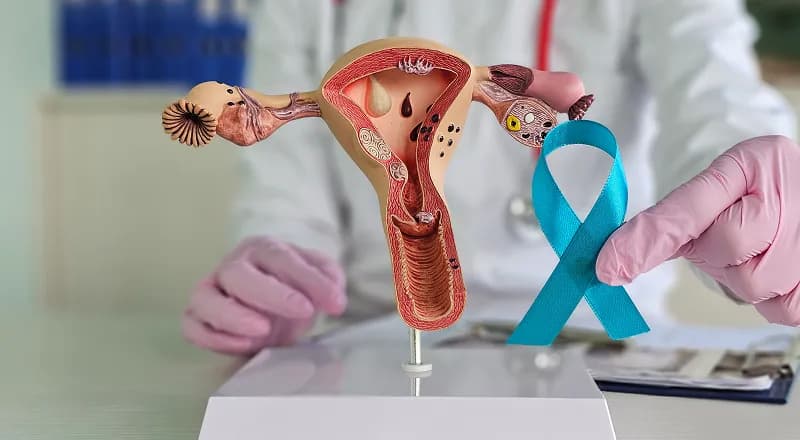
When periods are irregular or absent for long periods, the lining of the uterus may build up. This can increase the risk of endometrial cancer.

PMOS can create a cycle in which hormonal imbalances and insulin resistance continue to affect each other, leading to worsening symptoms over time.

Untreated PMOS frequently progresses to metabolic syndrome, a cluster of high blood pressure, high blood sugar, abnormal cholesterol, and excess abdominal fat.

Women with PMOS may be more likely to experience anxiety, depression, and low self-esteem. Hormonal imbalances, weight gain, fertility concerns, and visible symptoms can all affect emotional wellbeing.
Our Approach
Treatment begins with a thorough assessment of the patient’s hormonal profile, insulin sensitivity, and ovarian health. This includes hormone panel testing, insulin resistance evaluation, ultrasound, and metabolic markers. The clinical picture guides every element of the protocol that follows.
Panchakarma detoxification works on the internal environment, driving both the hormonal imbalance and the metabolic dysfunction simultaneously.
Snehan (oleation therapy): Done using R abhyang oil which leads to better circulation and nourishing the body.
Sweden (Heat therapy): Using Dashmool kadha, the steam is given to the person to promote metabolic correction.
Basti (medicated enema): Kumari Hingwadi Oil is given through the rectal route, which is absorbed by the cells, which helps hormones balance.
A coordinated set of therapies clears accumulated Ama (unprocessed metabolic waste) from the body’s channels, restores Agni (digestive fire), corrects Kapha (the dosha governing weight and fluid) and Pitta (the dosha governing metabolism and hormones) imbalance, and creates the internal conditions in which both ovarian function and metabolic health can rebalance.
The specific therapies are selected based on each patient’s clinical assessment and adjusted throughout the programme.
A medically supervised dietary plan personalised to the patient’s health needs and metabolic profile. Built around whole foods, healthy carbohydrates, and balanced nutrition, it is designed to support healthy blood sugar levels, weight management, and overall metabolic health. The programme encourages sustainable dietary habits that support long-term wellbeing and a healthier lifestyle.
Yoga, Pranayama, and supervised exercise are prescribed as clinical tools for improving insulin sensitivity, reducing abdominal fat, lowering cortisol, and supporting hormonal rebalancing alongside metabolic correction.
Progress is tracked across hormonal markers, metabolic parameters, menstrual regularity, and weight at every clinical visit. The treatment protocol is adjusted based on how the patient is responding, ensuring both the hormonal and metabolic dimensions of PMOS are addressed throughout the programme.
Real-time tracking of key health metrics between clinic visits keeps patients connected to their clinical team and ensures the protocol is working at every stage of treatment.
Why Choose UsFAQsPMOS stands for Polyendocrine Metabolic Ovarian Syndrome. The term is used to emphasise the hormonal, metabolic, and reproductive aspects of what is commonly known as PCOS or PCOD. While PCOS and PCOD remain widely used terms, PMOS reflects the broader metabolic and endocrine factors associated with the condition.
PMOS is an emerging term that more accurately describes the full hormonal and metabolic picture of what was previously called PCOS or PCOD. While PCOS and PCOD remain the widely used clinical terms, PMOS reflects a deeper understanding of the condition as a systemic metabolic disorder that extends beyond the ovaries and requires a coordinated hormonal and metabolic approach to treat effectively.
PCOS describes a hormonal condition characterised by elevated androgens, irregular periods, and ovarian cysts. PMOS views the condition through a broader hormonal and metabolic lens, recognising that factors such as insulin resistance and metabolic health may play an important role alongside reproductive symptoms. The distinction matters because treating PMOS effectively requires addressing the full metabolic picture, not just the hormonal symptoms.
PMOS is diagnosed through hormone blood tests, an insulin resistance evaluation, an ultrasound to check the ovaries, and a review of key metabolic markers including blood sugar, cholesterol, and BMI. At Madhavbaug, this full assessment forms the first step of treatment, ensuring the programme is built around the patient’s complete clinical picture.
Yes. With the right clinical approach, the hormonal and metabolic imbalances that drive PMOS can be corrected. Madhavbaug’s programme combines Panchakarma detoxification, a personalised anti-inflammatory diet, supervised exercise, and ongoing monitoring to address the root cause of the condition rather than managing symptoms alone.

Don't just manage your condition. Overcome it. Take the first step toward sustainable, evidence-based chronic disease reversal.