

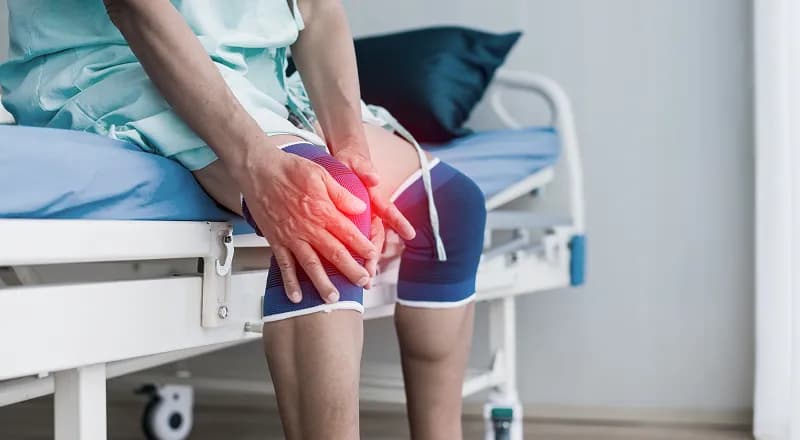
Age-related Cartilage Decay
As you age, joint cartilage repairs everyday wear less effectively. Combined with excess weight, old injuries, inflammation or metabolic problems, osteoarthritis risk rises.

Madhavbaug's clinically supervised Ayurvedic programme addresses the underlying causes of joint degeneration, improving quality of life without surgery.
 Overview
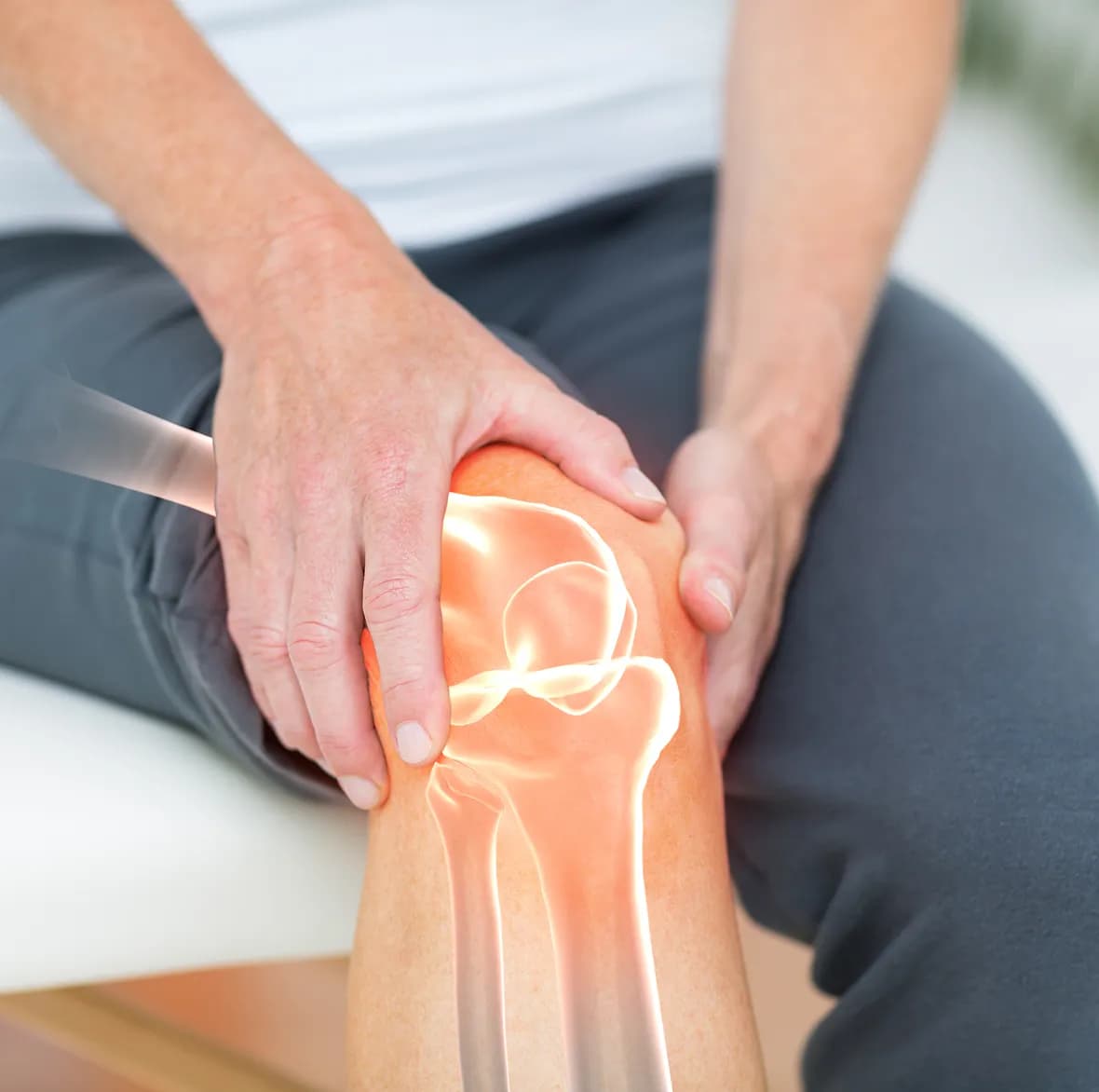
According to the World Health Organization, osteoarthritis is a degenerative joint condition that causes pain, swelling, and stiffness, affecting a person’s ability to move freely. It is most common in the knees, hips, spine, and hands, and affects the entire joint, not just the cartilage.
In 2019, an estimated 528 million people worldwide were living with osteoarthritis, a rise of 113% since 1990, making it one of the leading causes of disability among musculoskeletal conditions. While it becomes more common with age, the WHO is clear that osteoarthritis is not an inevitable consequence of ageing. Excess weight, physical inactivity, and chronic inflammation all raise the risk.
In Ayurveda, osteoarthritis is known as Sandhigata Vata and is classified into two types. Dhatukshaya janya Sandhigata Vata arises from degenerative tissue changes, with intense pain as the main symptom. Avarodh janya Sandhigata Vata arises from obstructed circulation of Vata, with stiffness and swelling as the main symptoms.
At Madhavbaug, treatment focuses on addressing the factors driving joint damage, aiming to reduce inflammation, improve mobility, and support an active lifestyle.
 Ayurveda
In Ayurveda, osteoarthritis is commonly correlated with Sandhivata, a condition caused predominantly by the aggravation of Vata Dosha affecting the joints (Sandhi). Classical Ayurvedic texts describe symptoms such as joint pain (Shoola), swelling (Shotha), stiffness, crepitus (Atopa), and restricted joint movement, which closely resemble the clinical features of osteoarthritis. Since Vata naturally increases with advancing age, Sandhivata is more commonly seen in older adults, although it can also develop due to injury, overuse, or improper lifestyle habits.
The Samprapti (pathogenesis) of Sandhivata is understood through two main mechanisms: Dhatukshaya Janya and Avarodha Janya. In Dhatukshaya Janya Sandhivata, degeneration and depletion of Asthi Dhatu (bone tissue) and Majja Dhatu (bone marrow/cartilage) lead to loss of nourishment and lubrication in the joints, allowing aggravated Vata to cause pain, stiffness, and reduced mobility. In Avarodha Janya Sandhivata, the normal movement of Vata is obstructed due to blockage in the body channels (Srotas) by factors such as excess Kapha, Meda (fat tissue), or metabolic waste (Ama). This obstruction further aggravates Vata, resulting in inflammation, pain, and impaired joint function. Based on the underlying mechanism, Ayurveda emphasises individualised treatment aimed at restoring balance, nourishing the joints, and improving mobility.
CausesAs you age, joint cartilage repairs everyday wear less effectively. Combined with excess weight, old injuries, inflammation or metabolic problems, osteoarthritis risk rises.
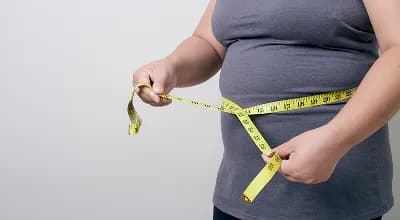
Excess weight puts constant pressure on weight-bearing joints like the knees and hips. This speeds cartilage wear, increases joint inflammation and raises osteoarthritis risk.
Insulin resistance, high blood sugar and abnormal cholesterol cause chronic inflammation. This damages joint tissues and speeds the progression of osteoarthritis over time.

Regular movement keeps joints flexible and supporting muscles strong. Lack of activity weakens these muscles, increases joint strain and raises osteoarthritis risk over time.
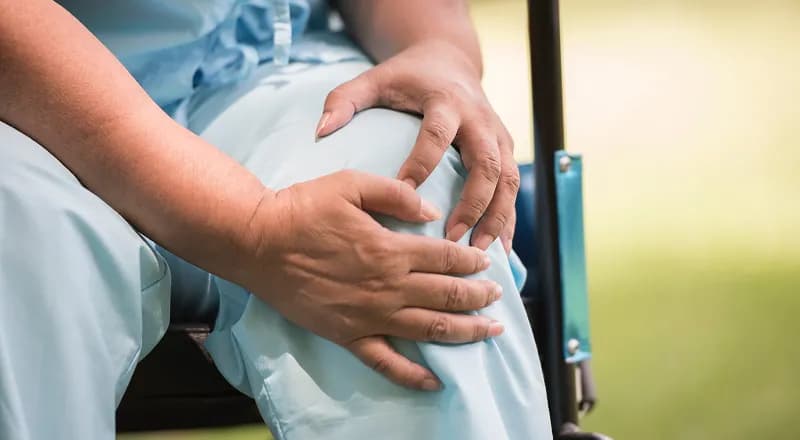
Damage to cartilage, ligaments or other joint tissues can permanently change joint function. Even after healing, extra stress on the joint increases osteoarthritis risk.
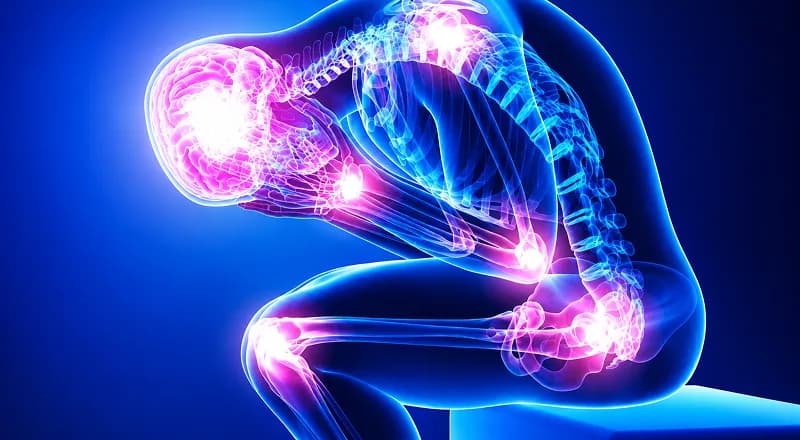
Chronic inflammation slowly damages cartilage and joint tissues. It is commonly linked to obesity, metabolic disorders, unhealthy diet and ongoing stress, worsening joint damage.
Symptoms 
 DiagnosesRisks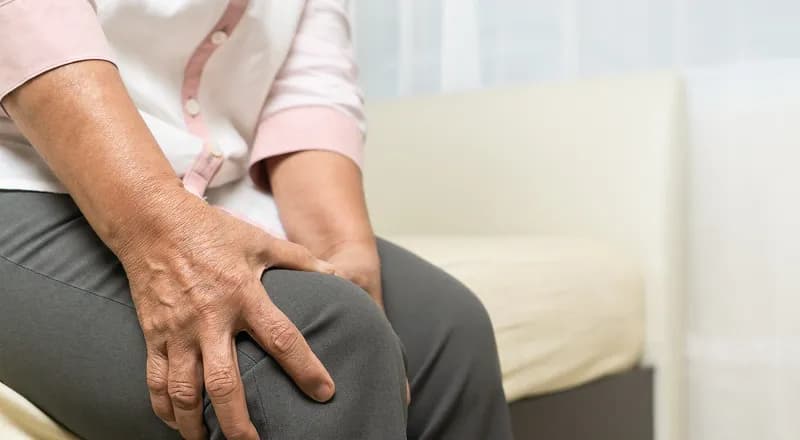
Joint cartilage has limited ability to repair major damage. Without timely treatment, joint breakdown continues, causing more pain, stiffness and loss of normal joint function.
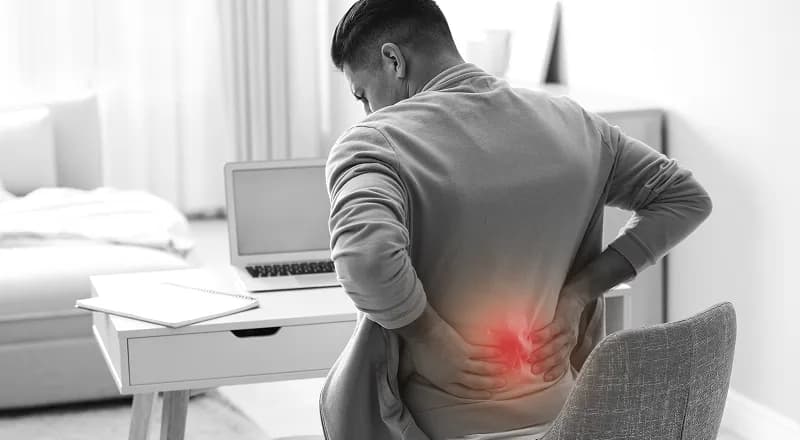
Persistent joint pain can make walking, climbing stairs and standing from a chair difficult. Reduced mobility affects independence and lowers overall quality of life over time.
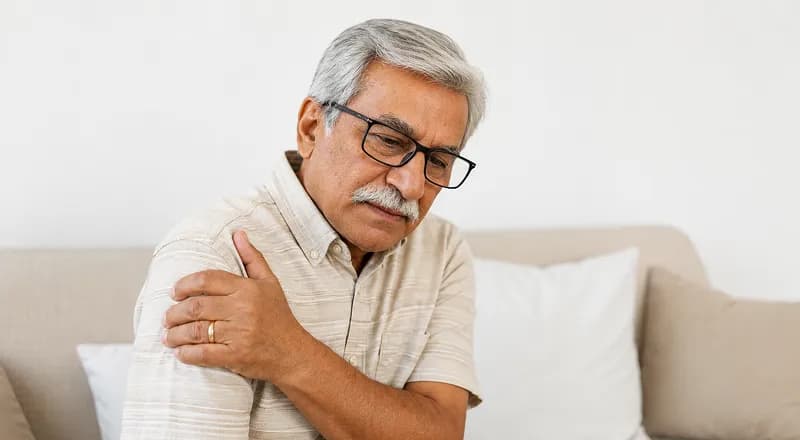
Joint pain often reduces physical activity, weakening the muscles supporting the joint. This makes daily activities harder and places even greater strain on the affected joint.

Joint stiffness, muscle weakness and poor mobility reduce balance and coordination. This increases the risk of falls and serious injuries such as fractures, especially in older adults.
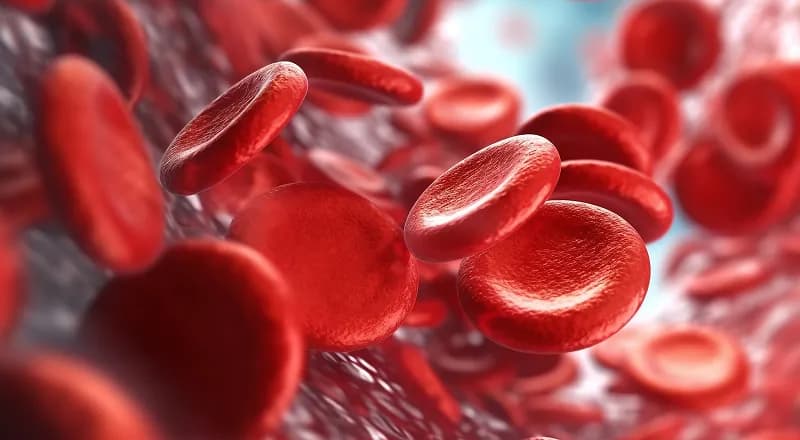
Ongoing joint pain reduces activity, increasing weight gain, insulin resistance and heart disease risk. Poor metabolic health and joint damage can worsen each other over time.

Persistent pain and reduced mobility can limit daily activities and social life, leading to frustration, isolation, low mood and, in some people, depression over time.
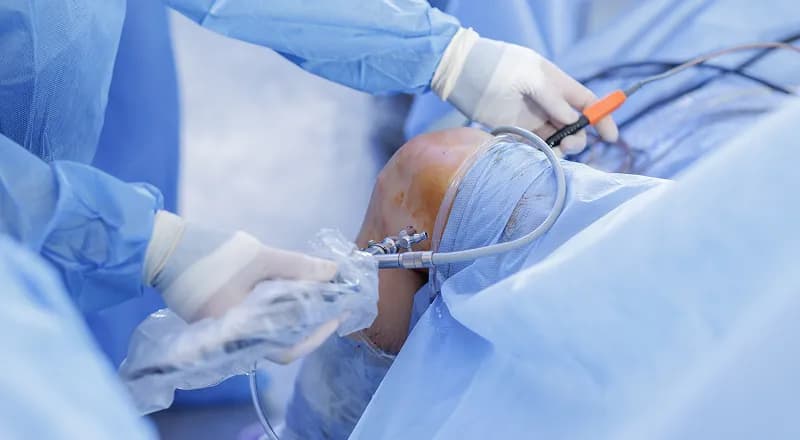
Severe joint damage may require joint replacement surgery to reduce pain and restore movement. Early treatment can slow osteoarthritis and lower the need for surgery.
Our Approach
A combination of specialised Panchakarma therapies helps reduce pain and stiffness, improve mobility, and support overall joint health.
Madhavbaug’s herbal formulations support joint health and help manage the metabolic factors that contribute to osteoarthritis. These are prescribed as part of a supervised treatment plan, and are tailored to each patient’s condition.
Exercise forms an important part of osteoarthritis treatment at Madhavbaug. A structured programme of joint-specific strengthening exercises, yoga asanas, and Pranayama is tailored to each patient’s needs and adjusted as mobility improves.
The goal is to strengthen the muscles around the affected joint, improve stability, reduce pain, and support comfortable movement.
For patients managing osteoarthritis alongside obesity, diabetes, or hypertension, Madhavbaug monitors both joint health and metabolic markers as part of a single treatment programme. Addressing the metabolic factors that contribute to inflammation alongside the joint condition helps support better long-term outcomes.
Weight, BMI, blood pressure, blood sugar, and other key metabolic parameters are tracked at every visit. The clinical team monitors progress in real time and adjusts the treatment plan based on the patient’s response throughout their osteoarthritis treatment journey.
Why Choose UsFAQsArthritis is an umbrella term for over 100 joint conditions. Osteoarthritis specifically involves the gradual breakdown of cartilage, the cushioning tissue between bones, due to wear, excess weight, and metabolic dysfunction. It causes pain, stiffness, and reduced mobility.
Sugar, refined carbohydrates, fried food, processed snacks, red meat, and foods high in saturated fat all promote systemic inflammation that accelerates cartilage breakdown. Alcohol and excess salt worsen joint swelling and fluid retention. Madhavbaug’s dietary protocol replaces these with anti-inflammatory whole foods personalised to the patient’s metabolic profile and joint condition.
Osteoarthritis most commonly develops after 45, with prevalence increasing significantly after 60. However, it is increasingly seen in younger adults due to excess weight, sedentary lifestyles, metabolic dysfunction, and previous joint injuries. Age is a contributing factor, but not the only one. Addressing metabolic and lifestyle causes early significantly reduces the risk of progression.
The most effective approach combines joint-specific therapies to restore lubrication and reduce inflammation, supervised exercise rehabilitation to rebuild muscular support, dietary correction to reduce systemic inflammation, and weight management to reduce joint load. Madhavbaug’s programme addresses all four simultaneously through Panchakarma, a personalised diet, structured exercise, and ongoing clinical monitoring, without surgery or invasive procedures.
Cartilage does not regenerate once significantly damaged, but the progression of osteoarthritis can be meaningfully slowed, and symptoms significantly reduced through early intervention. Restoring joint lubrication, correcting metabolic inflammation, reducing joint load through weight management, and rebuilding muscular support together produce measurable improvement in pain and function.

Don't just manage your condition. Overcome it. Take the first step toward sustainable, evidence-based chronic disease reversal.