

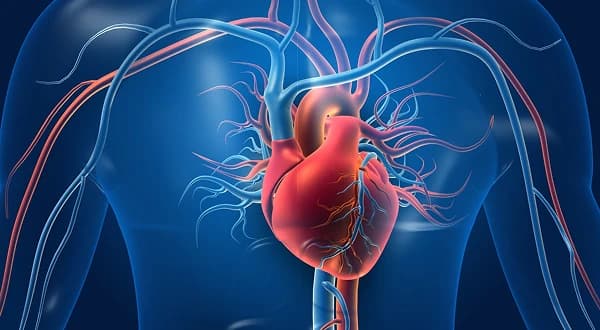
Coronary artery disease
The most common cause is years of arterial narrowing, reducing blood supply to the heart muscle until it can no longer function at full capacity

Discover how Madhavbaug’s clinical care helps you address the root cause of your heart failure symptoms.

 Overview
Heart failure (HF), as defined by the American College of Cardiology (ACC) and the American Heart Association (AHA), is a complex clinical syndrome that results from any structural or functional impairment of ventricular filling or ejection of blood. In easy words, it is a complex clinical syndrome characterised by the heart’s inability to pump blood effectively due to structural or functional impairments. The most common cause of HF is ischaemic heart disease, but other factors, such as hypertension, valvular disease, diabetes, obesity and myocarditis, also contribute to its development.
 Heart Failure & Ayurveda
In Ayurveda, heart diseases fall under the category of Hridroga, which is a disease of Marma (vital organ), which controls many vital activities. According to Ayurveda, symptoms of Hridroga differ depending upon involvement of Dosha (Dosha predominance). Patients with Vataja hridroga might feel shosha (excessive dryness or muscle wasting), bheda (tearing pain), stambha (stiffness), etc., while patients with Pittaja hridroga might feel burning chest pain and Kaphaja hridroga patients might present with Gaurava (heaviness in chest).
CausesThe most common cause is years of arterial narrowing, reducing blood supply to the heart muscle until it can no longer function at full capacity

Scar tissue left behind after a heart attack does not contract and permanently reduces the heart's pumping efficiency if left unmanaged

The heart, working against persistently high pressure, gradually thickens and stiffens and eventually loses the ability to pump effectively
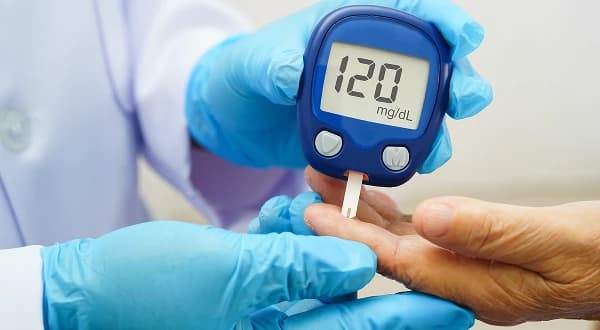
Chronic high blood sugar damages the heart muscle directly and accelerates the vascular disease that leads to failure
Types
 Symptoms
 StagesDiagnoses
 Risks
Risks
Fluid builds up rapidly, causing breathlessness severe enough to require emergency care.

A weakened, enlarged heart is prone to electrical instability, and irregular heartbeat (arrhythmias) in CHF can be sudden and life-threatening.
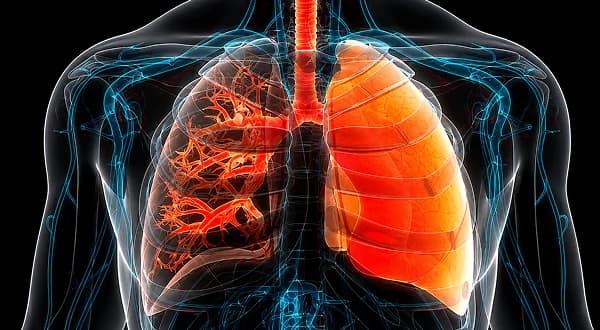
Chronic fluid backup in the lungs raises pressure in the pulmonary arteries and adds further strain to the heart

In advanced heart failure, the body begins breaking down muscle and fat, which significantly worsens overall health and recovery prospects.
Our Approach
HFRT is Madhavbaug’s dedicated heart failure management programme, with outcomes published in peer-reviewed research.
HFRT runs over 3 months of intense treatment, followed by 9 months of follow-up at a clinic and 7 days of intensive treatment at a hospital, followed by 11 months of structured follow-up care.
HFRT uses a specific combination of Snehana, Swedana, Basti, and a unique procedure called Hrudaydhara, a therapeutic concoction drip directly targeting the heart.
It helps clear metabolic toxins burdening the cardiac muscle, reduces inflammation, and restores circulation to exhausted heart tissue.
Arj Kadha, Endoguard Capsule, and the Hriday Swasthya Kit support the heart through recovery.
It reduces oxidative stress, protects against further muscle damage, and supports improvement in ejection fraction under medical supervision.
A low-sodium, anti-inflammatory diet reduces the fluid and metabolic burden on the failing heart. Supervised physiotherapy and cardiac rehabilitation for heart failure patients rebuilds physical tolerance gradually and safely.
Why Choose UsFAQsBreathlessness during activity or at rest, swelling in the legs and ankles, persistent fatigue, and waking at night unable to lie flat are the most common signs. Some people also notice rapid weight gain from fluid retention and a persistent cough when lying down. The signs build gradually, which is why heart failure is frequently caught late.
With the right heart failure treatment and lifestyle support in place, many people live active, meaningful lives for years. How well and how long someone lives with heart failure depends on how early it is caught, how well the underlying causes are controlled, and how consistently the condition is managed.
In some cases, yes. When heart failure is caused by a treatable condition, reversing that cause can restore normal heart function. Madhavbaug’s Heart Failure Reversal Therapy has documented a 92% improvement in ejection fraction and a greater overall improvement in patients receiving HFRT alongside routine treatment.
Breathlessness becomes more frequent and occurs with less exertion. Fluid builds up faster, swelling spreads, and fatigue deepens to the point where basic daily tasks become difficult. The heart places growing strain on the kidneys, liver, and lungs. Catching deterioration early is critical as advanced heart failure significantly limits treatment options.
No. A heart attack is a sudden event, a blocked artery cutting off blood supply to heart muscle. Heart failure is a chronic condition where the heart muscle has gradually lost its ability to pump effectively. A heart attack can cause heart failure, but the two are distinct.

Don't just manage your condition. Overcome it. Take the first step toward sustainable, evidence-based chronic disease reversal.