Madhavbaug — Advanced Ayurveda Clinics and Hospitals
Manage Post Angioplasty Care Naturally with Madhavbaug

Manage Post Angioplasty Care Naturally with Madhavbaug

Discover how Madhavbaug’s data-driven clinical and Ayurvedic approach helps with post-angioplasty care.

Post Angioplasty Care

Manage Post Angioplasty Care Naturally

What Is Post-Angioplasty Care?
LeafOverview

What Is Post-Angioplasty Care?

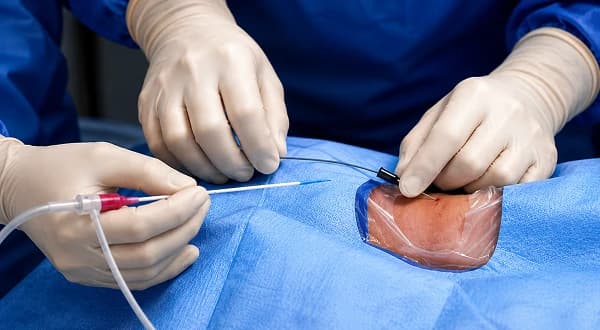
The American Heart Association (AHA) defines angioplasty (also called percutaneous coronary intervention or PCI) as a minimally invasive, non-surgical procedure used to open clogged or narrowed coronary arteries. It restores normal blood flow to the heart muscle without requiring open-heart surgery.

Though angioplasty treats one artery at a time, the conditions that caused the blockage, years of inflammation, high cholesterol, and metabolic imbalance are still active. The treated artery can narrow again, and other arteries face the same risk.

This means recovery after angioplasty does not happen on its own. Madhavbaug’s angioplasty recovery programme is designed to address this gap, rehabilitating the heart and correcting the root cause simultaneously.

What To Expect After Angioplasty?
LeafPost-Angioplasty Care

What To Expect After Angioplasty?

The first few weeks are about letting the body settle. Some discomfort at the insertion site, tiredness, and gradually regaining energy are all part of normal recovery.

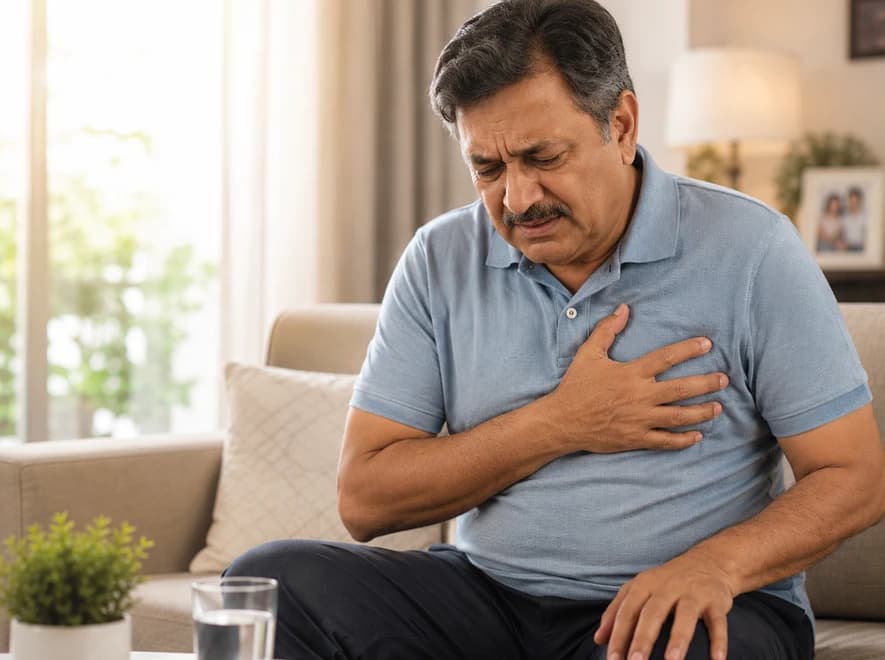
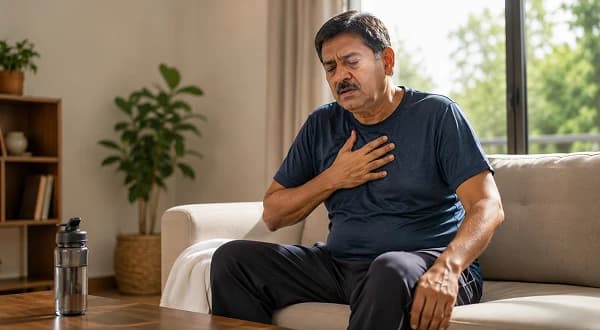
These are the signs that you need immediate medical attention:

  • Chest pain or pressure that resembles how it felt before the procedure
  • Breathlessness that could be new or keeps getting worse
  • Swelling, warmth, or bleeding at the insertion site
  • Dizziness, fainting, or fast heartbeat
LeafWhy it Matters

Why Post-Angioplasty Care Matters?

The procedure itself is only one part of cardiac recovery. Without structured rehabilitation and root cause management, several risks remain active.
Why Post-Angioplasty Care Matters?
After angioplasty, the treated artery can narrow again, also known as restenosis. It happens when scar tissue forms inside the stent or plaque continues to accumulate in the treated blood vessel. This is a significant risk for patients who do not receive structured post-procedure care.
Coronary Artery Disease (CAD) is a systemic disease. Opening one artery does not stop plaque from building in others. All coronary arteries remain at risk if the underlying drivers go unaddressed.
High cholesterol, uncontrolled blood sugar, hypertension, and chronic inflammation don't stop after angioplasty. The stent keeps the artery open but does not fix what blocked it. Sustained lifestyle changes after angioplasty are essential to prevent the same process from starting again.
After a cardiac procedure, physical activity drops sharply. Without supervised rehabilitation, cardiovascular fitness declines and recovery slows considerably.
Anxiety and depression are quite common after cardiac procedures. If left unaddressed, they can significantly affect recovery outcomes and quality of life.
LeafRisks

What are the risks of inadequate Post-Angioplasty Care?

Repeat procedures

Repeat procedures

Patients who do not follow structured cardiac rehabilitation may face a higher risk of requiring another angioplasty or escalating to bypass surgery.
Heart attack

Heart attack

Re-narrowing of an artery or disease progression in untreated arteries may lead to a sudden complete blockage, with little warning.

Heart failure

Heart failure

Repeated ischaemic events and poorly managed cardiac health may gradually weaken the heart muscle. This may reduce pumping efficiency and lead to chronic heart failure.
Reduced quality of life

Reduced quality of life

Persistent symptoms, low exercise tolerance, and ongoing medication dependence without a clear recovery trajectory can impact daily life.

LeafOur Approach

Madhavbaug's Approach To Post-Angioplasty Care

Madhavbaug's SHS (Sampurn Hriday Shuddhikaran) Therapy is adapted for post-angioplasty patients to reduce residual arterial inflammation, support heart muscle recovery, and improve functional cardiac capacity after the procedure.
Madhavbaug's Approach To Post-Angioplasty Care
Madhavbaug's comprehensive Panchakarma-based cardiac therapy encompasses Snehana, Swedana, Basti, and Virechana within a single structured protocol. Adapted for post-bypass patients, it works to clear the metabolic toxins that continue to strain the cardiovascular system, ease residual inflammation from surgery, and support the heart muscle's recovery over time.
Using VO₂max and MET assessments, Madhavbaug builds a progressive exercise protocol matched to each patient's actual post-surgical capacity, not a generic recovery plan. These structured cardiac rehab exercises gradually rebuild cardiovascular endurance and strength under medical supervision, respecting the additional care needed after open-heart surgery.
A structured, anti-inflammatory, low-cholesterol diet is designed to remove the dietary triggers that contributed to the original blockage and to actively support the health of the grafted vessels, reducing the risk of future disease progression.
Arj Kadha, Endoguard Capsule, and the Hriday Swasthya Kit use Arjuna-based formulations to improve cholesterol profiles by reducing LDL oxidation while strengthening heart muscle function and supporting progressive cardiac recovery under medical supervision.
Continuous monitoring of vitals and daily physical activity allows the care team to track cardiac recovery in real time and adjust the treatment protocol as the patient progresses through post-surgical rehabilitation.
LeafWhy Choose Us

Why Choose Madhavbaug for Post-Angioplasty Care?

20+ Years of Trusted Care

For over two decades, we have helped thousands of patients address obesity and metabolic conditions without surgery, without harmful side effects, and without lifelong dependency on medication.

360 Clinics Across India

With over 360 dedicated clinics and hospitals across India, patients have access to consistent, specialised care and expert support at every stage of treatment.

Real-Time Expert Monitoring

Real-time data sync via the proprietary mibPULSE App, connecting patients directly to a multidisciplinary expert team of specialists, Ayurvedic physicians, and clinical dietitians.

Backed by 200+ Research Papers

Every therapy we offer is grounded in science, combining the best of Ayurveda and modern diagnostics, validated through rigorous clinical research.

LeafFAQs

Frequently Asked Questions

Avoid heavy lifting, strenuous activity, and smoking. Do not skip medications even when you feel well. The artery is open, but the conditions that blocked it are still active. Rest, but do not be completely sedentary. Sustained lifestyle changes after angioplasty, including diet, stress management, and supervised activity, are what determine long-term outcomes.

Yes. Most people return to daily activity within a week. The stent restores blood flow but does not fix the underlying cause. Managing cholesterol, blood pressure, blood sugar, and lifestyle determines how well and how long that stent holds.

Most patients feel better and resume light activity within a week. However, full recovery, including rebuilding heart strength and addressing the underlying causes like cholesterol and inflammation, takes a few months of continued, structured care.

Take medications as prescribed, start a cardiac diet immediately, and begin supervised physiotherapy as soon as cleared. Madhavbaug’s post-angioplasty cardiac rehabilitation programme combines Panchakarma, cardioprotective Ayurvedic medicines, and monitored rehabilitation to support arterial healing and reduce the risk of re-narrowing.

Yes. The programme works alongside whatever medications are already in place. Any changes to dosage happen gradually and only under medical supervision.

Madhavbaug

Start Your Journey to a Medicine-Free Life with Madhavbaug

Don't just manage your condition. Overcome it. Take the first step toward sustainable, evidence-based chronic disease reversal.

Book a Consultation
Nearest CentresCall Now