


Nutritional Deficiencies
Deficiency of iodine and zinc impairs the synthesis of thyroid hormones. Over-consumption of raw vegetables (cabbage, broccoli, kale and soy) inhibits iodine uptake by the thyroid.

Discover an evidence-based, thyroid treatment programme designed to boost metabolism and restore your energy.
 Overview
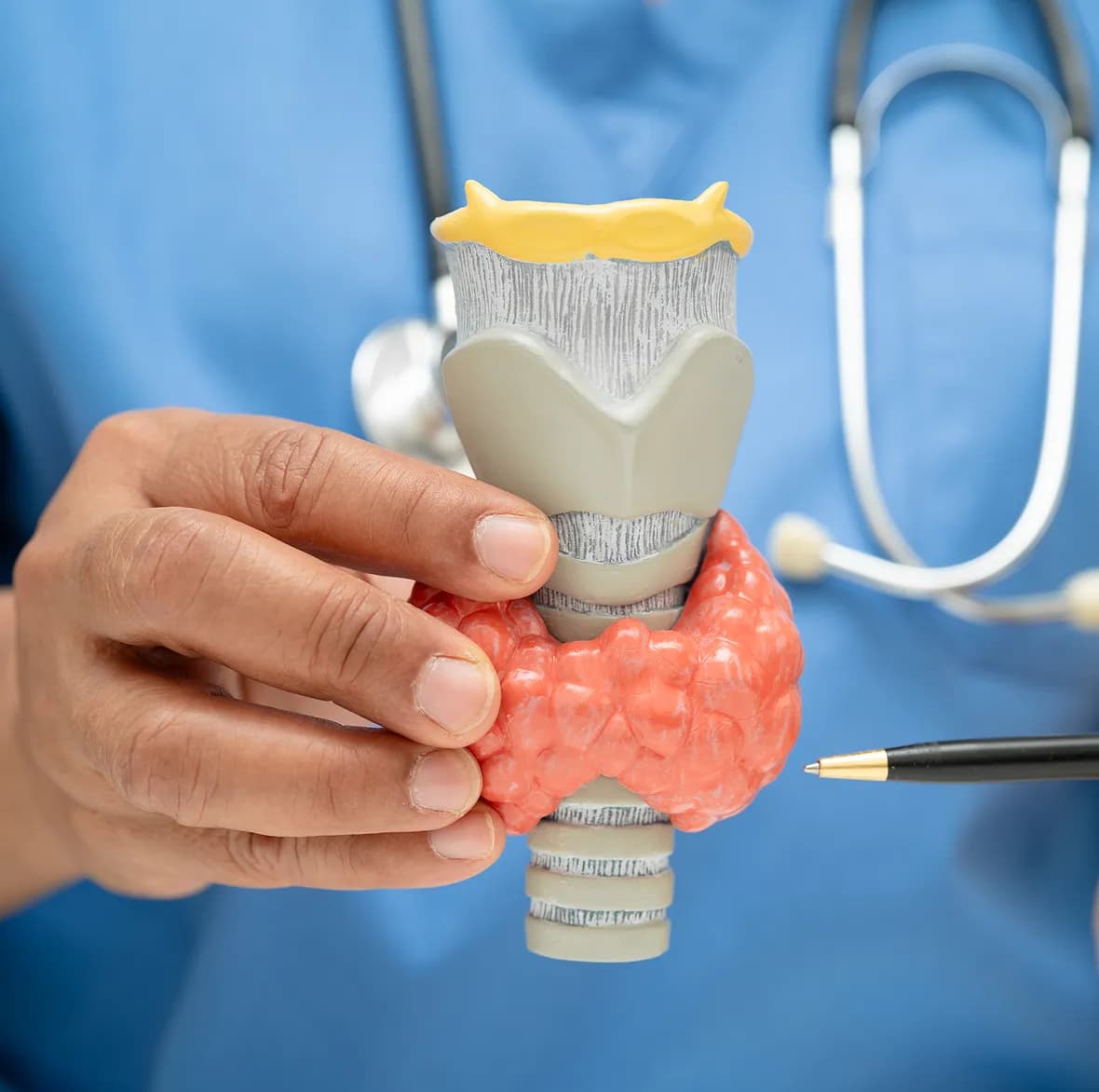
According to the American Thyroid Association, hypothyroidism is an underactive thyroid, a condition where reduced production of thyroid hormone slows down how the body uses energy, regulates temperature, and keeps organs like the heart, muscles, and brain working as they should.
The thyroid gland is a butterfly-shaped structure located at the front of the neck that produces thyroid hormones, mainly thyroxine (T4) and triiodothyronine (T3), which regulate your metabolism, energy levels, temperature and organ function.
Role of pituitary: TSH secreted by pituitary gland present in brain, which controls Thyroid gland: if TSH increases, T3 and T4 production reduce, and we call it hypothyroidism.
Anti-TPO antibodies are produced by your immune system and mistakenly attack thyroid peroxidase (TPO), (an enzyme essential for making thyroid hormones, causing thyroid inflammation and gradual damage.
Women are considerably more likely to develop hypothyroidism than men, with the American Thyroid Association reporting that one in eight women will develop a thyroid disorder in her lifetime, and women are five to eight times more likely than men to be affected. The three main reasons are hormonal changes, a more sensitive immune system that increases autoimmune thyroid risk, and the additional thyroid strain that comes with pregnancy. Risk also rises with age in both genders.
Madhavbaug’s approach is built around this understanding. Treatment focuses on correcting the internal causes of thyroid dysfunction through safe, personalised care that restores hormonal balance rather than relying on medication alone.
 Ayurveda
Ayurveda views hypothyroidism as a systemic metabolic imbalance produced primarily by impeded digestive fire (Agni) and an excess of Kapha and Vata doshas. When your internal fire dims, your body enters a condition of stagnation, resulting in the traditional signs of an underactive thyroid: unexplained weight gain, chronic fatigue, cold sensitivity, and mental fog.
CausesDeficiency of iodine and zinc impairs the synthesis of thyroid hormones. Over-consumption of raw vegetables (cabbage, broccoli, kale and soy) inhibits iodine uptake by the thyroid.
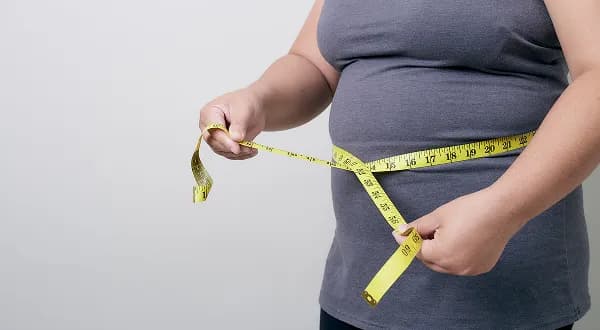
Excessive body fat, especially around the waist, causes inflammation of the gut and insulin resistance, both of which reduce sensitivity to thyroid receptors and hormone conversion (T4 to active T3).

Chronic stress increases cortisol (stress hormone), which minimises TSH secretion from the pituitary and reduces conversion of T4 to T3. Long-term stress also causes fatigue and hormone dysregulation.

A sedentary lifestyle and poor dietary habits can lead to inflammation and plaque buildup in the arteries over time.

Iodine is required to produce the thyroid hormone. When there is a deficiency of iodine, the thyroid gland fails to produce enough hormone, leading to hypothyroidism.

Certain medications interfere with thyroid hormone production. Lithium, used for psychiatric conditions, and amiodarone, used for heart disorders, are common examples that can lead to hypothyroidism with long-term use.
Symptoms 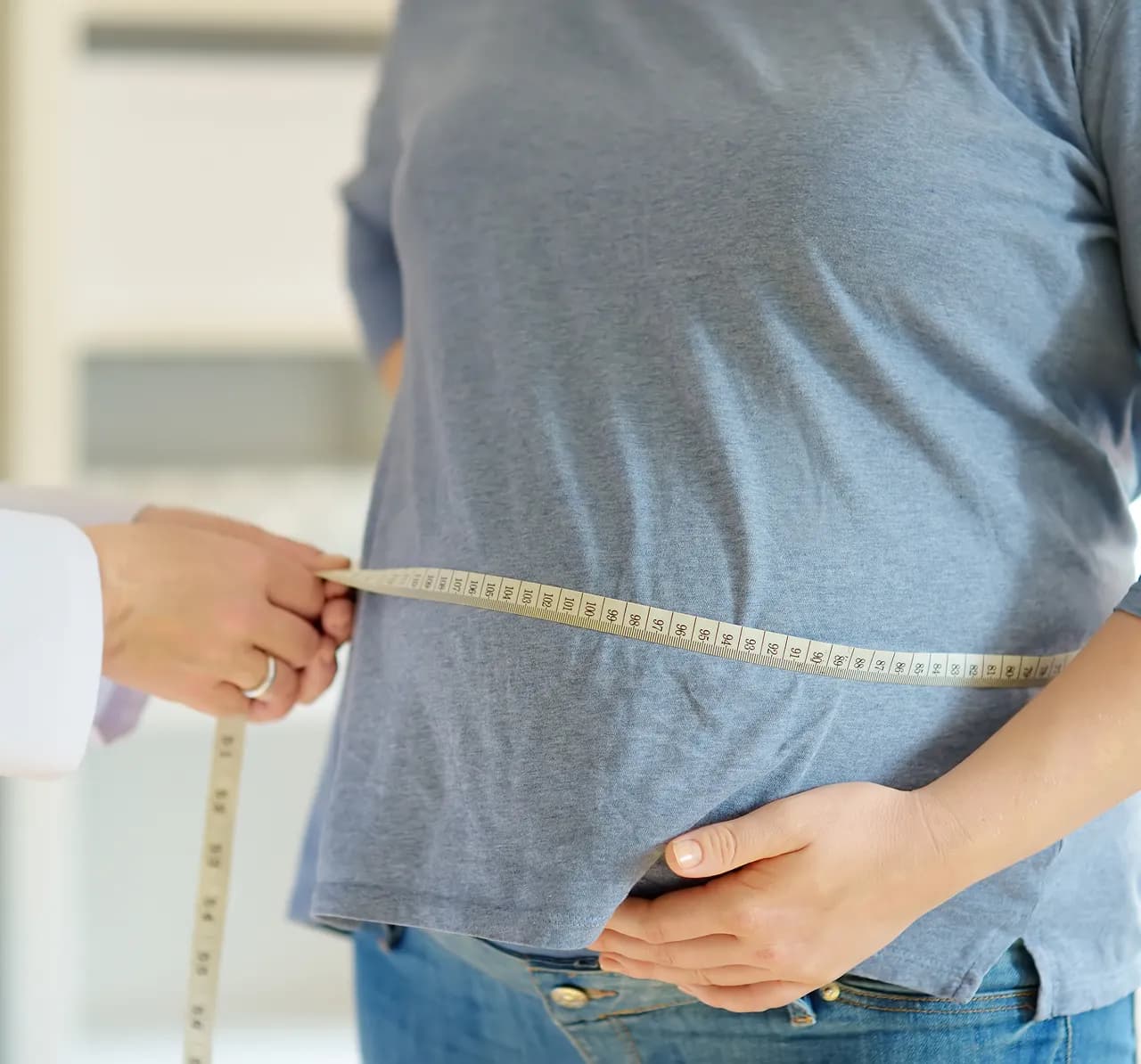
 DiagnosesRisks
Hypothyroidism can slow metabolism and often increases LDL, leading to a much higher chance of developing high blood pressure, coronary heart disease and heart failure.

Untreated hypothyroidism in pregnancy increases risk of miscarriage, preterm delivery, preeclampsia, compromised foetal growth and neurocognitive development.
The brain and its system are affected by the absence of thyroid hormones over time, and if not treated, it can cause peripheral neuropathy. It also increases cognitive decline, memory problems and severe depression.

The thyroid gland may continue to grow as the body tries to produce more thyroid hormone. A big goitre can cause a visible bulge in the neck and can cause difficulty in breathing or swallowing.

This is a very rare but life-threatening emergency caused by very low levels of thyroid hormone. It causes multiple organ failure with unconsciousness, confusion and extreme hypothermia.

Too little thyroid hormone can interfere with ovulation, resulting in a lower than normal level of fertility and irregular menstrual cycles.
Babies born to mothers with untreated thyroid disease are at a greater risk for birth defects. If congenital hypothyroidism is not treated early, can lead to permanent delayed developement.
Our Approach
Panchakarma’s purification process helps reverse the physical changes taking place inside the body by clearing Ama (toxins), restoring inner strength. At Madhavbaug, our three core Panchakarma procedures for hypothyroidism are:
A medically supervised diet plan based on calorie control, slow-release carbs, and Ayurvedic dosha balance. Each plan is personalised to your metabolic profile and BMI. It helps stabilise blood sugar, improve digestion, and create the right conditions in your body for lasting fat loss. By reducing internal inflammation and balancing hormones, the diet helps your body’s cells absorb and use thyroid hormones effectively, reversing symptoms from the root.
Parameters tracked at every visit include weight, BMI, abdominal girth, blood pressure, blood sugar, and pulse rate using mibPULSE App Monitoring. The clinical team monitors both metabolic and cardiac markers in real time and adjusts the protocol based on how the patient is actually responding
Yoga, aerobic exercise, strength training, stretching, and pranayama are matched to the patient’s current energy levels and physical capacity. Sarvangasana, Halasana, Matsyasana, Ustrasana, and Surya Namaskar directly stimulate the thyroid. Kapalabhati, Bhastrika, and Ujjayi breathing kindle Agni and activate the throat region. Exercise is prescribed as a clinical tool for reducing Kapha stagnation, rebuilding muscle mass lost to hormonal deficiency, and restoring the metabolic fire that hypothyroidism suppresses.
Chronic stress and an irregular daily routine are two of the most overlooked triggers of thyroid dysfunction. A structured daily routine including fixed wake and meal times, a daily bath with Sane Amari Oil, and an early dinner helps restore hormonal rhythm and reduce Kapha dominance (metabolic sluggishness). Shirodhara, Nadi Shodhana, and guided meditation work to bring cortisol levels down and support the nervous system. Progress is tracked across every visit through TSH, weight, energy, sleep quality, and hormonal markers.
Why Choose UsFAQsThe results depend on the underlying cause, the duration and individual constitution. Thousands of patients have been guided towards better thyroid control and quality of life through Madhavbaug’s integrated approach.
Yes, but only under medical supervision. Certain Ayurvedic herbs, including Ashwagandha and Guggul, may affect TSH and T4 levels. Our physicians review your current medications and coordinate care to ensure safety and optimal outcomes.
Most patients notice improvements in energy, weight, and mood within 4–8 weeks of starting the integrated protocol. Measurable changes in thyroid hormone levels (TSH, T₃, and T₄) are typically assessed at the 3-month mark. Long-term management continues for 6–12 months or more depending on severity.
Panchakarma therapies are customised based on the patient’s age, body type, current health status, and severity of condition. Our doctors conduct a thorough consultation before recommending specific Panchakarma procedures.
A baseline thyroid panel (TSH, free T3, free T4, and anti-TPO antibody for autoimmune causes) is recommended. Our team may also assess metabolic parameters like fasting blood glucose, lipid profile, BMI, and blood pressure to build a complete metabolic picture.

Don't just manage your condition. Overcome it. Take the first step toward sustainable, evidence-based chronic disease reversal.