


Persistently High Blood Sugar
Over time, excess glucose weakens and damages the walls of the tiny blood vessels supplying the retina, causing them to leak fluid, swell, or stop functioning altogether.
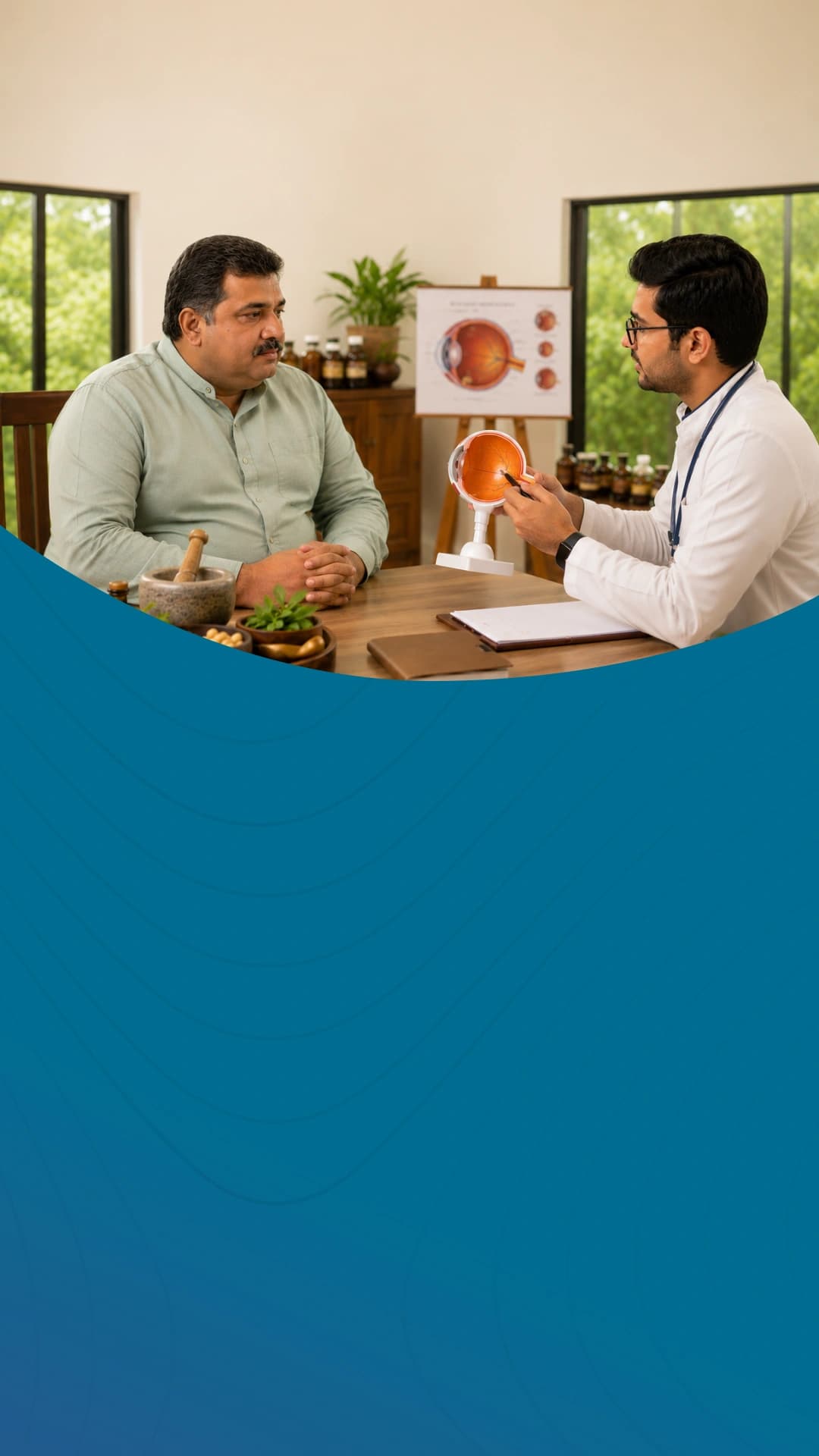
Move beyond lifelong medication. Discover how Madhavbaug's data-driven clinical care helps you address the root cause of eye damage due to diabetes and protect your vision before it is too late.
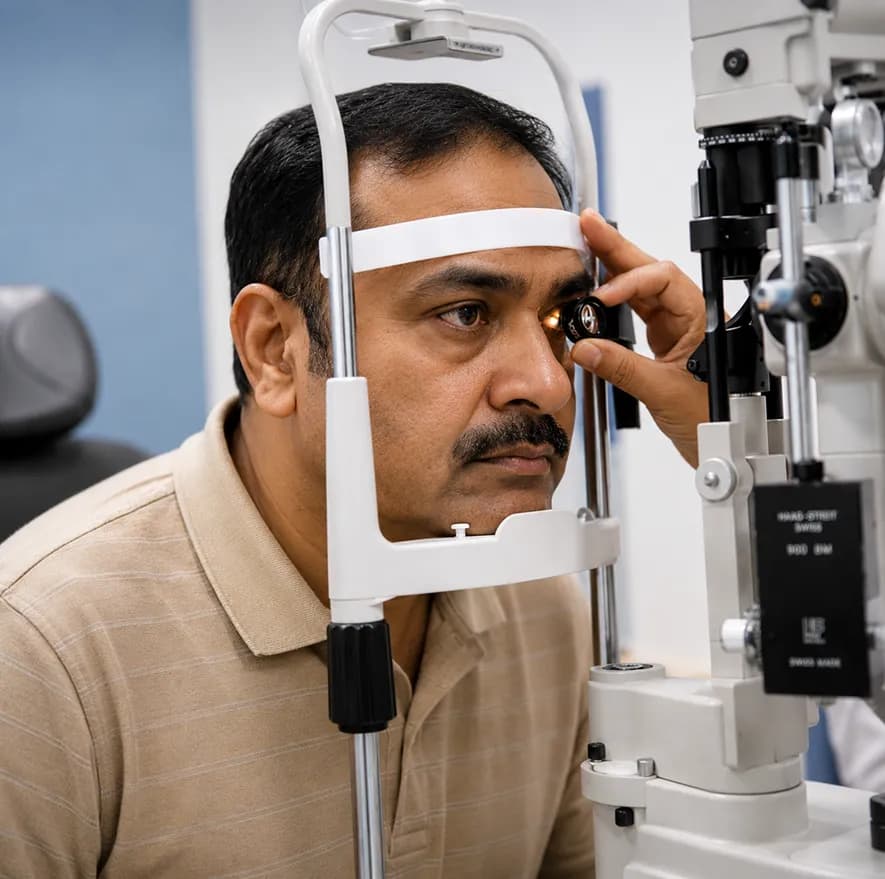
 Overview
Diabetic retinopathy is one of the most serious diabetic eye complications and one of the leading causes of vision loss in adults worldwide. It occurs when persistently high blood sugar levels damage the tiny blood vessels that supply the retina (the light-sensitive layer at the back of the eye responsible for sending visual signals to the brain).
Over time, this diabetic retinopathy causes these blood vessels to leak, swell, or grow abnormally, gradually robbing patients of their ability to see clearly. What makes diabetic retinopathy particularly dangerous is that it often develops silently, with little to no warning, until the damage has already become significant.
The good news is that with the right approach to diabetes control for eye health, the progression of this condition can be slowed and managed and, in its earlier stages, significantly improved. This is precisely what Madhavbaug’s approach to diabetic retinopathy management is designed to achieve.
Diabetic retinopathy can progress in the following stages:
Stage 1: Mild Non-Proliferative Retinopathy
This is the earliest stage, where small areas of balloon-like swelling appear in the retinal blood vessels. At this stage, there are usually no noticeable diabetic retinopathy symptoms, which is why regular eye screening is so important for all diabetic patients.
Stage 2: Moderate Non-Proliferative Retinopathy
As the condition progresses, more blood vessels become blocked, reducing the blood supply to parts of the retina. Blurred vision in diabetes may begin to appear at this stage.
Stage 3: Severe Non-Proliferative Retinopathy
A larger number of blood vessels are now blocked, depriving significant areas of the retina of blood. The body responds by attempting to grow new blood vessels, a process that marks the beginning of a more dangerous phase.
Stage 4: Proliferative Diabetic Retinopathy
This is the most advanced and serious stage. New but abnormal blood vessels grow across the retina and into the vitreous gel of the eye. These vessels are fragile, bleed easily, and can cause severe vision loss, retinal detachment, and in some cases, permanent blindness. Diabetic macular oedema, a swelling of the central part of the retina responsible for sharp vision, can also occur at any stage but is most severe here.
Early detection gives the best chance of preserving vision and preventing irreversible damage.
 Ayurveda
According to Ayurveda, Madhumeha is a chronic progressive stage of Prameha and of two types: Avaranajanya (due to obstructive pathology) and Dhatukshyajanya (due to decrease in the dhatus which are the essential body elements). Madhumeha is Vataja (predominance in Vata imablance) type of prameha and Vata can be aggravated by two ways i.e. Avarana (obstruction) and Kshaya (decrease in the elements). As per Ayurveda “prameha anusanginam” means diabetes is concomitant in nature. Thus, diabetes may remain present with its complications. In the case of diabetic retinopathy, the main affected dhatu is Rakta dhatu(blood and blood vessels), though all the dhatus get affected, and the srotas affected are Raktvaha (blood vessels), mamsavaha (muscles) and medovahasrotas (fats and lipids) mostly.
CausesOver time, excess glucose weakens and damages the walls of the tiny blood vessels supplying the retina, causing them to leak fluid, swell, or stop functioning altogether.

High blood pressure multiplies the damage caused by high blood sugar by forcing extra pressure into fragile blood vessels in the eyes. This pressure speeds up the onset of diabetic retinopathy.

The longer a person has had diabetes, the higher the cumulative damage to the retinal blood vessels, regardless of how well blood sugar has been managed in recent years.
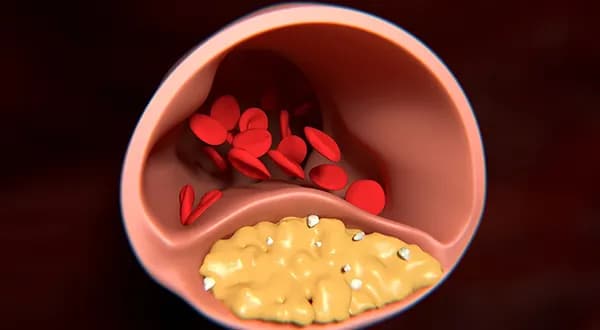
Abnormal lipid levels contribute to the build-up of fatty deposits and inflammation inside the retinal blood vessels, worsening the diabetic retina problem.

Inconsistent blood sugar control, skipped medications, and unhealthy lifestyle patterns are among the most common causes of rapidly progressing diabetic eye disease.

Smoking narrows the blood vessels throughout the body, reduces oxygen supply to the retina, and significantly accelerates the rate at which diabetes eye complications develop.

Diabetic kidney disease and diabetic retinopathy very often occur together, as both conditions share the same underlying cause, which is damage to small blood vessels driven by poor blood-sugar control.

Some individuals are genetically more susceptible to developing diabetic retinopathy even with moderate blood sugar elevations, making regular diabetes eye care and early screening essential.
Symptoms 
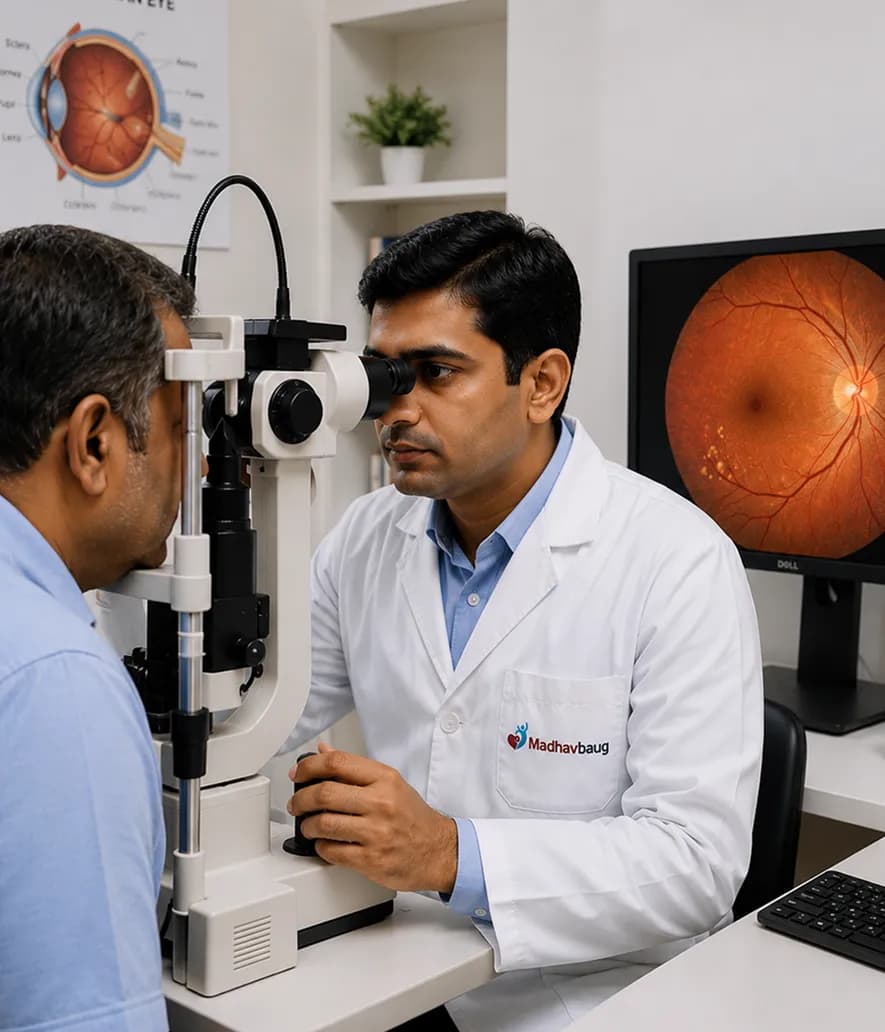 Diagnoses
Answer 6 quick questions about your diabetes profile and get your personalised score in under 2 minutes.
Risks
If left unmanaged, advanced diabetic retinopathy can cause irreversible damage to the retina, leading to partial or complete vision loss that cannot be restored even with surgery or laser treatment.
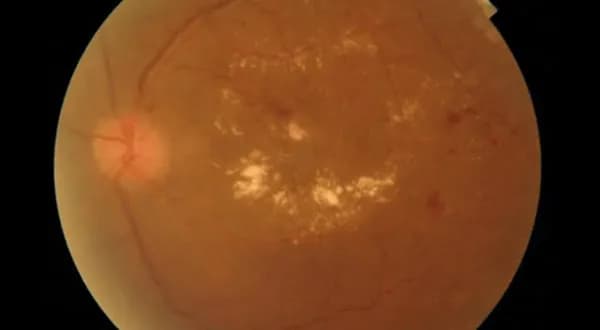
Diabetic macular oedema occurs when fluid accumulates in the macula. It is one of the most common causes of vision impairment in diabetic patients and can develop at any stage of retinopathy.

Abnormal blood vessel growth in advanced retinopathy can pull the retina away from the back of the eye, a condition called retinal detachment, which can result in sudden, permanent blindness if not treated.
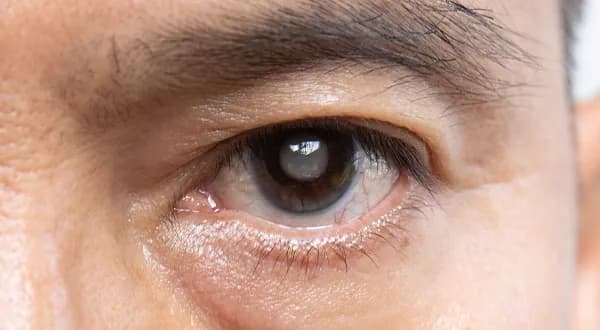
New blood vessels that grow abnormally in proliferative diabetic retinopathy can block the normal drainage of fluid from the eye, raising pressure inside the eye and leading to glaucoma.
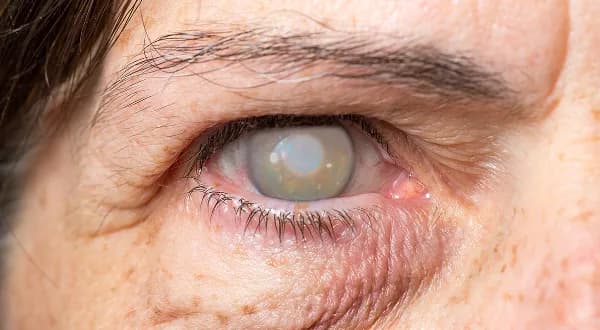
People with diabetes are significantly more likely to develop cataracts at a younger age than those without the condition, as high blood sugar accelerates the clouding of the eye lens.

Diabetic retinopathy is one of the leading causes of acquired blindness in working-age adults. Without adequate diabetic retinopathy prevention and diabetes eye care, the risk of complete blindness remains very real.

Anxiety, depression, fear of dependence, and loss of confidence are commonly reported by patients with advancing vision problems due to diabetes, making holistic and early care all the more important.
Our Approach
Are time-tested Ayurvedic treatments that work at the root cause of eye damage due to diabetes by reducing visceral fat, correcting insulin resistance, and restoring healthy blood circulation throughout the body, including to the delicate blood vessels of the eyes. Through gentle oilation, heat therapy, and targeted herbal medicines, these therapies reduce inflammation, clear toxins from the blood vessels, and help slow the progression of retinal damage naturally. This is the foundation of what makes Madhavbaug’s ayurvedic treatment for diabetic retinopathy different.
Is a personally guided, 28-day meal plan of 800 carefully chosen calories. This is not a crash diet but a medically supervised eating plan designed to eliminate the harmful fat stored around the liver and pancreas that directly drives high blood sugar, the primary cause of diabetic retinopathy. Better blood sugar control means less ongoing damage to the retinal blood vessels.
Are proprietary, High-Quality Ayurvedic formulations that gently repair pancreatic function, protect small blood vessels throughout the body, reduce inflammation, and stabilise blood sugar, all without harmful side effects. These formulations form the core of our diabetic retinopathy treatment in Ayurveda and are specifically chosen to support vascular health and reduce oxidative stress in the retina.
Combines simple daily cardio, strength training, yoga, and breathing exercises tailored to your body type and health status. Regular physical activity improves circulation to the eyes, lowers blood sugar, reduces blood pressure, and helps reverse the metabolic conditions that drive diabetes eye complications.
Why Choose UsFAQsDiabetic retinopathy is a serious diabetes eye complication where persistently high blood sugar damages the tiny blood vessels supplying the retina at the back of the eye. Over time, these vessels leak, swell, or grow abnormally, leading to progressive vision loss. It is one of the most common causes of blindness in adults worldwide, yet with early care and proper diabetes control for eye health, it can be significantly slowed or managed.
In its earliest stages, diabetic retinopathy often has no noticeable symptoms at all. As it progresses, patients may experience blurred vision in diabetes, floaters, dark spots, difficulty seeing at night, faded colours, and eventually dark or empty patches in their vision. Regular eye screening is the only reliable way to detect the condition before serious damage occurs.
In the early stages, addressing the underlying blood sugar levels through a structured programme like Madhavbaug’s CDC can significantly slow progression and in some cases partially reverse early retinal damage. Advanced stages of diabetic retinopathy, however, involve permanent structural changes to the eye that cannot be undone, which is why diabetic retinopathy prevention and early intervention are so critical.
Diabetic macular oedema is a complication that occurs when fluid leaks from damaged retinal blood vessels and collects in the macula, the central part of the retina responsible for sharp, detailed vision. It causes blurred or wavy central vision and is one of the most common reasons for significant vision loss in people with diabetes. It can occur at any stage of diabetic retinopathy.
Unlike conventional diabetic eye disease treatment, which focuses primarily on laser procedures or injections to manage symptoms, Madhavbaug’s approach targets the root cause, which is high blood sugar and the metabolic damage it causes. By reversing diabetes through Panchakarma, a medically supervised diet, herbal medicines, and exercise, we address the underlying condition that is damaging the retina, rather than only treating its effects on the eye.
There are four diabetic retinopathy stages. The first two are non-proliferative stages involving early and moderate blood vessel damage with few or no symptoms. The third is severe non-proliferative retinopathy involving significant vessel blockage. The fourth and most serious is proliferative diabetic retinopathy, where abnormal new blood vessels grow and can cause severe vision loss, retinal detachment, or blindness. Diabetic macular oedema can also develop alongside any of these stages.
The most effective approach to how to prevent diabetic retinopathy is maintaining consistent and well-controlled blood sugar levels through diet, exercise, and appropriate treatment. Regular eye check-ups, blood pressure control, avoiding smoking, and working with a medical team experienced in diabetic retinopathy management are all essential steps. Starting a structured diabetes reversal programme early gives the best chance of protecting your vision in the long term.
Don't just manage your condition. Overcome it. Take the first step toward sustainable, evidence-based chronic disease reversal.