
Uncontrolled Hypertension
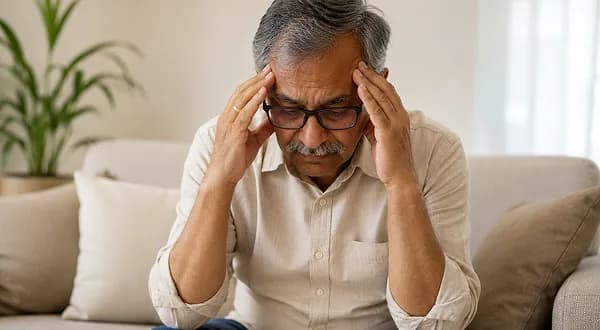
The single biggest cause is blood pressure that has remained high for years without proper control, since this constant pressure is what gradually damages the delicate vessels in your retina.
Move beyond lifelong medication. Discover how Madhavbaug’s data-driven clinical care helps you address the root cause of high blood pressure and retinopathy
 Overview
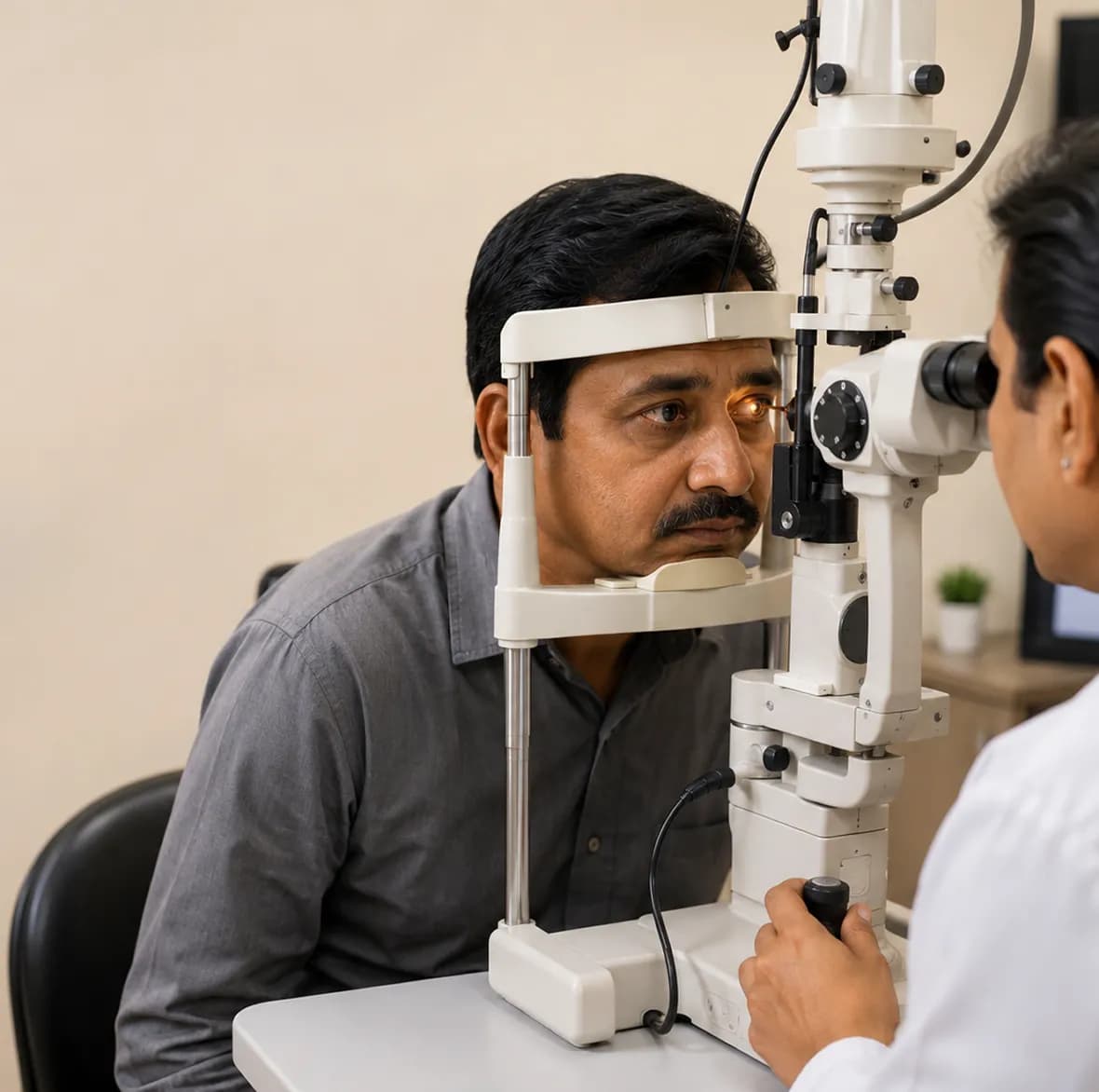
Hypertension and retinopathy, more commonly known as hypertensive retinopathy, develop when long-standing high blood pressure damages the tiny blood vessels at the back of your eye. Your retina, the thin layer of tissue that allows you to see, depends on a steady and gentle supply of blood. When that supply comes under constant high pressure, it can cause real, sometimes lasting harm.
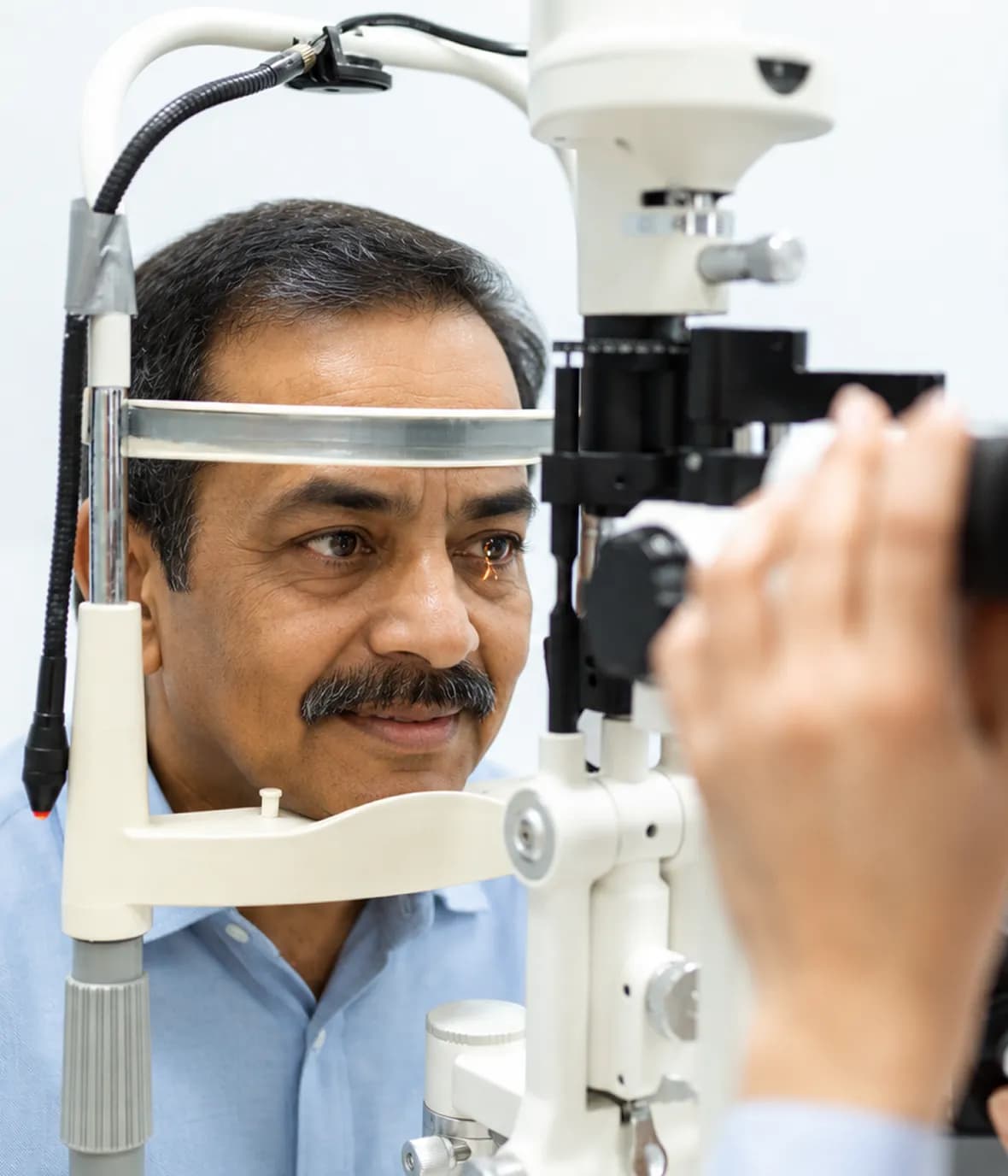
Blood vessels in your retina are some of the most delicate vessels in your entire body. Doctors are able to look directly at these vessels during a simple eye exam, which is why your eyes often give early clues about what is happening inside your blood vessels everywhere else in your body. When blood pressure stays high for years, retinal blood vessel damage builds up gradually. The vessel walls thicken, narrow, and become less flexible, and in more advanced cases, they can leak fluid or blood into the retina itself. The earlier this hypertensive eye disease is caught, the better the chances of protecting your vision long term.
 Ayurveda
According to the Ayurvedic point of view, it should be understood as the Prasaravastha (spread of vitiated Doshas) of all the Doshas along with Rakta (blood), which circulate all over the body until they get lodged at a site of Kha-Vaigunya (any space or part of the body devoid of normalcy or normal qualities).While treating this condition, Prasara Avastha of all the Tridosha; Rasa (~plasma), Rakta and Meda (~fat tissue), and Dushti (vitiation) should be taken into consideration along with lifestyle modifications, with appropriate Vata Anulomana (maintaining a normal course of Vata dosha), Tridoshahara (normalizing all Tridoshas), and Rasa, Rakta Prasadakara (~blood-purifying), and Medohara (reducing excess fat) Chikitsa (treatment) can be adopted.
CausesThe single biggest cause is blood pressure that has remained high for years without proper control, since this constant pressure is what gradually damages the delicate vessels in your retina.
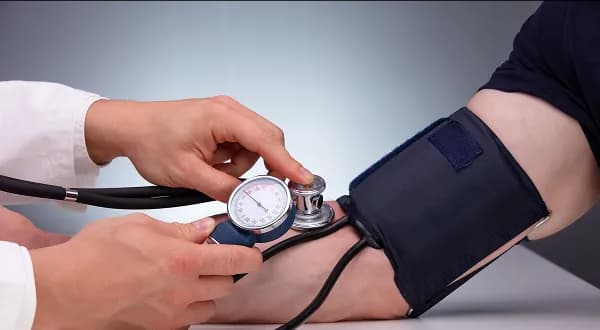
A sharp, severe rise in blood pressure can sometimes injure retinal blood vessels much faster than gradual high blood pressure, occasionally leading to bleeding or swelling at the back of the eye.

High blood sugar levels can independently damage the same small blood vessels in the retina, and when combined with high blood pressure, the damage tends to progress faster.
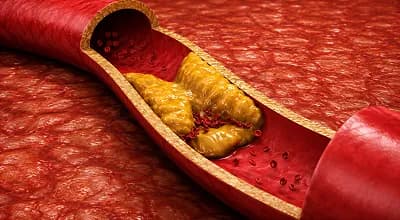
Fatty deposits inside blood vessels can make them stiffer and narrower, adding to the strain that high blood pressure already places on the retina.
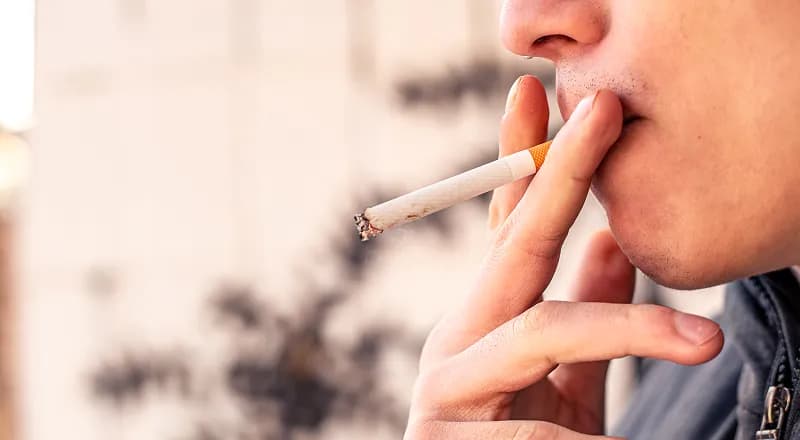
Smoking narrows blood vessels throughout the body, including the ones in your eyes, which can speed up eye complications of hypertension considerably.

The longer high blood pressure goes unmanaged, the more time the retinal vessels spend under strain, which is why early detection and consistent treatment matter so much for your eyes.
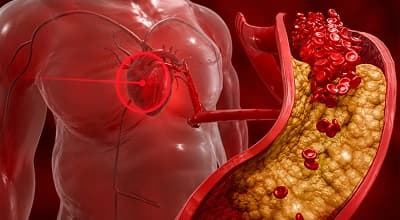
Arteries under constant pressure take damage over time. That damage makes them far more vulnerable to the plaque accumulating and sticking.

Artery walls that stay inflamed over time become easy targets for plaque. Diet, unmanaged stress, and underlying metabolic conditions are common drivers.
Symptoms 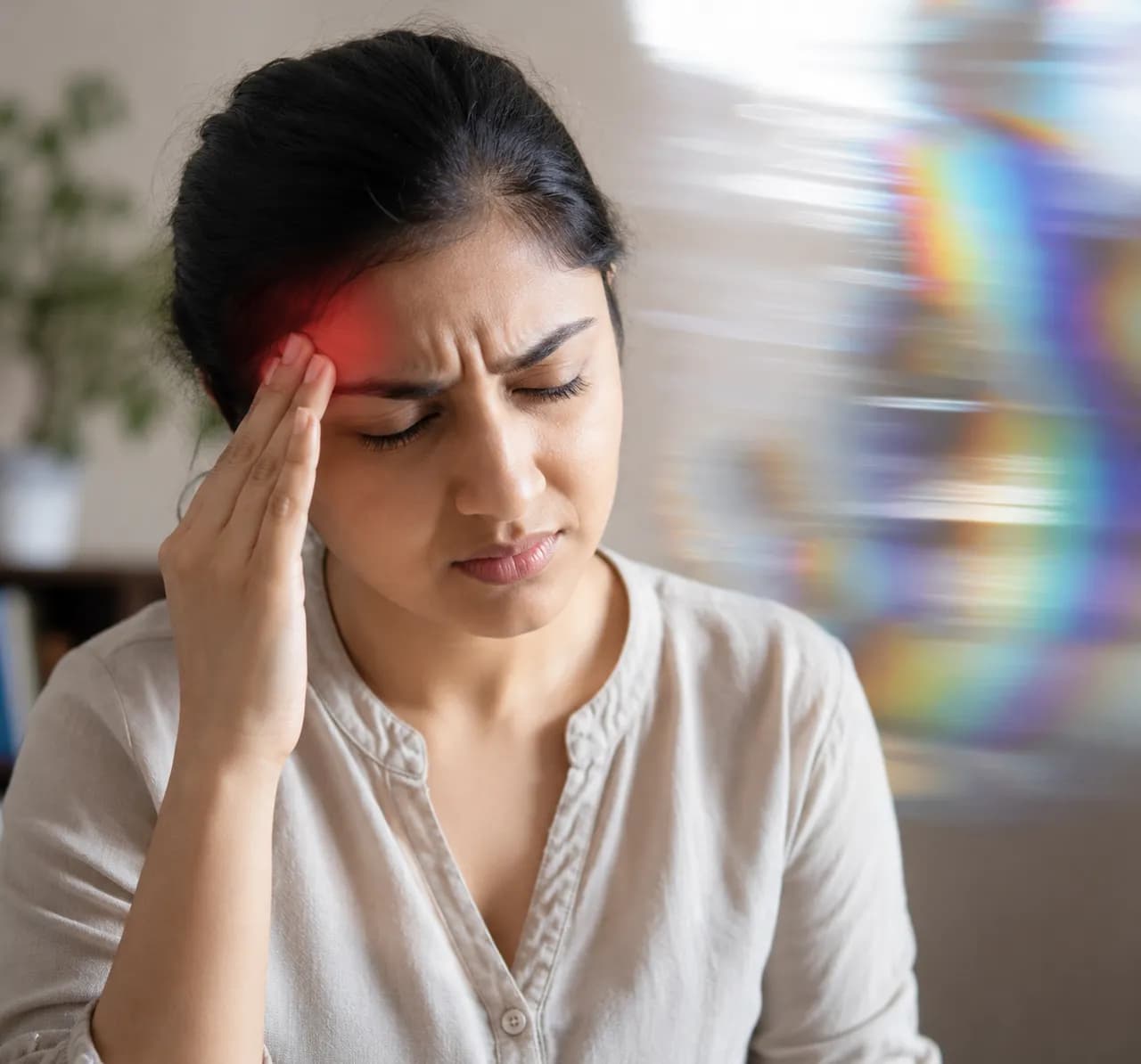
 DiagnosesRisks
If untreated, mild vessel changes can progress to more serious damage, including bleeding, swelling, and fluid build up at the back of the eye.
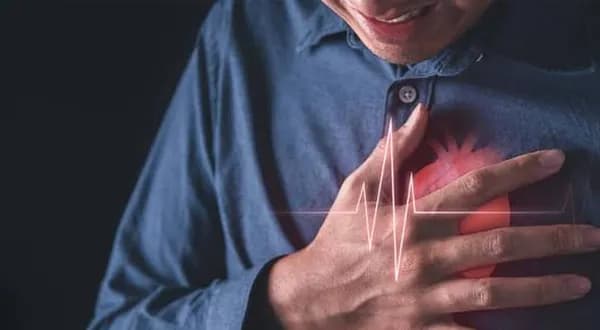
As damage progresses, many people experience blurred, dim, or patchy vision that can affect daily activities like reading, driving, or recognising faces.
In severe or poorly controlled cases, hypertensive retinopathy can lead to significant and sometimes lasting vision loss, particularly if very high blood pressure is left untreated for a long time.
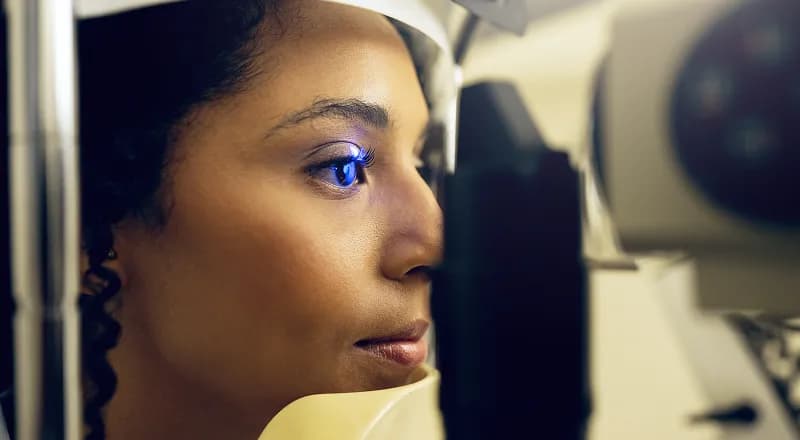
Extremely high blood pressure can cause swelling of the optic nerve itself, which is considered a medical emergency requiring immediate treatment.
Since retinal blood vessels often mirror what is happening elsewhere in the body, hypertensive retinopathy is frequently linked to a higher risk of heart, brain, and kidney complications as well.
Our Approach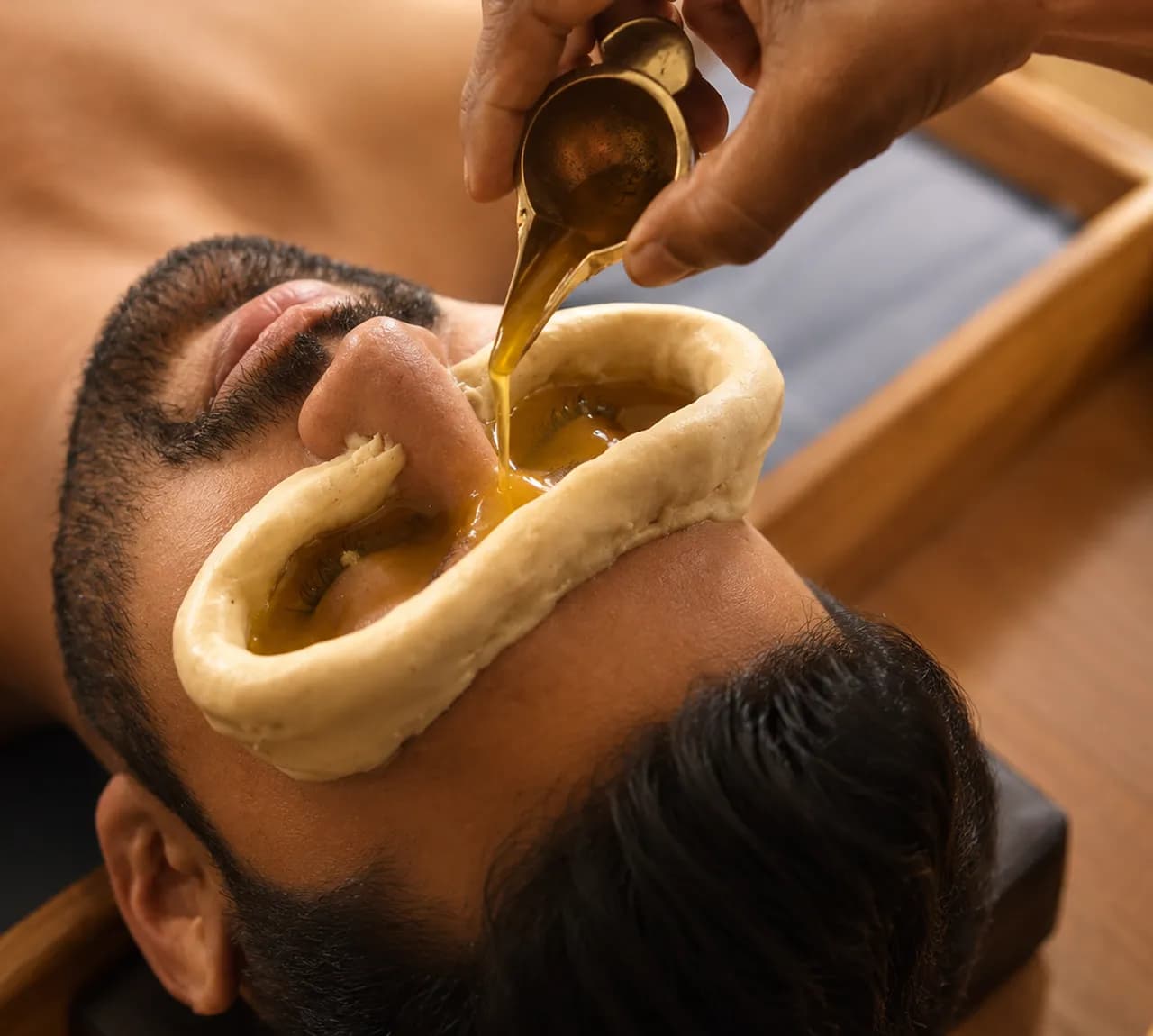
At Madhavbaug, a wearable device called Ambulatory Blood Pressure Monitoring, or ABPM, is used for tracking your blood pressure for a full 24 hours. This gives us a much clearer picture than a single clinic reading and helps us catch patterns that are easy to miss.
When blood pressure stays high for a long time, your blood vessels become stiff and narrow. Our Panchakarma therapies are designed to clear out internal toxins, known in Ayurveda as Ama, and ease the load on your heart.
This is a nutrition plan supervised by our doctors and based on the well-known DASH (Dietary Approaches to Stop Hypertension) diet, designed to ease the load on your blood vessels.
Madhavbaug uses carefully measured Ayurvedic medicines that support healthy blood pressure without harmful side effects.
Every exercise plan we design at Madhavbaug is based on your age, fitness level, and medical history, so it’s safe and effective for you specifically. It combines light cardio, therapeutic yoga, and breathing exercises (Pranayama) to help:
Long-term stress keeps your body stuck in fight or flight mode, and it’s one of the biggest reasons blood pressure stays high. To help keep your numbers stable over time, we build stress relief into your daily routine through:
Why Choose UsFAQsHigh blood pressure eye damage happens when constant pressure thickens and narrows the tiny blood vessels in your retina, sometimes causing them to leak fluid or blood. Over time, this can affect your vision, especially if blood pressure remains uncontrolled for years.
In the early stages, there are usually no symptoms at all, which is why regular eye exams matter even if your vision feels normal. As the condition progresses, you may notice blurred vision, difficulty seeing in low light, or occasional headaches with visual disturbances.
In many cases, especially when caught early, getting your blood pressure under proper control can help stop the damage from progressing and may even allow some changes in the retina to improve over time. More advanced damage, however, may not fully reverse, which is why early detection matters so much.
Yes, when supervised by qualified doctors. At Madhavbaug, our ayurvedic therapies focus on supporting healthy blood pressure and circulation and are designed to work alongside your ophthalmologist’s care rather than replace it.
If you have been diagnosed with hypertension, regular eye exams are an important part of your overall care, since your retina often shows early signs of how your blood pressure is affecting the rest of your body. Your doctor can guide you on how frequently you should be checked based on your blood pressure history and overall eye health.

Don't just manage your condition. Overcome it. Take the first step toward sustainable, evidence-based chronic disease reversal.