
Madhavbaug — Advanced Ayurveda Clinics and Hospitals
Reverse Diabetic Kidney Disease Naturally with Madhavbaug

Reverse Diabetic Kidney Disease Naturally with Madhavbaug

Discover how Madhavbaug’s data-driven clinical care helps you address the root cause of diabetic kidney disease.

Diabetic Kidney Disease

Reverse Diabetic Kidney Disease (Nephropathy) Naturally

What is Diabetic Kidney Disease or Diabetic Nephropathy?
LeafOverview

What is Diabetic Kidney Disease or Diabetic Nephropathy?

Diabetic nephropathy, or diabetic kidney disease (DKD), is a serious condition and complication of type 1 and type 2 diabetes. This condition affects the kidneys’ ability to do their usual work and remove extra fluid and waste from the body. Living a healthy lifestyle and keeping diabetes and high blood pressure managed is one way how you can keep diabetic nephropathy away.

Kidney disease in diabetes can gradually damage the filtering system of the kidneys and can also lead to kidney failure in severe cases.Without appropriate treatment, diabetic kidney disease can progress to kidney failure, which may require dialysis or kidney transplantation.

Diabetic Nephropathy and Ayurveda
LeafDiabetic Kidney Disease & Ayurveda

Diabetic Nephropathy and Ayurveda

According to Ayurveda, nephropathy is a disease of Mutravaha Srotas (channels of the excretory system). Though all three doshas are involved in the disease, Kapha is responsible for blocking microvessels. Damage in tissue can be repaired and prevented by the use of Rasayanas, as they improve the nourishment, maintain the patency of the Srotas (microchannels) and improve the resistance of the tissues against any adversity. Any blockage can be removed by the preparations having a Lekhana (scraping) effect on blocked microvessels as well as macrovessels.

LeafCauses

What are the causes of Diabetic Kidney Disease?

High Blood Sugar

High Blood Sugar

Consistently high glucose can slowly damage the kidneys’ filtering systems, known as glomeruli, and reduce their ability to remove waste from the blood over time.

High Blood Pressure

High Blood Pressure

High blood pressure can also lead to diabetic kidney disease, since it activates the RAAS(Renin Angiotension Aldesterone System)
Inflammation

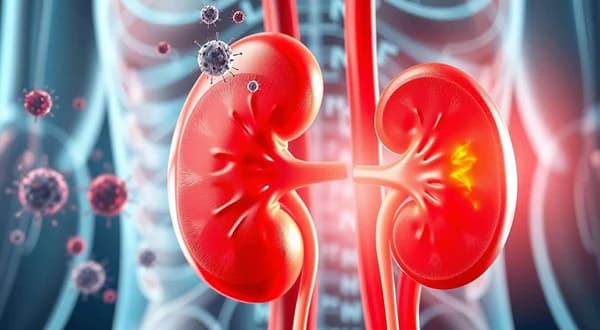
Inflammation

Consistently low-grade inflammation can be a result of diabetes that directly impacts the kidney tissue and causes the filtration function to lose its ability. This can fasten the progression toward chronic kidney disease.
Genetics

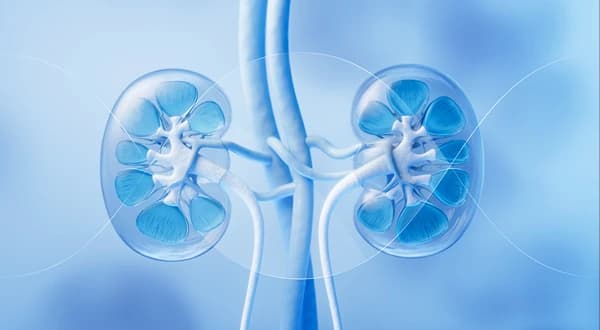
Genetics

Some individuals with moderate elevations in blood sugar may have a higher susceptibility to kidney damage, which can potentially be inherited, thereby increasing their chances of developing diabetic kidney disease.

LeafSymptoms

What are the symptoms of Diabetic Kidney Disease or Diabetic Nephropathy?

What are the symptoms of Diabetic Kidney Disease or Diabetic Nephropathy?
Frothy or foamy urine can be one of the most telling early signs of excess protein leaking into the urine and signalling that the kidney’s filtering barrier has started to brake down.
When normal fluid regulation is disrupted due to kidney disease, frequency of urination may increase in the initial stages, especially at night, and decrease as the condition progresses.
Noticeable swelling in the feet, ankles, legs, face and hands can also be caused by the kidneys' failed ability to manage fluid and balance it.
Kidneys that are damaged may struggle to regulate blood pressure and create a cycle where hypertension can further damage the kidneys.
When waste is collecting in the bloodstream and is combined with anaemia (a lower-than-normal amount of healthy red blood cells), it leaves the body feeling drained and can cause breathlessness even in a state of rest in advanced stages.
The toxic build-up can cause consistent nausea, a loss of appetite and, in some cases, vomiting. This can lead to unintentional weight loss over a period of time.
Since the kidneys can no longer use their filters, waste accumulates in the blood and can cause an imbalance in the electrolytes. This can cause painful cramps and persistent itching beneath the skin.
LeafStages

Stages of the Kidney Disease

Stage 1

≥ 90 mL/min/1.73 m²

Your kidneys are working normally, but there are early signs of kidney damage (such as protein in the urine). Most people have no symptoms.

Stage 2

60–89 mL/min/1.73 m²

Kidney function is mildly reduced. The kidneys still work well, but early damage is present. Usually, there are no noticeable symptoms.

Stage 3a

45–59 mL/min/1.73 m²

Mild to moderate loss of kidney function. You may begin to feel tired, notice swelling, or have changes in blood pressure.

Stage 3b

30–44 mL/min/1.73 m²

Moderate to severe loss of kidney function. Waste products start building up in the blood, and symptoms become more noticeable.

Stage 4

15–29 mL/min/1.73 m²

Severe kidney damage. The kidneys can no longer remove waste effectively. Symptoms like fatigue, swelling, nausea, and poor appetite are common. Planning for advanced treatment may be needed.

How can Diabetic Kidney Disease be diagnosed?
LeafDiagnoses

How can Diabetic Kidney Disease be diagnosed?

There are many tests which are conducted to determine diabetic kidney disease.

  • Glomerular Filtration Rate (The rate at which the glomerular cells of kidney filter the substances which are to be excreted) It is persistently <60 mL/min/1.73m2
  • Albuminuria: This refers to the presence of albumin in urine. The reading is ≥30 mg/g.
  • Other markers of kidney damage, such as haematuria (blood in urine) or structure abnormalities.
Madhavbaug

Check Your Diabetes Reversal Potential

Answer 6 quick questions about your diabetes profile and get your personalised score in under 2 minutes.

Take the Score
LeafRisks

What are the Risks of Diabetic Kidney Disease?

Kidney Failure

Kidney Failure

Diabetic nephropathy, if left untreated, can be one of the primary causes of chronic kidney disease. It may result in end-stage renal failure that may require a kidney transplant and dialysis to sustain life.

Cardiovascular Complications

Cardiovascular Complications

A decline in kidney functions can result in the protein leaking out. This is a complication associated with nephropathy that can increase the risk of heart attack, stroke and failure markedly, further affecting the mortality.

Hypertension

Hypertension

Kidneys losing their ability to regulate blood pressure due to functional failure can cause the blood pressure to rise even further and make it resistant to medicine, in turn causing more damage to the kidneys.

Anaemia

Anaemia

Erythropoietin is the hormone that signals the body to produce red blood cells. When kidneys are damaged, they produce less of this hormone, and this can lead to chronic anaemia, resulting in weakness and fatigue.

LeafOur Approach

Madhavbaug’s Approach to Diabetic Kidney Disease

Rather than simply controlling your blood sugar with medicines, Madhavbaug's Comprehensive Diabetes Care (CDC) treats the root cause so your body can heal itself naturally, benefiting the body by improving glycaemic control, supporting blood pressure management, and reducing metabolic stress on the kidneys.
Madhavbaug’s Approach to Diabetic Kidney Disease
Are time-tested Ayurvedic treatments that reduce stubborn body fat and help your body use insulin properly again. Through gentle oilation, heat therapy, and targeted herbal medicines delivered directly to where they're needed most, these therapies work to restore your pancreas, improve blood circulation, and naturally bring your blood sugar under control.
Is a personally guided, 28-day meal plan of 800 carefully chosen calories, not a crash diet, but a medically designed eating plan that helps your body shed harmful fat stored around the liver and pancreas, which is one of the key drivers of diabetes.
Are proprietary, High-Quality Ayurvedic formulations that gently repair your pancreas, protect your kidneys, nerves, and eyes, and stabilise your blood sugar, all without harmful side effects.
Combines simple daily cardio, strength training, yoga, and breathing exercises tailored to your body type, helping reverse muscle loss, reduce stress hormones, and restore your body's natural ability to regulate blood sugar.
LeafWhy Choose Us

Why Choose Madhavbaug for Diabetic Kidney Disease?

20+ Years of Trusted Care

For over two decades, we have helped thousands of patients address obesity and metabolic conditions without surgery, without harmful side effects, and without lifelong dependency on medication.

91% Clinical Success Rate

9 out of 10 patients who completed our programme saw measurable improvement in their blood sugar control: results you can see, track, and trust.

360 Clinics Across India

With over 360 dedicated clinics and hospitals across India, patients have access to consistent, specialised care and expert support at every stage of treatment.

Real-Time Expert Monitoring

Real-time data sync via the proprietary mibPULSE App, connecting patients directly to a multidisciplinary expert team of specialists, Ayurvedic physicians, and clinical dietitians.

Recognised by India Book of Records

Hundreds of our treated patients tested negative for diabetes in the largest live glucose tolerance test ever conducted in India, a testament to what real reversal looks like.

Research-Proven Results

Our proprietary MYO-B Oil Basti achieved a 1.51% reduction in HbA1c, outperforming conventional treatments, with quality of life scores nearly halving in just 30 days.

Backed by 200+ Research Papers

Every therapy we offer is grounded in science, combining the best of Ayurveda and modern diagnostics, validated through rigorous clinical research.

LeafFAQs

Frequently Asked Questions

Effective obesity management addresses the metabolic root causes, not just calorie intake. It combines dietary correction, physical activity, hormonal and digestive support, and Panchakarma detoxification with herbal formulations that correct insulin resistance and fat metabolism together. Madhavbaug’s obesity management programme brings all of these into one clinically supervised, non-surgical protocol.

The 4 M’s are Motivation, Movement, Meals, and Medication. Motivation addresses behavioural and psychological drivers of weight gain. Movement covers structured physical activity. Meals focus on dietary quality and timing. Medication refers to clinical support where lifestyle changes alone are insufficient.

The 3-3-3 rule suggests three meals a day, three hours between the last meal and sleeping, and three litres of water daily. It helps build consistent eating habits but does not address the metabolic causes of obesity. A supervised clinical programme produces more reliable and lasting results.

Yes. Madhavbaug’s obesity management programme is non-surgical. Panchakarma, herbal medicines, dietary correction, and structured exercise achieve weight reduction by correcting the internal conditions driving fat accumulation.

Treatments that correct the underlying metabolic causes, like insulin resistance, hormonal imbalance, and impaired digestion, produce more lasting results than calorie restriction alone. Madhavbaug’s Ayurvedic weight loss programme addresses these root causes through Panchakarma, herbal formulations, a supervised diet, and Cardiac Metabolic Therapy.

Madhavbaug

Start Your Journey to a Medicine-Free Life with Madhavbaug

Don't just manage your condition. Overcome it. Take the first step toward sustainable, evidence-based chronic disease reversal.

Book a Consultation
Nearest CentresCall Now