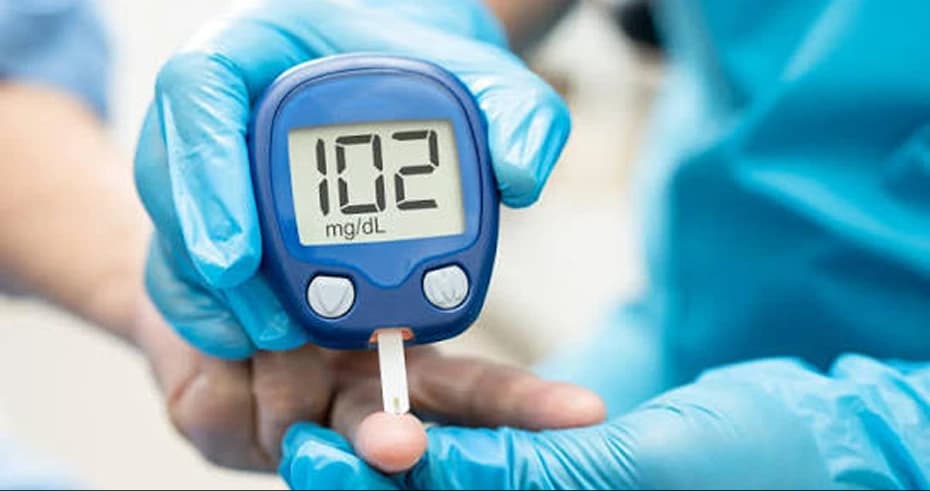
Ayurveda focuses on maintaining excellent digestion, or agni. Weak agni (often called agnimandya) can lead to the accumulation of digestive toxins, called ama. This ama then gets deposited in the tissues, or dhatus. Deposition of ama provides a home for the localisation of the aggravated dosha, leading to disease manifestation. According to Ayurveda, there are 20 types of prameha (condition characterised by an increase in urine frequency), or polyuria. Madumeha is the Ayurvedic diagnosis that approximates the ‘diabetes mellitus’ label, representing a subgroup of prameha. In the early stages the disease is Kapha predominant, with polyuria and aggravation of Medo (fat) dhatu. With progression of Madumeha, Pitta and then Vata doshas become aggravated, with the disease being more difficult to cure at this later stage. Causes of madumeha include familial predisposition, physical inactivity, and both mental and environmental stress. Dietary habits related to Vata dosha, such as irregular meal times and too many sweet, sour, and salty foods, also play an important aetiologic role.




 Overview