


Poor Diet and High Caloric Intake
Diets high in refined carbohydrates, sugar, and unhealthy fats cause repeated blood sugar spikes, promote fat storage, and progressively wear down the body's insulin response over time.

Move beyond lifelong medication. Discover how Madhavbaug's data-driven clinical care helps you address the root cause of obesity and type 2 diabetes together.
 Overview
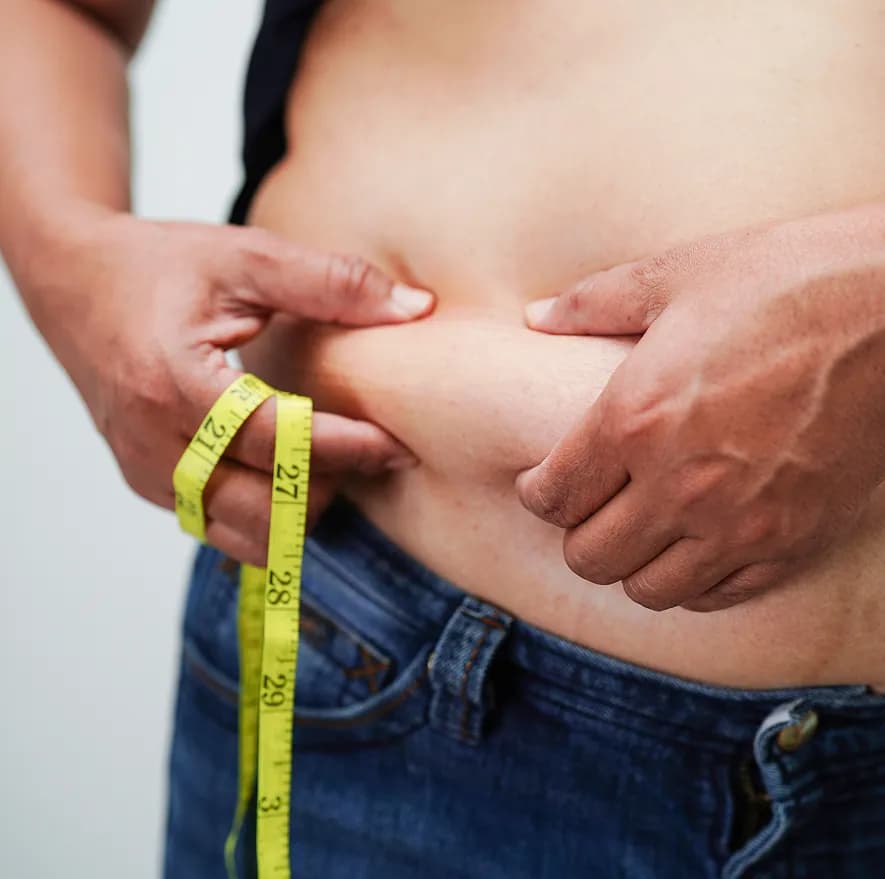
The World Health Organization (WHO) uses the term “diabesity” to describe the synergistic, global epidemic of obesity and type 2 diabetes. In easy words, ‘diabesity’ is the term used to describe the relationship between obesity and type 2 diabetes.
When excess body fat, particularly around the abdomen, builds up over time, it makes it much harder for the body to use insulin properly. This drives blood sugar levels up and eventually leads to type 2 diabetes.
The two conditions go hand in hand with each other. Obesity worsens diabetes, and diabetes makes weight loss for diabetes patients significantly harder to achieve. This cycle, if left unaddressed, places the heart, kidneys, liver, and other vital organs under serious and sustained stress.
Effective diabesity treatment therefore cannot address one condition in isolation. Both must be treated together, at the root cause, for real and lasting results. This is exactly what Madhavbaug’s approach to metabolic disease management is designed to do.
 Ayurveda
Ayurveda, drawing upon principles of balance and individualised treatment, addresses diabetes through a multifaceted lens. In Ayurveda, diabetes is classified under the term “Madhumeha”, where an imbalance in the body’s doshas (Vata, Pitta, and Kapha) disrupts the normal functioning of the pancreas and impairs insulin production. This falls under the category of Santarpanjanya Vikara (which refers to a category of diseases caused by over-nutrition, excessive caloric intake, or a sedentary lifestyle). Sthalya as in obesity, also falls under the same category, and they have a similar set of etiological factors, causes and treatment principles, which is Lekhana (scrapping). The approach to diabetes management in Ayurveda involves a personalised assessment of an individual’s constitution (Prakriti) and the identification of imbalances (Vikriti). Lifestyle modifications, dietary changes, herbal supplements, and therapeutic practices like yoga and meditation are integral components of Ayurvedic interventions.
CausesDiets high in refined carbohydrates, sugar, and unhealthy fats cause repeated blood sugar spikes, promote fat storage, and progressively wear down the body's insulin response over time.

Physical inactivity reduces the muscles' ability to absorb glucose from the blood, promotes fat accumulation, and worsens insulin resistance which accelerates both obesity and type 2 diabetes.

Conditions such as hypothyroidism, PMOS, and elevated cortisol levels from chronic stress disrupt the body's metabolism, making it harder to manage weight and blood sugar.
A family history of diabetes or obesity increases an individual's susceptibility to both conditions. However, lifestyle and early metabolic disease management also play a decisive role.

Elevated stress hormones, particularly cortisol, encourage the body to store fat around the abdomen and raise blood sugar levels, worsening both conditions at the same time.

Inadequate or disrupted sleep raises the hormones that drive hunger and fat storage creating a biological environment that strongly promotes weight gain and insulin resistance.

An unhealthy gut microbiome can drive chronic inflammation, impair nutrient absorption, and interfere with the hormones, contributing to both obesity and metabolic disease.
Symptoms 
 Diagnoses
Answer 6 quick questions about your diabetes profile and get your personalised score in under 2 minutes.
Risks
Obesity and type 2 diabetes together significantly raise the risk of CAD, heart attack, and heart failure. Both conditions independently damage blood vessels and the heart, and their combination multiplies the risk.
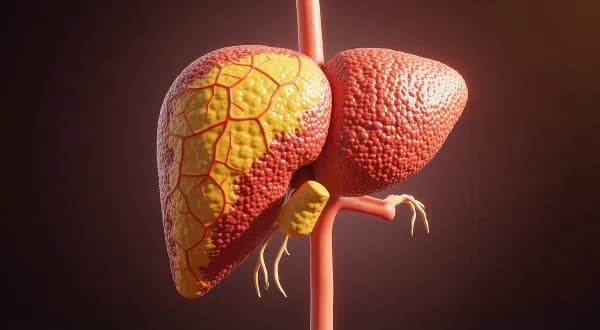
Excess fat does not only accumulate under the skin. It builds up inside the liver too, causing non-alcoholic fatty liver disease, which can progress to cirrhosis and liver failure if left unaddressed.
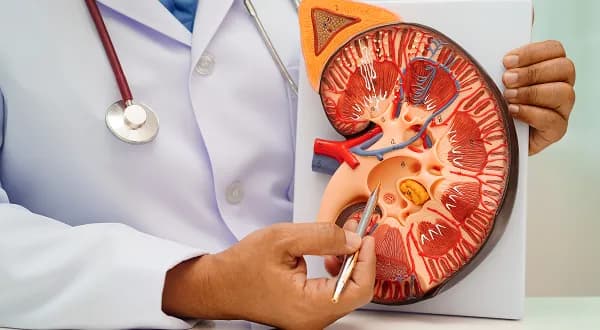
High blood sugar combined with the metabolic strain of obesity progressively damages the kidneys' filtering structures, raising the risk of kidney failure over time.

Excess weight around the neck and chest restricts the airway during sleep, causing repeated breathing interruptions. This condition worsens blood sugar control and cardiovascular risk significantly.
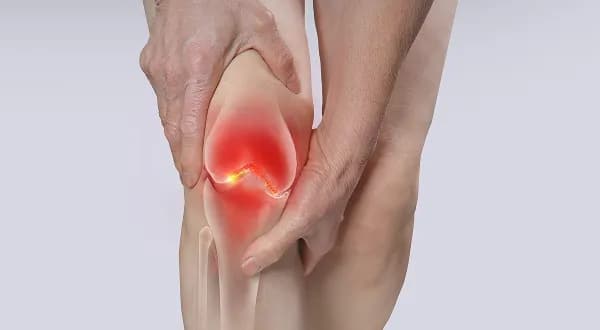
The combination of excess body weight and chronic inflammation caused by metabolic disease accelerates wear and tear on the joints, leading to pain, reduced mobility, and long-term joint damage.
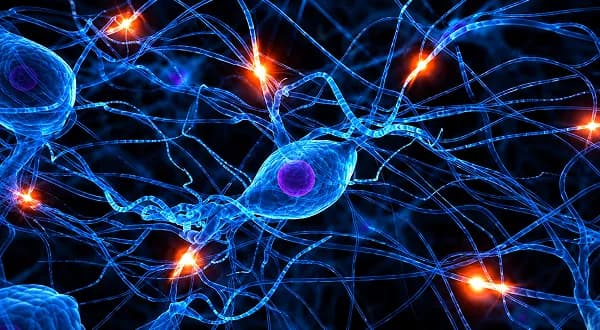
Persistently high blood sugar damages the nerves throughout the body, causing tingling, numbness, and pain most commonly in the feet and hands, a condition known as diabetic neuropathy.

In women, obesity and type 2 diabetes are strongly linked to PMOS, irregular periods, and fertility challenges. In men, they are associated with low testosterone and reduced reproductive health.

Living with obesity and diabetes together significantly raises the risk of depression, anxiety, and poor self-esteem, which in turn makes adherence to treatment and weight loss for diabetes more difficult to sustain.

Chronic inflammation and elevated insulin levels associated with obesity and type 2 diabetes are linked to a higher risk of certain cancers, including those of the colon, breast, and pancreas.
Our Approach
Are time-tested Ayurvedic treatments specifically effective against the visceral fat and insulin resistance that sit at the heart of obesity and type 2 diabetes. Through gentle oilation, heat therapy, and targeted herbal medicines delivered directly where they are needed most, these therapies improve circulation, detoxify the liver, reduce fat stored around vital organs, and restore the body’s natural insulin sensitivity.
Is a personally guided, 28-day meal plan of 800 carefully chosen calories. This is not a crash diet but a medically supervised eating plan designed to support healthy and sustainable weight loss for diabetes patients by clearing harmful fat from around the liver and pancreas, the organs most directly responsible for blood sugar regulation.
Are proprietary, High-Quality Ayurvedic formulations that gently correct metabolic imbalances, support fat metabolism, repair pancreatic function, and stabilise blood sugar, all without harmful side effects. These form an essential part of Madhavbaug’s holistic approach to metabolic disease management.
Combines simple daily cardio, strength training, yoga, and breathing exercises tailored to each patient’s body type, weight, and fitness level. This programme is designed to reverse muscle loss, reduce stress hormones, improve the body’s ability to burn fat, and restore natural blood sugar regulation over time.
ApexBeat tracks cardiac recovery in real time after treatment, allowing the medical team to adjust the programme as the heart strengthens.
A stent opens a blocked artery, and a bypass reroutes blood around it. Neither addresses what caused the blockage. Without that, the same process continues.
Madhavbaug looks at it differently. The focus is on why the artery narrowed and what has to change to keep it from getting worse.
Why Choose UsFAQs‘Diabesity’ is the term used to describe the combination of obesity and type 2 diabetes occurring together in the same patient. Because both conditions share the same root cause, insulin resistance driven by excess body fat, they must be treated together for any diabesity treatment to deliver lasting results.
Yes, in many cases it can. Significant and sustained weight loss for diabetes patients, particularly the reduction of fat stored around the liver and pancreas, can restore normal insulin sensitivity and bring blood sugar back to healthy levels. Early intervention gives the best chance of full reversal.
Type 1 diabetes is an autoimmune condition unrelated to body weight. Type 2 diabetes, however, is strongly linked to obesity and insulin resistance. Effective metabolic disease management for type 2 diabetes almost always involves addressing body weight and fat distribution alongside blood sugar control.
Insulin resistance, hormonal imbalances, inflammation, and certain diabetes medications all make it harder for diabetic patients to lose weight compared to those without the condition. This is why a medically supervised, root-cause approach to metabolic disease management is so important.
Madhavbaug’s CDC programme combines Panchakarma detox therapies, a medically supervised diet, high-quality herbal medicines, and personalised exercise guidance to address both obesity and type 2 diabetes at their shared root cause, rather than managing each condition separately with different medications.
Yes. All therapies offered at Madhavbaug are non-surgical, non-invasive, and free from harmful side effects. Our herbal formulations are proprietary and High-Quality, and every patient’s progress is monitored in real time by a dedicated team of medical specialists throughout their 90-day programme.
Don't just manage your condition. Overcome it. Take the first step toward sustainable, evidence-based chronic disease reversal.