
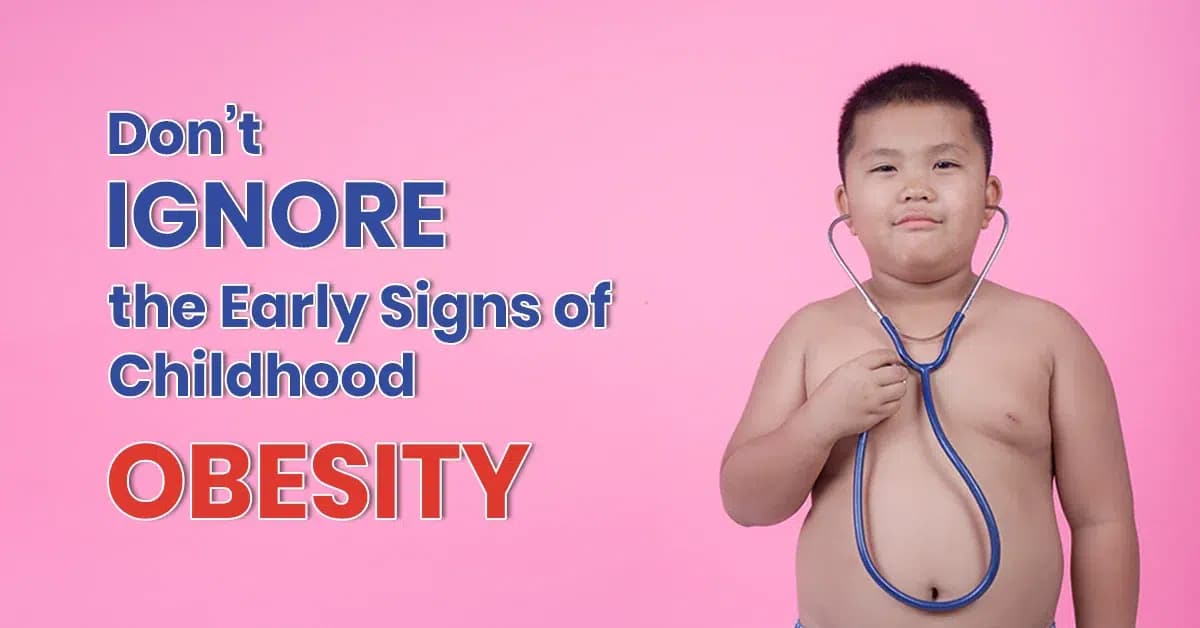
A chubby, roly-poly child often attracts smiles, compliments, and affectionate teasing. But when excess weight continues beyond a certain age, it quietly becomes a health concern rather than a sign of “good growth.”
Today, childhood obesity is rising rapidly in India. Changing lifestyles, increased screen time, irregular meals, packaged foods, and reduced physical activity have made children vulnerable to health issues that were once seen only in adults.
As a doctor, I often remind parents:
“Weight gained in childhood doesn’t stay limited to childhood—it shapes lifelong health.”
What Is Childhood Obesity?
Childhood obesity is a condition where a child gains more body weight than is healthy for their age and height. It is commonly assessed using BMI (Body Mass Index) charts designed specifically for children.
In Ayurveda, obesity is described as Sthoulya, mentioned by Acharya Charaka under Ashta Nindita Purusha and classified as a Rasa-nimittaja Vyadhi. Ancient texts confirm that this condition has existed since the Vedic period—long before modern junk food—highlighting the importance of digestion, lifestyle, and mental balance.
Why Are Children Becoming Obese So Early?
Childhood obesity rarely has a single cause. It usually develops due to a combination of factors:
- Diet-Related Causes
- Frequent junk food and packaged snacks
- Sugary drinks and desserts
- Oversized portions
- Eating outside the home regularly
- Low Physical Activity
- Excessive screen time
- Minimal outdoor play
- Limited sports or physical education
- Family & Environment
- Busy routines with working parents
- Irregular meal timings
- Stress and disturbed sleep
- Genetic Predisposition
Some children are more prone to weight gain—but genes alone do not cause obesity without lifestyle triggers.
- Ayurvedic Perspective
Kapha-vardhaka ahara-vihara and manasika hetu (dietary and mental factors) lead to medo vriddhi—excess fat accumulation.
Early Warning Signs Parents Should Never Ignore
Parents should seek guidance if a child shows:
- Rapid or excessive weight gain
- Getting tired easily
- Breathing difficulty or snoring during sleep
- Low self-confidence or social withdrawal
- Frequent hunger or overeating
- Clothes becoming tight very quickly
- Avoidance of physical activities
Early intervention makes correction easier and safer.
How Ayurveda Looks at Childhood Obesity
In Ayurveda, childhood obesity requires step-by-step assessment, not crash diets or forced exercise.
Management includes:
- Non-pharmacological approaches like yoga and lifestyle correction
- Pharmacological support when required
- Panchakarma and shamana therapies under strict supervision
This holistic approach focuses on digestion, metabolism, physical activity, mental wellbeing, and healthy growth—rather than rapid weight loss.
How Parents Can Prevent Childhood Obesity
Prevention always works better than treatment. Here’s how families can help:
- Focus on Nutritious Meals
- Include fruits, vegetables, whole grains, and lean proteins
- Reduce sugar by offering fruits instead of sweets
- Cook at home more often to control ingredients and portions
- Teach portion control.
- Use smaller plates
- Avoid forcing children to finish food when they feel full
- Make Physical Activity Enjoyable
- Encourage cycling, skipping, running, or sports
- Turn exercise into family time—walks, games, or weekend outings
- Set Healthy Screen-Time Limits
- WHO recommends zero screen time for children below 2 years
- Limit screen use to 1 hour per day thereafter
- Keep meals and bedtime screen-free
- Ensure Adequate Sleep
- Maintain consistent bedtime routines
- Encourage reading or calm activities before sleep
- Encourage Hydration
- Teach children to drink water regularly
- Keep water bottles easily accessible at home
- Role of Schools & Community
- Nutritious school meals
- Regular physical education
- Access to playgrounds, sports, dance, and yoga programs
- Yoga for Obesity Prevention
Asanas, pranayama, meditation, and relaxation practices help regulate metabolism, appetite, and stress.
- Panchakarma Therapy
When advised by a physician, Panchakarma plays a supportive role in correcting metabolic imbalance.
A Balanced Approach to Treatment
The goal of obesity care is not extreme weight loss, but achieving and maintaining a healthy weight appropriate for the child’s growth.
Parents exploring ayurvedic treatment for weight loss should always choose structured, child-specific programs that prioritise nutrition, safety, and long-term habits.
At Madhavbaug Clinic, recognised as a trusted weight loss treatment centre in Rajarajeshwari Nagar, Bengaluru, obesity care is approached with sensitivity. Treatment plans combine diet guidance, lifestyle correction, Ayurvedic therapies, and supervised physical activity—ensuring healthy growth without compromising development.
Final Message for Parents
Childhood obesity is not about appearance—it is about future health.
With timely awareness, supportive parenting, and the right guidance, children can return to a healthy growth path naturally. Small daily habits today protect your child from diabetes, heart disease, and lifestyle disorders tomorrow.
Healthy children grow into healthy adults.




 Locate a Centre
