

 Add to Preferred Sources
Key Takeaways
|
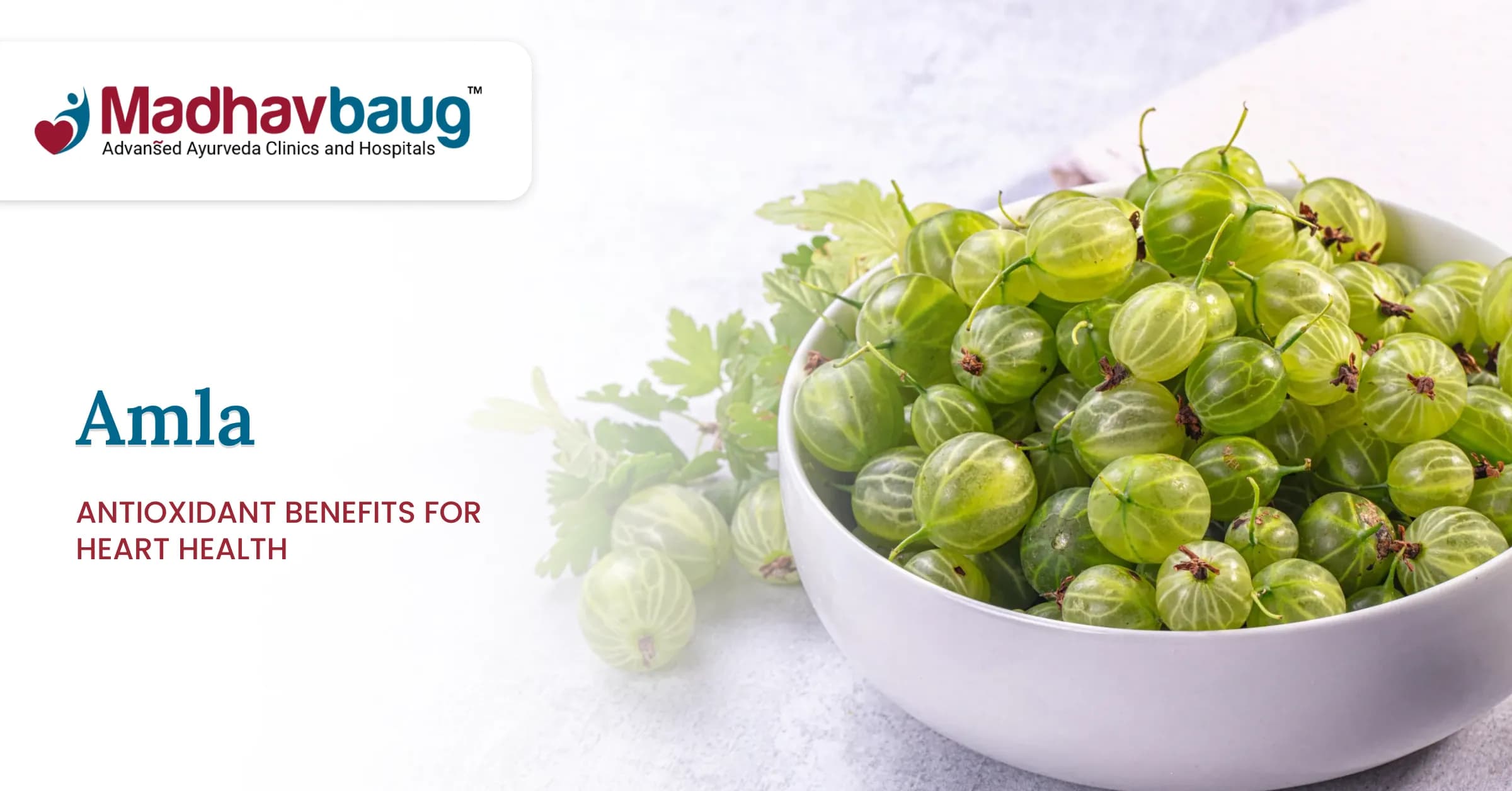
Amla can be a helpful addition to an antioxidant rich diet. It contains vitamin C and other compounds from plants which can help to protect the cells in your body.
Amla is commonly used in Indian kitchens in chutneys, pickles and juice. Often due to the high levels of vitamin C. However, there are other compounds within amla which researchers look at.
If you are consuming amla due to high cholesterol levels then take a closer look at the evidence. Most of the research has been done using concentrated amla extracts and looking at blood tests. This does not prove that taking a daily portion of amla will help to protect your heart.
What are antioxidants?
Antioxidants are substances that help protect your cells from damage caused by free radicals, which are unstable molecules. Your body makes some antioxidants, and you also get them from foods such as fruits, vegetables and nuts.
Some free radicals help to fight infection within our immune systems. However, we can produce more due to exposure to cigarette smoke and air pollution.
The trouble starts when free radicals build up faster than your body can deal with them. This is called oxidative stress, and over time it can damage your cells and tissues. Antioxidants help keep things in balance (NCCIH, 2023).
Is Amla Rich in Antioxidants?
Yes. Amla gets its antioxidants from vitamin C and from plant compounds called polyphenols. It also has tannins, which is why fresh amla tastes so dry and makes your mouth pucker (Yang and Liu, 2014).
If you have ever eaten amla, you’ll know the sour taste it has. When it was tested in the lab it was concluded that the compounds behind that taste are antioxidants. That is why amla can help remove free radicals in the body and slow down the oxidation of fat.
So we know why amla has antioxidants. But that doesn’t prove eating it will stop heart disease.
Amla Vitamin C Content: How Much Is in 100 g?
For such a small fruit, amla has a lot of vitamin C. 100 g of fresh amla gives you about 252 mg (Longvah et al, 2017).
Most of us don’t eat 100 g at once, though. You might have one amla with lunch or a spoonful in chutney, and the size of the fruit and its nutrients vary, so treat the 100 g figure as a rough guide.
| Summary of Vitamin C Content: Raw Amla (100 g): Approximately 252 mg Raw Amla (30 g): Approximately 76 mg Adult Male Requirement: 80 mg Adult Female Requirement: 65 mg |
[Note: The 30 g figure is an estimate based on food composition data. The daily needs shown are for healthy adults who aren’t pregnant. Cooking, drying and storing amla can all reduce its vitamin C, so amla powder, cooked murabba and bottled juice won’t have the same amount. If you’re buying a packaged product, check the ingredients and nutrition label.]
How Does Oxidative Stress Affect Heart Health?
Oxidative stress can impact your blood vessels in a few ways. When there is too much LDL cholesterol in your blood, some of it can become trapped in the artery walls.
Oxidative stress can then cause some of these particles to become oxidised. This affects our immune system and contributes to the inflammation involved with plaque formation. Over time this can cause narrowing of the arteries due to the plaque buildup (Borén et al, 2020).
However, eating more antioxidant rich foods will not, on its own, lower high LDL cholesterol. Taking antioxidant vitamins has not been shown to help prevent heart attacks or strokes (NCCIH, 2023).
“Whilst antioxidant rich foods are a great addition to a healthy diet, the fact that a food has shown high antioxidant activity in a laboratory does not mean it will help to prevent heart disease. Looking at your overall diet and risk factors for your heart health will benefit you.”
– Dr Bipin Gond, Zonal Medical Head, Madhavbaug
Is Amla Good for Cholesterol?
When it comes to amla for cholesterol, amla extracts have shown some cholesterol lowering effects in small clinical studies however this has not been shown with fresh amla.
Amla can still be enjoyed as part of your daily diet. If you have high levels of LDL then your lipid profile and other risk factors for your heart will help your doctor decide what treatment you require.
| Research A review of nine clinical trials involving 535 adults showed that those consuming amla preparations had lower cholesterol levels. Those taking amla had an average reduction in their LDL cholesterol of around 15mg/dL and triglycerides of 22mg/dL compared to those taking a placebo. Most participants were taking amla extracts for between 2-12 weeks. The studies looked at changes in blood tests and did not show if they would have fewer heart attacks or strokes (Brown et al, 2023). |
It’s an interesting result. But it doesn’t prove people will have fewer heart attacks or strokes, and we don’t know if eating fresh amla would do the same thing. If you have high cholesterol, keep following your treatment plan. A lipid profile test shows your doctor your LDL, HDL and triglyceride levels.
Confused about what your cholesterol report means?
What are the Best Antioxidant Rich Foods for Heart Health?
Amla is a good choice, but there is no single food that is stated as the ‘best’ antioxidant food. Different fruits, vegetables and nuts give you different nutrients, and many also bring fibre and healthy (unsaturated) fats that are good for your heart.
| Food | Key Antioxidant Nutrients/Compounds | How to Incorporate |
| Amla | Vitamin C, Tannins, Flavonoids | Eaten fresh in slices or grated into chutney. |
| Guava | Vitamin C, Carotenoids (pink varieties) | Wash thoroughly and eat whole. |
| Pomegranate | Polyphenols (Anthocyanins) | Whole arils rather than strained. |
| Tomatoes | Lycopene, Vitamin C | Cook with a little oil to help absorb lycopene. |
| Spinach (Palak) | Lutein, Beta-carotene | Add to dals, sabzis or lightly cooked dishes. |
| Walnuts | Polyphenols, Unsaturated fats | Have a small portion without salt. |
You don’t have to eat all six every day, and other antioxidant rich foods such as oranges, carrots, beetroot, rajma (kidney beans) and green tea count too. A plate of vegetables, dal and wholegrains, and a serving of fruit or a handful of nuts will give you a good mix.
People who eat more fruit and vegetables tend to have a lower risk of heart disease. But that isn’t just down to antioxidants (NCCIH, 2023).
How Much Amla to Eat Daily?
There’s no proven daily amount of fresh amla for lowering cholesterol. If you’re eating it for vitamin C, though, even a little goes a long way.
Take 30 g of raw amla as an example. Based on Indian food composition data, that gives you around 76mg of vitamin C. Adult men need 80 mg a day and adult women need 65 mg (Longvah et al, 2017; ICMR-NIN, 2020).
You don’t need to weigh out 30 g every day. A few slices with lunch or some grated into your chutney is plenty.
Healthy Ways to Eat Amla
You don’t have to drink amla juice every morning to enjoy it. Here are a few easy ways to incorporate:
- Salads – Grate some fresh amla into your cucumber salad or kachumber.
- Chutney – Blend with coriander, mint and green chilli. Keep salt to a minimum.
- Raita – Add a little grated amla to plain curd and roasted cumin.
- Lunch – A few slices can be eaten with your lunch if you like the tart flavour.
If you have high blood pressure be mindful of salted amla pickles. Those that are sweetened, such as murabba and candy should be seen as an occasional treat.
If you are taking any medication for your diabetes, aspirin or clopidogrel then speak to your doctor before taking concentrated amla extracts. A small study has shown that taking amla extracts alongside antiplatelet medication can cause changes to platelet activity. Whether this increases the risk of bleeding in real life situations is unclear (Fatima et al, 2014).
Fresh Amla, Juice or Powder?
It depends on how it is made and what has been added to it. Here is a quick guide to the most common forms of amla:
| Type | Information |
| Fresh | Provides fibre and vitamin C. A good option to eat daily. |
| Juice | Fibre can be lost through straining. Choose unsweetened versions. |
| Powder | Vitamin C can vary depending on drying and storing. Check for added ingredients. |
| Murabba | Usually made with sugar syrup. Be mindful of portion sizes, especially if you have diabetes. |
| Candy | Candy often contains added sugar and flavourings. Check the label. |
If you have diabetes then fresh amla is often a more practical option. Even if it says natural there can be a large amount of added sugar. Check the label.
| Clinical Insight “Eating fresh amla is not the same as taking a concentrated amla supplement. Most of the studies looking at cholesterol have used amla extracts therefore cannot be directly related to the amla you are eating at home. If you are managing high cholesterol then your LDL levels, current medications and overall diet should still be considered. Whilst adding amla to your meals may be useful, it shouldn’t be seen as a replacement for managing your cholesterol.” Dr Pravin Jayram Ghadigaonkar, BAMS, MD, PhD (Scholar) – Preventive Cardiology Over 20 Years Clinical Experience, Head Medical Operations & Patient Improvement, Madhavbaug. |
How Can Madhavbaug Help You Manage Cholesterol?
Amla is just one part of a heart healthy diet. If you have high LDL cholesterol your doctor will also consider factors such as diabetes, blood pressure, smoking, family history and any previous heart issues.
At Madhavbaug, we can help you discuss your lipid profile and current medications with a doctor. We can also consider your eating habits, activity levels and other health concerns to provide you with personalised dietary and lifestyle advice.
Bring your latest reports and a list of your medications. Continue with any treatments prescribed by your physician or cardiologist.
Take the Next Step Towards Heart Health
FAQs
Can I eat amla daily?
Yes, most adults can enjoy a small amount of fresh amla as part of a varied diet. There is no proven amount of fresh amla to eat daily to help treat cholesterol.
Is amla juice as good as fresh amla?
Not always. Usually amla juice will have less fibre due to being strained. The vitamin C can also depend on how it is prepared and stored. Choose unsweetened versions.
Does amla powder contain vitamin C?
Amla powder can contain vitamin C however this can depend on how it has been dried and stored. If you are regularly eating amla powder then check if the label states how much vitamin C it contains. A teaspoon of amla powder will not necessarily contain the same amount as fresh amla.
Can amla help lower cholesterol naturally?
Some small clinical trials have shown that concentrated amla extracts can lower LDL cholesterol levels. However if you are eating fresh amla you should not expect the same results. Your cholesterol should still be regularly monitored and treated appropriately.
Is amla good for diabetics?
Fresh amla can be eaten as part of your diet. However how you eat it can make a difference. Fresh slices or unsweetened chutney will be different to amla murabba or candy which often have added sugar. If you prefer to eat packaged amla products then check the ingredients.
Can amla replace cholesterol medication?
No. Do not stop taking your statins or any other prescribed treatments due to eating amla. Speak to your doctor.
Should I eat raw or cooked amla?
Generally raw amla will contain more vitamin C. Cooked versions can still be enjoyed but be mindful of the sugar, salt and portion size.
References
Borén, J. et al. (2020) ‘Low-density lipoproteins cause atherosclerotic cardiovascular disease: pathophysiological, genetic, and therapeutic insights: a consensus statement from the European Atherosclerosis Society Consensus Panel’, European Heart Journal, 41(24), pp. 2313–2330.
Brown, P.D.S., Ketter, N., Vis-Dunbar, M. and Sakakibara, B.M. (2023) ‘Clinical effects of Emblica officinalis fruit consumption on cardiovascular disease risk factors: a systematic review and meta-analysis’, BMC Complementary Medicine and Therapies, 23, 190.
Fatima, N., Pingali, U. and Muralidhar, N. (2014) ‘Study of pharmacodynamic interaction of Phyllanthus emblica extract with clopidogrel and ecosprin in patients with type II diabetes mellitus’, Phytomedicine, 21(5), pp. 579–585.
ICMR-National Institute of Nutrition (2020) Nutrient Requirements for Indians: Recommended Dietary Allowances and Estimated Average Requirements. Hyderabad: ICMR-NIN.
Longvah, T., Ananthan, R., Bhaskarachary, K. and Venkaiah, K. (2017) Indian Food Composition Tables 2017. Hyderabad: ICMR-National Institute of Nutrition. https://www.nin.res.in/ebooks/IFCT2017.pdf
National Center for Complementary and Integrative Health (NCCIH) (2023) Antioxidant Supplements: What You Need To Know.
Yang, B. and Liu, P. (2014) ‘Composition and biological activities of hydrolyzable tannins of fruits of Phyllanthus emblica’, Journal of Agricultural and Food Chemistry, 62(3), pp. 529–541.




 Locate a Centre

