
Three ingredients show up in nearly every meal across every cuisine: sugar, salt, and oil. In the right amounts they serve real nutritional and culinary purposes. The problem is not their existence in the diet. It is how much of each most people are actually consuming, consistently, over years.
The consequences do not announce themselves. They build quietly, showing up eventually as rising blood pressure, unexplained weight gain, elevated cholesterol, and a cardiovascular system under sustained stress. Here is what the evidence says about each one and what you can actually do about it.
What Sugar Does to Your Heart and Weight
Sugar gets talked about mostly in the context of weight gain. Its effects on the heart are equally significant and get far less attention than they should.
On the heart:
- Damages blood vessels over time
- Raises triglycerides
- Lowers HDL or protective cholesterol
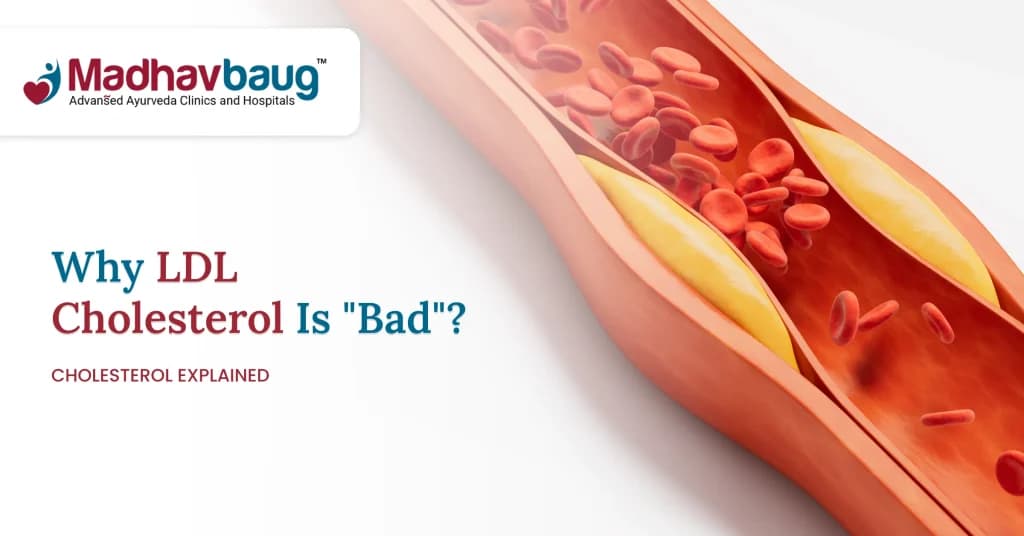
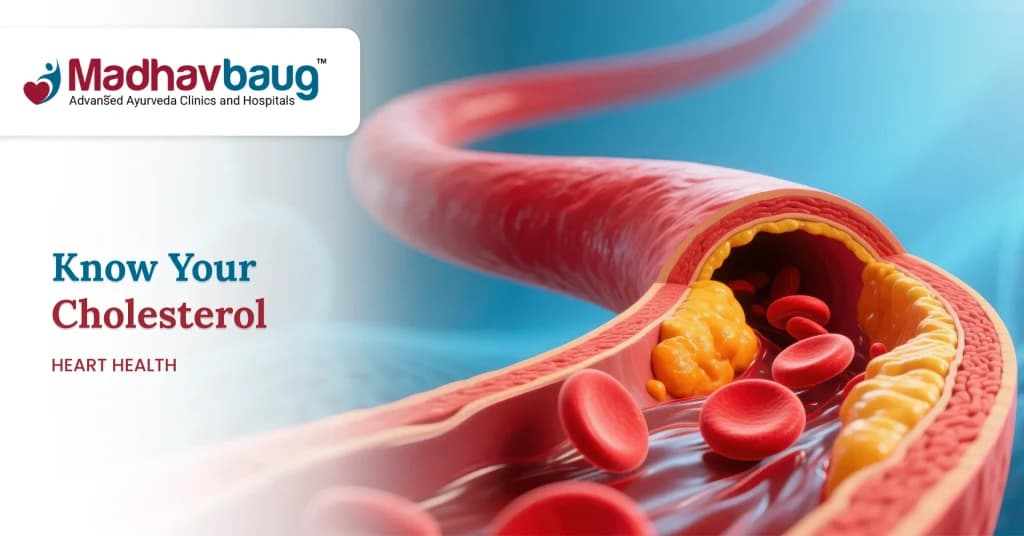
- Promotes arterial plaque
On weight:
Sugar provides calories with no fibre, protein, or lasting satiety. Fructose, found in table sugar and most processed foods, is converted to fat in the liver when consumed in excess. That fat tends to go straight to visceral storage around the organs, which is the metabolically dangerous kind. High sugar intake also disrupts leptin, the hormone that signals fullness, which leads to persistent overeating that feels like a willpower problem but is actually hormonal.
Regular consumption of sugary drinks is one of the most consistent predictors of obesity and type 2 diabetes in population research. The effects of sugar on heart health and weight are not separate issues. They are the same issue showing up in different places.
What to do:
- Cut sugary drinks
- Choose whole fruit over juice
- Read labels, avoid products where added sugar appears in the first few ingredients
What Excess Salt Does to Blood Pressure and the Heart
The connection between salt and high blood pressure is one of the most thoroughly established relationships in nutrition science. Most people still consume well above what the body needs.
The WHO recommends less than 5 grams of sodium per day, roughly one teaspoon. Average intake across India runs between 8 and 11 grams daily, nearly double that. The excess does not mostly come from home cooking. It comes from processed foods, restaurant meals, preserved products, pickles, papads, and condiments consumed without much thought.
What excess salt does:
- Raises BP directly
- Promotes fluid retention
- Increases heart workload
- Independent cardiac risk
Excess salt side effects extend beyond blood pressure alone. High sodium intake is independently associated with cardiovascular risk even in people whose blood pressure appears controlled, which makes it worth addressing regardless of where your numbers currently sit.
What to do:
- Cook from fresh ingredients where possible
- Build flavour with spices, citrus, and herbs instead of salt
- Taste before seasoning
- Audit packaged products for hidden sodium
What Oil Does to Cholesterol and Heart Disease Risk
The type of fat you consume matters as much as the quantity, sometimes more.
Oils high in saturated and trans fats raise LDL cholesterol and promote arterial plaque formation over time. Reusing oil or cooking at very high temperatures produces harmful compounds that damage blood vessel walls directly. Oil consumption and heart disease are linked most strongly through these two routes: the wrong type of fat and the wrong cooking practice.
On cholesterol:
- Raises LDL
- Promotes plaque
- Damaged oils worsen risk
- Trans fats lower HDL
Less processed oils like mustard, sesame, and cold-pressed coconut retain more of their natural nutrients and are generally considered healthier options for regular cooking. Partially hydrogenated vegetable oil, found in vanaspati and most commercial fried and baked goods, carries the highest trans fat risk and is worth avoiding entirely.
What to do:
- Measure oil, never free pour
- Never reheat used oil
- Choose cold-pressed options
- Steam, bake, or grill over deep frying
- Get healthy fats from nuts, seeds, and fatty fish
The Bigger Picture
Sugar, salt, and oil are not the enemy. Excess is. And excess across all three simultaneously, which is exactly what most processed and restaurant food delivers, is what drives the compounding metabolic damage that ends up as heart disease, hypertension, and obesity over time.
The sugar salt oil health risks are not dramatic in the short term. That is what makes them easy to ignore until they are not.
Small consistent changes to daily intake produce measurable improvements in blood pressure, cholesterol, weight, and cardiovascular risk over months. Not dramatic restriction. Just getting the quantities closer to what the body can actually handle.
How Madhavbaug Can Help
Knowing what to reduce is step one. Understanding what your specific numbers look like right now, and what dietary changes will move them most efficiently, is where clinical guidance makes the difference.
At Madhavbaug, dietary assessment is part of every consultation. Our team of Ayurvedic physicians, cardiologists, and nutrition specialists work together to build a plan around your actual health profile, not a generic recommendation.
Book your consultation at madhavbaug.org.
Frequently Asked Questions
1. Do salt and sugar cause high blood pressure?
Excess salt can raise blood pressure directly, while too much sugar may contribute through weight gain and poor heart health.
2. What is the average blood pressure for a 70-year-old?
For most older adults, a reading close to 120/80 mmHg is considered healthy, though targets may vary between individuals.
3. Which three foods do cardiologists advise not to consume?
Doctors commonly advise limiting processed foods, sugary drinks, and foods high in trans fats or excess salt.
4. What is the silent killer of blood pressure?
High blood pressure is often called the “silent killer” because it may not cause symptoms until serious damage has occurred.
5. Can cutting down on sugar, salt, and oil improve my heart health?
Yes. Even small, consistent reductions in all three can lower blood pressure, reduce arterial inflammation, and improve cholesterol levels
References:
- WHO. Sodium Reduction — Fact Sheet. World Health Organization, February 2025.
- Zafar, T.A., Alkazemi, D.U., Muthafar, H., Alanzi, H. and Sidhu, J.S., 2025. Sugar-sweetened beverage consumption and associated health risks awareness among university students in Kuwait: a cross-sectional study. Nutrients, 17(10), p.1646. https://www.mdpi.com/2072-6643/17/10/1646
- Perna, M. and Hewlings, S. (2022) ‘Saturated Fatty Acid Chain Length and Risk of Cardiovascular Disease: A Systematic Review’, Nutrients, 15(1), p. 30. https://www.ncbi.nlm.nih.gov/pmc/articles/PMC9823926/


 Locate a Centre
