
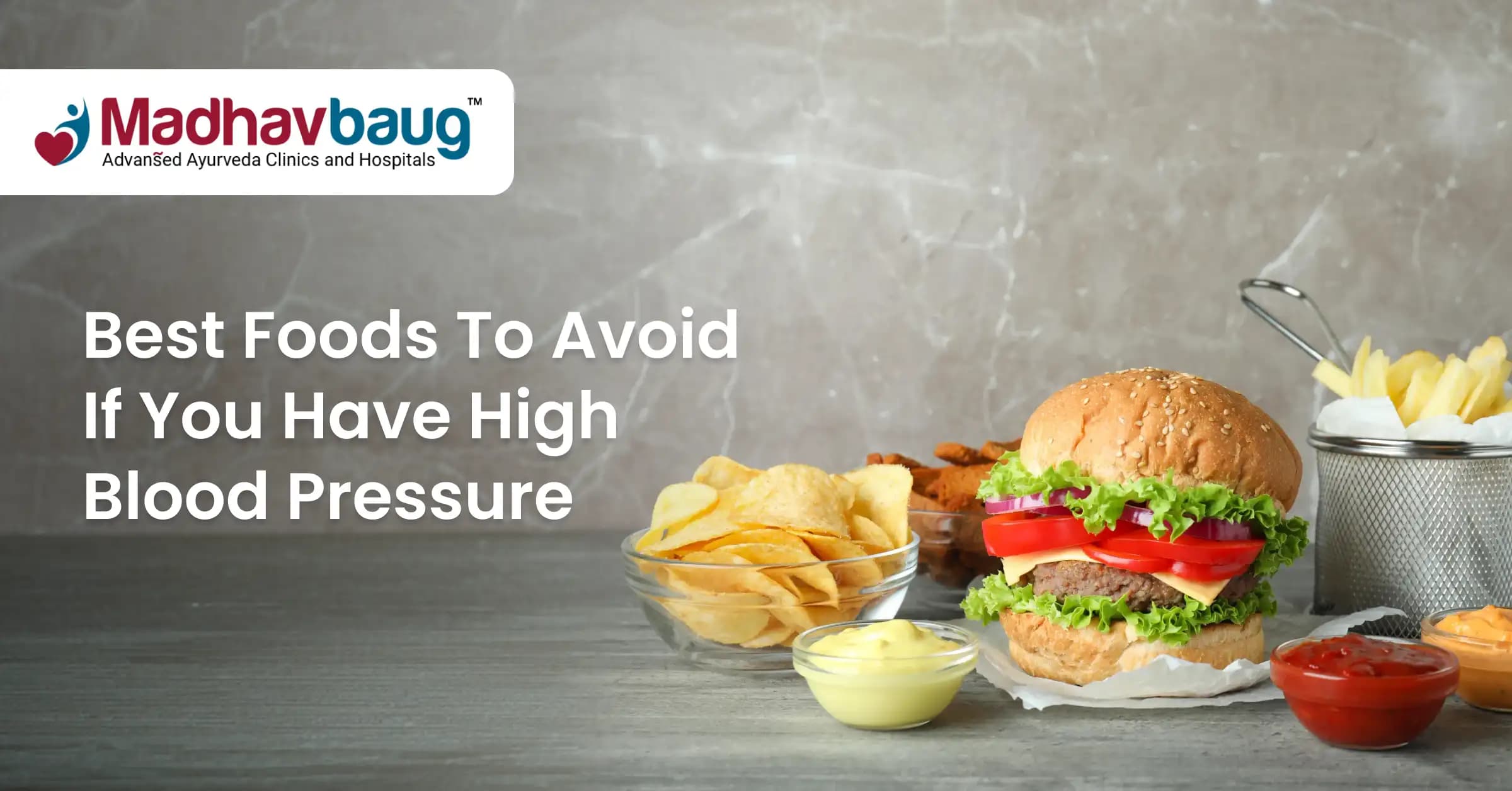

High blood pressure, or hypertension, does not always announce itself. Many people live with it for years without any noticeable symptoms, yet all the while it is quietly putting strain on the heart, arteries, and kidneys. One of the most direct ways to get it under control is through what you eat, and more importantly, what you stop eating.
This is not about making your diet boring and inedible. You can choose foods that protect your heart health over time.
Why Diet Matters So Much in Hypertension
The food you eat every day either helps your blood vessels relax or forces them to work harder. Foods high in sodium, unhealthy fats, and added sugars all increase blood pressure. On the other hand, a diet that follows DASH (Dietary Approaches to Stop Hypertension) principles, rich in potassium, magnesium, fibre, and lean protein, does the opposite.
The problem is that many foods that raise blood pressure are everyday staples, especially in Indian households, and they often go unnoticed.
Foods That Increase Blood Pressure: The Ones to Watch
1. Table Salt and High-Sodium Foods
Sodium is the most well-known trigger for hypertension. It holds excess water in the body, which increases the amount of blood moving through your vessels, which in turn pushes pressure up.
The recommended limit for most adults is around 2,300 mg of sodium per day. Many Indians consume a lot more than this limit, without even realising it.
High-sodium foods to cut back on:
- Pickles and papads
- Packaged namkeen and chips
- Processed meats like sausages and salami
- Canned soups and sauces
- Instant noodles and ready-to-eat meals
- Restaurant food, especially fast food
Even foods that may seem healthy like cottage cheese, buttermilk, and certain breads can be surprisingly high in sodium. Always read labels.
2. Red Meat and Fatty Cuts
Fatty meats are high in saturated fats, which raise bad cholesterol. This contributes to the narrowing and stiffening of arteries, making it harder for blood to flow and increasing the blood pressure. Organ meats, red meat consumed in excess, and processed meats like bacon and sausage all fall into this category.
This does not mean you need to give up meat entirely, but moderation and leaner choices matter.
3. Full-Fat Dairy
Full-fat milk, cream, butter, and ghee (when used in excess) contain saturated fats that can worsen heart health over time. A healthy change to low-fat or skimmed dairy products, and limiting cream-heavy products, can make a real difference.
4. Alcohol
Alcohol raises blood pressure directly, even in small amounts. Taking alcohol every day can also interfere with medications for hypertension and add empty calories that contribute to weight gain, another risk factor for high blood pressure.
5. Caffeine
For people who are sensitive to it, caffeine can cause a short but noticeable spike in blood pressure. If you notice palpitations or feel your heart racing after chai or coffee, it may be worth reducing their intake and monitoring your readings.
6. Refined Carbohydrates and Added Sugars
White bread, maida-based foods, sweets, and sugary drinks contribute to insulin resistance and weight gain, both of which are strongly linked to hypertension. Sugar also promotes inflammation in blood vessels, making them less flexible and more resistant to blood flow.
High-sugar foods to limit:
- Mithai and traditional sweets
- Packaged biscuits and cakes
- Sweetened beverages and fruit juices
- White rice consumed in large quantities
7. Frozen and Canned Foods
Most frozen meals, canned vegetables (with salt), and ready-to-cook products are packaged heavily with sodium. Even when the food itself is nutritious, the sodium content can undo the benefit.
8. Condiments and Sauces
Ketchup, soy sauce, chutney with added salt, and pickled condiments are sources of high sodium. Just a tablespoon or two can contain several hundred milligrams of sodium. These are easy to overlook because they are consumed in small amounts, but they add up quickly.
“In Ayurveda, hypertension is considered a Vata-Pitta imbalance that disturbs the natural flow of Prana through the body. What we eat either aggravates or pacifies these doshas. Foods that are overly salty, sour, pungent, or stimulating are known to disturb this balance and must be consumed mindfully.” – Dr. Vikram Chauhan, M.D. (Ayurveda), Planet Ayurveda
Managing Hypertension Starts With Your Diet: Get Help That Lasts
If you have been diagnosed with high blood pressure or are at risk, a personalised approach is far more effective than generic advice. Madhavbaug Advanced Ayurveda Clinics and Hospitals specialise in managing cardiovascular conditions, including hypertension, through a combination of classical Ayurvedic treatments, dietary counselling, and lifestyle corrections. Their approach treats the root cause, not just the numbers on the monitor.
Book a consultation at Madhavbaug today.
What the DASH Diet Actually Recommends
The DASH diet is one of the most well-researched dietary approaches for blood pressure control. It does not eliminate any food group but strongly emphasises:
- Fruits and vegetables high in potassium and magnesium
- Whole grains instead of carbs
- Lean proteins like legumes, fish, and low-fat poultry
- Low-fat dairy
- Nuts and seeds in moderation
- Drastically reduced sodium, saturated fat, and added sugar
It is worth noting that traditional Indian cooking, when not over-salted or deep-fried, naturally aligns with many DASH diet principles.
What Ayurveda Says About Hypertension and Diet
Ayurveda identifies hypertension as a condition called Rakta Gata Vata, where aggravated Vata disturbs the flow of blood (Rakta) and creates excess pressure in the channels. Pitta imbalance adds heat and inflammation to this picture. Together, they strain the heart and blood vessels.
From an Ayurvedic standpoint, hypertension is not just a physical problem. It is closely connected to stress, poor digestion, and dietary excess.
Ayurvedic Dietary Principles for Hypertension Include:
- Avoiding foods that aggravate Vata and Pitta (excessive salt, sour, spicy, and oily foods)
- Including naturally cooling and calming foods like amla, pomegranate, cucumber, and coconut water
- Using medicated herbs like Arjuna (Terminalia arjuna), Ashwagandha, Brahmi, and Sarpagandha, which have been used for centuries to support cardiac function and reduce stress
- Starting the day with warm water and fenugreek seeds, known to support blood flow.
- Practising regular Pranayama (breathing exercises) as part of the overall protocol
Ayurvedic treatments like Shirodhara and Abhyanga (medicated oil massage) are also used to calm the nervous system, reduce cortisol, and bring the body back to balance.
What Ayurveda Avoids in a Hypertension Diet:
- Excess salt, even rock salt in large quantities
- Deep-fried and heavy-to-digest foods
- Stimulating foods and beverages
- Leftovers and processed food
- Excessive non-vegetarian food, particularly red meat
The Ayurvedic approach recognises that no two people are the same. Treatment is built around your Prakriti (body constitution), current imbalances, lifestyle, and history, making it one of the most personalised approaches to managing blood pressure.
Take Control of Your Blood Pressure the Right Way
Managing hypertension is a long-term commitment, but you do not have to figure it out alone. Madhavbaug Advanced Ayurveda Clinics and Hospitals offer structured, evidence-based Ayurvedic care for heart health, including hypertension management. With personalised diet plans, herbal protocols, and therapeutic treatments, their team helps you safely and sustainably bring your numbers down.
Visit your nearest Madhavbaug centre or book a consultation online today.
Information in this article is for educational purposes. Please consult a qualified healthcare professional before making changes to your diet or treatment plan.
Frequently Asked Questions
What should Ayurveda eat for high blood pressure?
Ayurveda recommends light, easy-to-digest foods high in nutrients: fresh vegetables (carrot, radish, amla, bitter gourd, pumpkin), fruits (black grape, pomegranate, apple), whole grains (wheat, brown rice, quinoa), cold milk, lean proteins, healthy fats (avocado, olive oil), and herbs like turmeric, ashwagandha, brahmi, garlic, and ginger.
What food should be avoided if BP is high?
Avoid excessive salt, processed and packaged foods, fried and fatty foods, red and processed meats, sugary drinks, caffeine, alcohol, pickles, chips, fast food, and salty snacks. These contribute to inflammation and increase blood pressure.
What foods should I eat if I have high blood pressure?
Eat vegetables (especially carrot, radish, amla, bitter gourd, and pumpkin), fresh fruits (black grape, pomegranate, apple, and pineapple), whole grains (wheat, brown rice, and quinoa), cold milk, lean proteins (fish and poultry), healthy fats (avocado and olive oil), and spices like turmeric, cumin, and ginger.
What are the 10 worst foods for high blood pressure?
- Processed/packaged foods
- Excess salt/sodium
- Fried foods
- Fatty foods
- Red meat
- Processed meats (sausages, bacon)
- Sugary foods and drinks
- Chips and salty snacks
- Excess caffeine
- Alcohol.
What is the main enemy of high blood pressure?
Excess sodium (salt) is the main enemy. It causes water retention, increases blood volume, and forces the heart to work harder, raising BP. Processed foods, excessive salt intake, and high-sodium foods are the biggest culprits




 Locate a Centre
