
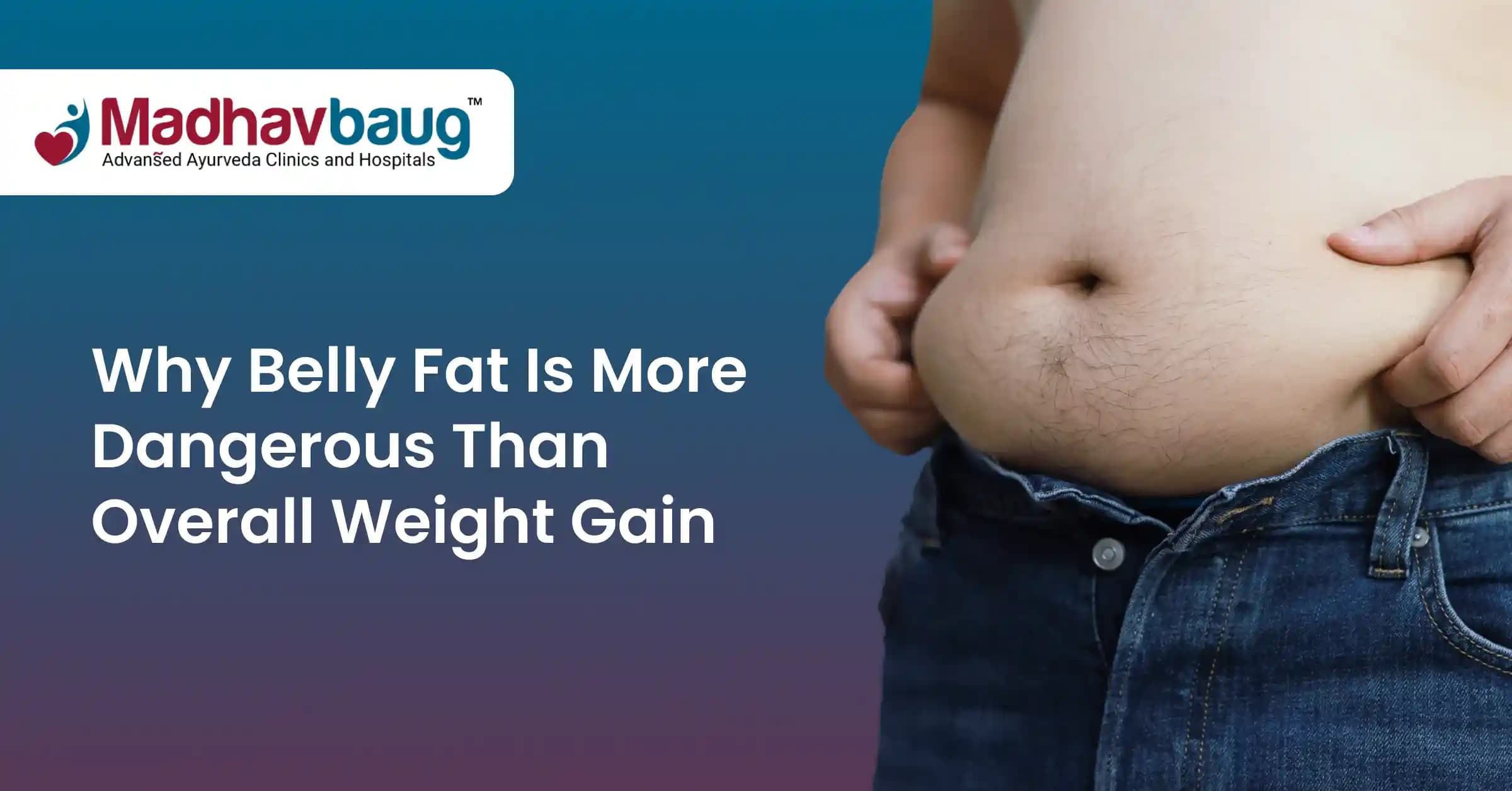
When most people think about weight and health risk, the first thing they check is the number on the scale. Reasonable instinct. But it is not the whole picture. Research has been saying for years that where fat is stored matters just as much as how much you are carrying. Sometimes more.
The short answer to belly fat vs body fat is this: belly fat is more dangerous for heart health, even when total body weight looks completely normal. Here is what is actually going on.
Two Types of Fat, Very Different Problems
Not all fat behaves the same way inside the body. The subcutaneous vs visceral fat distinction is the most important thing to understand here.
Subcutaneous fat: This is the fat sitting just under the skin. You can pinch it. It tends to collect around the hips, thighs, arms, and buttocks. Excess subcutaneous fat contributes to overall obesity, but it is relatively metabolically quiet and poses a lower direct threat to the heart.
Visceral fat: This is stored deep inside the abdominal cavity, wrapped around the liver, pancreas, intestines, and kidneys. It is what creates a protruding belly. And unlike subcutaneous fat, it is metabolically active in ways that are directly harmful to the cardiovascular system.
That difference is everything.
Why Belly Fat Is Dangerous for the Heart
Visceral fat does not just sit there. It functions almost like an organ, releasing hormones, inflammatory chemicals, and fatty acids directly into the portal circulation that feeds the liver. The downstream effects are significant.
Chronic inflammation:
- Visceral fat produces inflammatory cytokines
- These damage the inner lining of blood vessels
- Arterial inflammation accelerates atherosclerosis
- This is the primary reason visceral fat and heart disease are so tightly linked
Insulin resistance:
- Free fatty acids from visceral fat interfere with insulin signalling
- Blood sugar rises
- Full insulin resistance develops over time
- Insulin resistance itself is an independent cardiovascular risk factor
Cholesterol disruption:
- Abdominal obesity raises LDL and triglycerides
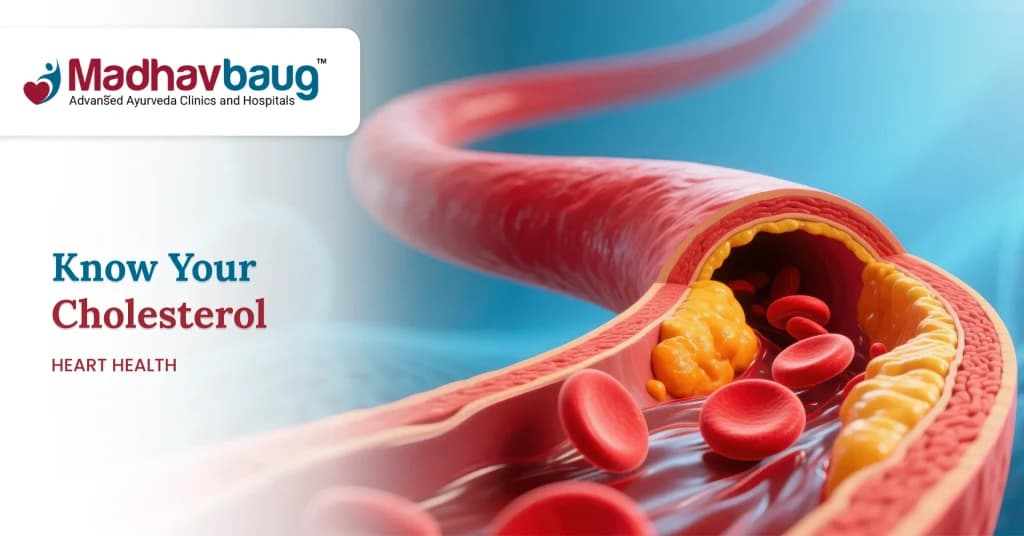
- Belly fat and cholesterol are directly connected because visceral fat drives the liver to overproduce harmful blood fats
- HDL drops simultaneously, removing its protective effect
Blood pressure:
- Visceral fat releases hormones that promote sodium retention
- Arteries constrict
- Hypertension follows as one of the most consistent consequences of abdominal obesity risk
The Belly Fat and Cholesterol Connection
The liver sits at the centre of cholesterol metabolism. Visceral fat sits directly around it. When visceral fat releases excess free fatty acids into the portal vein, the liver responds by producing more VLDL particles, which convert to LDL in the bloodstream.
The result is a consistently harmful lipid profile:
- Higher total LDL
- Higher triglycerides
- More small dense LDL particles, the kind most damaging to arteries
- Lower HDL
This is why belly fat and cholesterol levels track so closely in clinical testing. Reduce abdominal fat and the lipid profile improves in most cases. The two are not separate problems.
Belly Fat vs Body Fat: A Quick Summary
| Factor | Subcutaneous Fat | Visceral Fat |
| Location | Under the skin | Around internal organs |
| Visibility | Pinchable, external | Abdominal protrusion |
| Metabolic activity | Low | High and harmful |
| Heart disease risk | Moderate | High |
| Diabetes risk | Lower | High |
| Responds to exercise | Yes | Yes, preferentially |
| Detected by BMI | Partially | Poorly |
| Best measured by | BMI, skinfold | Waist circumference |
How Madhavbaug Can Help
At Madhavbaug, abdominal obesity is treated as the cardiovascular risk factor it is. Our integrated team of Ayurvedic physicians, cardiologists, and metabolic specialists assess not just weight but where fat is being stored and what it is doing to your heart, blood sugar, and cholesterol levels.
Treatment is personalised. It combines Ayurvedic detox protocols, herbal formulations, dietary counselling, and modern metabolic science to address the root cause rather than just the number on the scale.
If your waist measurement concerns you more than your weight, that instinct is worth acting on.
Book your consultation at madhavbaug.org.
Frequently Asked Questions
- Is belly fat more dangerous than overall body weight?
Yes, visceral belly fat is more harmful as it increases inflammation, cholesterol issues, and heart disease risk. - Why does belly fat increase the risk of heart disease?
It releases inflammatory chemicals and fatty acids that damage arteries and disrupt metabolism. - Can you have heart disease risk even with normal weight?
Yes, normal-weight individuals with high belly fat can still have a high risk of heart disease. - How can you measure dangerous belly fat?
Waist circumference is a simple and effective way to assess abdominal fat risk. - Does losing belly fat improve heart health?
Yes, reducing visceral fat improves cholesterol, blood pressure, and overall cardiovascular health. - How to reduce belly fat to lower heart disease risk?
A combination of a healthy diet, regular exercise, quality sleep, and stress control helps reduce belly fat effectively.



 Locate a Centre
