
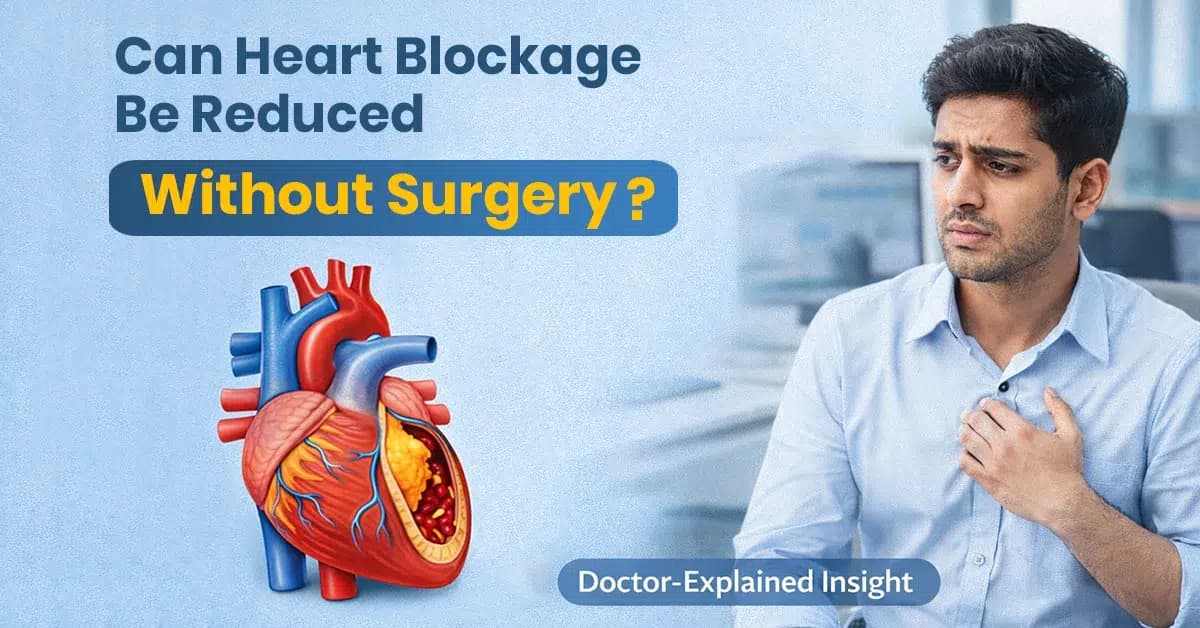
Heart disease remains one of the leading causes of death worldwide, and coronary artery blockage is one of its most common forms. When patients hear they have plaque buildup in their arteries, the immediate fear is that surgery or angioplasty will be necessary.
However, modern cardiology has revealed that coronary artery disease is far more complex than simply “blocked pipes.” The condition involves inflammation, metabolic imbalance, endothelial dysfunction, and impaired blood circulation within both large and small vessels.
Because of this, doctors now understand that improving overall vascular health can sometimes improve blood flow to the heart—even without invasive procedures.
For many patients with stable coronary artery disease, comprehensive medical management, lifestyle correction, and structured heart blockage treatment without surgery may help stabilize plaque and improve circulation.
In this article, we will explore whether heart blockage be reduced without surgery, how non-invasive approaches work, and what patients should realistically expect from such treatment strategies.
What is Heart Blockage and Can Heart Blockage Be Reduced Without Surgery?
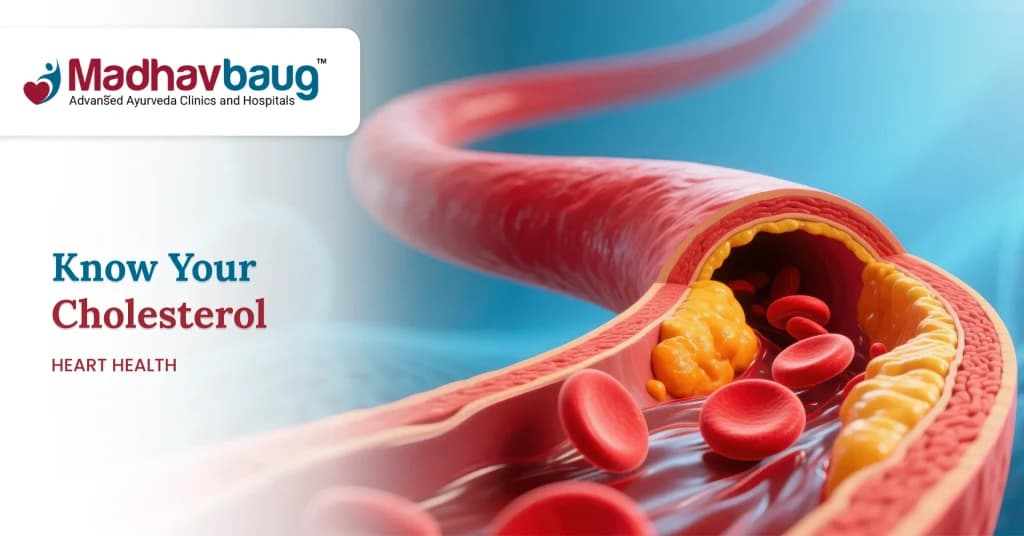
Heart blockage refers to the narrowing of coronary arteries due to plaque buildup. Plaque is composed of cholesterol, fats, calcium, inflammatory cells, and other substances that accumulate inside artery walls.
Over time, plaque reduces the diameter of arteries and restricts blood flow to the heart muscle. This condition is medically known as coronary artery disease (CAD).
However, the degree of narrowing alone does not always determine how well blood reaches the heart.
Doctors now use physiological measures such as:
-
Fractional Flow Reserve (FFR) – measures pressure differences across a blockage
-
Coronary Flow Reserve (CFR) – measures the ability of arteries to increase blood flow
-
Myocardial Blood Flow (MBF) – evaluates circulation to the heart muscle
Interestingly, even modest improvements in vessel diameter or endothelial function can significantly improve blood flow because circulation depends heavily on arterial radius and vascular flexibility.
This explains why, in some cases, improving vascular health can enhance circulation without immediately resorting to surgical intervention.
Why Understanding If Heart Blockage Can Be Reduced Without Surgery is Important
Many patients assume that any blockage automatically requires angioplasty or bypass surgery. While these procedures are lifesaving in emergency situations, not every case requires immediate intervention.
Understanding the possibility of heart blockage treatment without surgery is important because:
1. Not All Blockages Cause Immediate Risk
Some plaques are stable and do not significantly restrict blood flow.
2. Lifestyle Factors Drive Disease Progression
Inflammation, obesity, diabetes, stress, and metabolic imbalance contribute significantly to plaque formation.
3. Plaque Stability Matters
Research shows that stabilizing plaques and reducing inflammation may reduce the risk of heart attacks.
4. Early Intervention Can Slow Disease
Lifestyle modification and medical therapy can improve vascular health before blockages become critical.
This is why many cardiologists now emphasize comprehensive disease management rather than only mechanical solutions.
Key Factors That Influence Heart Blockage Reduction
Reducing or stabilizing heart blockage involves addressing several underlying factors.
1. Inflammation Control
Chronic inflammation contributes to plaque buildup and instability.
2. Lipid Metabolism
Managing cholesterol levels helps reduce plaque progression.
3. Endothelial Function
Healthy blood vessel lining improves circulation and flexibility.
4. Microcirculation
Small blood vessels also play a critical role in oxygen delivery.
5. Metabolic Health
Conditions such as diabetes, insulin resistance, and obesity accelerate coronary artery disease.
Table: Key Drivers of Coronary Artery Disease
| Risk Factor | Impact on Heart |
|---|---|
| High cholesterol | Plaque formation |
| Inflammation | Artery wall damage |
| Diabetes | Accelerates plaque buildup |
| Sedentary lifestyle | Reduces vascular health |
| Chronic stress | Raises blood pressure and inflammation |
| Poor diet | Worsens metabolic imbalance |
Addressing these factors forms the foundation of non-invasive cardiac care strategies.
How Heart Blockage Reduction Without Surgery Works
Non-surgical management focuses on improving vascular health and circulation through a comprehensive approach.
1. Lifestyle Therapy
Lifestyle changes are one of the most powerful interventions.
These include:
-
Regular physical activity
-
Weight management
-
Smoking cessation
-
Stress management
-
Balanced diet
Exercise improves endothelial function and enhances circulation.
2. Medical Therapy
Doctors often prescribe medications to manage:
-
Cholesterol
-
Blood pressure
-
Platelet aggregation
-
Inflammation
Studies such as the COURAGE trial demonstrated that optimal medical therapy can be highly effective in stable coronary artery disease.
3. Metabolic Correction Programs
Structured programs that address metabolic health aim to:
-
Improve insulin sensitivity
-
Reduce systemic inflammation
-
Enhance vascular function
Programs like the Madhavbaug Intensive Reversal Program (IRP) combine lifestyle correction with metabolic therapy.
Clinical observations have reported improvements in plaque stability and physiological parameters such as FFR in some patients.
4. Integrative Therapies
Some patients explore ayurvedic treatment for heart blockage as part of an integrative care plan.
These approaches typically focus on:
-
Detoxification therapies
-
Herbal formulations
-
Circulation support
-
Metabolic balance
-
Stress reduction
While research is ongoing, integrative approaches aim to support vascular health alongside conventional care.
Common Problems and Mistakes Patients Make
Patients diagnosed with heart blockage often make several mistakes that may worsen their condition.
Ignoring Lifestyle Factors
Medication alone cannot correct poor diet and sedentary habits.
Relying on Quick Fixes
No therapy can reverse years of arterial damage instantly.
Delaying Medical Evaluation
Some patients avoid treatment out of fear of surgery.
Self-Medication
Unverified supplements or herbal remedies can sometimes interact with prescribed medicines.
Misinterpreting Test Results
A percentage blockage does not always indicate immediate risk.
Proper medical evaluation is essential before choosing any treatment path.
Expert Tips to Improve Heart Health Without Surgery
If you are exploring heart blockage treatment without surgery, these evidence-based practices can support heart health.
Maintain a Heart-Healthy Diet
Focus on:
-
Whole grains
-
Vegetables
-
Fruits
-
Healthy fats
-
Lean protein
Avoid processed foods and trans fats.
Exercise Regularly
At least 150 minutes of moderate activity per week is recommended by the American Heart Association.
Manage Stress
Chronic stress raises cortisol levels and increases cardiovascular risk.
Effective methods include:
-
Yoga
-
Meditation
-
Breathing exercises
Monitor Health Parameters
Regular checkups should include:
-
Lipid profile
-
Blood sugar
-
Blood pressure
-
Weight and waist circumference
Follow Doctor-Guided Therapy
Treatment plans should always be supervised by a qualified physician.
FAQs About Reducing Heart Blockage Without Surgery
1. Can heart blockage really be reduced without surgery?
In some stable cases, lifestyle changes and medical therapy can improve circulation and stabilize plaque. However, severe blockages may still require intervention.
2. Is angioplasty always necessary for heart blockage?
No. Angioplasty is typically recommended when blockages significantly restrict blood flow or cause symptoms.
3. How long does non-surgical treatment take to show results?
Lifestyle and metabolic improvements may take several months to influence vascular health.
4. Are natural therapies helpful for heart blockage?
Some patients explore ayurvedic treatment for heart blockage alongside conventional care, but these should always be supervised by healthcare professionals.
5. What is the safest approach to managing heart blockage?
The safest strategy combines medical guidance, lifestyle correction, and regular monitoring.
Conclusion: Can Heart Blockage Be Reduced Without Surgery?
So, can heart blockage be reduced without surgery?
The answer depends on several factors including the severity of blockage, symptoms, and overall cardiovascular health.
For many patients with stable coronary artery disease, improving metabolic health, controlling inflammation, and supporting vascular function can significantly improve circulation.
While emergency cases still require procedures like angioplasty or bypass surgery, many individuals benefit from a comprehensive approach that combines lifestyle changes, medical therapy, and structured heart blockage treatment without surgery.
In some integrative care models, ayurvedic treatment for heart blockage may also play a supportive role in improving metabolic and vascular health.
Ultimately, the best approach is personalized care guided by qualified medical professionals.
Protecting your heart is not about a single treatment—it is about long-term lifestyle and metabolic balance.



 Locate a Centre
