

 Add to Preferred Sources
Key Takeaways
|
The insulin plant is often used in Indian homes by people looking for natural ways to manage diabetes. Some believe that chewing two leaves every day can help lower blood sugar. But does the plant really help, and is it safe to use if you have diabetes?
Let’s look at what research says about the insulin plant, how it is traditionally used and what you should know before adding it to your diabetes care routine.
Using herbs along with diabetes medicines? Speak to a doctor first.
What Is the Insulin Plant?
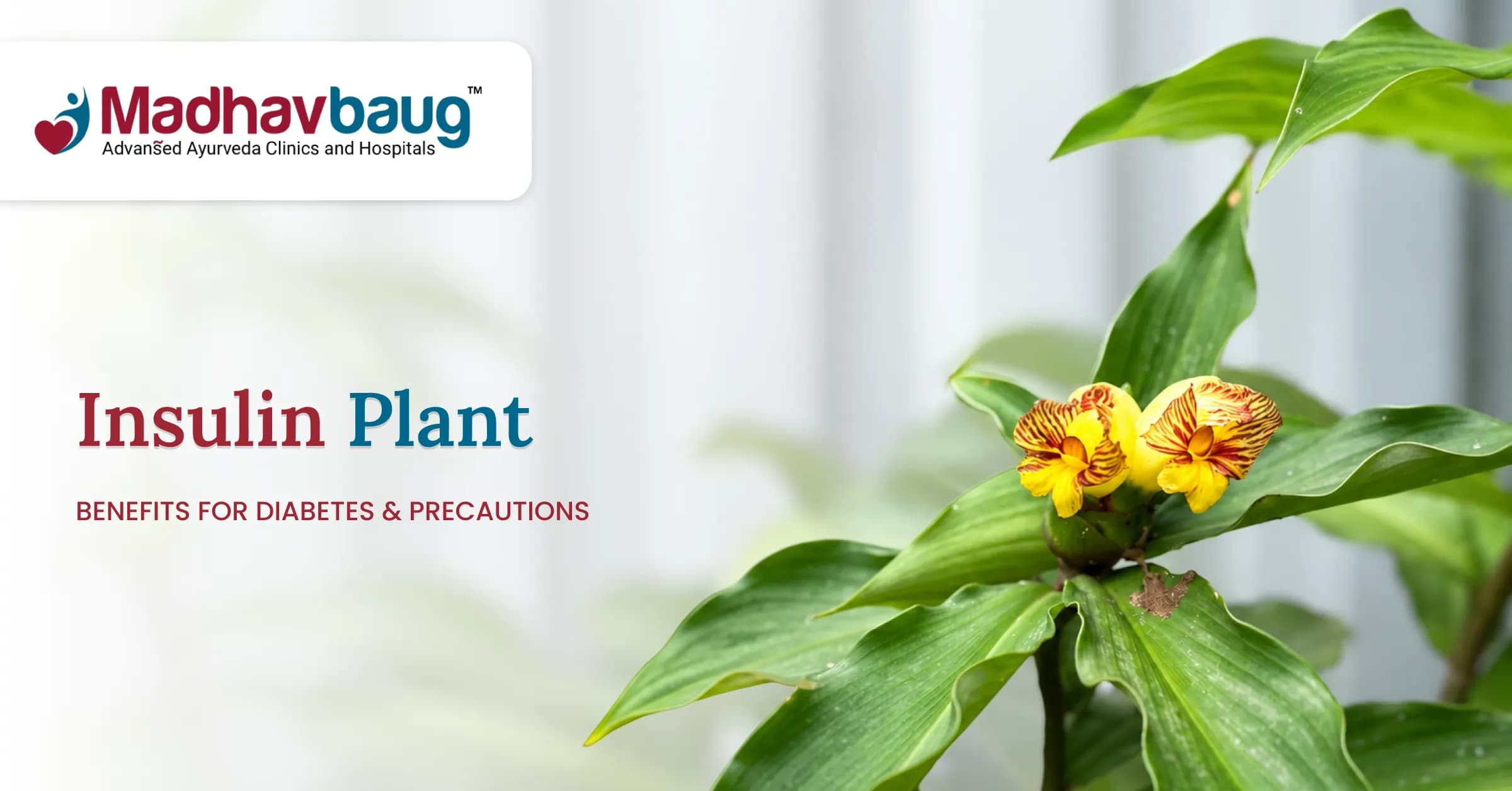
The insulin plant is a tall, leafy plant with spiral stems and bright orange flowers. Other common names are spiral flag, fiery costus and, in some regions, keukand or kebuk. Scientists list it as Costus igneus, and some papers use Costus pictus for the same plant. It belongs to the ginger relatives (family Costaceae).
Two points often cause confusion:
| It is not insulin. The leaves do not contain insulin, and chewing them does not replace the hormone. The name comes from folk belief about blood sugar. It is not an ancient Ayurvedic herb. Reviews describe the plant as native to South and Central America and a relatively recent arrival in India, where it is mostly grown as an ornamental plant, especially in the south (Hegde et al., 2014). Classical Ayurvedic texts do not describe it. Plants that are described there, such as Daruharidra, are a different. |
The leaves contain flavonoids such as quercetin, along with protein, vitamin C, beta carotene and iron. The rhizome has diosgenin. These constituents have been investigated for their potential biological and antioxident activites inlaboratory studies however their presence does not establish a proven therapeutic effect in humans
Insulin Plant Benefits for Diabetes
The insulin plant (Costus igneus, also known as Costus pictus) is used in traditional medicine as a home remedy for diabetes. Its leaves have shown blood sugar-lowering effects in some animal studies. Researchers have also reported possible benefits for cholesterol levels. Most of these findings come from experimental research and human clinical evidence remains insufficient to confirm these benefits in people with diabetes
A review by Hegde et al. (2014) examined the available evidence and found important gaps in our understanding of how the plant works.
| Type of study | What researchers found | What the findings tell us |
| Animal studies | Several studies found lower blood sugar in diabetic rats given leaf extracts. Some also reported improved cholesterol levels. | The results are promising but do not confirm the same effects in humans. The extracts and doses used may also differ from eating fresh leaves. |
| Cell studies | One study found no direct effect on glucose uptake by muscle cells. | More research is needed to understand how the plant may affect blood sugar. |
| Human studies | The review described one small study in which people used fresh leaves or leaf powder alongside their existing treatment. | There is not enough evidence to confirm the plant’s benefits because the study lacked a suitable comparison group. |
The insulin plant may have a role in future diabetes research. However, there is currently insufficient human evidence to establish that it lowers blood sugar or HbA1c or prevents diabetes complications. It should not be considered a cure for diabetes.
Hegde et al. (2014) also discussed palmitic acid found in the leaves and raised concerns about long-term use. More research is needed to establish its safety.
If you are considering the insulin plant as part of your diabetes care, speak to your doctor first. Continue your prescribed medicines and monitor your blood sugar regularly.
| Clinical Insight “In my 20 years of clinical experience, I have seen many patients try home remedies to manage diabetes. The insulin plant is one such remedy, but we do not yet have enough human evidence to confirm its benefits. I advise patients to check their blood sugar regularly and speak to their doctor before using any herb alongside diabetes medicines. Never change your prescribed treatment on your own.” Dr. Pravin Jayram Ghadigaonkar, BAMS, MD, PhD (Scholar) – Preventive Cardiology 20+ Years of Clinical Experience, Head Medical Operations & Patient Improvement, Madhavbaug |
How the Insulin Plant Is Used at Home
People who grow it commonly chew a fresh leaf, dry the leaves into a powder or make a tea or decoction. There is no standard or tested dose, and the strength can differ depending on the plant, the soil and how it is prepared. For this reason we do not suggest a quantity. If you still wish to try it, tell your doctor first so your sugar can be monitored.
| Some general safety points for using insulin plant at home Use only leaves that you can identify with certainty. Costus species are similar in appearance, and the plant name differs between regions. Wash leaves well. Garden plants may carry pesticide residue or soil germs. Do not replace any prescribed medicine with the plant. Avoid self medication especially if you are already taking medication to lower blood glucose |
Side Effects and Precautions of the Insulin Plant
The safety of the insulin plant (Costus igneus) has not been well studied in humans. Animal studies offer some information about its toxicity, but the results are not enough to confirm that regular use is safe.
If you have diabetes, the main concern is that the plant may lower your blood sugar further when taken with diabetes medicines. Other possible risks include stomach upset and allergic reactions. Its interactions with medicines and the effects of long-term use are still unclear.
Who Should Take Extra Care Before Consuming Insulin Plant?
The insulin plant may not be safe for everyone. People taking diabetes medicines should consult their doctor before using it due to the possible risk of low blood sugar. Pregnant or breastfeeding women, children and people with kidney or liver disease should avoid self-medication because safety evidence is limited. Tell your doctor if you use the plant before undergoing surgery.
| Who should be careful | Why it matters |
| People taking insulin or sulphonylureas | The combination may increase the risk of low blood sugar. |
| People taking metformin, SGLT2 inhibitors or other diabetes medicines | The effect of combining these medicines with the plant is not known. |
| Pregnant or breastfeeding women | There is not enough evidence to establish its safety. |
| Children | Its safety and appropriate dose have not been established. |
| People with kidney or liver disease | The effects of the plant in these conditions have not been adequately studied. |
| People due to have surgery | Tell your doctor if you use the plant, as keeping blood sugar stable around surgery is important. |
| What Should You Do Before Using It? If you are already taking diabetes medicines, speak to your doctor before adding the insulin plant to your routine. Watch for signs of low blood sugar such as sweating, shaking, sudden hunger or confusion. If you experience these symptoms and follow your prescribed hypoglycaemia management plant sever confusion seizures or unconsciousness require emergency medical assiatance |
Diabetes Care at Madhavbaug
Living with diabetes means keeping your blood sugar under control while making choices that support your health in the long run. At Madhavbaug, diabetes care begins with a doctor-led assessment of your blood sugar levels, medical history, diet and daily routine. Based on your needs, the care plan may include personalised diet advice, exercise guidance and suitable Ayurvedic therapies alongside your prescribed treatment.
“When managing diabetes, I advise patients not to rely on a single remedy for blood sugar control. Even if you use traditional herbs such as the insulin plant, regular monitoring and the right medical guidance are essential. Always discuss herbal remedies with your doctor before adding them to your routine.”
– Dr. Cinni Vijay Pandey, Regional Medical Head, Madhavbaug
If you are exploring traditional remedies such as the insulin plant, discuss them with your doctor before use. Some herbs may interact with diabetes medicines or affect blood sugar levels. Regular monitoring and timely medical advice can help you make informed decisions about your care.
Madhavbaug offers diabetes care for people looking to manage their condition with guidance from a medical team. Learn more about our diabetes care programme or find a Madhavbaug clinic to discuss your needs.
Want guidance on managing your diabetes?
Frequently Asked Questions
Does the insulin plant contain insulin?
No. The name is traditional. It does not contain the hormone insulin.
Does the insulin plant lower blood sugar?
Some animal studies suggest it may. Good human studies are lacking, so we do not know if it works in people.
Is Costus igneus the same as Costus pictus?
Many papers use the two names for the same plant, but regional names vary. Check the plant with an expert before use.
How many insulin plant leaves should I eat a day?
There is no proven dose. Please speak to your doctor before using it.
Can I take the insulin plant with metformin?
Only after speaking to your doctor. It could add to the sugar lowering effect and the effect is not predictable.
Can the insulin plant cure diabetes?
No. There is no evidence that it cures or reverses diabetes.
Are insulin plant leaves safe in pregnancy?
There is no safety information, so it is best avoided in pregnancy and breastfeeding.
Is it an Ayurvedic herb?
It is used in some folk practice, but it comes from the Americas and is not described in classical Ayurvedic texts.
References
Hegde PK, Rao HA, Rao PN. A review on Insulin plant (Costus igneus Nak). Pharmacogn Rev. 2014;8(15):67-72.
American Diabetes Association. Standards of Care in Diabetes, 2025. Diabetes Care. 2025;48(Suppl 1).




 Locate a Centre

