


Obesity is not just a weight problem. It is a metabolic condition that sets off a chain reaction inside the body, quietly raising the risk of two of the most serious chronic diseases in the world: type 2 diabetes and heart disease.
The connections are not incidental. They are biological, deeply interconnected, and driven by the same underlying mechanisms. Understanding how obesity leads to diabetes and heart problems is the first step. Acting on it is what actually changes outcomes.
Concerned about your metabolic health? Madhavbaug’s specialists take a root-cause approach. Book your consultation today.
What Is Type 2 Diabetes?
Type 2 diabetes is a condition where the body stops responding properly to insulin, the hormone that moves glucose from the bloodstream into cells. Blood sugar rises. Over time it damages nerves, blood vessels, kidneys, and eyes. Unlike Type 1, it develops gradually and is strongly shaped by lifestyle and metabolic health.
What Is Heart Disease?
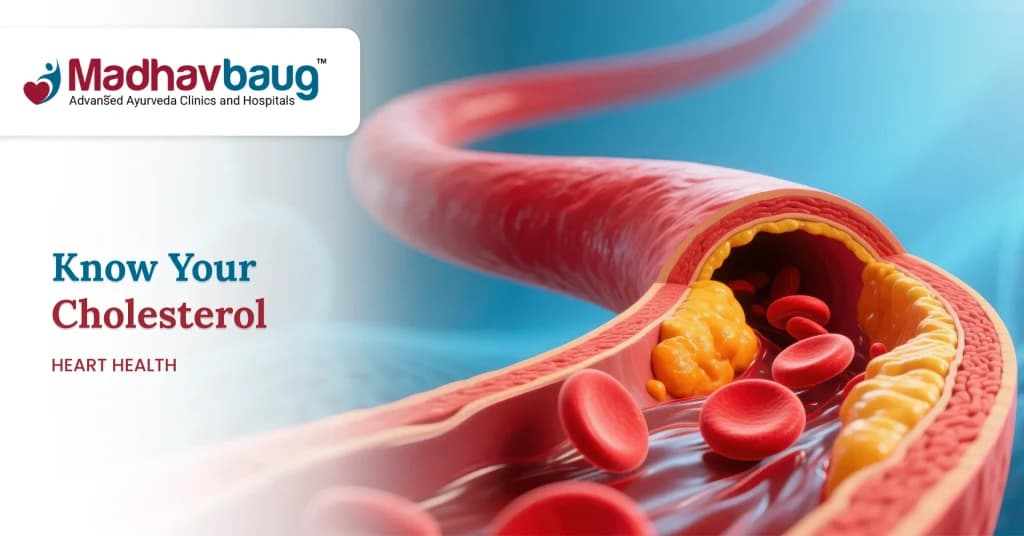
Heart disease is an umbrella term covering several conditions, the most common being coronary artery disease, where plaque builds up inside the arteries and restricts blood flow to the heart. Left unaddressed it leads to heart attack, heart failure, and stroke.
What Is Obesity?
Obesity means excess body fat, particularly visceral fat stored around the organs, that has reached a level where it actively disrupts the body’s metabolic, hormonal, and cardiovascular function. A BMI of 30 or above is the standard classification, but waist circumference often tells more of the story. Above 90 cm in men and 80 cm in women signals significant risk in the Indian population.
How Obesity Increases the Risk of Type 2 Diabetes
The obesity and insulin resistance connection sits at the heart of this. Here is how it works.
Fat-driven inflammation
Adipose tissue in obesity is chronically inflamed. That inflammation directly impairs insulin receptor function throughout the body. Cells stop listening to insulin and blood sugar builds up.
Ectopic fat
In obesity, fat deposits in organs where it does not belong, including the liver and the pancreas itself. This disrupts insulin production at the source.
Hormonal disruption Obesity lowers adiponectin, a hormone that normally improves insulin sensitivity. Less adiponectin means poorer glucose regulation across the whole body.
Free fatty acids
Excess fat tissue floods the bloodstream with free fatty acids, which directly impair insulin signalling in muscle and liver cells.
Gut microbiome changes
Obesity alters gut bacteria in ways that promote inflammation and reduce insulin sensitivity further.
Each of these mechanisms compounds the others. This is why obesity and type 2 diabetes risk are so tightly linked, and why the question of why does obesity increase diabetes risk does not have one answer. It has several, all happening simultaneously.
How Obesity Causes Heart Disease
The pathway from obesity to heart disease runs through multiple systems at once, which is why the effects are so wide-ranging and why belly fat and cardiovascular disease risk track so closely together.
Dyslipidaemia
Obesity consistently produces an unfavourable blood fat profile:
- LDL rises
- Triglycerides climb
- HDL drops
- Small, dense LDL particles increase
That combination creates ideal conditions for atherosclerosis, the gradual narrowing of arteries through plaque buildup.
High blood pressure
Excess body mass forces the heart to pump harder. Fat tissue releases hormones that constrict blood vessels. Obesity disrupts kidney function, leading to sodium retention. Insulin resistance raises pressure independently. Hypertension then accelerates arterial wall damage and plaque formation.
Chronic inflammation
Visceral fat is not passive. It actively produces inflammatory compounds including interleukin-6 and TNF-alpha that circulate through the bloodstream and damage the inner lining of blood vessels. This:
- Initiates and accelerates plaque formation
- Makes existing plaques unstable and prone to rupture
- Promotes clotting, raising sudden heart attack risk
- Damages heart muscle directly over time
Sleep apnoea
Obesity significantly raises the risk of obstructive sleep apnoea, which independently raises blood pressure, disrupts heart rhythm, and adds another route through which obesity causes heart disease.
Structural heart changes
Years of pumping against excess body mass changes the heart itself:
- Left ventricular thickening
- Enlarged chambers
- Reduced pumping efficiency
- Higher heart failure risk even without blocked arteries
The Overlap: Metabolic Syndrome
The relationship between obesity and metabolic syndrome explains how excess weight damages multiple systems simultaneously rather than one at a time.
Metabolic syndrome is diagnosed when three or more of the following are present:
- Abdominal obesity
- High fasting blood sugar or prediabetes
- High triglycerides
- Low HDL cholesterol
- High blood pressure
Obesity drives metabolic syndrome in the vast majority of cases. And metabolic syndrome multiplies risk dramatically. People with it are approximately five times more likely to develop Type 2 diabetes and two to three times more likely to develop heart disease.
Obesity, Diabetes, and Heart Disease: A Summary
| Factor | Effect on Diabetes Risk | Effect on Heart Disease Risk |
| Insulin resistance | Direct cause | Raises blood pressure independently |
| Visceral fat | Impairs insulin signalling | Drives inflammation and dyslipidaemia |
| Chronic inflammation | Damages beta cells | Initiates and accelerates plaque |
| Dyslipidaemia | Worsens insulin resistance | Builds arterial blockage |
| High blood pressure | Compounded by insulin resistance | Primary driver of arterial damage |
| Sleep apnoea | Disrupts glucose regulation | Raises cardiac risk independently |
How Madhavbaug Can Help
At Madhavbaug, obesity, diabetes, and heart disease are treated as interconnected conditions with shared root causes, not separate problems requiring separate prescriptions.
The team works with you to:
- Run full metabolic and cardiac diagnostics: HbA1c, lipid profile, blood pressure, visceral fat assessment
- Identify your specific drivers: insulin resistance, inflammation, hormonal imbalance, or a combination
- Build a personalised plan combining Ayurvedic therapies, dietary correction, and physiotherapy
- Target visceral fat specifically, not just overall body weight
- Monitor progress and adjust treatment as your body responds
Start where you are. Work consistently. The body responds.
Book your consultation at madhavbaug.org today.
Frequently Asked Questions
- How does obesity increase the risk of type 2 diabetes?
Obesity causes insulin resistance, making it harder for cells to absorb glucose and leading to high blood sugar levels. - Why does obesity lead to heart disease?
It raises blood pressure, worsens cholesterol levels, and promotes inflammation that damages arteries. - Can losing weight reduce the risk of diabetes and heart disease?
Yes, even modest weight loss improves insulin sensitivity, blood pressure, and cholesterol levels. - What is metabolic syndrome and how is it linked to obesity?
It is a cluster of conditions driven by obesity that significantly increases diabetes and heart disease risk. - Is belly fat more dangerous than overall body fat?
Yes, visceral belly fat is more harmful as it triggers inflammation and directly increases metabolic and heart risks.




 Locate a Centre
