

Key Takeaways
|
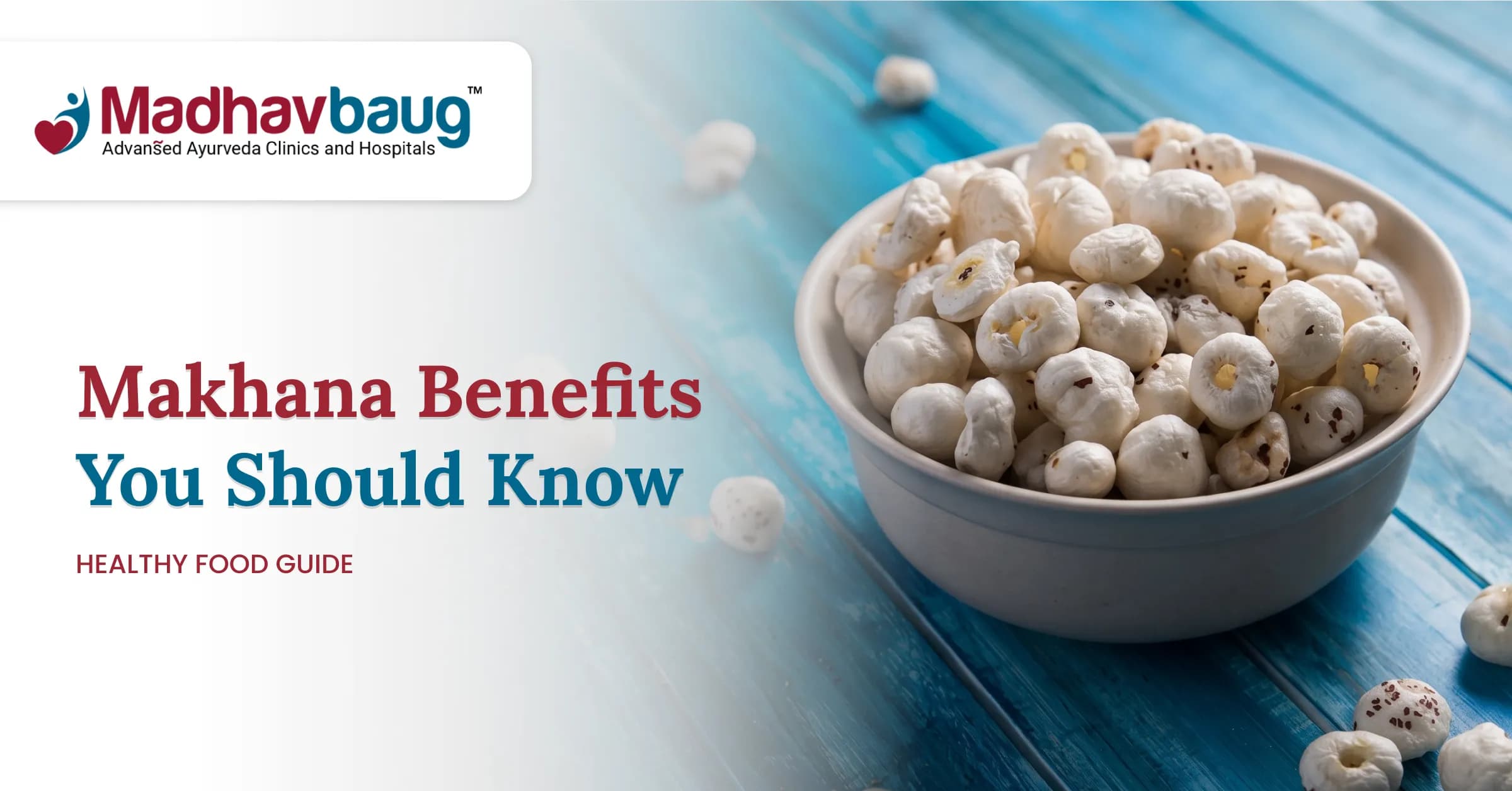
Makhana has become a popular snack in India, especially among people seeking a healthy alternative to chips, namkeen and other processed snacks. Also called fox nuts or phool makhana, it is light, crunchy and can be prepared with very little oil.
Are makhana’s benefits really as great as people often say?
Makhana contains carbohydrates, protein, fibre, minerals and several naturally occurring bioactive compounds. Research has also found antioxidant activity in Euryale ferox and examined the glycaemic index of roasted fox nuts (Jha et al., 2018, Liaquat et al., 2022).
What Is Makhana
Makhana is the popped seed of Euryale ferox, an aquatic plant from the water-lily family. It is mainly grown in India and other parts of Asia.
Makhana contains starch, protein, fibre, minerals, and other beneficial compounds. Studies have explored its nutritional value and possible health benefits. (Jha et al., 2018).
In India, makhana is usually roasted and seasoned as a snack. It is also used in some traditional dishes.
Want to know if makhana is right for your diet?
Makhana Nutrition
Makhana is mainly a source of carbohydrates, but it also contains protein, fibre, minerals, and other nutrients.
Its nutritional value can change depending on the variety, how it is processed, and how it is prepared. Roasting can also affect the properties of makhana (Kapoor et al., 2022).
Therefore, plain roasted makhana is not nutritionally the same as makhana prepared with large amounts of ghee, oil, sugar, or salt.
Phool Makhana Benefits for Everyday Health
1. A healthier alternative to fried snacks
Roasted Makhana can substitute snacks like chips, fried namkeen and other highly processed foods, which is one of the most useful benefits of fox nuts. You can either dry or lightly roast Makhana to give it a crunch without deep frying. However, the preparation is important. Excess ghee, oil, sugar or salt changes the nutritional profile of the snack.
2. Provides protein, fibre and minerals
Makhana contains protein, fibre, minerals, and other nutrients. While it can be a healthy food, it should be part of a balanced diet rather than seen as a cure for any health condition.
A healthy diet should also include vegetables, fruits, pulses, whole grains, nuts, seeds, and good sources of protein.
3. Contains antioxidant compounds
Research has identified antioxidant activity in extracts of Euryale ferox. Laboratory research found that extracts and specific fractions of the seed showed antioxidant activity (Lee, Ju and Kim, 2002).
This is one of the reasons you may find makhana as an interesting functional food. However, the antioxidant activity observed in laboratory research does not mean that eating Makhana can prevent or cure a specific disease.
“Makhana can be a nutritious snack when prepared simply and eaten in the right portion. What matters most is how it fits into your overall diet and health needs.”
– Dr. Priyadarshini Bhalekar, Zonal Medical Head, Madhavbaug
4. Supports weight management
Makhana can be included in a weight-management diet, particularly when it replaces fried or calorie-dense snacks.
But you may note that Makhana does not directly cause weight loss. The quantity you eat still matters. A large serving prepared with substantial amounts of ghee or oil can add considerable calories.
If you are trying to lose weight, think about Makhana only as a replacement for a less nutritious snack. It cannot act as a fat-burning snack. Your overall diet, physical activity, sleep and metabolic health remain more important for sustainable weight management.
5. Makhana and Blood Sugar Management
Makhana can be eaten by people with diabetes, but portion size is important, as makhana contains carbohydrates. Research on roasted fox nuts revealed a lower glycaemic index against some of the reference foods (Liaquat et al., 2022).
This makes Makhana a better alternative to refined or highly processed snacks. You can consume it as a substitute food only. These claims do not mean Makhana can control diabetes or replace prescribed treatment. Your individual blood glucose response, portion size and overall meal composition still matter.
6. Makhana as Part of a Heart-Healthy Diet
Plain or lightly roasted makhana is a beneficial addition to heart-conscious diets, in particular as an alternative to fried and heavily salted snacks.
Makhana contains several nutrients and bioactive compounds (Kapoor et al., 2022). But the evidence for a direct heart-health benefit of eating Makhana in humans is still lacking. Makhana can be included in your diet alongside prescribed treatment, but it should not be used as a substitute if you have high blood pressure, high cholesterol, or heart disease.
Is Makhana Good for Weight Loss?
Makhana can be added to your weight loss diet, but it doesn’t cause weight loss on its own. The biggest benefit is that you’re eating it instead of fried or highly processed snack foods.
For example, lightly roasted Makhana can be a better everyday snack than chips or fried Namkeen. But if you consume in large quantities or add too much ghee, oil or sugar, it can add to the calorie intake. In cases of persistent weight gain, dietary changes should be considered alongside physical activity, sleep, and an assessment of possible metabolic factors.
Can People With Diabetes Eat Makhana?
Yes, people having diabetes can eat makhana in the correct quantity. Makhana contains carbohydrates, so count it within your daily carbohydrate intake. Plain or lightly roasted makhana is usually the better option compared to the sugar-coated or heavily processed ones.
Specifically, research with human subjects has investigated the glycaemic index of roasted fox nuts (Liaquat et al., 2022). However, if you don’t have your blood glucose levels under control, simply changing your snack probably won’t suffice. Continue your prescribed medicines, monitoring and diet plan.
How to Eat Makhana
The simplest preparation is usually the easiest to fit into a balanced diet.
- Dry roast Makhana until crisp.
- Add spices such as cumin, turmeric or black pepper.
- Use a small amount of oil or ghee if required.
- Avoid excessive salt.
- Avoid sugar-coated preparations if you are managing blood glucose or weight.
- Keep the portion moderate.
The same food can therefore have a very different nutritional profile depending on how it is prepared.
| Clinical Insight “Makhana can be included as part of a balanced diet, especially when it replaces highly processed or fried snacks. However, the portion, preparation method and person’s overall health condition should be considered before recommending it as a regular snack.” Dr. Gurudatta Amin, BAMS, MD, PGDEMS 19+ Years of Clinical Experience, CMO, Madhavbaug |
Makhana at Madhavbaug
At Madhavbaug, we don’t believe that any one food is a cure for a chronic disease. The dietary advice is given keeping in mind the person’s health condition. For those with weight, diabetes, blood pressure or other metabolic concerns, food choices are considered along with health history, current medications, lifestyle, physical activity and other relevant clinical factors.
Makhana can be part of the plan, but the right portion and preparation will vary by person. Makhana can be a useful addition to a balanced diet, particularly when it replaces fried or highly processed snacks.
Instead of treating Makhana as a “superfood”, focus on how much you eat, how you prepare it, and what it replaces in your diet.
If you are managing diabetes, obesity, hypertension or another chronic condition, Makhana can be one part of your dietary plan but should not replace medical treatment or personalised clinical advice.
Book a health assessment at your nearest Madhavbaug clinic to understand the dietary and lifestyle changes suited to your health needs.
Want to understand which dietary changes may suit your health condition?
Frequently Asked Questions
What are the main phool makhana benefits?
Makhana provides carbohydrates, protein, fibre, minerals and naturally occurring bioactive compounds. It can also be used as an alternative to fried or highly processed snacks when prepared simply.
Is Makhana good for weight loss?
Makhana can be included in a weight-loss diet when eaten in an appropriate portion and used instead of calorie-dense snacks. It does not directly burn fat or cause weight loss.
Can diabetics eat Makhana?
Yes. People with diabetes can include Makhana in appropriate portions, but it contains carbohydrates and should not be considered a food that automatically controls blood sugar.
Are Makhana and fox nuts the same?
Yes. Makhana, fox nuts and phool makhana are commonly used names for the popped seeds of Euryale ferox.
Is Makhana good for the heart?
Plain roasted Makhana can fit into a heart-conscious diet, particularly when it replaces fried or highly salted snacks. It should not, however, be considered a treatment for heart disease.
What is the healthiest way to eat Makhana?
Dry roasting makhana and seasoning it with herbs and spices is a simple option. Avoid excessive ghee, oil, sugar and salt.
Can I eat Makhana every day?
Makhana can be eaten regularly if it fits your overall diet and health requirements. Keep the portion appropriate and choose simple preparations.
References
Jha, V., Shalini, R., Kumari, A., Jha, P. and Sah, N.K. (2018) ‘Aquacultural, Nutritional and Therapeutic Biology of Delicious Seeds of Euryale ferox Salisb.: A Minireview’, Current Pharmaceutical Biotechnology, 19(7), pp. 545–555.
Kapoor, S., Kaur, A., Kaur, R., Kumar, V. and Choudhary, M. (2022) ‘Euryale ferox, a prominent superfood: Nutritional, pharmaceutical, and its economical importance’, Journal of Food Biochemistry, 46(12), e14435.
Lee, S.E., Ju, E.M. and Kim, J.H. (2002) ‘Antioxidant activity of extracts from Euryale ferox seed’, Experimental and Molecular Medicine, 34(2), pp. 100–106.
Liaquat, M., Pasha, I., Ahsin, M. and Salik, A. et al. (2022) ‘Roasted fox nuts (Euryale ferox L.) contain higher concentration of phenolics, flavonoids, minerals and antioxidants, and exhibit lower Glycemic Index (GI) in human subjects’, Food Production, Processing and Nutrition, 4, Article 2.




 Locate a Centre
