

Hypertension is one of the most common yet underdiagnosed conditions in India. Called the silent killer for good reason: it rarely shows symptoms until serious damage has already occurred. By the time most people find out they have it, it has been quietly working against their heart, kidneys, and brain for years.
Understanding the risk factors for hypertension is the first step toward doing something about it before a crisis forces the issue.
Want to understand your risk and take control early? Explore personalised hypertension care with Madhavbaug today.
What Is Hypertension?
Think of blood pressure as the force your blood exerts against artery walls every time the heart beats. A certain amount of that force is normal and necessary. Too much of it, sustained over months and years, is where the damage starts.
Arteries thicken. Walls stiffen. The heart works harder than it should. Over time that strain quietly raises the risk of heart attack, stroke, and kidney failure, often without a single warning symptom along the way.
Normal sits below 120/80 mmHg. A reading of 140/90 or above on two separate occasions is hypertension. The space between those two numbers is not a safe zone to ignore. It is where early action makes the most difference.
What Are the Risk Factors for Hypertension?
Some factors you cannot change. Others you can. Both matter.
Non-Modifiable Risk Factors
Age
Arteries stiffen and lose elasticity over time. Blood pressure tends to rise with it. Risk increases significantly after 40, and for Indians it often starts earlier than global averages suggest.
Family History
If one or both parents have hypertension, the risk is substantially higher. High blood pressure runs in families and the genetic component is real.
Gender
Men carry higher risk before 64. After menopause, women’s risk rises sharply and can surpass men’s within a decade.
Ethnicity
South Asians are genetically predisposed to developing hypertension at a younger age than Western populations. The same lifestyle factors produce cardiovascular risk earlier.
Modifiable Risk Factors
These are the factors causing hypertension that you can actually do something about.
Excess weight and obesity
Extra weight means the heart works harder to push blood through a larger body. Arterial pressure rises accordingly. Abdominal fat in particular is an independent driver.
High sodium diet
Salt causes the body to retain fluid. More fluid means higher blood volume. Higher blood volume means more pressure on artery walls. It is direct and measurable.
Physical inactivity
Regular exercise keeps the cardiovascular system efficient and blood pressure in check. A sedentary lifestyle does the opposite, weakening the heart and contributing to weight gain over time.
Excess alcohol
Drinking above moderate amounts regularly activates the adrenergic nervous system, pushing blood pressure up. The effect compounds with time.
Chronic stress
Long-term stress keeps hormones like cortisol and adrenaline elevated, both of which spike blood pressure. Stress-driven habits, poor sleep, overeating, inactivity, compound the problem further.
Smoking and tobacco
Tobacco temporarily spikes blood pressure with every use and causes lasting arterial damage over time. It also makes hypertension harder to control even with medication.
Risk Factors From Underlying Medical Conditions
Several conditions raise blood pressure independently of lifestyle:
- Diabetes: high blood sugar damages vessel walls and impairs their ability to regulate pressure
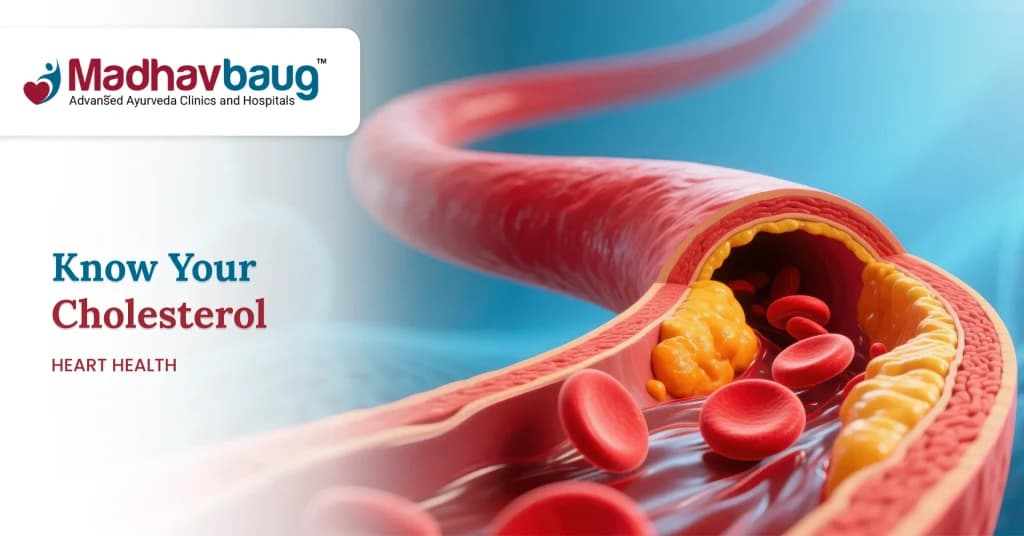
- High cholesterol: arterial plaque narrows vessels and increases resistance
- Kidney disease: the kidneys play a direct role in blood pressure regulation
- Sleep apnoea: interrupted breathing through the night causes repeated pressure spikes
- Certain medications: NSAIDs, decongestants, and some hormonal medications can elevate blood pressure as a side effect
When to Seek Medical Help
Do not wait for a dramatic symptom. Most people with hypertension feel nothing until the damage is already significant.
See a doctor if:
- Readings are consistently above normal
- Frequent headaches or dizziness
- Blurred vision
- Chest discomfort or breathlessness
- Persistent fatigue without explanation
A single blood pressure reading tells you one moment in time. A pattern tells you something worth acting on.
How Madhavbaug Helps
At Madhavbaug, hypertension is not treated as just a number to bring down. It is treated as a signal that something deeper needs addressing.
The team works with you to:
- Identify and treat the root cause, not just manage the reading
- Review and optimise existing medications to reduce dependency over time
- Build a personalised sodium-controlled, heart-friendly meal plan
- Design safe, guided exercise routines that lower blood pressure naturally
- Address stress through breathing protocols and relaxation therapies
- Integrate evidence-based Ayurvedic treatments alongside modern cardiology
Knowing the risk factors for hypertension gives you the power to act before a silent condition becomes a serious crisis. Madhavbaug’s team can help you monitor, manage, and reverse it naturally.
Book your consultation at madhavbaug.org today.
Frequently Asked Questions
- What is the normal blood pressure range for adults?
A normal blood pressure range is usually 120/80 mmHg. - What are the most common reasons for high blood pressure in Indians?
High sodium diets, sedentary lifestyles, chronic stress, obesity, and uncontrolled diabetes are among the most common reasons for high blood pressure in the Indian population. - Can young people get hypertension?
Yes. Rising rates of obesity, stress, poor diet, and physical inactivity mean hypertension is increasingly common in adults under 40 and even in teenagers. Family history also plays a role. - Is hypotension (low blood pressure) also a concern?
Yes. While hypotension (blood pressure below 90/60 mmHg) is less discussed, it can cause dizziness, fainting, and, in serious cases, organ damage. Both extremes of the blood pressure range need monitoring. - Can hypertension be reversed without medication?
Often, lifestyle changes reducing sodium intake, regular exercise, weight loss, stress management can significantly lower blood pressure. Madhavbaug’s integrative approach combines lifestyle therapy with optimised medical management for lasting results.
References:
- Bhatti, A.M., 2025, February. Risk factors of hypertension. In Med. Forum (Vol. 36, No. 2, p. 1).
- Deepshikha, Mathur, P., Monika, Jhawat, V., Shekhar, S., Dutt, R., Garg, V., Arora, S., Sonali and Singh, R.P., 2025. An overview of hypertension: pathophysiology, risk factors, and modern management. Current hypertension reviews, 21(2), pp.64-81.



 Locate a Centre
