


Most people associate inflammation with something visible. A swollen ankle. A sore throat. Something that shows up, does its job, and goes away.
What most people do not know is that a quieter, persistent form of inflammation is happening inside millions of bodies right now, silently damaging organs, disrupting hormones, and fuelling three of India’s most common chronic conditions: obesity, diabetes, and heart disease.
Concerned about your inflammation levels or metabolic health? Book a consultation with Madhavbaug today and begin your journey toward reversal.
What Is Chronic Inflammation and What Causes It?
In its healthy form, inflammation is the immune system doing its job. A cut, an infection, a temporary threat. The body sends inflammatory signals to fight it off, heals, and stands down. That is acute inflammation, short, purposeful, and necessary.
Chronic inflammation is different. It is low-grade, persistent, and invisible. The immune system stays in a constant state of low-level alert, not because of an infection, but because of ongoing lifestyle and metabolic triggers.
Common chronic inflammation causes:
- Refined sugar and trans fats
- Prolonged sitting
- Abdominal fat
- Poor sleep
- Chronic stress
- Smoking and alcohol
Over time, this constant low-grade immune activation damages tissues, disrupts organ function, and lays the groundwork for metabolic disease.
Inflammation and Obesity
The inflammation and obesity link is a vicious loop. Each one fuels and worsens the other.
Here is how the cycle plays out. Excess calorie intake leads to fat accumulation, particularly visceral fat. That visceral fat releases pro-inflammatory chemicals called cytokines. Those cytokines trigger system-wide metabolic inflammation. The inflammation disrupts hunger hormones, making you feel less full. Which leads to more eating, more fat storage, and more inflammation.
This is why obesity is now classified as a chronic inflammatory condition, not just a weight problem. Simply eating less is rarely enough on its own. The inflammatory cycle needs to be addressed at the same time.
Inflammation and Insulin Resistance
The connection between inflammation and insulin resistance is one of the most well-established yet under-discussed links in metabolic medicine.
At a cellular level, inflammatory cytokines interfere with insulin signalling pathways in muscle and liver cells. Cells become less responsive to insulin. The pancreas compensates by producing more. Over time it gets exhausted, blood sugar begins to rise, prediabetes develops, and eventually Type 2 diabetes follows.
Metabolic inflammation causes are deeply intertwined with dietary choices. Managing inflammation is not just a wellness goal. It is a direct strategy for diabetes prevention and management.
Heart Disease and Inflammation
For years, heart disease was thought to be purely about cholesterol and blocked arteries. Cardiologists now recognise that heart disease inflammation plays a central role in how arterial damage begins and progresses.
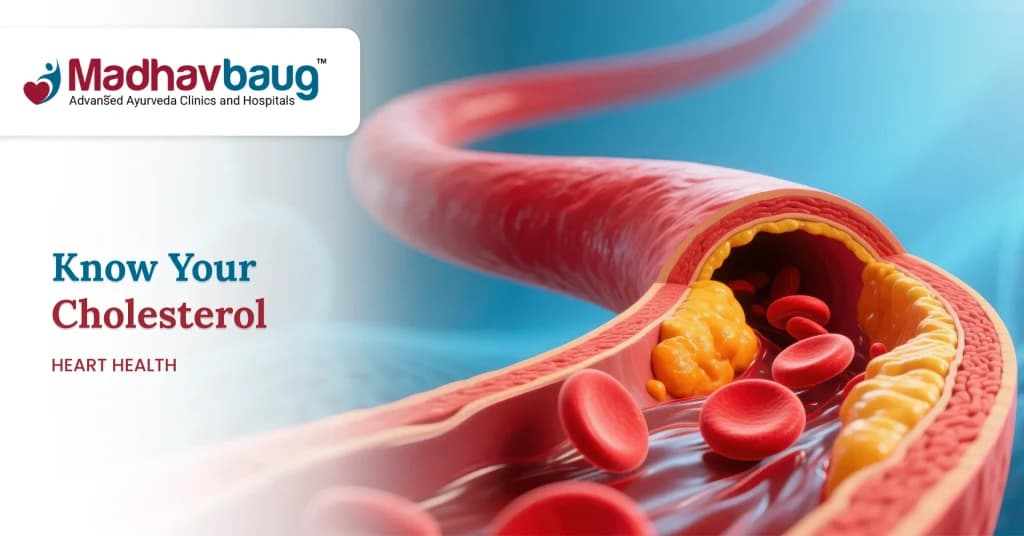
Chronic inflammation damages the inner lining of blood vessels. Cholesterol gets trapped in those damaged walls. The immune system sends white blood cells to the site. Plaques form inside the arteries, a condition called atherosclerosis. Inflamed plaques are unstable and prone to rupturing, which is what triggers a heart attack.
The cholesterol is not the whole story. The inflammation that makes it stick and the instability that makes it dangerous matter just as much.
Signs of Inflammation in the Body
Chronic inflammation does not always show up dramatically. These subtle signs are worth taking seriously:
- Persistent fatigue
- Frequent infections
- Joint or muscle aches
- Digestive issues
- Brain fog
- Skin breakouts or rashes
- Rising fasting blood sugar on routine tests
Several of these together is worth a conversation with a doctor and an inflammatory marker test.
How to Reduce Inflammation Naturally
Chronic inflammation is largely lifestyle-driven, which means it is also largely reversible. An anti-inflammatory lifestyle does not require expensive supplements or extreme diets.
Eat differently
The foods that cause inflammation most consistently are refined sugar, maida, processed oils, packaged snacks, and ultra-processed food. Replacing them with whole grains, vegetables, legumes, healthy fats, and fermented foods removes the primary fuel source for chronic inflammation.
Manage stress
Cortisol, the hormone released under chronic stress, directly drives inflammatory pathways. Pranayama, meditation, and setting boundaries around work hours are not soft lifestyle additions. They are metabolic interventions.
Fix sleep
Poor sleep is both a cause and a consequence of inflammation. Seven to eight hours consistently, at regular times, gives the body the overnight repair window it needs.
Cut tobacco and alcohol
Both are direct, independent triggers of systemic inflammation. Reducing or eliminating them produces measurable improvement in inflammatory markers relatively quickly.
How Madhavbaug Can Help
At Madhavbaug, treatment goes beyond managing symptoms. The focus is on identifying and reversing the root causes of chronic disease, including systemic inflammation.
The team works with you to:
- Build personalised dietary protocols targeting your specific inflammatory triggers
- Apply supervised Panchakarma therapies shown to reduce inflammatory markers
- Guide structured exercise and yoga programmes
- Use Pranayama to lower cortisol and systemic inflammation
- Monitor inflammatory and metabolic markers regularly to track measurable progress
The result is not just symptom relief. It is a measurable improvement in the underlying inflammatory state driving obesity, diabetes, and heart disease.
Ready to address the root cause of your metabolic health? Book your consultation at madhavbaug.org today.
Frequently Asked Questions
Q1. Can inflammation cause weight gain?
Yes, chronic inflammation disrupts hunger hormones and promotes fat storage, making weight loss harder.
Q2. What are the early signs of inflammation in the body?
Persistent fatigue, joint pain, bloating, frequent infections, and brain fog are common early signs.
Q3. What foods cause the most inflammation?
Refined sugar, trans fats, processed meats, white flour products, and sugary drinks are the biggest culprits.
Q4. Is inflammation linked to insulin resistance?
Yes, inflammatory cytokines directly block insulin signalling in cells, leading to insulin resistance and eventually diabetes.
Q5. Can you reduce inflammation naturally without medication?
Absolutely, an anti-inflammatory diet, regular exercise, quality sleep, and stress management can significantly lower inflammation levels.
References:
- Nagar, L., Betal, C., Kushwaha, J. and Bhatt, A., 2025. Exploring the Impact of Pranayama on Emotional Stability in Post-Graduate Students: Correlation with Serum Cortisol and Haemoglobin Levels.
- Gkrinia, E.M.M. and Belančić, A., 2025. The mechanisms of chronic inflammation in obesity and potential therapeutic strategies: A narrative review. Current Issues in Molecular Biology, 47(5), p.357.




 Locate a Centre
