

Key Takeaways
|
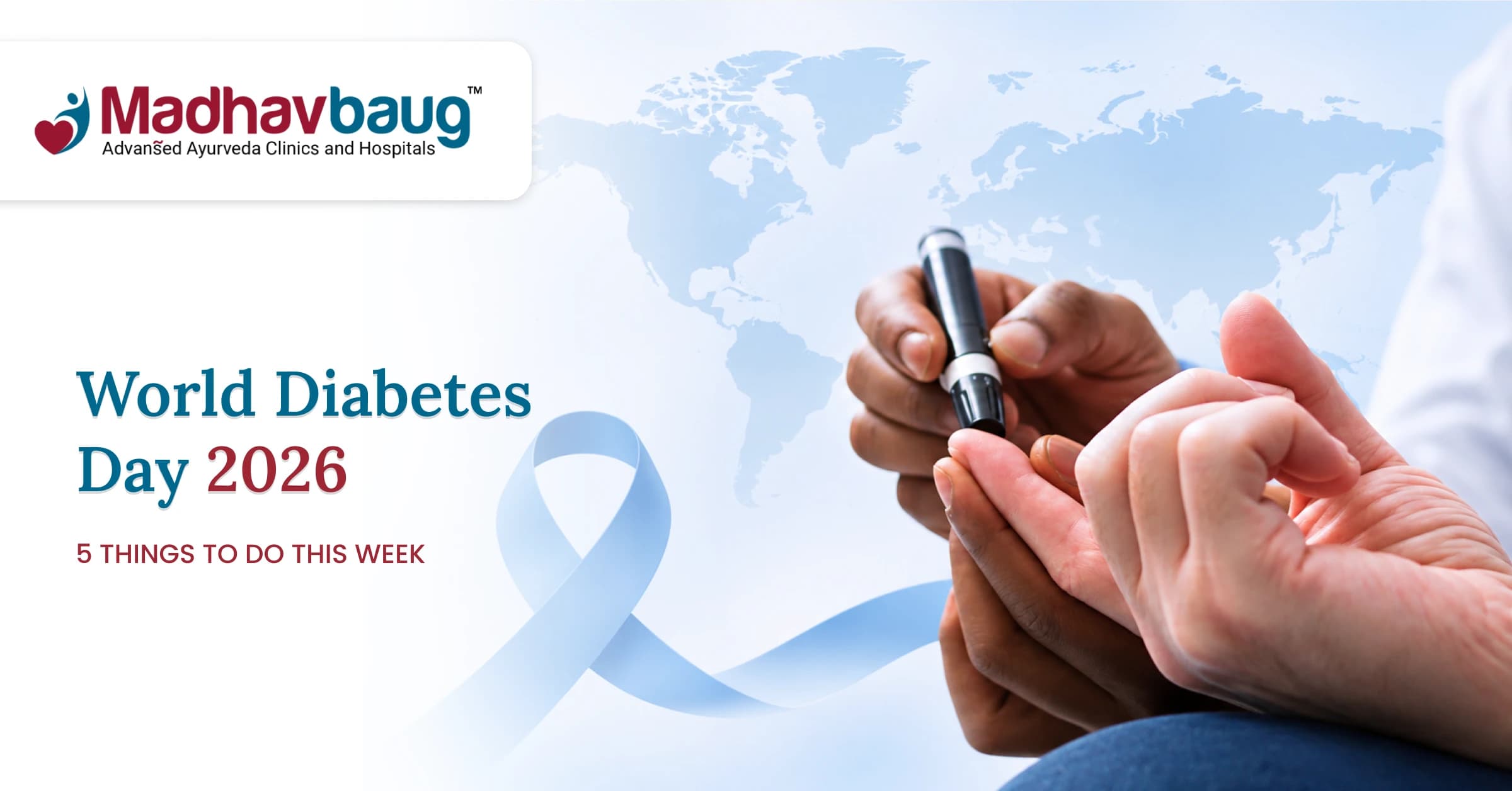
Every year on 14 November, the world talks about diabetes. For 2026, the message is simple. Do not wait. Diabetes often grows quietly for years, and the best time to act is before symptoms or complications appear.
This guide explains the theme, why it matters in India and five practical things you can do this week.
Not sure about your blood sugar? Get checked early.
What Is World Diabetes Day?
World Diabetes Day is led by the International Diabetes Federation and is marked on 14 November. The date honours the birthday of Frederick Banting, who co-discovered insulin with Charles Best in 1921. The day is recognised by the United Nations and aims to raise awareness of diabetes, its prevention and its care.
World Diabetes Day 2026 Theme – Early Action on Diabetes
The IDF has chosen “Early Action on Diabetes” as the theme for 2026 to 2027. The campaign focuses on:
| Why It Matters | Explanation |
| Early detection | Diagnosing diabetes early can help prevent serious problems such as diabetic ketoacidosis and delay complications in the heart, kidneys, eyes and nerves. |
| Awareness of warning signs | Many people do not recognise the symptoms or do not have any. |
| Prevention of type 2 diabetes | The IDF notes that about 1 in 8 people worldwide are at high risk of developing type 2 diabetes. Air pollution, low physical activity and easy access to unhealthy food make it harder to lower that risk. |
| Access to care | Screening, diagnosis and support should reach everyone, including people in smaller towns and villages. |
Why World Diabetes Day is Important in India
India is often called the diabetes capital of the world. The ICMR INDIAB study estimated that about 101 million Indians were living with diabetes and about 136 million had prediabetes in 2021 (Anjana et al., 2023). Indians also tend to develop type 2 diabetes at a younger age and at a lower body weight than people in many other countries because of more belly fat and lower muscle mass.
That is why early action matters here. A person with prediabetes does not yet have diabetes, and the right changes at this stage can slow or stop the progress. In the Indian Diabetes Prevention Programme, lifestyle changes lowered the risk of developing diabetes by about 28 per cent in Indian adults with impaired glucose tolerance (Ramachandran et al., 2006). A larger study in the United States found a reduction of about 58 per cent with diet and exercise (Knowler et al., 2002).
| “In India, diabetes prevention must begin at home. Regular meals, daily physical activity and attention to waist size can make a real difference, especially for people with a family history of diabetes. This World Diabetes Day, let us make health checks and healthier daily habits a part of family life, not something we think about only when we fall ill.” Dr. Bipin Gond, Zonal Medical Head, Madhavbaug |
Signs of Type 2 Diabetes
Many people with early type 2 diabetes feel normal. Possible signs include:
- Increased thirst and passing urine more often, including at night
- Feeling tired without a clear reason
- Blurred vision
- Slow healing of cuts or wounds
- Tingling or numbness in the hands or feet
- Frequent skin or urinary infections
- Dark, velvety patches of skin on the neck or armpits (acanthosis nigricans)
- Weight loss without trying, more often in type 1 diabetes
Lack of symptoms does not mean lack of risk. The only reliable way to know is a blood test.
Diabetes Test Numbers to Know
A simple blood test can tell you where you stand. These are the common ranges for HbA1c, fasting blood sugar and postprandial sugar for adults (American Diabetes Association, 2025):
| Test | Normal | Prediabetes | Diabetes |
| Fasting blood sugar | Below 100 mg/dL | 100 to 125 mg/dL | 126 mg/dL or more |
| HbA1c (average of about 3 months) | Below 5.7 per cent | 5.7 to 6.4 per cent | 6.5 per cent or more |
| 2 hour blood sugar after a 75 g glucose drink | Below 140 mg/dL | 140 to 199 mg/dL | 200 mg/dL or more |
5 Things to Do This Week
You can start with simple actions. Try these five steps to support diabetes awareness and prevention this week.
1. Check your risk
You may be at higher risk if you are over 30, have a parent or sibling with diabetes, carry extra weight around the belly, have high blood pressure or high cholesterol, had diabetes in pregnancy or have polycystic ovary syndrome. For Asian Indian adults, a waist of 90 cm or more in men and 80 cm or more in women points to extra belly fat (Misra et al., 2009).
2. Book a blood test
Ask your doctor for a fasting blood sugar and an HbA1c test. If you already have diabetes, check when your last HbA1c, kidney test, eye check and foot check were done.
3. Walk for 10 to 15 minutes after your biggest meal
Muscles take up sugar from the blood during movement, so a short walk after meals can lower the post meal rise. Over the week, aim towards 150 minutes of moderate activity, which is the usual guidance for adults (World Health Organization, 2020).
4. Change one plate, not the whole diet
Fill half your plate with vegetables, a quarter with protein such as dal, paneer, eggs or fish, and a quarter with grains. Swap sugary drinks and packaged snacks for water, buttermilk, roasted chana or fruit for diabetes.
5. Fix one habit that affects blood sugar overnight
Try finishing dinner at least 2 to 3 hours before bed and aim for 7 to 8 hours of sleep.
| Clinical Insight “In my 20 years of experience, I have seen how early testing can help people take control of their diabetes before complications develop. This World Diabetes Day, I encourage you to check your blood sugar and motivate your family members to do the same. A simple test today can help you make better decisions about your health tomorrow.” Dr. Pravin Jayram Ghadigaonkar, BAMS, MD, PhD (Scholar) – Preventive Cardiology 20+ Years of Clinical Experience, Head Medical Operations & Patient Improvement, Madhavbaug |
Diabetes Care at Madhavbaug
Living with diabetes means making daily choices that support your health over time. At Madhavbaug, care begins with a doctor’s assessment of your blood sugar levels, diet and overall health. Based on your needs, the doctor may recommend a personalised diet plan, exercise guidance and Ayurvedic therapies alongside your existing medical treatment. Regular follow-ups help track your progress and make changes to your care plan when needed.
Whether you have recently been diagnosed with diabetes or have been managing it for years, you can explore diabetes care at Madhavbaug to understand the available treatment options. Also find a Madhavbaug clinic to speak with a doctor about your health and the next steps in your care.
Looking for Support With Diabetes Management?
Frequently Asked Questions
When is World Diabetes Day 2026?
It is on 14 November 2026, which is a Saturday.
What is the theme of World Diabetes Day 2026?
The IDF theme for 2026 to 2027 is “Early Action on Diabetes”.
Why is World Diabetes Day on 14 November?
It is the birthday of Frederick Banting, who co-discovered insulin in 1921 with Charles Best.
How can I raise diabetes awareness?
Share accurate information with family, encourage relatives over 30 to get a blood test, organise a walk at your workplace or housing society and speak to your doctor about local screening camps.
Can type 2 diabetes be prevented?
In many people with prediabetes, lifestyle changes can delay or prevent type 2 diabetes. This is not true for type 1 diabetes, which cannot currently be prevented.
How often should I get tested?
Your doctor will advise based on your age and risk factors. Many people with normal results and risk factors are retested every one to three years.
Does a normal HbA1c mean I am safe?
It means your average blood sugar over the last 3 months was in the normal range. Your risk can change with weight, age, medicines and lifestyle, so it is worth rechecking.
References
International Diabetes Federation. World Diabetes Day 2026 to 2027: Early action on diabetes. idf.org/news/wdd-2026-27
Anjana RM, et al. Metabolic non-communicable disease health report of India: the ICMR-INDIAB cross-sectional study (INDIAB-17). Lancet Diabetes Endocrinol. 2023;11(7):474-489.
Ramachandran A, et al. The Indian Diabetes Prevention Programme shows that lifestyle modification and metformin prevent type 2 diabetes in Asian Indian subjects with impaired glucose tolerance (IDPP-1). Diabetologia. 2006;49:289-297.
Knowler WC, et al. Reduction in the incidence of type 2 diabetes with lifestyle intervention or metformin. N Engl J Med. 2002;346:393-403.
American Diabetes Association. Standards of Care in Diabetes, 2025. Diabetes Care. 2025;48(Suppl 1).
Misra A, et al. Consensus statement for diagnosis of obesity, abdominal obesity and the metabolic syndrome for Asian Indians. J Assoc Physicians India. 2009;57:163-170.
World Health Organization. WHO guidelines on physical activity and sedentary behaviour. 2020.



 Locate a Centre

