

Key Takeaways
|
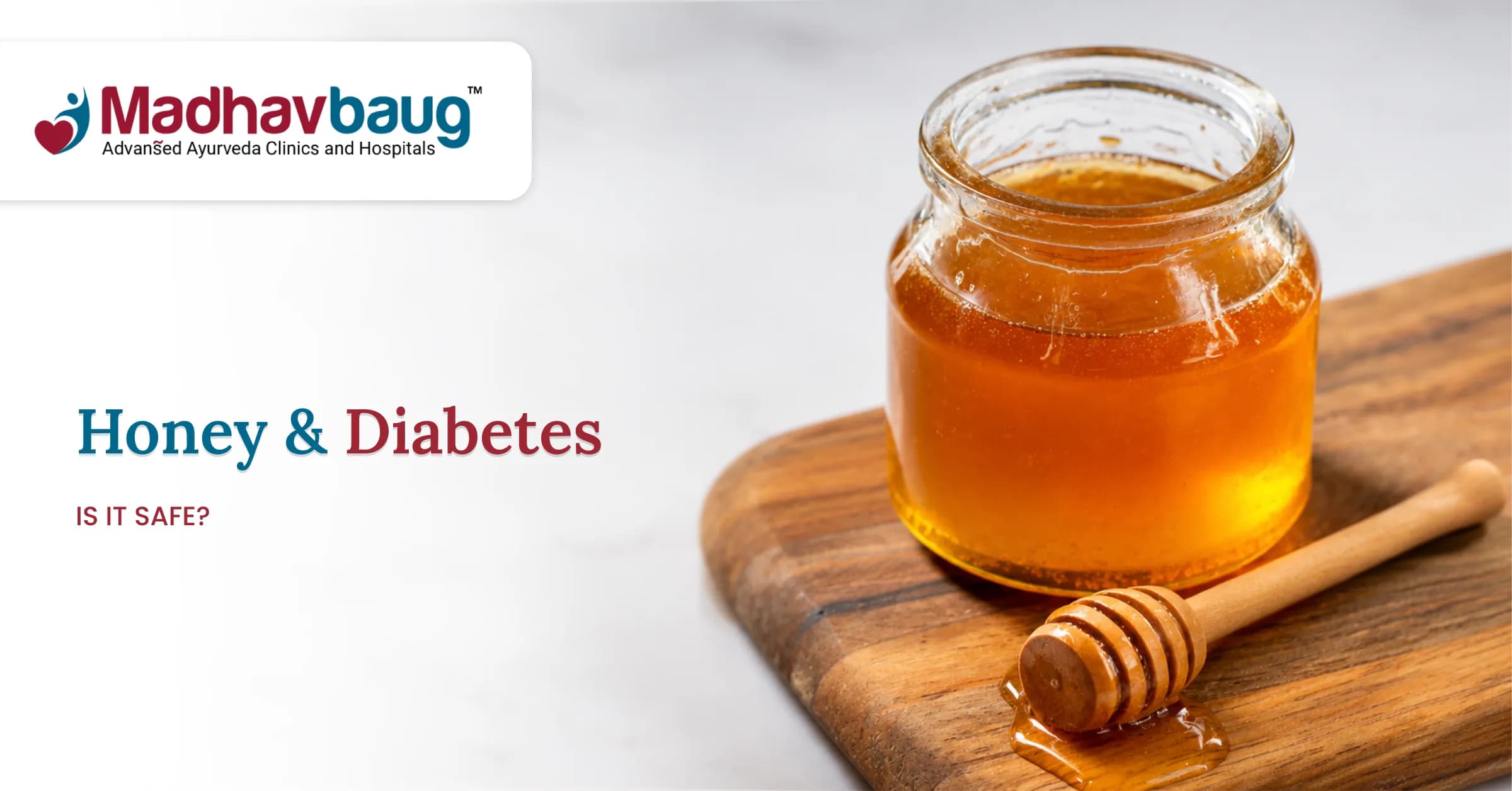
Honey is natural, but it is still a concentrated source of sugar and carbohydrate. If you have diabetes, it can raise your blood glucose even when the label says raw, organic or pure.
Honey mainly contains fructose and glucose. It also contains small amounts of naturally occurring compounds that are not present in refined white sugar. This gives honey some genuine nutritional differences from refined white sugar, but it does not remove its effect on blood sugar.
If you use honey, the amount and how regularly you have it matter. It also needs to be considered with the rest of the meal, just like other carbohydrate-containing foods.
Is Honey Good for Diabetes?
Honey can fit in small amounts for some people with diabetes, but it should not be treated as a “healthy sugar” that can be used freely.
A teaspoon used occasionally is different from adding honey to warm water every morning, tea later in the day and again over breakfast or dessert.
The rest of your diet matters too. A diabetes diet chart for Indian meals and portions can help you judge honey alongside foods such as roti, rice, dal, vegetables and protein rather than looking at the sweetener alone.
| Remember Natural does not mean sugar-free. Raw, organic and pure honey still contain sugar and carbohydrate. These labels may tell you something about the product, but they do not make honey free from its effect on blood glucose. |
Not sure how honey or other sweet foods fit into your diabetes diet?
How Does Honey Affect Blood Sugar?
Most of the carbohydrate in honey comes from fructose and glucose. The balance of these sugars can differ from one honey to another, depending on the flowers and plants the bees collect nectar from.
Because fructose and glucose are processed differently in the body, different types of honey may not affect blood sugar in exactly the same way.
Honey can still raise blood glucose, though. The amount you eat matters too. One teaspoon will add much less carbohydrate than several spoonfuls.
A normal fasting sugar reading also does not always mean your glucose stays within range through the day. Fasting sugar, post-meal sugar and HbA1c each show a different part of your blood sugar pattern.
What Is the Glycaemic Index of Honey?
Honey does not have one fixed glycaemic index.
Published GI values for honey range from about 32 to 85. One reason for this variation is that honey made from nectar collected from different flowers and plants can have a different sugar composition (Bogdanov et al., 2008).
This means a GI value quoted for one honey should not automatically be applied to every honey. GI also does not tell you how much you are eating. Even honey with a lower GI will provide more carbohydrate if the portion becomes larger.
Honey spread over toast, for example, adds carbohydrate to the bread already in the meal. With oats, cereal or a smoothie, the honey needs to be counted along with the other carbohydrate-containing ingredients.
If you monitor your glucose at home, your post-meal blood sugar can help show how a usual meal affects you rather than relying on the GI of one ingredient alone.
| Clinical Insight “If a patient tells me their fasting sugar is around 110 mg/dL but their post-meal readings are repeatedly above 200 mg/dL, I would not spend much time debating whether their honey has a GI of 50 or 60. I would first look at where that honey is being used, how much carbohydrate is already present in that meal and whether this pattern is also showing up in the HbA1c. In that situation, changing from regular honey to raw or Manuka honey is unlikely to be the main answer. The quantity of sweetener and the composition of the meal usually need attention first.” Dr Gurudatta Amin, BAMS, MD, PGDEMS19+ Years of Clinical Experience, CMO, Madhavbaug |
Does Honey Have Any Benefits?
Honey contains small amounts of compounds that refined white sugar largely lacks.
Besides fructose and glucose, it provides small amounts of polyphenols, enzymes, amino acids and minerals. The amount and type of these compounds can differ between honeys.
Polyphenols contribute to honey’s antioxidant activity and are one reason it has been studied for possible effects on metabolic health. Some clinical studies have reported favourable changes in blood lipids and body weight, but the findings are not consistent enough to consider honey a treatment for diabetes (Ahmed et al., 2023).
The practical point is that these benefits still come with sugar. A small amount of honey may provide some beneficial compounds, but eating more of it to get more of those compounds also increases your carbohydrate intake.
| Study Highlight What happened when honey was given to people with type 2 diabetes? An eight-week randomised clinical trial included 48 people with type 2 diabetes. Participants in the honey group showed reductions in body weight, total cholesterol, LDL cholesterol and triglycerides, while HDL cholesterol increased (Bahrami et al., 2009). The results for blood sugar were different. Fasting glucose was not significantly different between the groups, and HbA1c increased significantly in the honey group. The researchers therefore recommended cautious honey consumption in people with diabetes. This study shows why honey cannot be described as simply “good” or “bad”. It may have favourable effects on some health markers, but it does not necessarily improve long-term blood sugar control. |
Is Raw or Organic Honey Better for Diabetes?
Raw or organic honey is not proven to control blood sugar better than regular honey. You can choose these products if you prefer them, but the portion still matters.
Raw honey
Raw honey is less processed and may retain more of some naturally occurring compounds found in honey.
That may make it different from heavily processed honey in composition, but it still contains sugar and carbohydrate. There is not enough evidence to say that raw honey is a better choice for blood sugar control in people with diabetes.
Organic honey
Organic honey refers mainly to how the honey is produced and certified.
It does not mean the honey contains less sugar, fewer carbohydrates or automatically has a lower glycemic index. For diabetes, the amount you eat still matters more than the organic label.
Pure honey
Pure honey has not been mixed with other sweetening syrups.
That can be useful when choosing a product, but pure honey still contains its own natural fructose and glucose. “Pure” describes the product, not whether it is suitable to use freely with diabetes.
| What About Manuka Honey? Manuka honey contains methylglyoxal and other compounds that have attracted research interest. In a small randomised study involving 10 healthy adults, five Manuka honeys had GI values between 54 and 59, placing the tested samples in the moderate-GI range (Chepulis and Francis, 2013). The study did not involve people with diabetes, so it cannot tell us whether Manuka honey improves diabetes control. Manuka honey may have properties that are useful in other areas of health, but there is not enough diabetes-specific evidence to call it the best honey for blood sugar control. |
Is Honey Better Than Sugar for Diabetes?
Honey and white sugar are not exactly the same, but honey should not be considered a free replacement for sugar.
| Honey | White Sugar |
| Mainly contains fructose and glucose | Mainly contains sucrose |
| Contains small amounts of polyphenols and other natural compounds | Contains very few of these compounds |
| GI can vary considerably between honeys | Glycemic response is more consistent |
| Adds sugar and carbohydrate | Adds sugar and carbohydrate |
| Can raise blood glucose | Can raise blood glucose |
Honey has some compounds that refined sugar does not, but both still add concentrated sugar to the diet.
If you normally use two teaspoons of sugar in tea, replacing it with a similar amount of honey still keeps the drink sweetened. Reducing the amount from two teaspoons to one changes how much sweetener you are actually consuming.
You can still use a little honey for taste if it fits your diet. Just count it as a sweetener rather than treating it as a free food because it is natural.
How Much Honey Can You Have With Diabetes?
You do not necessarily have to avoid honey completely, but there is no fixed daily amount that is suitable for everyone with diabetes.
A small measured amount may fit into some people’s eating plans. How much depends on the rest of the diet, other sweet foods and drinks, blood glucose control, medicines or insulin, activity and how frequently honey is used.
If you use insulin or diabetes medicines that can cause low blood sugar, follow your doctor’s plan for treating a low reading. Honey can provide carbohydrate in that situation, but during regular meals it should still be counted as a carbohydrate-containing sweetener.
Indian dietary guidance includes honey, jaggery and table sugar under added sugars. It recommends keeping added sugar low and describes more than about 25 g per day, based on a 2,000 kcal diet, as high sugar intake (ICMR-NIN, 2024).
This does not mean that 25 g of honey is a daily allowance for someone with diabetes. It is general dietary guidance for total added sugar from all sources.
| Portion Perspective USDA food-composition data show how quickly the amount changes with the serving size: 1 teaspoon honey, about 7 g: roughly 5.8 g carbohydrate 1 tablespoon honey, about 21 g: roughly 17.3 g carbohydrate These are portion examples, not recommended daily amounts for diabetes. USDA FoodData Central lists honey as a high-carbohydrate sweetener, with around 82 g of carbohydrate per 100 g. |
Measuring honey with a spoon is more useful than pouring it directly from the bottle. What you eat with it also changes the meal. Protein, fibre and fat may slow digestion, but they do not remove the carbohydrates from honey.
For example, plain curd with nuts and a measured amount of honey is a different meal from toast with honey, sweet tea and fruit juice. Building the rest of the meal around vegetables, pulses, whole grains, protein foods, nuts and unsweetened dairy can make it easier to manage the overall carbohydrate load. These are also common choices in a practical list of foods for people with diabetes.
Honey in Lemon Water, Tea, Toast and Desserts
A teaspoon of honey in several different foods and drinks can add up across the day. These common uses are worth looking at together.
| How honey is used | What to keep in mind |
| Honey-lemon water | Lemon and warm water do not remove the sugar coming from honey. If you enjoy lemon water, honey does not have to be added. |
| Tea or coffee | Replacing white sugar with honey still sweetens the drink with sugar. Gradually using less sweetener changes the amount you consume. |
| Honey on toast | Both the bread and honey contribute carbohydrates, so consider the breakfast together. |
| Honey with oats or cereal | Count the honey along with the oats or cereal, milk or curd, fruit and other ingredients. |
| Smoothies | Fruit and milk may already provide carbohydrate and sweetness, so added honey may not be necessary. |
| Granola, energy bites or laddoos | Nuts, seeds and oats add useful nutrients, but honey still contributes sugar. |
| “No refined sugar” desserts | A dessert made with honey instead of white sugar is not sugar-free. The ingredients and portion still matter. |
Honey may also enter the diet at several different times during the day. Your overall meal timing and eating pattern can therefore matter alongside the amount used at each meal.
Food is only one part of diabetes management. Regular activity, prescribed medicines, sleep and glucose monitoring also matter when you are trying to control diabetes.
Diabetes Care at Madhavbaug
At Madhavbaug, diabetes care can include a review of fasting and post-meal glucose, HbA1c, food habits, activity, medicines and other health concerns. This helps the care team look at the overall glucose pattern rather than focusing on one food such as honey.
Dietary advice can then be adjusted around the way you normally eat. Structured diet plans for diabetes can also help organise portions, meal choices and everyday eating habits alongside the rest of your treatment.
If you already have recent fasting glucose, post-meal glucose or HbA1c reports, carrying them to your consultation can help your doctor understand your current blood sugar pattern. Knowing where your result falls within the usual HbA1c range can provide further context.
Someone who uses a small amount of honey occasionally may need different dietary changes from someone who regularly has sweetened tea, biscuits, desserts and large carbohydrate portions.
If your HbA1c is above target, changing one sweetener is unlikely to be enough on its own. Diet, activity, sleep, medicines and glucose monitoring may all need review when working to reduce HbA1c safely.
Regular follow-up may also include broader diabetes health checks, depending on your age, treatment and other health conditions.
Want guidance based on your food habits and blood sugar readings?
Frequently Asked Questions
Can diabetics eat honey?
Some people with diabetes can include a small amount of honey, but it still contains sugar and carbohydrate and can raise blood glucose. The portion, how often you have it and what else you eat with it all matter.
Can honey increase HbA1c?
It can contribute to your overall sugar and carbohydrate intake if you use it regularly or in larger amounts. One clinical trial in people with type 2 diabetes reported an increase in HbA1c after eight weeks of honey consumption, even though some other health markers improved.
Can I replace sugar with honey in tea?
Yes, but the drink will still contain added sugar. If you regularly sweeten tea, gradually reducing the amount may be more useful than replacing the same quantity of white sugar with honey.
Which honey has the lowest glycaemic index?
GI differs between honey varieties, and published values have ranged widely. A lower-GI variety may produce a different blood sugar response, but portion size still matters. There is not enough evidence to recommend one honey as the best choice for everyone with diabetes.
Is honey better than jaggery for diabetes?
Neither honey nor jaggery should be treated as a free sweetener. Their composition differs, but both provide concentrated carbohydrate and can raise blood glucose. Portion and frequency matter for both.
Can I have honey every day if my diabetes is controlled?
There is no universal daily honey allowance for diabetes. If you use honey regularly, consider it in your overall diet and discuss the amount with your doctor or dietitian if you are unsure how it fits with your glucose readings or medicines.
References
Ahmed, A. et al. (2023) ‘Effect of honey on cardiometabolic risk factors: a systematic review and meta-analysis’, Nutrition Reviews, 81(7), pp. 758–774.
Bahrami, M., Ataie-Jafari, A., Hosseini, S., Foruzanfar, M.H., Rahmani, M. and Pajouhi, M. (2009) ‘Effects of natural honey consumption in diabetic patients: an 8-week randomized clinical trial’, International Journal of Food Sciences and Nutrition, 60(7), pp. 618–626.
Bogdanov, S., Jurendic, T., Sieber, R. and Gallmann, P. (2008) ‘Honey for nutrition and health: a review’, Journal of the American College of Nutrition, 27(6), pp. 677–689.
Chepulis, L. and Francis, E. (2013) ‘The glycaemic index of Manuka honey’, e-SPEN Journal, 8(1), pp. e21–e24.
ICMR-National Institute of Nutrition (2024) Dietary Guidelines for Indians. Hyderabad: ICMR-NIN
US Department of Agriculture (USDA) (2018) FoodData Central: Honey, SR Legacy. National Agricultural Library.



 Locate a Centre

